Cultural Context
Prague Castle serves as a profound symbol of Czech cultural identity and heritage, reflecting centuries of Bohemian traditions and national pride. It is the site of numerous cultural celebrations and ceremonies, including the annual coronation festivities of Bohemian kings in the medieval period and modern state events such as presidential inaugurations. The castle complex is also intertwined with Czech folklore and legends, including stories about the mythical founding of Prague by Princess Libuše, who is said to have prophesied the castle’s future grandeur. Visitors can experience traditional Czech customs during special events held on the castle grounds, such as the Changing of the Guard ceremony and various folk festivals that highlight Czech music, dance, and craftsmanship. The castle’s role as a cultural hub continues today through its museums and galleries, which preserve and exhibit Czech artistic and historical treasures. As a living cultural monument, Prague Castle fosters a deep connection between the Czech people and their historical narrative, making it a vital locus for understanding the nation’s evolving identity and cultural continuity within Central Europe.Historical Context
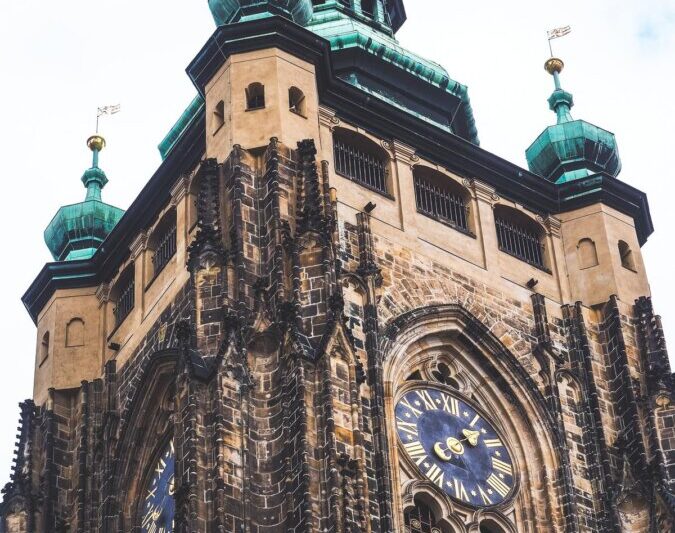
Prague Castle’s history dates back to the late 9th century when it was founded by Prince Bořivoj of the Přemyslid dynasty around 880 AD. Over the centuries, it evolved from a fortified settlement into a sprawling complex that has served as the seat of power for Bohemian kings, Holy Roman emperors, and Czech presidents. Key historical events associated with the castle include the reign of Charles IV in the 14th century, who transformed Prague into an imperial capital and initiated major Gothic architectural projects within the castle. The castle witnessed the tumultuous Hussite Wars in the 15th century, the Habsburg rule beginning in the 16th century, and the dramatic events of the 20th century, including the establishment of Czechoslovakia in 1918 and the Velvet Revolution in 1989 that restored democracy. Prague Castle has been a silent witness to political upheavals, royal intrigues, and cultural renaissances, reflecting the complex history of Central Europe. Its continuous occupation and adaptation over more than eleven centuries make it one of the most historically significant sites in the region, embodying the layered narrative of Czech statehood.Plan your visit with our complete Czech Republic travel guide featuring top sights, itineraries, and local travel tips.