
Iolani Palace
The only royal palace on U.S. soil, Iolani Palace is where Hawaii’s last queen was imprisoned — that detail alone reframes everything you see inside.
The landmarks here are the sights that define a destination — the monuments, towers, and historic icons most visitors build a trip around. Many of the most popular now use timed-entry tickets to manage crowds, so book online before you go and aim for the first or last slot of the day for thinner lines and better light.
The only royal palace on U.S. soil, Iolani Palace is where Hawaii’s last queen was imprisoned — that detail alone reframes everything you see inside.

The Changing of the Guard here is the real thing — an active regiment, a live goat mascot, and views over the St. Lawrence that put the whole city in context.

Diamond Head’s 1908 military tunnels are what most visitors miss — the hike through them to the summit is worth the early alarm.

Built in 1977, the Gastown Steam Clock looks Victorian but isn’t — and that small deception makes it more interesting, not less.

Ludwig II built Neuschwanstein to escape reality — the throne room was never finished, yet 1.3 million people a year still make the climb.

Linderhof is Ludwig II’s smallest palace — and his only completed one. That distinction makes it the most personal window into Bavaria’s Fairy Tale King.

Carnegie funded it, 60 nations furnished it, and the International Court of Justice still uses it. The Peace Palace is not a museum — it is a working courthouse.

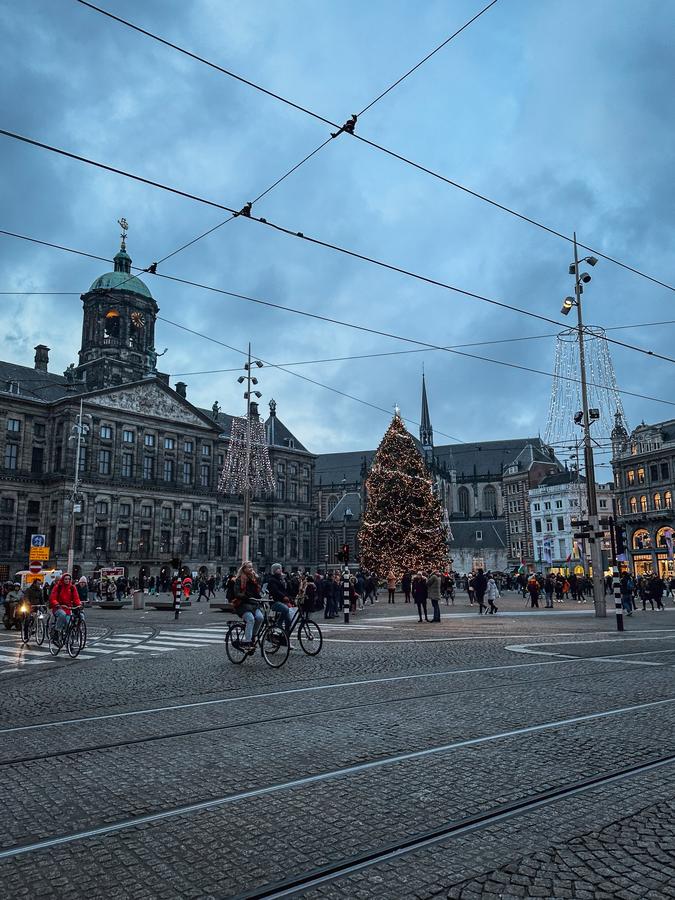
Dam Square is where Amsterdam’s 13th-century origins meet its chaotic present — Royal Palace, war memorial, and street performers all sharing the same cobblestones.
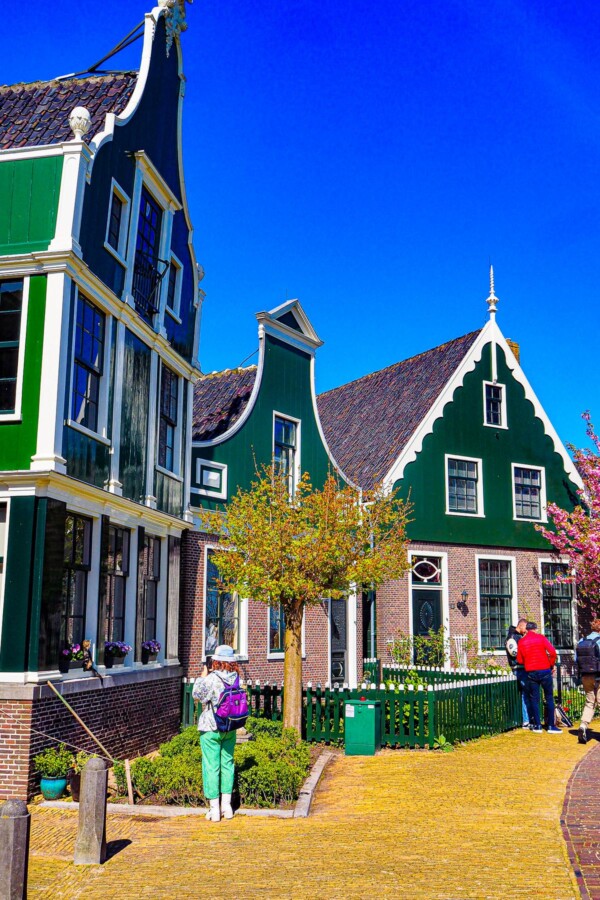
Six windmills still grind spices and press oil here — not for show, but because the machinery actually works.

The Mirror Room where Mozart played at age six hits differently when you’re standing in it — Schönbrunn earns every hour you give it.

Hohensalzburg never fell to siege — 900 years later, the funicular still deposits you inside a fortress that time forgot to ruin.

The Kiss is here, in person, and smaller than you expect — but standing in front of it inside Belvedere’s Upper Palace still stops you cold.

The Marble Hall is where Mozart once performed — and where Salzburg still holds concerts today. The gardens are the Sound of Music stairs.
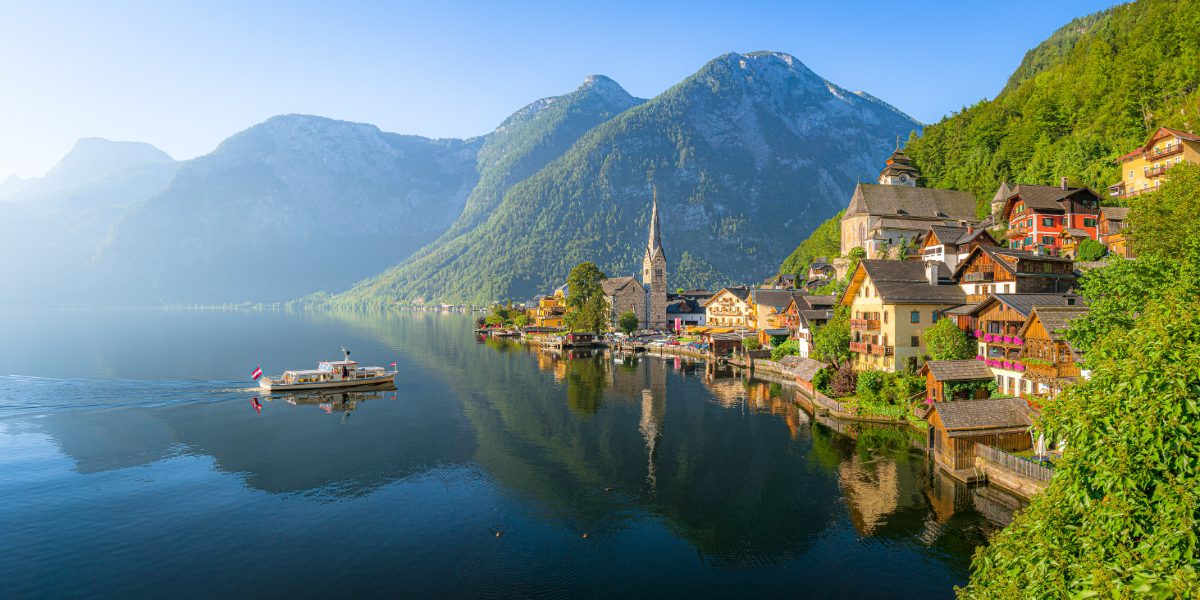
Hallstatt’s salt mines predate the Roman Empire by millennia. The skull chapel alone makes the detour worth it.

2,657 fire-gilded copper tiles and a museum most visitors walk past — the Golden Roof rewards the ones who go inside.

Akihabara on a Sunday — car-free, loud, and completely itself. No other block on Earth looks quite like Chuo Dori when the crowds take over.


Paris hated the Eiffel Tower when it opened. Now 250 million visitors later, the light show alone justifies the queue.

Built in 1666, the Castle of Good Hope predates Cape Town itself — and its walls hold 350 years of colonial history you can actually walk through.

Skip Trevi before 8am or after midnight. The coin toss pulls in €3,000 daily — and yes, it all goes to Roman charities.
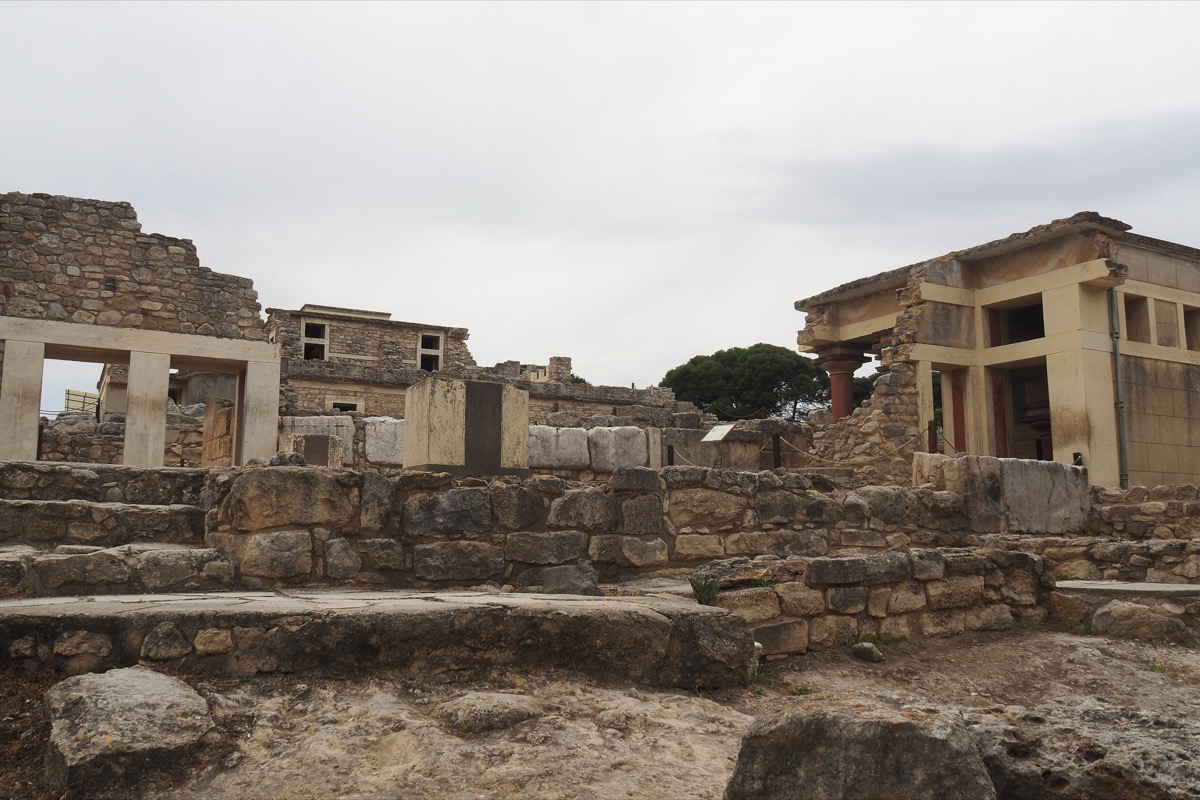
The Via Sacra cuts straight through 2,000 years of history — walk it slowly and the Senate house, temples, and arches start telling a coherent story.
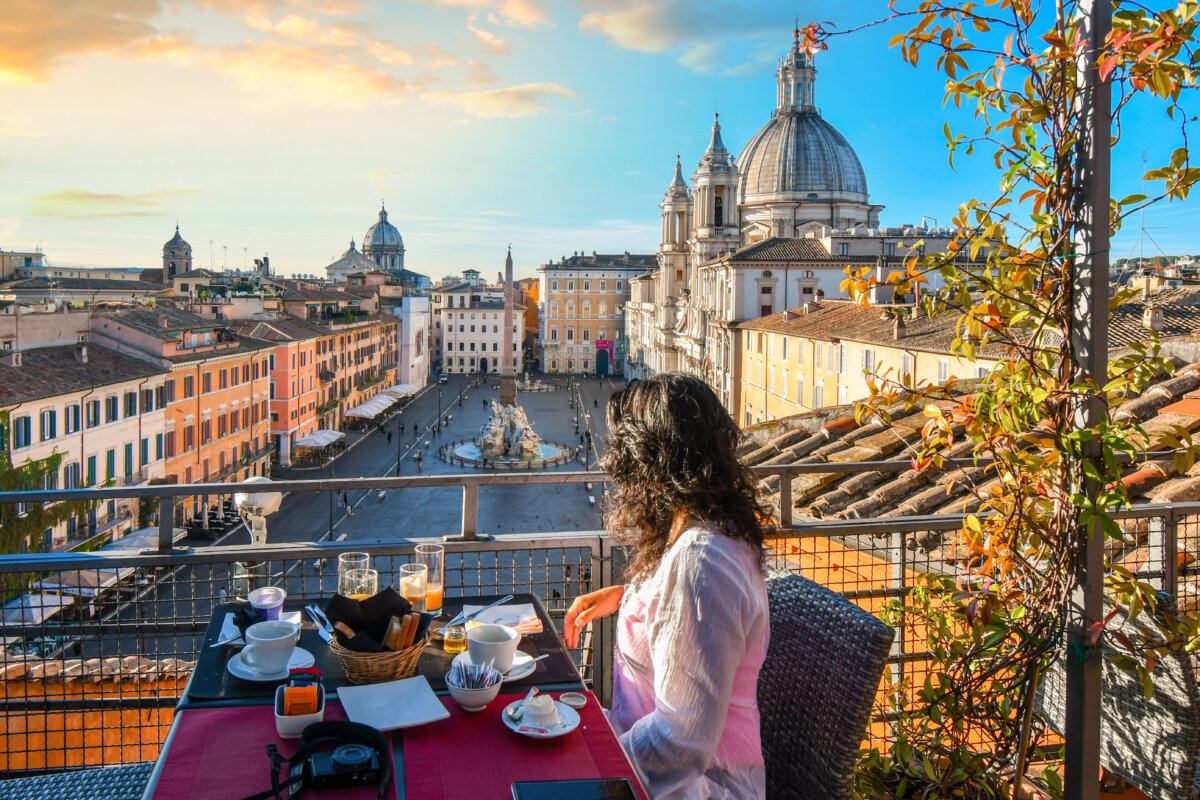
Bernini’s fountain sits on a Roman stadium. That detail alone reframes everything you see when you walk into Piazza Navona.