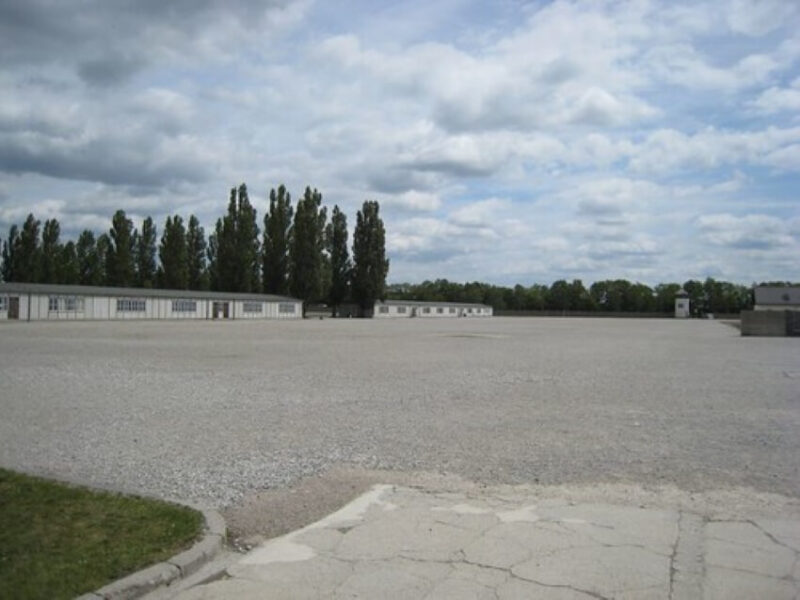
Dachau Concentration Camp Memorial Site stands as a stark reminder of humanity’s capacity for cruelty and the vital importance of confronting historical atrocities. Established in 1933 as Nazi Germany‘s first concentration camp, Dachau served as the prototype for the concentration camp system and operated continuously until liberation by American forces in 1945. The preserved grounds include the ominous “Arbeit Macht Frei” (Work Sets You Free) entrance gate, the roll call square where prisoners endured hours of standing regardless of weather, reconstructed barracks showing the progression of increasingly inhumane living conditions, and the crematorium complex. The site’s meticulous documentation center presents the camp’s history through photographs, personal accounts, and artifacts, chronicling how over 200,000 prisoners from across Europe endured medical experimentation, systematic torture, and extrajudicial executions, with more than 41,500 documented deaths. Unlike purely historical museums, Dachau functions as both memorial and warning—religious monuments from multiple faiths offer spaces for reflection, while educational programs connect historical fascism to contemporary human rights issues, ensuring the site serves not only as witness to past horrors but as active resistance against their recurrence.
Cultural Context
First Nazi concentration camp transformed into powerful memorial educating about Holocaust horrors and dangers of hatred. International pilgrimage site for survivors, descendants, and those committed to ‘Never Again.’ Represents Germany’s commitment to confronting dark history and teaching moral responsibility.
Historical Context
Opened March 1933, weeks after Hitler took power, initially for political prisoners. Model for entire concentration camp system. Over 200,000 prisoners from across Europe imprisoned here 1933-1945, with 41,500 documented deaths. Liberated by US forces April 29, 1945. Memorial site established 1965.