Germany is a beautiful country filled with incredible things to see and do. From exploring fairytale castles to visiting historic sites, Germany offers world-class museums, picturesque landscapes, and rich cultural experiences. The country combines centuries of history with modern innovation, making it a fascinating destination for travelers interested in culture, history, and natural beauty.
The destination guide
Germany
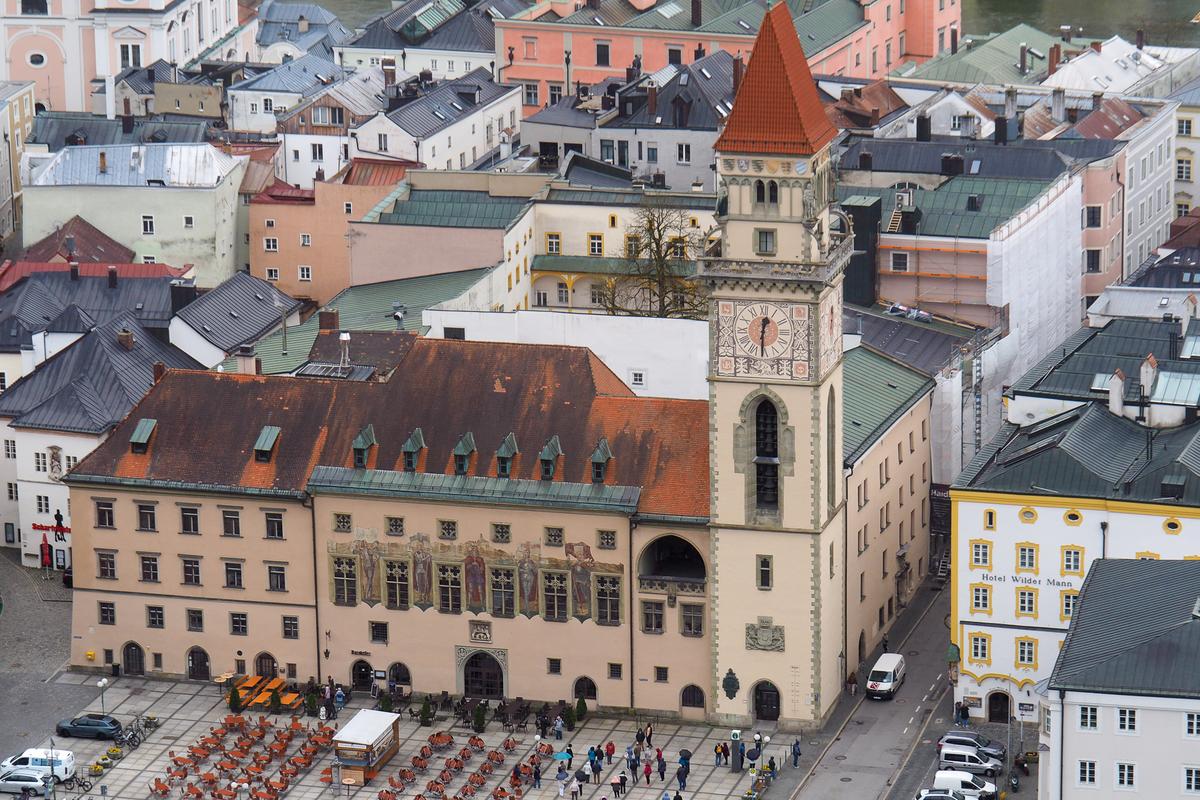
Browse all 31 destinations in Germany
Travel guides for Germany
Itineraries & day trips (5)
Things to do (66)
Where to stay (7)
Food & drink (8)
Travel tips & costs (7)
Destination stories (48)
More guides featuring Germany (36)
At a glance
Currency€ EURCode: EUR
Time zoneBerlin UTC+01:00Europe/Berlin UTC+01:00
Languages
- German
Setting
- Urban cityscape
- Bavarian Alps nearby
- Central European plain
- Rhine River
Known for
- History
- Castles
- Road Trips
- Food & Drink
- City Breaks.
Population83M83,000,000 residents
VisaDuration: Up to 90 days within any 180-day period in the Schengen Area · Documents: Valid passport issued within the last 10 years and valid for at least 3 months after planned departure, plus proof of accommodation, onward or return travel, and sufficient funds if requested
How Germany scores
9/10OverallExcellent
Weather6/10
Value for money7/10
Safety8/10
Food & cuisine4/10
Culture & arts6/10
Cultural experience8/10
History8/10
Nature & outdoors4/10
Adventure4/10
Nightlife7/10
Shopping8/10
Family friendly4/10
Romance8/10
Editorial scores on a 10-point scale, weighed against destinations of the same kind.
Travel safety snapshot
Overall89/100High rating
Women travellers86/100
LGBTQ+ travellers85/100
Theft80/100
Medical care92/100
Physical harm88/100
Political freedom87/100
SafePlace indicators use their source 100-point scale; higher is more favourable. Planning context, not a live travel advisory — check official government guidance before you go.
When to go
Best months to visit: April, May, June, July, August, September and October.
- January: -0.8 to 4 degrees Celsius, 60.3 millimetres of rain, best-time score 2 out of 5.
- February: -0.4 to 6.1 degrees Celsius, 52.5 millimetres of rain, best-time score 2 out of 5.
- March: 0.8 to 9.5 degrees Celsius, 50.1 millimetres of rain, best-time score 3 out of 5.
- April: 3.8 to 13.6 degrees Celsius, 44.8 millimetres of rain, best-time score 4 out of 5.
- May: 8.1 to 17.8 degrees Celsius, 58.3 millimetres of rain, best-time score 5 out of 5.
- June: 12.8 to 23 degrees Celsius, 53.4 millimetres of rain, best-time score 5 out of 5.
- July: 14 to 23.8 degrees Celsius, 59 millimetres of rain, best-time score 5 out of 5.
- August: 14.1 to 24.2 degrees Celsius, 60.1 millimetres of rain, best-time score 5 out of 5.
- September: 10.7 to 20.1 degrees Celsius, 46.7 millimetres of rain, best-time score 5 out of 5.
- October: 7.3 to 14.5 degrees Celsius, 54 millimetres of rain, best-time score 4 out of 5.
- November: 2.4 to 7.9 degrees Celsius, 42.7 millimetres of rain, best-time score 2 out of 5.
- December: 0.5 to 5 degrees Celsius, 48.6 millimetres of rain, best-time score 3 out of 5.
Month-by-month conditions and packing advice
- January
- Cold, occasional rain Cold winter weather, few tourists. Crowds: January in Germany is workable with normal seasonal planning; build in layers, weather checks, and a mix of indoor and outdoor activities. Pack: Pack warm layers, a coat, and comfortable shoes for cold mornings and evenings.
- February
- Cold, occasional rain Chilly and quiet, good for museums. Crowds: February in Germany is workable with normal seasonal planning; build in layers, weather checks, and a mix of indoor and outdoor activities. Pack: Pack warm layers, a coat, and comfortable shoes for cold mornings and evenings.
- March
- Cold, occasional rain Beginning to warm up, spring blossoms. Crowds: March in Germany is workable with normal seasonal planning; build in layers, weather checks, and a mix of indoor and outdoor activities. Pack: Pack warm layers, a coat, and comfortable shoes for cold mornings and evenings.
- April
- Cool to mild, occasional rain Pleasant spring weather, great for walking. Crowds: April in Germany is workable with normal seasonal planning; build in layers, weather checks, and a mix of indoor and outdoor activities. Pack: Pack layered clothing and comfortable walking shoes.
- May
- Cool to mild, occasional rain Excellent weather before the summer crowds. Crowds: May in Germany is workable with normal seasonal planning; build in layers, weather checks, and a mix of indoor and outdoor activities. Pack: Pack layered clothing and comfortable walking shoes.
- June
- Mild to warm, occasional rain Warm, sunny, and lively. Crowds: June in Germany is comfortable for sightseeing, neighborhoods, food stops, day trips, and outdoor time with limited weather friction. Pack: Pack layered clothing and comfortable walking shoes.
- July
- Mild to warm, occasional rain Peak summer heat and peak tourist season. Crowds: July in Germany is comfortable for sightseeing, neighborhoods, food stops, day trips, and outdoor time with limited weather friction. Pack: Pack layered clothing and comfortable walking shoes.
- August
- Mild to warm, occasional rain Very warm, many festivals and outdoor dining. Crowds: August in Germany is comfortable for sightseeing, neighborhoods, food stops, day trips, and outdoor time with limited weather friction. Pack: Pack light clothing, sun protection, and comfortable walking shoes.
- September
- Mild to warm, occasional rain Perfect shoulder season with great weather. Crowds: September in Germany is comfortable for sightseeing, neighborhoods, food stops, day trips, and outdoor time with limited weather friction. Pack: Pack layered clothing and comfortable walking shoes.
- October
- Cool to mild, occasional rain Crisp autumn air and beautiful colors. Crowds: October in Germany is workable with normal seasonal planning; build in layers, weather checks, and a mix of indoor and outdoor activities. Pack: Pack layered clothing and comfortable walking shoes.
- November
- Cold, occasional rain Cooling down rapidly, often rainy. Crowds: November in Germany is workable with normal seasonal planning; build in layers, weather checks, and a mix of indoor and outdoor activities. Pack: Pack warm layers, a coat, and comfortable shoes for cold mornings and evenings.
- December
- Cold, occasional rain Cold but festive holiday atmosphere. Crowds: December in Germany is workable with normal seasonal planning; build in layers, weather checks, and a mix of indoor and outdoor activities. Pack: Pack warm layers, a coat, and comfortable shoes for cold mornings and evenings.
Peak season
- June
- July
- August
- September
- December
Off-peak
- January
- February
- March
Know before you go
About
Germany, the Federal Republic of Germany in Central Europe, is the European Union’s most populous country, home to about 83 million people across 16 federal states, with Berlin as its capital. The modern nation-state dates to unification in 1871, while today’s republic was founded under the Basic Law in 1949 and reunified East and West on October 3, 1990, now a national holiday. As Europe’s largest economy, it pairs industrial power with deep cultural heritage. Its landmarks span the Brandenburg Gate in Berlin, the soaring Gothic Cologne Cathedral, the fairytale Neuschwanstein Castle in Bavaria and the vineyards of the Romantic Rhine. From Munich’s Oktoberfest to the trails of the Black Forest, Germany offers a remarkable range of history, design and landscape within a compact, easily traveled country.
Neighbourhoods
Berlin, Munich, Hamburg, Frankfurt, Cologne
Best time to visit
May to September
Season by season
Summer is peak season with warm weather and festivals; Fall offers wine harvests and Oktoberfest; Winter is famous for magical Christmas markets; Spring is pleasant and less crowded.
Crowds
Moderate to High
Getting there and around
Getting there
Major international airports include Frankfurt (FRA — Europe’s busiest hub), Munich (MUC), Berlin Brandenburg (BER), and Düsseldorf (DUS). High-speed ICE trains connect Germany to neighboring countries. FlixBus provides affordable coach service across the continent. Eurostar and Thalys connect to Paris, Brussels, and Amsterdam.
Getting around
Germany’s Deutsche Bahn network connects major cities at high speed (ICE trains link Berlin to Munich in under 4 hours). Regional trains and excellent bus networks fill in smaller towns. A Germany Rail Pass can save money for multi-city itineraries. Driving on the Autobahn is efficient and well-maintained, though some sections have no speed limit. Within cities, the U-Bahn and S-Bahn systems are comprehensive and run on the honor system (buy a ticket or risk a €60 fine). Bike-sharing programs are widespread in Berlin, Munich, and Hamburg.
Top experiences in Germany
Neuschwanstein Castle
The Black Forest
Editor-curated picks carried over from our original guide. Where a full place guide exists, the card links to it.

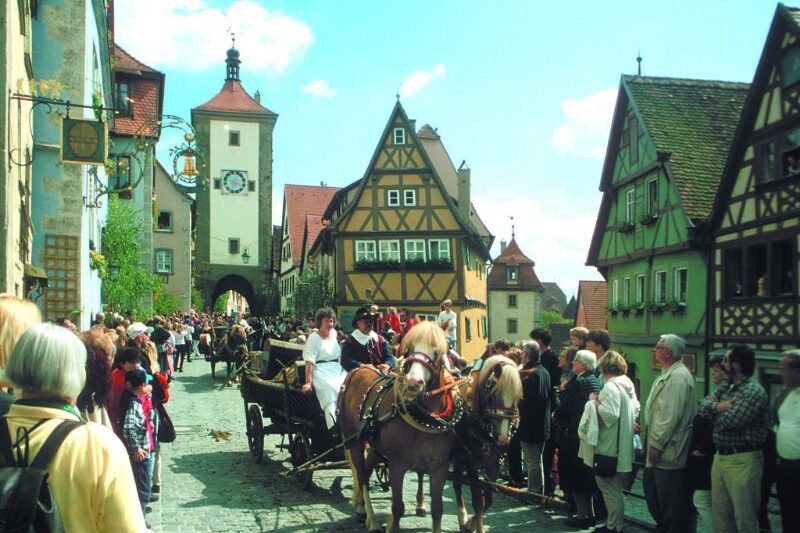
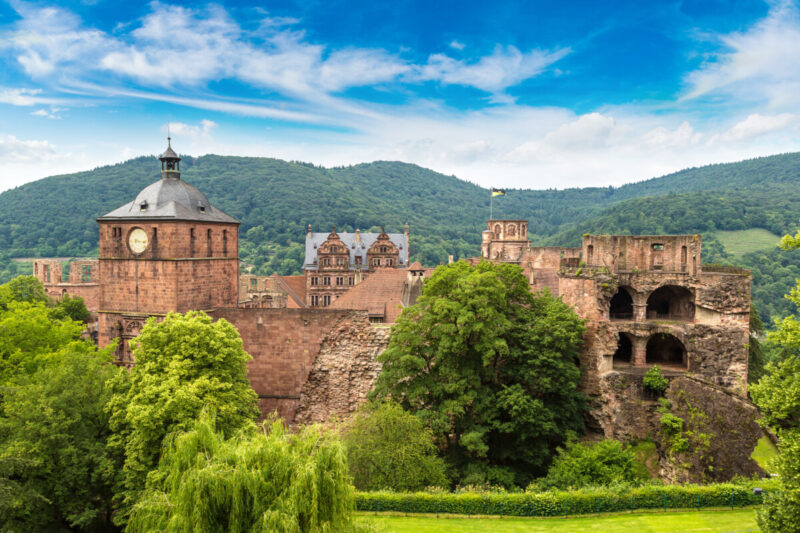

Worth booking ahead in Germany
Hand-picked from the operators our guides already send readers to. Prices and availability are live on the partner site.
Day tripViator
Neuschwanstein and Linderhof royal castles day tour (opens Viator in a new tab)
Both royal castles and the coach in one long day; the practical way to see them from Munich without a car.
Where to stayBooking.com
Stays in Germany (opens Booking.com in a new tab)
Live rates and availability for Germany on Booking.com; filter by neighbourhood once you know where your days start.
We earn a commission if you book through these links, at no extra cost to you. It is how we keep the guides free and independent.
Where to stay
Hotel Adlon Kempinski Berlin
Unter den Linden 77, 10117 Berlin, Germany
Editor-curated stays carried over from our original guide. Where we have reviewed the hotel, the card links to the review.
Tips from the field
Highlights
- Fairy-tale castles in Bavaria, vibrant and historical Berlin, and the stunning natural scenery of the Black Forest and Rhine Valley.
Best activities
- Exploring Berlin's history, touring Bavarian castles, hiking in the Black Forest, enjoying river cruises.
Local experiences
- Drink a beer at a traditional Munich biergarten. Explore the remnants of the Berlin Wall at the East Side Gallery.
Practical tips
- Book Neuschwanstein Castle tickets well in advance online. The train system (Deutsche Bahn) is excellent for getting around the country. Cash is still widely used in smaller venues.
Photography tips
- Neuschwanstein Castle is best photographed from Marienbrücke (Queen Mary's Bridge). Arrive early at popular sites to avoid crowds.
Timing
- 10-14 days is ideal to see a mix of major cities (Berlin, Munich) and regional highlights (Bavaria, Black Forest).
Keeping it authentic
- Germany seamlessly blends cutting-edge modernity with deep-rooted traditions, from legendary beer festivals to centuries-old castles.
Culture, customs and safety
Cultural heritage
Germany’s cultural heritage reflects its central position in European history, with 54 UNESCO World Heritage sites that span millennia. This legacy includes Roman frontier ruins, magnificent Gothic cathedrals like Cologne’s that testify to its role in the Holy Roman Empire, and the Luther memorials in Wittenberg that mark the birthplace of the Protestant Reformation. Its heritage also encompasses the fairy-tale castles of Bavaria, the revolutionary design of the Bauhaus school, and powerful industrial monuments, creating a rich and diverse cultural landscape.
Local customs & etiquette
Germans value punctuality, directness, and privacy. Arrive on time for meals and appointments — being late is considered disrespectful. Cash remains king in many restaurants and shops; carry euros even in major cities, as card acceptance is less universal than in other Western European countries. Tipping is expected but modest: round up to the nearest euro or add 5–10%. Quiet hours (Ruhezeit) are observed in residential areas — no loud activity on Sunday mornings or after 10 PM. Recycling is taken seriously; the Pfand deposit system means you return bottles to special machines in supermarkets. Learn the basics: ‘Bitte’ (please), ‘Danke’ (thanks), and ‘Entschuldigung’ (excuse me) go a long way.
Safety notes
Very safe with low violent crime rates. Exercise standard precautions against pickpocketing in crowded transport hubs and tourist areas.






Activities