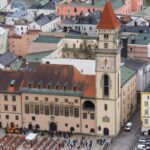
Berchtesgaden, nestled in the Bavarian Alps, is a picturesque town known for its stunning natural beauty and rich history. Surrounded by majestic mountains and pristine lakes, it offers a perfect blend of outdoor adventures and cultural experiences. Visitors can explore the breathtaking landscapes of the Berchtesgaden National Park and discover the historical significance of the Eagle’s Nest.
The destination guide
Berchtesgaden

Travel guides for Berchtesgaden
More guides featuring Berchtesgaden (5)
At a glance
Currency€ EURCode: EUR
Time zoneCentral European Time
Languages
- German
Setting
- Alpine national park
- Crystal clear lakes
- Eagle's Nest mountain
- Salt mines
Known for
- Alpine Scenery
- WWII History
- Nature Hiking
- Lakes.
Population7,5157,515 residents
VisaDuration: Up to 90 days within any 180-day period in the Schengen Area · Documents: Valid passport issued within the last 10 years and valid for at least 3 months after planned departure, plus proof of accommodation, onward or return travel, and sufficient funds if requested
How Berchtesgaden scores
8/10OverallExcellent
Weather7/10
Value for money7/10
Food & cuisine7/10
Culture & arts6/10
Cultural experience7/10
Nature & outdoors9/10
Adventure7/10
Nightlife3/10
Shopping4/10
Family friendly5/10
Romance8/10
Editorial scores on a 10-point scale, weighed against destinations of the same kind.
Travel safety snapshot
Overall92/100High rating
Women travellers90/100
LGBTQ+ travellers85/100
Theft88/100
Medical care90/100
Physical harm94/100
Political freedom82/100
SafePlace indicators use their source 100-point scale; higher is more favourable. Planning context, not a live travel advisory — check official government guidance before you go.
When to go
Best months to visit: January, February, June, July, August, September, October and December.
- January: -6.4 to 0.8 degrees Celsius, 19.2 millimetres of rain, best-time score 5 out of 5.
- February: -6.6 to 3.9 degrees Celsius, 23.5 millimetres of rain, best-time score 5 out of 5.
- March: -2.5 to 7.3 degrees Celsius, 47.9 millimetres of rain, best-time score 3 out of 5.
- April: 1.3 to 11.8 degrees Celsius, 42.5 millimetres of rain, best-time score 2 out of 5.
- May: 4.6 to 13.6 degrees Celsius, 59.8 millimetres of rain, best-time score 3 out of 5.
- June: 9.4 to 20.5 degrees Celsius, 66 millimetres of rain, best-time score 4 out of 5.
- July: 11.3 to 21.6 degrees Celsius, 44.6 millimetres of rain, best-time score 5 out of 5.
- August: 12.3 to 23.1 degrees Celsius, 35.7 millimetres of rain, best-time score 5 out of 5.
- September: 8.3 to 19 degrees Celsius, 24.3 millimetres of rain, best-time score 5 out of 5.
- October: 2.8 to 12.7 degrees Celsius, 28.1 millimetres of rain, best-time score 4 out of 5.
- November: -1.6 to 8.3 degrees Celsius, 11.1 millimetres of rain, best-time score 3 out of 5.
- December: -4.4 to 2.2 degrees Celsius, 22.9 millimetres of rain, best-time score 5 out of 5.
Month-by-month conditions and packing advice
- January
- Cold weather, mostly dry January in Berchtesgaden: snowy alpine scenery, winter walks, nearby ski areas, and cozy village stays make this a strong winter month. Crowds: January marks the heart of Berchtesgaden’s winter season, drawing skiers, snowboarders, and winter hikers to the surrounding Alps. It’s a prime time for snow sports, but also for quieter pursuits like spa visits and enjoying hearty Bavarian cuisine in warm gasthäuser. Tourist numbers are moderate compared to Christmas week, making it easier to find accommodation at slightly lower rates, though ski resort areas can still be busy on weekends. Cold conditions demand proper winter gear, and shorter days mean planning outdoor activities earlier. Clear weather and snow-draped scenery make this an excellent month for photography, though icy paths may require caution. Advance booking is advised for guided tours and ski rentals. Pack: Insulated winter jacket with windproof shell; Thermal base layers for warmth; Waterproof snow boots with good traction; Wool hat and insulated gloves; Polarized sunglasses for snow glare; Scarf or neck gaiter for added protection
- February
- Cold weather, mostly dry February in Berchtesgaden: winter snow, mountain views, sledding, skiing nearby, and quiet lakeside scenery are the main strengths. Crowds: February is firmly within Berchtesgaden’s winter tourism season, appealing to travelers seeking alpine sports, snowy landscapes, and a quieter, more contemplative pace. Ski resorts and winter hiking paths are active but less crowded than the December holiday rush, and accommodation prices may be slightly more favorable than peak festive periods. Cold temperatures require thorough preparation for outdoor activities, though the low precipitation supports reliable conditions for snowshoeing, sledding, and photography. Daylight hours are still short, so itineraries benefit from early starts. Those planning mountain excursions should monitor forecasts for sudden weather changes and consider booking guided tours for safety. Pack: Insulated winter jacket with hood; Thermal base layers for warmth; Waterproof snow boots with good grip; Wool hat and insulated gloves; UV-protection sunglasses for snow glare; Reusable insulated water bottle to prevent freezing
- March
- Cold weather, some rain March in Berchtesgaden: late winter and early thaw conditions can make trails, lake plans, and viewpoints less predictable. Crowds: March is shoulder season in Berchtesgaden, bridging winter sports and spring hiking. Skiing is still possible in higher-altitude areas, though snow reliability begins to wane, and some lower trails may be muddy or icy. Tourist numbers are modest, keeping hotel rates and attractions quieter compared to peak winter or summer. Cold, damp conditions may limit lengthy outdoor activities, but cultural visits to salt mines, museums, or nearby Salzburg remain comfortable. Those seeking fewer crowds and atmospheric alpine scenery will find this an ideal time, provided they are prepared for variable weather and occasional transport adjustments due to snow or rain in the mountains. Pack: Insulated waterproof jacket for cold and wet conditions; Thermal base layers for warmth; Waterproof hiking boots with good grip; Warm hat and gloves for alpine temperatures; Compact umbrella or rain shell for mixed precipitation; Layered clothing to adjust to indoor heating and outdoor chill
- April
- Cool weather, some rain April in Berchtesgaden: spring transition weather, lingering snow, and mud can narrow mountain access. Crowds: April marks the shoulder season in Berchtesgaden, bringing fewer crowds and more relaxed pricing compared to the busy summer months. While some high-altitude hiking routes may still be snowbound, lower elevation trails, lakeside walks, and cultural sites such as the historic Old Town are easily accessible. This is an excellent time for travelers seeking quieter experiences, though weather variability means flexibility in planning is essential. Conditions are favorable for scenic drives, photography, and exploring museums or salt mines on wetter days. Booking accommodation is generally easier, but it’s wise to confirm opening dates for seasonal attractions, as some may not yet be fully operational after winter closure. Pack: Waterproof hiking boots with good traction; Insulated jacket for chilly mornings and evenings; Light rain jacket or compact umbrella; Layered clothing including sweaters and base layers; Reusable water bottle for hikes; Scarf and gloves for higher elevations or windy days
- May
- Cool weather, some rain May in Berchtesgaden: early alpine scenery is attractive, but rain, snowmelt, and trail conditions need close checking. Crowds: May marks the shoulder season in Berchtesgaden, offering a quieter experience before the influx of summer visitors. The cooler weather is ideal for hiking lower-altitude trails, visiting the Eagle’s Nest, or exploring the salt mines without the summer crowds. Some high mountain paths may still be closed due to lingering snow. Accommodation prices remain moderate, and attractions are less congested, making it a prime time for travelers seeking authenticity and tranquility. Light rain showers are common, so planning indoor alternatives—such as museum visits—can ensure smooth itineraries. Advance booking for popular sites is still recommended, as weekends can draw local visitors. Pack: Layered clothing for variable mountain temperatures; Water-resistant hiking shoes with good grip; Compact umbrella or lightweight rain jacket; Warm fleece or sweater for mornings and evenings; Daypack for carrying extra layers and snacks; Camera with weather protection for alpine photography
- June
- Warm and pleasant, some rain June in Berchtesgaden: early summer can work for lakes, viewpoints, lower hikes, and scenic drives with rain planning. Crowds: June marks the beginning of the summer travel season in Berchtesgaden, attracting hikers, photographers, and cultural travelers eager to experience its alpine landscapes in peak greenery. Conditions are excellent for outdoor activities such as trekking to Eagle’s Nest, boating on Königssee, and exploring salt mines. Crowds are moderate compared to July and August, so popular trails and viewpoints remain accessible without the peak-season congestion. Accommodation rates begin to climb but often remain lower than high-summer pricing. Afternoon showers are common but brief, so itineraries can be planned around early morning or post-rain golden hours. Advance booking for guided tours and lakeside lodging is wise to secure prime spots during this shoulder-to-peak transition. Pack: Lightweight waterproof jacket for afternoon showers; Breathable hiking layers for temperature shifts; Sturdy waterproof hiking boots; Sunhat and polarized sunglasses; Reusable water bottle for long treks; Light sweater for cooler evenings
- July
- Warm and pleasant, some rain July in Berchtesgaden: lakes, alpine hikes, viewpoints, boat rides, and mountain scenery are at their summer best. Crowds: July falls firmly within Berchtesgaden’s peak summer tourist season. The warm, mostly sunny weather draws hikers, nature photographers, and cultural travelers alike. Trails in the national park are at their most accessible, though popular routes can become crowded by mid-morning. Accommodation prices are at their annual high, and advance booking is essential. Outdoor festivals and alpine traditions are in full swing, enhancing the cultural experience. Light rain showers are possible but rarely disruptive, making this an excellent month for a mix of active pursuits and relaxed sightseeing. Early starts help avoid both crowds and midday heat on longer hikes. Pack: Lightweight hiking layers for variable mountain temperatures; Waterproof jacket for occasional showers; Sturdy hiking boots with good grip; Reusable water bottle for long trails; Light scarf or wrap for cooler evenings; Compact umbrella for sudden mountain rain
- August
- Warm and pleasant, some rain August in Berchtesgaden: warm weather supports hiking, lakes, mountain roads, viewpoints, and outdoor dining. Crowds: August is high summer in Berchtesgaden, attracting hikers, photographers, and nature enthusiasts eager to explore its alpine trails and lakes under long daylight hours. This is peak season, so expect popular routes and attractions to be busy, with accommodation prices at their yearly highs. Warm, mostly dry conditions are excellent for high-altitude hiking, boating on Königssee, and visiting cultural sites like the Eagle’s Nest. Afternoon showers are possible, so plan strenuous hikes earlier in the day. Advance booking is essential for both lodging and guided tours, as demand is strong during school holiday periods. The mild temperatures also make it an appealing month for outdoor festivals and alpine village events. Pack: Lightweight hiking trousers and breathable tops; Waterproof jacket or poncho for sudden showers; Sturdy hiking boots with good grip; Layered fleece or light sweater for cool mornings; Reusable water bottle for long hikes; Sunhat and SPF 30+ sunscreen for high-altitude exposure
- September
- Cool weather, mostly dry September in Berchtesgaden: cooler air, clear views, hiking, lakes, and early autumn color make this a strong month. Crowds: September offers some of the most favorable conditions for visiting Berchtesgaden—cool but comfortable weather, low rainfall, and spectacular autumn colors starting to emerge. This is shoulder season, meaning fewer tourists compared to summer’s peak, yet most attractions remain open. Accommodation prices are often more reasonable, and popular hiking routes are less crowded. Outdoor activities like trekking to Watzmann viewpoints, boat trips on Königssee, or cycling through alpine valleys are at their best. The shorter daylight hours compared to summer mean planning early starts is wise, but the softer light enhances scenic photography. Visitors benefit from booking in advance for weekends, as local fall festivals can increase demand. Pack: Light thermal layer for cool mornings and evenings; Water-resistant hiking boots for alpine trails; Breathable long-sleeve shirts for layering; Compact rain jacket for unexpected showers; Camera with polarizing filter for autumn landscapes; Scarf or buff for added warmth in higher elevations
- October
- Cool weather, some rain October in Berchtesgaden: autumn scenery can be excellent, though daylight, rain, and early snow require flexible plans. Crowds: October marks the shoulder season in Berchtesgaden, when summer crowds have thinned and winter sports have yet to begin in earnest. Cooler temperatures make for ideal conditions for hiking, sightseeing, and cultural visits without the summer heat or congestion. Accommodation prices tend to drop compared to peak months, and availability improves, making it easier to find charming guesthouses or hotels with alpine views. While daylight hours shorten, the golden autumn landscapes and softer light offer exceptional photography opportunities. Rainfall is light and spread out, so outdoor activities remain accessible, though higher elevations may see early snow. It’s wise to plan flexible itineraries, taking advantage of clear days for mountain excursions and saving museums or spa visits for overcast ones. Pack: Insulated jacket for cool mornings and evenings; Water-resistant hiking boots for varied terrain; Layered clothing for fluctuating daytime temperatures; Compact umbrella or light rain jacket; Warm hat and gloves for alpine excursions; Camera with extra batteries for cold-weather photography
- November
- Cold weather, mostly dry November in Berchtesgaden: late autumn weather and partial closures make outdoor plans less flexible. Crowds: This is the shoulder-to-off-season transition in Berchtesgaden, with far fewer tourists and significantly quieter streets compared to summer. Accommodation prices are lower, and many tour operators shift focus toward early winter activities. Lower elevation trails remain accessible, making it a good time for peaceful hikes without the summer crowds, though higher routes may be closed due to ice. Cable cars may operate on limited schedules, and some attractions adjust hours before the ski season fully starts in December. It’s a great month for travelers who prefer serene landscapes, cultural immersion, and cozy indoor experiences, though they should prepare for early nightfall and cooler conditions. Booking ahead is rarely necessary outside of special events or holiday weekends. Pack: Insulated jacket suitable for near-freezing temperatures; Waterproof hiking boots with good grip; Thermal base layers for warmth; Warm hat and gloves for cold mornings; Camera with extra batteries for cold weather shooting; Casual but warm clothing for dining indoors
- December
- Cold weather, mostly dry December in Berchtesgaden: snow scenery, Christmas atmosphere, winter walks, and alpine village stays make this a strong seasonal window. Crowds: December marks Berchtesgaden’s winter tourism season, appealing to travelers seeking alpine charm and festive traditions. Snow coverage makes it prime time for skiing in nearby Jennerbahn, winter hiking, and sledding. Crowds are moderate compared to summer, though weekends and holidays see a noticeable influx due to Christmas markets and seasonal events. Accommodation prices rise slightly around Christmas and New Year’s but remain reasonable in early December. Daylight hours are limited, so planning activities around the shorter days is key. The low rainfall and consistent cold mean stable winter conditions, making it an excellent time for both outdoor adventures and cozy indoor cultural experiences. Pack: Insulated winter coat rated for sub-zero temperatures; Waterproof snow boots with good traction; Thermal base layers for warmth; Wool hat and insulated gloves; Scarf or neck gaiter for wind protection; Smart-casual warm clothing for indoor dining and cultural sites
Peak season
- June
- July
- August
- September
- December
Off-peak
- January
- February
- March
Know before you go
About
Berchtesgaden, a market town in the Bavarian Alps of southeastern Germany, sits just south of Salzburg amid some of the country’s most dramatic mountain scenery. Home to around 7,700 people, it grew up around a 12th-century Augustinian priory before passing to Bavaria in the early 1800s. The town anchors Berchtesgaden National Park, Germany’s only national park in the Alps, established in 1978, and overlooks the emerald, fjord-like Konigssee, considered one of the cleanest lakes in the country. Above it rises the Watzmann, Germany’s third-highest peak at 2,713 meters. Perched on a ridge is the Kehlsteinhaus, or Eagle’s Nest, a 1930s mountaintop lodge now open to visitors. Hiking, boating and alpine views make Berchtesgaden a gateway to Germany’s high mountains.
Best time to visit
May to October
Season by season
Summer (July-Aug) is peak season for hiking and lake tours; Spring and Autumn offer excellent, quiet hiking weather; Winter transforms the area into a snowy retreat with Christmas markets and skiing.
Crowds
Moderate to High
Getting there and around
Getting there
Berchtesgaden is accessible via Munich Airport and regional rail connections from Munich and Salzburg. The city connects via scenic Alpine highway networks.
Getting around
Berchtesgaden provides public transportation including buses and regional trains. The town center is very walkable with most attractions accessible on foot.
Top experiences in Berchtesgaden
Eagle's Nest (Kehlsteinhaus)
One of the world’s greatest Islamic buildings. The endless forest of red-and-white candy-cane arches is mesmerizing. A Christian cathedral was built right in the middle of it in the 16th century. It is unique.
Königssee
A fortress and palace with magnificent terraced gardens and water features. It was the residence of Ferdinand and Isabella (where they met Columbus). The mosaics inside are impressive.
Berchtesgaden National Park
A bridge over the Guadalquivir river, originally built by Romans in the 1st century BC. It was reconstructed by Moors. It offers the best view of the city and the Mezquita, especially at twilight.
Patios de Córdoba
Private courtyards filled with flowers (geraniums) and fountains. The Festival of the Patios (May) opens them to the public, but you can visit the Viana Palace patios year-round. They are a burst of color.
Jewish Quarter (Judería)
The historic neighborhood surrounding the Mezquita. Narrow whitewashed streets, the Synagogue (one of only three medieval majestic ones left in Spain), and statues of philosophers like Maimonides.
Editor-curated picks carried over from our original guide. Where a full place guide exists, the card links to it.
Worth booking ahead in Berchtesgaden
Hand-picked from the operators our guides already send readers to. Prices and availability are live on the partner site.
Day tripViator
Neuschwanstein and Linderhof royal castles day tour (opens Viator in a new tab)
Both royal castles and the coach in one long day; the practical way to see them from Munich without a car.
Where to stayBooking.com
Stays in Berchtesgaden (opens Booking.com in a new tab)
Live rates and availability for Berchtesgaden on Booking.com; filter by neighbourhood once you know where your days start.
We earn a commission if you book through these links, at no extra cost to you. It is how we keep the guides free and independent.
Where to stay
Kempinski Hotel Berchtesgaden
Hintereck 1, 83471 Berchtesgaden, Germany
A 5-star hotel in a 16th-century palace. It has actual Roman ruins visible under the glass floor of the restaurant. The garden pool is an oasis. It offers luxury and history in equal measure.
Hotel Edelweiss Berchtesgaden
Calle Cabezas 17, 14003 Córdoba, Spain
A boutique hotel in the historic center. It has a hammam and a rooftop terrace with views of the Mezquita. The design is eclectic and stylish. It captures the essence of Cordoba’s layered history.
Hotel Schwabenwirt
Calle Encarnación 8, 14003 Córdoba, Spain
A small hotel with only 10 rooms. It feels like a private home. The rooftop terrace offers a stunning, intimate view of the Mezquita tower. The service is personal and warm.
Editor-curated stays carried over from our original guide. Where we have reviewed the hotel, the card links to the review.
Tips from the field
Highlights
- The incredibly calm, steep-walled, fjord-like setting of Königssee, and the eerie mountaintop history of the Eagle's Nest.
Best activities
- Taking the silent electric boat ride across the emerald waters of Königssee, and taking the golden brass elevator up to the Eagle's Nest for panoramic views.
Local experiences
- Visit the active Berchtesgaden Salt Mine and take the underground miner's slide and train ride.
Practical tips
- Access to the Eagle's Nest requires taking a specialized bus from Obersalzberg
- private vehicles are not allowed on the final steep access road.
Photography tips
- The red onion domes of the St. Bartholomä church reflect beautifully in the calm morning waters of Königssee. You must take the earliest boat to get this shot without other boats in the frame.
Timing
- 2-3 days is sufficient to see the Eagle's Nest, take the Königssee boat ride, and visit the Salt Mine or Obersalzberg Documentation Center.
Keeping it authentic
- Berchtesgaden seamlessly blends a dark WWII history with some of the most serene, pristine, and majestic alpine scenery in all of Germany.
Culture, customs and safety
Cultural heritage
Berchtesgaden preserves Alpine traditions in the shadow of Watzmann mountain, where salt mining shaped local culture for over 500 years. The still-operating Salzbergwerk demonstrates medieval extraction techniques, while traditional Lederhosen and Dirndl remain daily wear for many locals. The town’s dark history includes Hitler’s Eagle’s Nest, now a restaurant and memorial to the past. Wood carving traditions produce intricate nativity scenes and Perchten masks for pre-Christian winter festivals. The Königssee’s echo tradition sees trumpet players demonstrate Alpine acoustics from St. Bartholomew’s pilgrimage church, accessible only by electric boat since 1909.
Local customs & etiquette
In Berchtesgaden, greet with ‘Grüß Gott’ (Bavarian greeting) and maintain punctuality. Germans value directness and efficiency. Alpine traditions are important to local culture.
Safety notes
Berchtesgaden is incredibly safe with a very low crime rate. The main safety considerations are related to alpine hiking: wear proper footwear, be prepared for sudden weather changes, and do not overestimate your abilities.