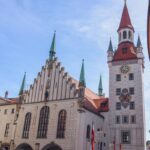
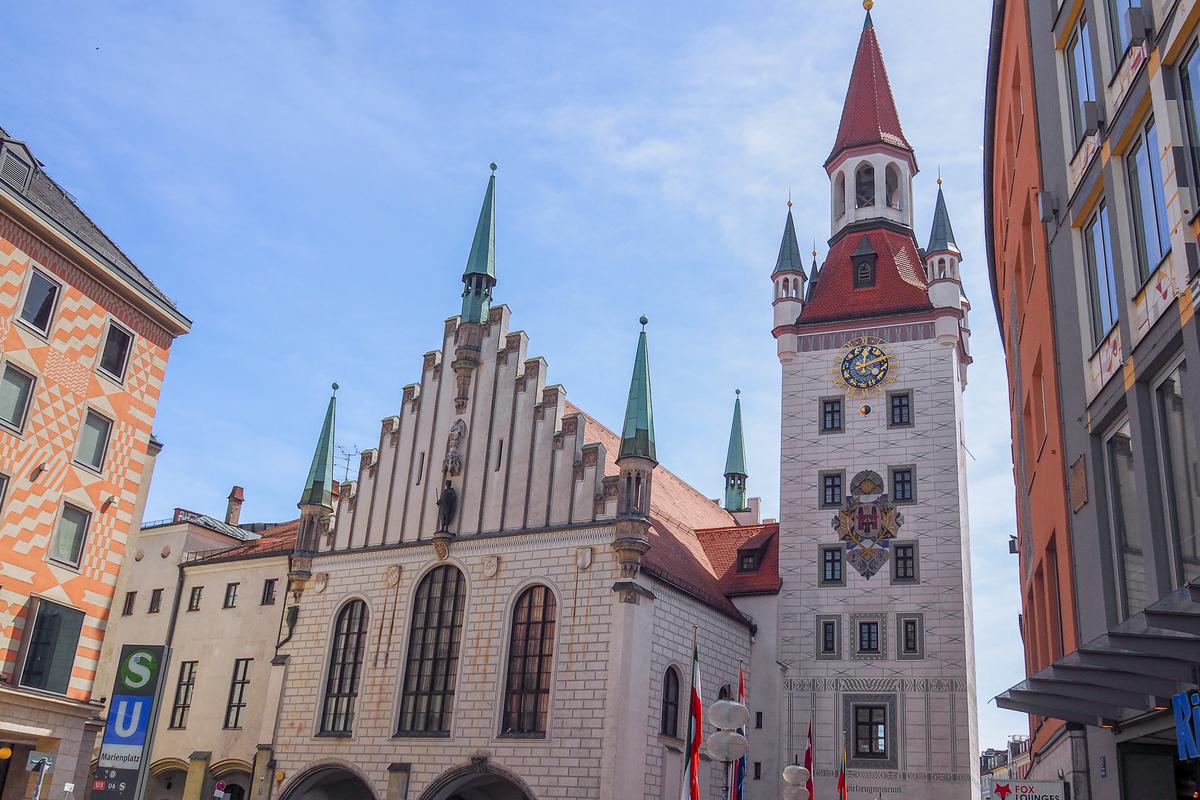
Bavaria presents Germany’s most distinctive regional character through Alpine landscapes, medieval towns, and cultural traditions that balance historical preservation with contemporary innovation. Southern Germany’s largest state combines dramatic natural settings—from the Bavarian Alps along the Austrian border to the expansive Bavarian Forest—with architectural treasures including fairytale-inspiring Neuschwanstein Castle and perfectly preserved medieval centers in Regensburg, Bamberg, and Rothenburg ob der Tauber. The region maintains centuries-old traditions through year-round festivals beyond the world-famous Oktoberfest, including Christmas markets, Maibaumaufstellen (maypole raising), and village kirchweih celebrations, while distinctive culinary heritage features hearty specialties like weisswurst sausages, pretzels, and exceptional beer brewed according to the 1516 Reinheitsgebot purity law. Beyond folkloric stereotypes, Bavaria houses sophisticated cultural institutions in Munich, from world-class museums along Kunstareal to cutting-edge BMW Welt, alongside industrial innovation centers in Nuremberg and Ingolstadt. The region balances its conservative Catholic heritage with forward-thinking environmental practices, offering visitors authentic experiences through family-run guesthouses, scenic driving routes connecting historic towns, and outdoor activities from Alpine skiing to Danube cycling paths—all delivered with the distinctive gemütlichkeit (coziness) that characterizes Bavarian hospitality.
The destination guide
Bavaria
Travel guides for Bavaria
Things to do (2)
More guides featuring Bavaria (44)
At a glance
- German
- Alpine foothills
- Castle terrain
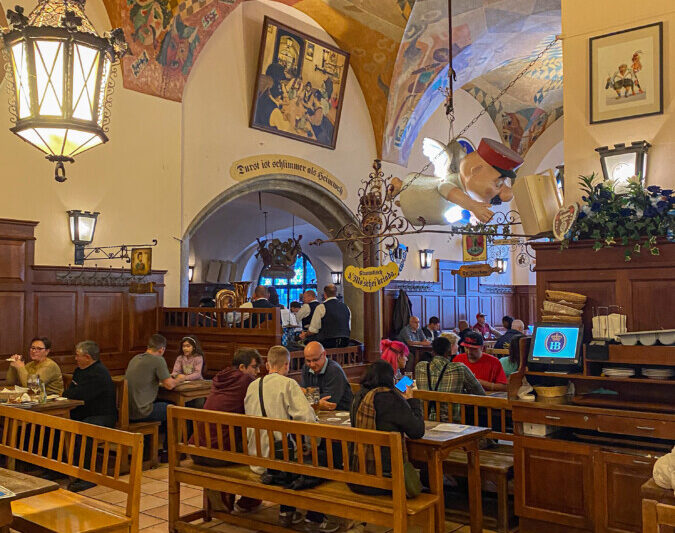
- Beer halls
- Bavarian lakes
- Fairytale Castles
- Alpine Hiking
- Beer Gardens
- Oktoberfest
- Medieval Towns
- UNESCO Heritage
- Bavarian Food
- Skiing
How Bavaria scores
Character
Editorial scores on a 10-point scale, weighed against destinations of the same kind.
Travel safety snapshot
SafePlace indicators use their source 100-point scale; higher is more favourable. Planning context, not a live travel advisory — check official government guidance before you go.
When to go
Best months to visit: April, May, June, July, August, September, October and December.
- January: -2.8 to 4.2 degrees Celsius, 78.7 millimetres of rain, best-time score 2 out of 5.
- February: -0.9 to 7.3 degrees Celsius, 63.7 millimetres of rain, best-time score 2 out of 5.
- March: 0.8 to 10.4 degrees Celsius, 61.7 millimetres of rain, best-time score 3 out of 5.
- April: 4 to 14.3 degrees Celsius, 64.5 millimetres of rain, best-time score 4 out of 5.
- May: 8.2 to 17.7 degrees Celsius, 117.4 millimetres of rain, best-time score 5 out of 5.
- June: 13.2 to 23.1 degrees Celsius, 127.5 millimetres of rain, best-time score 5 out of 5.
- July: 14.3 to 24 degrees Celsius, 119.8 millimetres of rain, best-time score 5 out of 5.
- August: 14.3 to 24.1 degrees Celsius, 125.2 millimetres of rain, best-time score 4 out of 5.
- September: 10.5 to 19.5 degrees Celsius, 95.9 millimetres of rain, best-time score 5 out of 5.
- October: 6.7 to 15.1 degrees Celsius, 69.5 millimetres of rain, best-time score 5 out of 5.
- November: 1.4 to 8.2 degrees Celsius, 70.4 millimetres of rain, best-time score 3 out of 5.
- December: -1.1 to 5.1 degrees Celsius, 71 millimetres of rain, best-time score 4 out of 5.
Month-by-month conditions and packing advice
- January
- Cold, some rain January in Bavaria: cold winter conditions make this less balanced outside snow or Christmas-focused plans. Crowds: January in Bavaria is workable with normal seasonal planning; build in layers, weather checks, and a mix of indoor and outdoor activities. Pack: Pack warm layers, a coat, and comfortable shoes for cold mornings and evenings. Add a rain jacket or compact umbrella.
- February
- Cold, occasional rain February in Bavaria: cold winter conditions make this less balanced outside snow or Christmas-focused plans. Crowds: February in Bavaria is workable with normal seasonal planning; build in layers, weather checks, and a mix of indoor and outdoor activities. Pack: Pack warm layers, a coat, and comfortable shoes for cold mornings and evenings.
- March
- Cool to mild, occasional rain March in Bavaria: culture remains strong, but weather is cooler or less predictable. Crowds: March in Bavaria is workable with normal seasonal planning; build in layers, weather checks, and a mix of indoor and outdoor activities. Pack: Pack warm layers, a coat, and comfortable shoes for cold mornings and evenings.
- April
- Cool to mild, occasional rain April in Bavaria: spring, late summer, or Christmas-market timing can work with crowd and weather planning. Crowds: April in Bavaria is workable with normal seasonal planning; build in layers, weather checks, and a mix of indoor and outdoor activities. Pack: Pack layered clothing and comfortable walking shoes.
- May
- Cool to mild, some rain May in Bavaria: castles, Munich, lakes, beer gardens, alpine towns, festivals, and fall scenery align well. Crowds: May in Bavaria is workable with normal seasonal planning; build in layers, weather checks, and a mix of indoor and outdoor activities. Pack: Pack layered clothing and comfortable walking shoes. Add a rain jacket or compact umbrella.
- June
- Mild to warm, some rain June in Bavaria: castles, Munich, lakes, beer gardens, alpine towns, festivals, and fall scenery align well. Crowds: June in Bavaria is workable with normal seasonal planning; build in layers, weather checks, and a mix of indoor and outdoor activities. Pack: Pack layered clothing and comfortable walking shoes. Add a rain jacket or compact umbrella.
- July
- Mild to warm, some rain July in Bavaria: castles, Munich, lakes, beer gardens, alpine towns, festivals, and fall scenery align well. Crowds: July in Bavaria is workable with normal seasonal planning; build in layers, weather checks, and a mix of indoor and outdoor activities. Pack: Pack light clothing, sun protection, and comfortable walking shoes. Add a rain jacket or compact umbrella.
- August
- Mild to warm, some rain August in Bavaria: spring, late summer, or Christmas-market timing can work with crowd and weather planning. Crowds: August in Bavaria is workable with normal seasonal planning; build in layers, weather checks, and a mix of indoor and outdoor activities. Pack: Pack light clothing, sun protection, and comfortable walking shoes. Add a rain jacket or compact umbrella.
- September
- Cool to mild, some rain September in Bavaria: castles, Munich, lakes, beer gardens, alpine towns, festivals, and fall scenery align well. Crowds: September in Bavaria is workable with normal seasonal planning; build in layers, weather checks, and a mix of indoor and outdoor activities. Pack: Pack layered clothing and comfortable walking shoes. Add a rain jacket or compact umbrella.
- October
- Cool to mild, occasional rain October in Bavaria: castles, Munich, lakes, beer gardens, alpine towns, festivals, and fall scenery align well. Crowds: October in Bavaria is workable with normal seasonal planning; build in layers, weather checks, and a mix of indoor and outdoor activities. Pack: Pack layered clothing and comfortable walking shoes.
- November
- Cold, some rain November in Bavaria: culture remains strong, but weather is cooler or less predictable. Crowds: November in Bavaria is workable with normal seasonal planning; build in layers, weather checks, and a mix of indoor and outdoor activities. Pack: Pack warm layers, a coat, and comfortable shoes for cold mornings and evenings. Add a rain jacket or compact umbrella.
- December
- Cold, some rain December in Bavaria: spring, late summer, or Christmas-market timing can work with crowd and weather planning. Crowds: December in Bavaria is workable with normal seasonal planning; build in layers, weather checks, and a mix of indoor and outdoor activities. Pack: Pack warm layers, a coat, and comfortable shoes for cold mornings and evenings. Add a rain jacket or compact umbrella.
- September
- October
- June
- July
- August
- November
- January
- February
- March
- April
Know before you go
Best time to visit
The best time to visit Bavaria is during the late spring (May to June) and early autumn (September to October) when the weather is pleasant and festivals abound. The famous Oktoberfest takes place in late September to the first weekend in October, attracting visitors from around the world.
Season by season
Spring (March-May): Mild temperatures (12-20°C), cherry blossoms, uncrowded castles and hiking trails. Summer (June-August): Peak season, warm days up to 30°C, perfect for lakes and mountain hiking, longest daylight. Autumn (September-November): Oktoberfest, spectacular fall foliage, crisp hiking weather, Christmas markets begin late November. Winter (December-March): Skiing in the Alps, cozy beer halls, festive Christmas markets, snow-covered castles.
Crowds
Major sites like Neuschwanstein Castle are extremely busy June-August and require advance ticket booking. Munich during Oktoberfest (late Sep-early Oct) sees millions of visitors. Smaller towns like Bamberg and Regensburg are manageable year-round. Ski resorts fill during Christmas-New Year and February school holidays. Spring and autumn offer the best balance of good weather and moderate crowds.
Getting there and around
Getting there
Bavaria is accessible through Munich Airport (MUC), Germany’s second-largest airport with excellent international connections. The airport offers multiple transportation options including S-Bahn trains (S1 and S8 lines), Lufthansa Express Bus, and Flixbus services. Car rentals, taxis, and transfer services provide convenient access to destinations throughout Bavaria. The region is well-connected by train with efficient rail networks linking major cities and tourist destinations. Highways and Autobahns provide excellent road access for those traveling by car. Public transportation within Bavaria includes regional trains, buses, and local transport systems.
Getting around
Navigating Bavaria is both straightforward and enjoyable, thanks to its efficient public transportation network comprising regional trains, buses, and extensive tram and metro systems (U-Bahn) in major cities like Munich and Nuremberg. To save money and streamline travel, purchase a Bayern-Ticket—a regional day pass covering unlimited journeys on local trains and buses, ideal for exploring rural areas and charming small towns often missed by typical tourist routes. While larger Bavarian cities offer excellent walkability, with historic centers best explored on foot, taxis and rideshares like Uber are widely accessible, though more commonly found in urban areas than in the countryside. For those venturing off the beaten path into quaint villages or Alpine regions, renting a car provides unmatched flexibility, allowing travelers to discover hidden gems at their own leisurely pace.



Worth booking ahead in Bavaria
Hand-picked from the operators our guides already send readers to. Prices and availability are live on the partner site.
Day tripViator
Neuschwanstein and Linderhof royal castles day tour (opens Viator in a new tab)
Both royal castles and the coach in one long day; the practical way to see them from Munich without a car.
Day tripGetYourGuide
Royal Fairytale day tour from Munich (opens GetYourGuide in a new tab)
The same castles with a different operator; compare pickup times and what is included before choosing.
Where to stayBooking.com
Stays in Bavaria (opens Booking.com in a new tab)
Live rates and availability for Bavaria on Booking.com; filter by neighbourhood once you know where your days start.
We earn a commission if you book through these links, at no extra cost to you. It is how we keep the guides free and independent.
Tips from the field
Highlights
- Nymphenburg Palace
- English Garden
- Marienplatz and New Town Hall
- Frauenkirche
- Deutsches Museum
Best activities
- Tour the Munich Residence for its stunning architecture and history
- Visit the Deutsches Museum for interactive science and technology exhibits
- Enjoy the Marienplatz and watch the Rathaus-Glockenspiel show
- Explore the BMW Museum and BMW Welt for automotive enthusiasts
Local experiences
- Joining locals at a traditional beer garden table in Munich's Englischer Garten. Touring Neuschwanstein Castle at dawn before the tour buses arrive. Hiking to the summit of Zugspitze, Germany's highest peak, via cable car or cogwheel train. Tasting freshly made Weisswurst with sweet mustard and a pretzel at a Frühschoppen (late morning beer tradition). Exploring the UNESCO-listed old town of Bamberg and its 11 traditional breweries. Kayaking across the emerald waters of Königssee beneath vertical cliff faces.
Practical tips
- Purchase a Munich Card for discounts on attractions and public transport
- Many museums offer reduced prices or free entry on Sundays
- Learn basic German phrases for a more immersive experience
Photography tips
- Neuschwanstein Castle photographs best from Marienbrücke (Mary's Bridge) in morning light. Autumn's first two weeks of October produce the most vivid foliage, especially around alpine lakes like Eibsee. Misty mornings at Königssee create ethereal reflections off the cliff faces. Munich's Marienplatz is best shot during blue hour when the Neues Rathaus glows. A wide-angle lens (16-35mm) captures the scale of alpine valleys and castle facades.
Timing
- Allow 5-7 days for a comprehensive Bavaria trip covering Munich (2-3 days), Neuschwanstein and surrounds (1-2 days), and smaller towns like Rothenburg, Bamberg, or the Alps. A long weekend works for Munich alone. Book Neuschwanstein tickets weeks in advance. The Bayern Ticket offers unlimited regional train travel for groups at great value.
Keeping it authentic
- Visit traditional beer gardens for an authentic Bavarian experience
- Explore the English Garden for a true local leisure spot
Culture, customs and safety
Cultural heritage
Bavaria’s cultural heritage is that of a fiercely proud and distinct region, rooted in its history as an independent kingdom and its strong Catholic and Alpine traditions. This identity is celebrated globally through Munich’s Oktoberfest and is visible in its iconic folk costumes, the Lederhosen and Dirndl, and its magnificent royal castles. The romantic, “fairy-tale” castles of King Ludwig II, including the world-famous Neuschwanstein, are recognized as a UNESCO World Heritage site, embodying the region’s unique blend of royal history and artistic fantasy.
Local customs & etiquette
Bavaria culture centers on traditional German gemütlichkeit (coziness) with strong beer garden traditions and community gatherings. Oktoberfest represents the pinnacle of Bavarian cultural celebration, featuring traditional beer gardens, live music, and cultural festivities. Local customs include wearing traditional lederhosen and dirndls during festivals, respect for beer culture, and appreciation for outdoor activities. Business hours often accommodate the beer garden lifestyle with afternoon social gatherings. The region maintains strong Catholic traditions and seasonal celebrations. Local customs emphasize hospitality, regional pride, and preservation of traditional crafts and foods.