Munich's iconic daily food market since 1807, with 140 stalls selling Bavarian cheeses, sausages, exotic spices, and a central beer garden beneath the maypole
Main Attractions and Activities
Walking through Viktualienmarkt in Munich feels like stepping into a vibrant world of flavors and colors. One of the key attractions here is the array of stalls, each bursting with fresh produce, spices, and gourmet foods. Flowers, cheese, fish, and exotic fruits are displayed beautifully.
Fancy a snack? You’re in luck. Try the
local delicacies like
sausages and pretzels from the food stands. Don’t miss the beer garden—it’s a perfect spot to enjoy a cold drink and people-watch.
Specialty shops sell everything from handmade crafts to imported goods. This market has evolved from a farmers’ market to a gourmet paradise, so there’s something here for every taste and preference.
One of my favorite things to do is to chat with the vendors. They often have personal stories and tips about their products, adding a personal touch to the shopping experience. It’s these little interactions that make Viktualienmarkt special and memorable. Take your time to explore the entire area. At 22,000 square meters, there’s plenty to see.
Visitor Experience
When you step into Viktualienmarkt, you’re instantly greeted by a lively, bustling atmosphere. Vendors call out, selling everything from fresh produce to exotic cheeses.
The ambiance is a playful mix of sights, sounds, and scents. Strolling through the market, you can sense the local culture blending effortlessly with a touch of international flair.
Crowd levels can vary. It’s quieter on weekdays, making it a perfect time for a relaxed visit. Weekends are different—the market buzzes with activity, packed with locals and tourists.
Interactions with the staff are generally friendly. Many vendors are eager to share their knowledge about their products. It’s a great chance to learn about Bavarian specialties directly from the source.
One memorable visit involved a chat with a cheese vendor who let us sample a variety of local cheeses. The joy of connecting with people genuinely passionate about their craft added a special touch to the experience.
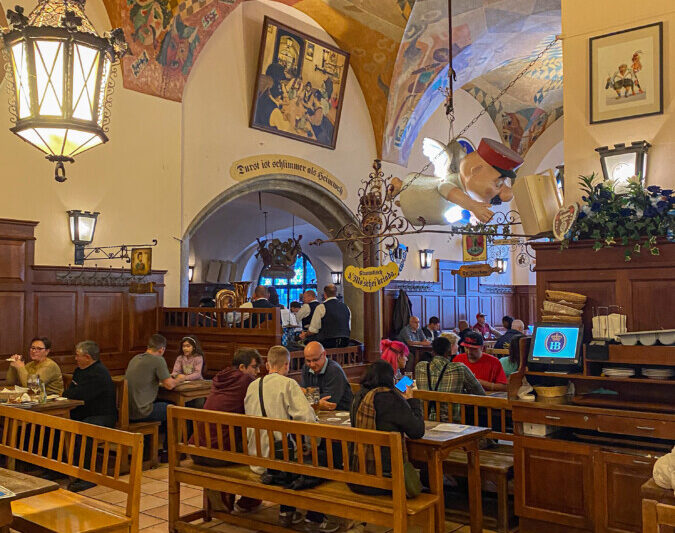
You might be drawn to a cozy corner where you can sit and enjoy a freshly baked pretzel or a cold drink, soaking in the vibrant market life.
Tips for Visitors
When
planning your visit to Viktualienmarkt, timing is everything. Go early to avoid the crowds that pack in later, especially on weekends. The market opens at 8:00 a.m., so aim for that.
- Wear comfortable shoes. The market spreads out, and you’ll do a lot of walking. Also, the weather can be unpredictable, so bring a light jacket or umbrella, just in case.
- Bring cash. Many vendors don’t accept cards, so it’s best to have some Euros on hand. There are ATMs in Marienplatz if you need to withdraw cash.
- No need to book tickets in advance—it’s a public market, so entry is free. Just stroll in and soak up the atmosphere.
Spring and early summer are perfect if you’re wondering when to go. Enjoy the vibrant colors and fresh produce without the intense midsummer heat.
Lastly,
pack light. You’ll want room for any goodies you buy, like cheese, sausages, or fresh fruit. Plus, it makes navigating the crowds easier. Enjoy your visit!
Accessibility and Facilities
The Viktualienmarkt is quite accessible, making it a great spot for everyone. The pathways are smooth, with stone tiles that are easy to navigate, even if you’re using a wheelchair or pushing a stroller.
There are accessible restrooms strategically placed around the market. They’re kept clean and easy to find, which is always a relief when spending a day out and about.
The market is teeming with food and drink options. From traditional Bavarian delicacies to French cheese and Spanish ham, there’s something for every palate. Many stalls also accept card payments, which is super convenient.
Parking can be a challenge. You might want to use public transport, as the Marienplatz U-Bahn and S-Bahn stops are nearby. Taking the train or bus can save you from the hassle of finding a parking spot, especially on busy weekends.
Unique Features
At Viktualienmarkt, you can explore a wide variety of specialty foods from Bavaria and other parts of Europe. Imagine tasting Spanish ham or savoring French cheese right in the heart of Munich!
The market isn’t just about food, though. The open-air setting adds to its charm. Picture yourself sipping a glass of rich, aromatic wine or a refreshing “
Maß Bier” while soaking in the lively atmosphere.
Local traders manage stalls, each offering unique products. Once, I chatted with a fruit vendor who had the juiciest strawberries I’ve ever tasted. His enthusiasm made the experience even more memorable.
Don’t miss the flower stalls. The vibrant blooms add a splash of color to the market’s ambiance. Watching flower ladies dance as they arrange their stunning bouquets makes you smile.
Viktualienmarkt is also a social hub. The square is lined with bars and restaurants, buzzing with energy, especially after work and on weekends. It’s a place where locals and tourists mingle, share stories, and enjoy the best Munich has to offer.
Pros and Cons
Pros:
- Vibrant Atmosphere: You’ll feel the lively buzz of Munich as you walk through Viktualienmarkt. The friendly vibes and bustling environment make it a pleasure to visit.
- Variety of Stalls: With around 140 stalls, there’s a fantastic variety of items to explore. You can find everything from fresh produce to meat, fish, and artisanal goods.
- Central Location: It’s right in the heart of downtown Munich. Whether you’re staying nearby or just visiting, it’s easily accessible.
- Cultural Experience: From the maypole to local traditions and festivities, you can immerse yourself in Bavarian culture.
- Foodie’s Paradise: The tantalizing smells of Bavarian specialties fill the air. You can try local delicacies or enjoy fresh coffee while you wander.
Cons:
- Crowds: Given its popularity, it can get very crowded, especially during peak times. Navigating through the crowds of people can be a challenge.
- Prices: Some stalls can be pricey compared to local grocery stores. You might find yourself paying a premium for the convenience and location.
- Weather Dependency: Since it’s an open-air market, bad weather can ruin your visit. An unexpected downpour might leave you scrambling for cover.
- Limited Space: With so many stalls packed into a relatively small area, it can feel cramped. Finding a spot to relax and enjoy your food might be tricky.
- Tourist Trap Potential: The market’s central location and popularity make it a prime tourist spot. While this adds to the atmosphere, some stalls might cater more to tourists than locals.
{“history”: “Originally located at Marienplatz, the market moved to its current location between Petersplatz and Frauenstrasse when it outgrew its original space. The name ‘Viktualien’ is an old German word for food supplies, reflecting its role as Munich‘s primary food market for over two centuries.”, “features”: [“140+ stalls selling fresh produce, meats, cheeses, and specialty foods”, “Traditional Bavarian beer garden with 600 seats”, “Six fountains dedicated to Munich folk singers and comedians”, “Flower stands and garden shops”, “Small restaurants and food stands”, “Seasonal decorations including famous Maypole”], “introduction”: “Viktualienmarkt is Munich’s most famous food market, a vibrant open-air marketplace in the heart of the Old Town that has been the city’s culinary epicenter since 1807. This 22,000-square-meter market features over 140 stalls offering everything from Bavarian specialties to exotic international delicacies.”, “significance”: “More than just a market, Viktualienmarkt is a social institution where Munich’s diverse population mingles daily. It represents the city’s commitment to fresh, quality food and maintaining traditional market culture in the modern era.”}
Cultural Context
Viktualienmarkt stands as Munich’s most culturally significant food market, embodying over 200 years of Bavarian tradition and representing the authentic heart of Munich’s culinary culture. Founded in 1807 when King Maximilian I Joseph ordered the relocation of the city’s central market from the overcrowded Marienplatz, this 22,000-square-meter market has evolved from a simple farmer’s market into a UNESCO-recognized example of traditional European food culture. The name “Viktualien” derives from the Latin “victus” (nourishment), reflecting 19th-century educated society’s preference for Latinized terminology. With over 140 permanent stalls operated by generations of family vendors, the market preserves traditional Bavarian food culture including regional specialties like Obatzda cheese, Leberkäse, white sausages, and pretzels served with sweet mustard. The central beer garden follows the sacred Bavarian tradition of communal outdoor drinking, where a rotating system ensures all six Munich breweries (Löwenbräu, Augustiner, Hofbräu, Spaten, Franziskaner, and Weissbier) share representation equally. Six fountains honor legendary Bavarian comedians and folk performers including Karl Valentin, Liesl Karlstadt, and Weiß Ferdl, while the iconic Maibaum (maypole) celebrates the Bavarian village tradition that connects urban Munich to its rural heritage. The market functions as a living museum of Munich culture, where locals conduct daily shopping alongside tourists, preserving authentic social traditions.
Historical Context
Viktualienmarkt’s origins date back to 1807 when King Maximilian I Joseph of Bavaria granted official permission to relocate Munich’s original farmers’ market from Marienplatz to its current location. This move was part of a broader urban planning initiative to accommodate the city’s growing population and improve the organization of trade. Over the 19th century, Viktualienmarkt evolved from a simple farmers’ market into a vibrant open-air market, reflecting Munich’s transformation during the Industrial Revolution. The market endured significant challenges, including damage during World War II bombings, but was carefully restored in the post-war period, preserving its traditional character while adapting to modern needs. Throughout its history, Viktualienmarkt has been a dynamic social and economic hub, serving as a meeting place for Munich residents and a showcase for local Bavarian produce, meats, cheeses, and flowers. Its continuous operation for over two centuries highlights its resilience and enduring importance in the city’s cultural and commercial life. Today, Viktualienmarkt stands not only as a marketplace but as a living historical institution, embodying Munich’s rich culinary traditions and community spirit in the heart of the city.