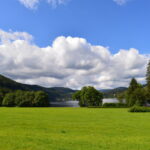
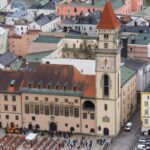
The Black Forest (Schwarzwald) stretches across 11,100 square kilometers of southwestern Germany, combining fairy-tale landscapes with authentic cultural traditions that shaped European clockmaking for over 350 years. Dense coniferous forests conceal charming half-timbered villages like Gengenbach and Triberg, where traditional cuckoo clock workshops continue centuries-old craftsmanship alongside Germany’s highest waterfalls cascading 163 meters through wooded valleys. The German Clock Route (Deutsche Uhrenstrasse) connects clockmaking towns across 320 kilometers of scenic mountain roads, while the Black Forest Open-Air Museum preserves 16th-19th century farmhouses demonstrating regional heritage including the famous Bollenhut traditional hats. Beyond tourist clichés, visitors discover authentic experiences: schnapps fountains along hiking trails where locals share small-batch brandies, traditional Fasnacht carnival celebrations with hand-carved wooden masks, and family-run distilleries producing kirsch cherry brandy essential for authentic Black Forest cake preparation.
The destination guide
Black Forest
Travel guides for Black Forest
Itineraries & day trips (1)
Things to do (2)
Destination stories (1)
At a glance
- German
- Dense pine forests
- Mountain valleys
- Cuckoo-clock villages
- Rhine falls
- {"name": "Cuckoo clock craftsmanship"}
- {"name": "German fairy tale landscapes"}
- {"name": "Traditional Black Forest culture"}
Practical basics
- Driving side
- Right
- Electrical standard
- 230V/50Hz Type C/F
- Measurement system
- Metric
- Emergency numbers
- 112
- Country code
- DE
How Black Forest scores
Character
Editorial scores on a 10-point scale, weighed against destinations of the same kind.
Travel safety snapshot
SafePlace indicators use their source 100-point scale; higher is more favourable. Planning context, not a live travel advisory — check official government guidance before you go.
When to go
Best months to visit: April, May, June, July, August, September and October.
- January: -10 to 1.6 degrees Celsius, 3 millimetres of rain, best-time score 2 out of 5.
- February: -8.8 to 3.4 degrees Celsius, 11.3 millimetres of rain, best-time score 2 out of 5.
- March: -3.4 to 9.4 degrees Celsius, 9.5 millimetres of rain, best-time score 3 out of 5.
- April: -1.6 to 11 degrees Celsius, 40.3 millimetres of rain, best-time score 4 out of 5.
- May: 4.6 to 16.8 degrees Celsius, 44.6 millimetres of rain, best-time score 5 out of 5.
- June: 9.5 to 23.9 degrees Celsius, 16.8 millimetres of rain, best-time score 5 out of 5.
- July: 12.9 to 25.2 degrees Celsius, 63.7 millimetres of rain, best-time score 4 out of 5.
- August: 12.3 to 26.2 degrees Celsius, 34.9 millimetres of rain, best-time score 4 out of 5.
- September: 9 to 22.1 degrees Celsius, 26.8 millimetres of rain, best-time score 5 out of 5.
- October: 1.8 to 15.3 degrees Celsius, 0.3 millimetres of rain, best-time score 5 out of 5.
- November: -3.6 to 7.9 degrees Celsius, 8.7 millimetres of rain, best-time score 3 out of 5.
- December: -8.1 to 2.6 degrees Celsius, 12.4 millimetres of rain, best-time score 2 out of 5.
Month-by-month conditions and packing advice
- January
- Cold weather, mostly dry January in Black Forest: winter cold and snow make a broad non-ski itinerary less flexible. Crowds: January is low tourist season in the Black Forest, catering mainly to winter sports enthusiasts and travelers drawn to snow-covered landscapes. Accommodation rates are generally lower than in summer, though ski areas such as Feldberg may see weekend crowd peaks. Outdoor activities are focused on skiing, snowshoeing, and winter hiking, with cultural experiences centered around cozy guesthouses, regional cuisine, and indoor attractions like local museums. Driving conditions can be challenging due to icy roads, so visitors should plan accordingly. This is an excellent time for those seeking peaceful, photogenic scenery without the bustle of summer tourism, but outdoor plans require proper gear for cold temperatures. Pack: Insulated winter coat with windproof shell; Thermal base layers for warmth; Waterproof snow boots with good traction; Wool hat and insulated gloves; Scarf or neck gaiter for wind protection; Camera with spare batteries for cold weather
- February
- Cold weather, mostly dry February in Black Forest: winter cold and snow make a broad non-ski itinerary less flexible. Crowds: February is low tourist season in the Black Forest, meaning fewer crowds and lower accommodation rates. The cold, mostly dry weather makes it prime time for winter sports such as cross-country skiing, snowshoeing, and sledding, particularly in higher elevations like Feldberg. While some hiking trails may be accessible, icy conditions demand caution. Many attractions operate reduced hours, but this quiet period offers a more intimate experience with local culture. Outdoor sightseeing is limited by the cold, so planning a mix of indoor and outdoor activities is ideal. Booking is flexible, though ski resort areas may still require early reservations on weekends. Pack: Thermal base layers for warmth; Insulated waterproof winter coat; Waterproof snow boots with good grip; Wool hat and insulated gloves; Layered sweaters or fleeces; Scarf or neck gaiter for wind protection
- March
- Cold weather, mostly dry March in Black Forest: cooler shoulder weather narrows hiking and outdoor plans. Crowds: March is considered a shoulder-season month in the Black Forest, ideal for travelers seeking solitude and authentic local life. Cold but largely dry conditions suit short hikes, village visits, and scenic drives, though some high-altitude trails may still be snowbound. Tourism is low, meaning accommodation prices are more favorable and attractions are less crowded. Outdoor photography benefits from the stark contrast between lingering snow and budding landscapes, but days remain short enough to plan activities carefully. Thermal spas and indoor cultural sites, like traditional clock-making workshops, offer cozy alternatives on chillier days. Booking ahead isn’t essential, but checking weather-dependent opening hours is recommended. Pack: Insulated jacket for cold mornings; Waterproof hiking boots with good grip; Thermal base layers for warmth; Wool or fleece hat and gloves; Reusable insulated water bottle; Smart-casual attire for village dining
- April
- Cold weather, some rain April in Black Forest: summer and spring buildup remain rewarding with crowd or rain planning. Crowds: April sits in the shoulder season for the Black Forest, offering a quieter alternative to the bustling summer months. Weather conditions are cool and varied, making it ideal for hiking lower-altitude trails, exploring spa towns like Baden-Baden, and visiting historic monasteries without large tour groups. Accommodation rates tend to be moderate, and many attractions reopen after winter closures, though some higher-elevation routes remain snow-affected. The cool temperatures and moderate rainfall mean packing for comfort and layering is essential. While wildflower blooms and increased daylight enhance the experience, travelers should be prepared for rapidly changing weather. This is an excellent month for photographers, nature enthusiasts, and cultural travelers who prefer authentic local encounters over peak-season crowds. Pack: Layered clothing including thermal base layers; Waterproof jacket for rain protection; Comfortable waterproof hiking shoes; Light scarf and gloves for chilly mornings; Camera with weather protection for misty conditions; Daypack for carrying layers and snacks on hikes
- May
- Cool weather, some rain May in Black Forest: forest hikes, spa towns, scenic drives, villages, lakes, and autumn color balance mild weather and trail access. Crowds: Late spring marks a shoulder season in the Black Forest, offering fewer crowds than summer but increasingly favorable weather for outdoor exploration. Hiking trails, scenic drives, and cycling routes are open and inviting, while local guesthouses and inns offer moderate pricing before the high summer demand. Daytime temperatures are ideal for active pursuits, though mornings and evenings remain cool. Occasional rain showers may require flexible planning, but they rarely disrupt full-day itineraries. May also coincides with regional festivals celebrating local crafts, music, and seasonal foods. Travelers can expect a relaxed pace, easier reservations, and a more intimate experience of both nature and culture before the arrival of peak-season tourism. Pack: Water-resistant hiking jacket for light rain; Layered clothing to adjust to cool mornings and warmer afternoons; Comfortable waterproof walking shoes; Light scarf or shawl for added warmth; Daypack for carrying snacks and extra layers; Compact umbrella for unexpected showers
- June
- Warm and pleasant, mostly dry June in Black Forest: forest hikes, spa towns, scenic drives, villages, lakes, and autumn color balance mild weather and trail access. Crowds: June marks the start of the Black Forest’s high season, when warm, sunny weather attracts hikers, cyclists, and cultural travelers. Trails are fully accessible, alpine huts are open, and outdoor festivals begin to fill local calendars. While it’s not yet peak summer crowd levels, weekends and popular routes can see steady traffic, especially around Titisee and Triberg. Accommodation prices rise compared to spring but remain more reasonable than July or August. This period offers the ideal blend of good weather and manageable crowds, making it excellent for multi-day hiking, scenic drives, and wine route explorations. Advance booking is advisable for popular guesthouses and guided tours, especially if visiting during regional events or holidays. Pack: Lightweight hiking trousers and moisture-wicking tops; Layered clothing including a warm evening jacket; Sturdy waterproof hiking boots; Compact rain jacket or windbreaker; Sunhat and high-SPF sunscreen; Daypack for water, snacks, and camera gear
- July
- Warm and pleasant, some rain July in Black Forest: summer and spring buildup remain rewarding with crowd or rain planning. Crowds: July is peak summer season in the Black Forest, attracting both German holidaymakers and international travelers. Trails, viewpoints, and heritage sites see higher foot traffic, and accommodation rates are at their annual peak. Warm, sunny days make it an excellent time for hiking, cycling, and cultural festivals, though afternoon showers may briefly alter outdoor plans. Advance booking is essential, especially for popular spa towns like Baden-Baden or Titisee. For a less crowded experience, early mornings and weekday excursions to smaller villages are recommended. Longer daylight hours mean more time to explore, but travelers should be prepared for variable mountain weather. Pack: Lightweight breathable layers for warm days and cool evenings; Comfortable waterproof hiking shoes; Compact travel umbrella or rain jacket; Sunhat and sunglasses for midday hikes; Reusable water bottle for long outdoor activities; Smart-casual attire for dining in traditional guesthouses
- August
- Warm and pleasant, some rain August in Black Forest: summer and spring buildup remain rewarding with crowd or rain planning. Crowds: August is peak summer travel season in the Black Forest, attracting both domestic and international visitors seeking nature escapes and alpine air. Trails, scenic drives, and popular viewpoints can be busy, and accommodation prices tend to be at their highest. Warm, stable weather supports hiking, cycling, and scenic railway rides, while village festivals and outdoor concerts offer cultural immersion. Afternoon showers are short-lived but worth planning around if undertaking longer hikes. Advance booking is recommended for accommodations and popular guided tours. The pleasant temperatures and extended daylight make this an ideal time for slow-paced exploration, though expect vibrant, bustling energy in main tourist hubs. Pack: Lightweight breathable hiking layers; Waterproof jacket for brief showers; Comfortable trail shoes or hiking boots; Reusable water bottle for long excursions; Wide-brimmed hat and sunglasses; Light sweater or fleece for cool mornings
- September
- Warm and pleasant, some rain September in Black Forest: forest hikes, spa towns, scenic drives, villages, lakes, and autumn color balance mild weather and trail access. Crowds: September marks a sweet spot for visiting the Black Forest—after the peak summer crowds but before the cooler, wetter days of late autumn. Conditions are ideal for hiking, cycling, and scenic drives along routes like the Schwarzwaldhochstraße, with comfortable daytime warmth and cool, restful nights. Tourism remains active but less intense, so accommodations are more available and slightly more affordable than in high summer. Seasonal events such as wine festivals and village harvest fairs are in full swing, offering travelers a cultural dimension to pair with outdoor exploration. Light rain is possible, but it rarely disrupts plans. Advance booking is still advisable for popular spa towns and guided tours. Pack: Lightweight layers for day-to-night temperature shifts; Sturdy waterproof hiking boots; Compact travel umbrella or rain jacket; Warm sweater or fleece for cool evenings; Camera with polarizing filter for autumn light; Smart-casual attire for village festivals and dining
- October
- Cool weather, mostly dry October in Black Forest: forest hikes, spa towns, scenic drives, villages, lakes, and autumn color balance mild weather and trail access. Crowds: October marks the Black Forest’s shoulder season, balancing mild crowds with spectacular scenery. While it’s not peak tourism, the autumn foliage attracts hikers, photographers, and those seeking a quieter, more contemplative atmosphere. Accommodation prices are generally lower than summer highs, though popular scenic towns may still see weekend demand. This is an excellent month for hiking, cycling, and visiting open-air museums, as trails remain accessible without snow cover. Cooler temperatures require layered clothing, especially for early morning starts or higher elevations. Seasonal wine festivals and harvest markets add cultural depth to visits, though some smaller attractions may reduce hours after September. Early booking is wise for foliage hotspots. Pack: Layered clothing for fluctuating daytime temperatures; Water-resistant hiking boots for trail exploration; Insulated jacket for chilly mornings and evenings; Scarf and gloves for higher-altitude excursions; Compact umbrella or light rain jacket for unexpected showers; Camera with spare batteries for autumn foliage photography
- November
- Cold weather, mostly dry November in Black Forest: cooler shoulder weather narrows hiking and outdoor plans. Crowds: Late November sits in the shoulder-to-off-season period in the Black Forest, making it ideal for travelers seeking tranquility over tourist bustle. Outdoor hiking is still possible on lower trails, but higher elevations may see icy or snow-dusted conditions. Attractions such as spa towns, museums, and historic villages remain open, often with seasonal decorations. Crowds are minimal, and accommodations tend to offer lower rates compared to summer. This is an excellent time for photography, local food experiences, and early Christmas markets, though daylight hours are short. Visitors should plan activities with an early start and dress for near-freezing mornings. Book rural stays in advance if targeting villages with renowned seasonal festivities. Pack: Insulated waterproof jacket for cold mornings; Sturdy hiking boots with good traction; Thermal base layers for extended outdoor time; Wool hat and gloves for frost-prone mornings; Casual smart layers for village dining; Compact umbrella for light, occasional rain
- December
- Cold weather, mostly dry December in Black Forest: winter cold and snow make a broad non-ski itinerary less flexible. Crowds: December marks the heart of winter in the Black Forest, attracting visitors seeking festive charm and snowy landscapes. While this is not peak hiking season, it is a prime time for Christmas market visits, scenic drives, and winter sports in areas like Feldberg. Crowds are moderate, concentrated around holiday events, and accommodation prices can rise near Christmas and New Year’s. Outdoor sightseeing requires cold-weather preparation, but the clear air and minimal rainfall make for pleasant, if brisk, conditions. Travelers should book festive season stays in advance, as popular villages fill quickly during holiday weekends. Short daylight hours mean prioritizing outdoor activities earlier in the day, with evenings best spent enjoying cozy restaurants or traditional holiday performances. Pack: Insulated winter coat rated for sub-zero temperatures; Thermal base layers for warmth; Waterproof winter boots with good grip; Wool hat, scarf, and gloves; Camera with spare batteries for cold weather; Smart-casual warm clothing for festive indoor events
- June
- July
- August
- September
- January
- February
- November
Peak season
- When
- June-September, December
- Crowds
- High, especially in popular towns and hiking areas
- Weather
- Warm in summer (avg. high 23°C/74°F); cold and snowy in winter
- What to do
- Summer: Hiking, visiting waterfalls in Triberg, swimming in lakes like Titisee. Winter: Skiing, snowshoeing, visiting Christmas markets.
Shoulder season
- When
- May, October-November
- Crowds
- Moderate, fewer tourists
- Weather
- Cooler but pleasant, with spring blooms or vibrant fall foliage
- What to do
- Hiking and mountain biking with beautiful scenery, attending wine and harvest festivals, driving the Black Forest High Road
Off season
- When
- January-April
- Crowds
- Low
- Weather
- Cold and often wet or snowy, with spring being the rainy season
- What to do
- Winter sports (esp. Jan-Feb), enjoying the quiet atmosphere, visiting spas in towns like Baden-Baden
Know before you go
Neighbourhoods
Freiburg im Breisgau is the gateway city, known for its Gothic minster, solar energy innovation, and the Bächle water channels running through medieval lanes. Baden-Baden in the north is a grand spa town with thermal baths, a casino, and parkland along the Oos River. Triberg in the central forest draws visitors for Germany’s tallest waterfall and cuckoo clock workshops. Titisee-Neustadt sits beside a glacial lake popular for swimming and boating. Gengenbach in the Kinzig Valley charms visitors with half-timbered facades and seasonal markets.
Getting there and around
Getting there
Access the Black Forest through three primary airports: Frankfurt Airport (FRA) offers the best international connections with ICE trains directly to Offenburg for scenic forest routes, taking 1.5-2 hours. Stuttgart Airport (STR) provides closer access at just 50km from the northeastern edge, requiring S-Bahn to Stuttgart central then onward trains. For ultimate convenience, Karlsruhe/Baden-Baden Airport (FKB) sits only 17km from Baden-Baden with bus #285 connections. High-speed rail lines serve Karlsruhe, Freiburg, Baden-Baden, and Offenburg via ICE, TGV, and Intercity services from major European cities. By car, the A5/E35 motorway borders the west, A81/E41 the east, A8/E52 the north, and A98/B34 the south, with excellent highway conditions year-round.
Getting around
Getting around the Black Forest is best done with a combination of regional trains and buses, both of which are remarkably efficient and well-integrated thanks to Germany’s superb public transport system. There are no metros or trams within the forest itself, but the KONUS Guest Card—available if you stay in participating accommodations—grants you free access to most public transportation across the entire Black Forest region, making it ideal for hopping between towns like Triberg, Baden-Baden, and Freiburg. While the villages are generally walkable, many scenic spots and hiking trailheads require a bus or car ride, so plan your days around the transit schedule, especially on Sundays when service is limited. Taxis are available but expensive, and rideshare services like Uber are limited outside major cities, so you’re better off using local cabs or pre-booking transport when needed.
Top experiences in Black Forest
Triberg Waterfalls
Germany’s highest waterfalls cascade 163 metres through seven stages down a steep, forested ravine near the town of Triberg. Well-maintained paths and wooden bridges allow visitors to climb alongside the falls, which are illuminated at night in summer. The surrounding forest is home to red squirrels and woodpeckers, and the town below is dotted with cuckoo clock shops and a Black Forest Museum.
Baden-Baden Thermal Baths
Baden-Baden has been a spa destination since Roman times. The Friedrichsbad (1877) offers a 17-step Roman-Irish bathing ritual in a Renaissance palace setting—no swimsuits allowed. The modern Caracalla Spa features indoor and outdoor mineral pools, saunas, and a rooftop terrace with views of the Oos Valley. Both draw their water from the same thermal spring at 68 °C.
Black Forest Open Air Museum Vogtsbauernhof
Six original farmhouses from across the region have been dismantled and reconstructed on this hillside site in Gutach. Each building—some dating to the 17th century—illustrates a different style of Black Forest timber-frame construction. Live demonstrations of breadbaking, schnapps distilling, and woodcraft bring rural life to life. The museum sits along the German Clock Road and the Black Forest Circular Trail.
Lake Titisee & Schluchsee
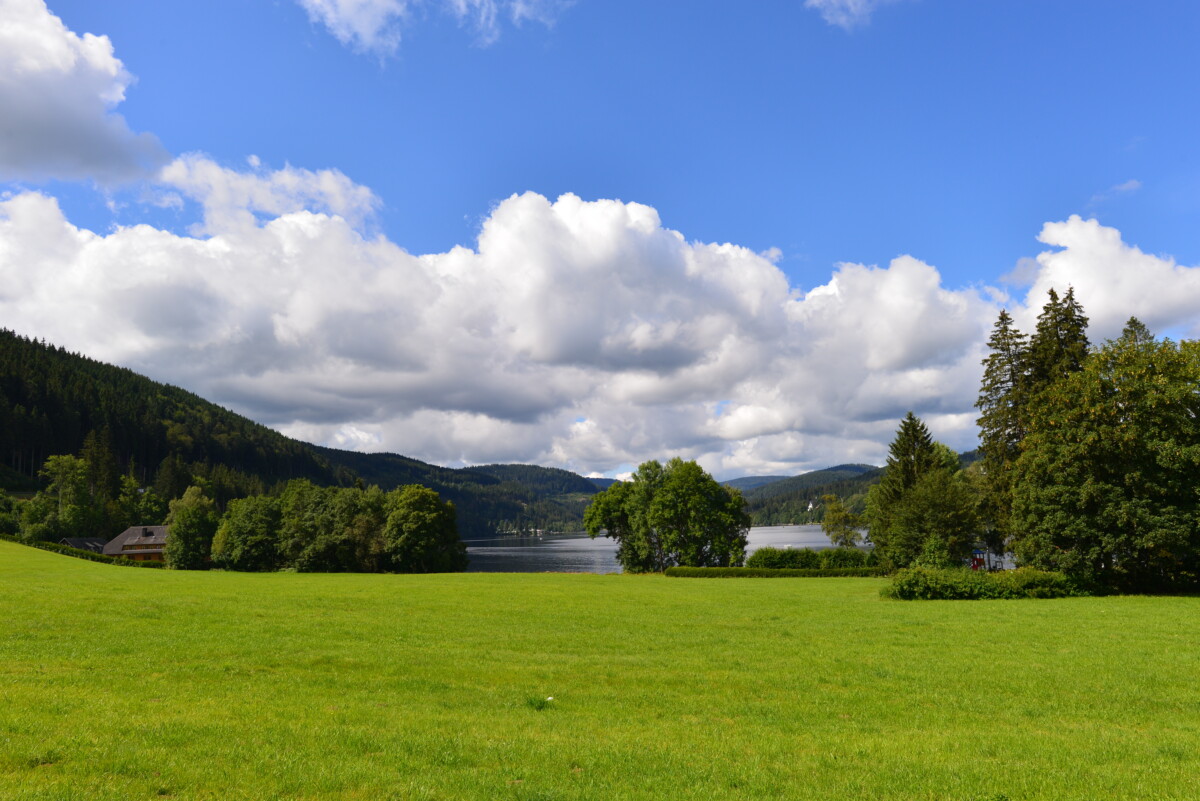
Two glacial lakes in the southern Black Forest. Titisee, rimmed by a promenade and boat-hire kiosks, is the more accessible and popular, with swimming beaches and stand-up paddleboard rentals. Schluchsee, the larger of the two at 5 km long, is quieter and surrounded by a well-marked 18-km circuit trail through spruce forest. Both lakes freeze in hard winters, offering a different landscape.
Black Forest High Road (B500)
The Schwarzwaldhochstraße is a 60-km scenic driving route running along the ridgeline from Baden-Baden to Freudenstadt at elevations up to 1,000 metres. The road passes through dense fir forests, mountain meadows, and panoramic viewpoints overlooking the Rhine plain to the Vosges. Layby lookouts, hiking trailheads, and traditional Gasthäuser (country inns) line the route, making it one of Germany’s most celebrated drives.
Editor-curated picks carried over from our original guide. Where a full place guide exists, the card links to it.
Worth booking ahead in Black Forest
Hand-picked from the operators our guides already send readers to. Prices and availability are live on the partner site.
Day tripViator
Neuschwanstein and Linderhof royal castles day tour (opens Viator in a new tab)
Both royal castles and the coach in one long day; the practical way to see them from Munich without a car.
Where to stayBooking.com
Stays in Black Forest (opens Booking.com in a new tab)
Live rates and availability for Black Forest on Booking.com; filter by neighbourhood once you know where your days start.
We earn a commission if you book through these links, at no extra cost to you. It is how we keep the guides free and independent.
Where to stay
Colombi Hotel Freiburg
Herrenstraße 12, 79098 Freiburg im Breisgau, Germany
Five-star boutique hotel in the heart of Freiburg’s Old Town with medieval architecture, a rooftop spa, indoor pool, and access to the Minster Square.
Treschers Schwarzwaldhotel
Hinterzarten, 79856 Titisee, Germany
Grand lakeside spa hotel at Titisee with panoramic forest views, a wellness centre, indoor and outdoor pools, and traditional Badisch cuisine.
Hotel Berghäusle
Berghäusle 19, 77889 Sasbachwalden, Germany
Family-run countryside guesthouse in the northern Black Forest with rustic-luxe rooms, a garden terrace, and hiking trails beginning at the doorstep.
Editor-curated stays carried over from our original guide. Where we have reviewed the hotel, the card links to the review.
Tips from the field
Highlights
- Germany's enchanting Black Forest offers breathtaking scenery, rich history, and unique cultural experiences.
Local experiences
- Black Forest cuisine features hearty, rustic dishes that reflect the region's woodworking heritage and mountain environment. The world-famous Schwarzwalder Kirschtorte (Black Forest cake) originated here, featuring chocolate sponge, whipped cream, sour cherries, and Kirschwasser cherry brandy. For authentic preparation, Cafe Schafer in Triberg continues the original 1915 recipe. Regional specialties include Schwarzwalder Schinken (Black Forest ham), a dry-cured, smoked ham with intense flavor. Traditional Gasthofs serve hearty Swabian dishes including Maultaschen (large pasta pockets with meat and spinach), Spatzle egg noodles, and game meats from surrounding forests. The region's craftsmanship tradition extends to food preparation and preservation methods.
Practical tips
- Attend the Alemannic Fastnacht parades in Rottweil or Villingen-Schwenningen during January or February and engage with guild members after the parade to learn about the symbolism behind the hand-carved wooden masks.
- Book a visit to a family-run cuckoo clock workshop around Triberg or Furtwangen where you can sand linden wood, watch the hand-painting process, and learn how the bird calls are tuned.
- Join a Kleinbrennerei (small farm distillery) in the Kinzig Valley during fruit harvest season (late summer to early autumn) to help stoke the copper still and taste raw eau-de-vie like Kirsch or Zwetschge straight from the pipe.
- Purchase multi-day regional transport passes and use local apps for real-time updates, then explore Freiburg’s University Quarter on foot and rent a bike to access nearby art venues like Kunsthalle Messmer in Riegel.
- Visit the Hans-Thoma-Kunstmuseum in Bernau to see Symbolist paintings set within the Black Forest landscape and attend a live village brass band concert during summer festivals.
Timing
- Black Forest hosts seasonal festivals throughout the year including spring cultural events, summer music festivals, autumn harvest celebrations, and winter holiday markets. Check local event calendars for specific dates and celebrations unique to Black Forest.
Culture, customs and safety
Cultural heritage
The Black Forest (Schwarzwald) region of southwestern Germany is steeped in cultural folklore, artisanal traditions, and historical significance. Renowned for its dense evergreen forests and fairy-tale landscapes, it has inspired legends such as those collected by the Brothers Grimm. Architecturally, the region is famous for its timber-framed farmhouses with low-hanging roofs, many dating back to the 16th and 17th centuries. Cultural traditions endure in the form of wood carving, cuckoo clock craftsmanship (especially in towns like Triberg and Schonach), and regional costumes still worn during festivals. While not a UNESCO World Heritage site in itself, the area borders the prehistoric pile dwellings of the Alpine region, which are inscribed on the UNESCO list and include sites on Lake Constance near the forest’s edge.
Local customs & etiquette
The Bollenhut tradition defines Black Forest identity – unmarried women wear hats with eleven red woollen balls (up to 2kg weight), while married women wear black ones, worn only in Gutach, Wolfach-Kirnbach, and Hornberg-Reichenbach communities. Cuckoo clock craftsmanship represents 350+ years of heritage, with authentic timepieces still handmade by generational workshops following 18th-century techniques. Regional Fasnacht festivals showcase elaborate masks and costumes, while Christmas markets overflow with handcrafted wooden goods. Local etiquette emphasizes respect for traditional farms housing families downstairs and animals upstairs, often topped with modern solar panels. Schwarzwälder Kirschtorte must contain kirschwasser cherry brandy to earn authentic designation. During cultural events and religious holidays, traditional folk costumes emerge, preserving customs beyond tourist clichés.