

Koblenz, situated at the confluence of the Rhine and Moselle rivers, is a picturesque city known for its stunning landscapes and rich history. The iconic Deutsches Eck, where the two rivers meet, is a must-visit landmark. With its charming old town, historic castles, and vibrant cultural scene, Koblenz offers a delightful experience for visitors.
The destination guide
Koblenz
Travel guides for Koblenz
Things to do (1)
More guides featuring Koblenz (5)
At a glance
Currency€ EURCode: EUR
Time zoneCentral European Time
Languages
- German
Setting
- Rhine-Moselle confluence
- Deutsches Eck
- Fortress hilltop
- River valley
Known for
- River tourism
- Medieval and Baroque architecture
- Military history
- Wine culture
Population115K115,268 residents
VisaDuration: Up to 90 days within any 180-day period in the Schengen Area · Documents: Valid passport issued within the last 10 years and valid for at least 3 months after planned departure, plus proof of accommodation, onward or return travel, and sufficient funds if requested
How Koblenz scores
6/10OverallFair
Weather7/10
Value for money7/10
Safety8/10
Food & cuisine7/10
Culture & arts6/10
Cultural experience8/10
History9/10
Nature & outdoors8/10
Adventure4/10
Nightlife6/10
Shopping6/10
Family friendly5/10
Romance8/10
Character
Photography score7/10
Authenticity score10/10
Off-the-beaten-path score7/10
Editorial scores on a 10-point scale, weighed against destinations of the same kind.
Travel safety snapshot
Overall85/100High rating
Women travellers82/100
LGBTQ+ travellers85/100
Theft70/100
Medical care80/100
Physical harm88/100
Political freedom80/100
SafePlace indicators use their source 100-point scale; higher is more favourable. Planning context, not a live travel advisory — check official government guidance before you go.
When to go
Best months to visit: April, May, June, July, August, September and October.
- January: -0.5 to 4.2 degrees Celsius, 15.2 millimetres of rain, best-time score 2 out of 5.
- February: -0.1 to 6.6 degrees Celsius, 13.7 millimetres of rain, best-time score 2 out of 5.
- March: 2 to 9.9 degrees Celsius, 18.6 millimetres of rain, best-time score 3 out of 5.
- April: 4.4 to 14.8 degrees Celsius, 10.3 millimetres of rain, best-time score 4 out of 5.
- May: 6.6 to 16.1 degrees Celsius, 18.1 millimetres of rain, best-time score 5 out of 5.
- June: 11.4 to 21.3 degrees Celsius, 30.3 millimetres of rain, best-time score 5 out of 5.
- July: 12.6 to 22.4 degrees Celsius, 17.3 millimetres of rain, best-time score 4 out of 5.
- August: 14.2 to 24.1 degrees Celsius, 30.5 millimetres of rain, best-time score 4 out of 5.
- September: 10.7 to 20.7 degrees Celsius, 13.8 millimetres of rain, best-time score 5 out of 5.
- October: 6.5 to 13.7 degrees Celsius, 21.3 millimetres of rain, best-time score 4 out of 5.
- November: 4 to 9.3 degrees Celsius, 10.2 millimetres of rain, best-time score 2 out of 5.
- December: 0.7 to 4.7 degrees Celsius, 14.2 millimetres of rain, best-time score 3 out of 5.
Month-by-month conditions and packing advice
- January
- Cold weather, mostly dry January in Koblenz: cold, gray winter with short days and many river cruises and outdoor sights closed or quiet. Crowds: January in Koblenz falls firmly in the off-season, offering a serene experience for travelers who prefer cultural immersion without the bustle of summer crowds. Accommodation rates are lower, and attractions such as the Deutsches Eck monument, Romanesque churches, and winter markets can be enjoyed in relative tranquility. Outdoor excursions like river cruises are limited, but the cold weather enhances the appeal of indoor cultural activities, from museums to cozy wine taverns serving regional Rieslings. Visitors should be prepared for short daylight hours, brisk temperatures, and the need for warm clothing, but they are rewarded with an authentic local atmosphere and quieter streets that allow for unrushed exploration of the city’s layered history. Pack: Insulated winter coat for sub-zero mornings; Thermal base layers for extended outdoor walking; Water-resistant boots with good traction for icy paths; Woolen hat and scarf to protect against damp cold; Gloves suitable for using a camera or phone outdoors; Smart casual layers for dining in wine taverns and cafes
- February
- Cold weather, mostly dry February in Koblenz: still cold and quiet with low temperatures, though Carnival season adds some local festivity. Crowds: Travelers visiting Koblenz in February will encounter low tourist numbers and a serene atmosphere across the city’s UNESCO-listed Old Town. This is firmly off-peak season, meaning lower accommodation rates and more space to explore landmarks like the Deutsches Eck or Ehrenbreitstein Fortress without crowds. Cold temperatures limit extended outdoor activities, though short riverside walks and cultural site visits remain enjoyable. Seasonal festivals, such as Fasching (Carnival), add bursts of vibrancy, with parades and costumes bringing color to the winter landscape. While river cruises are limited, this month provides excellent opportunities for cultural immersion and photography without the bustle of peak season. Planning ahead for indoor experiences, such as museums and wine cellars, ensures a rewarding winter visit. Pack: Insulated winter coat for cold days; Thermal base layers for layering comfort; Water-resistant boots for damp streets; Warm hat, gloves, and scarf; Smart-casual attire for traditional taverns; Umbrella for occasional light showers
- March
- Cool weather, mostly dry March in Koblenz: early spring brings milder days and budding vineyards, with thin crowds and low prices. Crowds: Travelers visiting Koblenz in March will find it a shoulder-season destination with moderate visitor numbers and generally affordable accommodation rates. The cooler conditions favor cultural exploration—such as touring Ehrenbreitstein Fortress or enjoying museums—over extended outdoor relaxation. Crowds remain sparse compared to summer, offering more personal space at key sites. However, evenings can feel brisk, limiting late-night riverfront walks unless properly dressed. The weather may not yet support vineyard tours in full bloom, but the early-season calm offers authentic encounters with local life. Booking flexibility is high, making March a strategic choice for travelers prioritizing atmosphere over peak-season bustle. Pack: Warm jacket suitable for early spring temperatures; Layered clothing to adjust between cool mornings and milder afternoons; Comfortable waterproof shoes for walking along river paths; Scarf and gloves for chilly evenings; Umbrella or compact raincoat for occasional showers; Smart-casual attire for indoor cultural visits and dining
- April
- Cool weather, mostly dry April in Koblenz: pleasant spring weather and blooming landscapes along the Rhine and Mosel, with manageable crowds. Crowds: April offers a shoulder-season sweet spot in Koblenz. Weather conditions are suitable for walking tours, riverfront cycling, and hiking in the surrounding hills, though layering is key for cool mornings. Tourist numbers remain moderate, as the peak Rhine cruise season and major festivals are still weeks away. This means smaller crowds at Ehrenbreitstein Fortress and other heritage sites, along with better hotel availability at reasonable rates. The emerging spring greenery makes wine country excursions appealing, but evenings are still too cool for extended outdoor dining. For travelers, April provides a quieter cultural experience at more affordable prices, with the added benefit of fewer queues and more intimate access to local landmarks. Advance booking isn’t as essential as in summer, but reserving popular accommodations near the riverfront ensures the best views of the awakening landscape. Pack: Layered clothing including sweaters and light jackets; Water-resistant walking shoes for city and riverside paths; Compact umbrella or rain jacket for occasional showers; Scarf and light gloves for cool mornings and evenings; Smart-casual attire for dining and wine tastings; Daypack for carrying layers and essentials on hikes
- May
- Cool weather, mostly dry May in Koblenz: mild, blooming late spring is ideal for hiking, cycling and river cruising before peak crowds. Crowds: May is shoulder season in Koblenz, offering a balance between pleasant weather and manageable crowd levels. While not yet peak tourist season, many attractions are fully open, and the city begins to see more visitors, especially on weekends. Hotel rates and river cruise pricing remain reasonable compared to summer, making it an advantageous time for budget-conscious travelers. Outdoor activities such as hiking the Moselsteig Trail, wine tasting in the Middle Rhine Valley, and cycling along the riverbanks are particularly enjoyable thanks to mild conditions. Evenings can still feel brisk, but overall the climate allows for long days outdoors without the intensity of summer crowds. Booking river cruises or guided tours in advance is recommended as demand increases closer to June. Pack: Light jacket for cool evenings; Comfortable walking shoes for cobblestone streets; Compact umbrella for occasional showers; Layered clothing to adjust to temperature shifts; Scarf for river breezes; Daypack for wine country excursions
- June
- Warm and pleasant, some rain June in Koblenz: warm early-summer days with lush green vineyards and long daylight make for excellent river touring. Crowds: June represents the start of high travel season in Koblenz, offering balanced weather that supports river cruises, castle visits, and long city walks without the extremes of midsummer heat. Tourist activity begins to rise steadily, meaning popular spots such as Deutsches Eck and Ehrenbreitstein Fortress will be busier but still manageable compared to July and August. Accommodation prices show a modest uptick as the season gains momentum. The weather provides a prime window for cycling along the Rhine or sampling regional wines at outdoor terraces, though occasional rain showers may interrupt plans. Booking accommodation early ensures better rates and locations near the Old Town, while flexible schedules allow visitors to adapt activities around brief rainy spells. Pack: Light jacket or sweater for cooler evenings; Comfortable walking shoes for cobblestone streets; Compact umbrella or waterproof jacket for passing showers; Breathable tops and trousers for daytime comfort; Daypack for carrying water and festival essentials; Smart-casual outfit suitable for wine tastings and cultural events
- July
- Warm and pleasant, mostly dry July in Koblenz: warm summer weather is great for cruises and festivals, though the Rhine can get crowded. Crowds: July represents the peak of Koblenz’s summer tourism season, with warm weather and extended daylight creating excellent conditions for outdoor exploration. Travelers can expect busier river cruises, wine tastings, and cultural events, especially as local festivals attract both regional visitors and international tourists. Accommodation prices rise accordingly, so early booking is strongly advised. The mostly dry conditions favor activities like hiking trails through the Rhine Gorge, cycling along the Moselle, or evening strolls through the Altstadt. Crowds are more noticeable at key attractions such as Ehrenbreitstein Fortress, but the comfortable climate makes waiting or detouring less of a burden. For budget-conscious travelers, it may be better to plan midweek stays or venture into smaller surrounding villages for more affordable lodging while still enjoying the same weather benefits. Pack: Light cotton or linen shirts for daytime warmth; Comfortable walking sandals or sneakers for riverside exploration; Light waterproof jacket for occasional summer showers; Sunhat and sunglasses for long daylight hours; Modest outfit options for visiting churches and historical sites; Reusable water bottle to stay hydrated during outdoor tours
- August
- Warm and pleasant, some rain August in Koblenz: hot summer days with wine festivals beginning, though peak tourism keeps the Rhine busy. Crowds: August marks one of the most lively periods in Koblenz’s calendar, coinciding with peak tourist season across Germany. The warm, reliable weather draws both domestic and international visitors, so popular river cruises and wine region excursions often sell out quickly. Hotel prices and crowds are elevated, particularly around weekends when festivals and outdoor concerts take place. Travelers benefit from extended daylight hours, making it possible to combine cultural sightseeing with leisurely evenings at riverside cafes. However, expect higher demand for accommodations near the Old Town and along the riverfront. Booking several weeks in advance is strongly recommended. Despite the busier atmosphere, August offers some of the best conditions for immersing in Koblenz’s cultural life, from open-air performances to exploring the historic vineyards that thrive in the summer warmth. Pack: Lightweight breathable clothing for warm days; Compact umbrella or packable rain jacket; Comfortable walking shoes for cobblestone streets; Sunhat and sunglasses for river cruises; Light sweater or scarf for cooler evenings; Smart-casual outfit for wine tastings and cultural events
- September
- Warm and pleasant, mostly dry September in Koblenz: golden autumn light, wine-harvest festivals and warm days make it a top time to visit. Crowds: September offers travelers near-ideal conditions for exploring Koblenz, falling squarely within the shoulder season. The weather remains mild and welcoming for vineyard tours, river cruises, and city walks, while the influx of peak summer tourists has eased. Crowds thin, making popular sites like Ehrenbreitstein Fortress or Deutsches Eck more relaxed to visit. Accommodation rates and ticket prices often moderate compared to July and August, providing good value for extended stays. Wine festivals tied to the grape harvest create vibrant cultural opportunities. Outdoor seating at cafés and beer gardens remains appealing, though evenings can feel cool. For travelers seeking balance between good weather, cultural events, and manageable crowd levels, September is one of the most rewarding months to visit Koblenz. Booking remains recommended for festival weekends but is generally easier than during the peak summer holiday season. Pack: Light jacket for cool evenings; Comfortable walking shoes for cobblestone streets; Reusable water bottle for daytime excursions; Scarf or shawl for variable temperatures; Casual but neat clothing suitable for wine festivals; Umbrella or compact rain jacket for brief showers
- October
- Cool weather, mostly dry October in Koblenz: peak wine-harvest season with colorful foliage and lively festivals as temperatures cool. Crowds: Travelers visiting Koblenz in October will find a quieter, shoulder-season atmosphere. The weather is cool but manageable for walking tours, vineyard visits, and river cruises without the high summer crowds. Accommodation rates generally ease after peak season, though weekends tied to autumn wine festivals may still see fuller bookings. Outdoor activities remain appealing, though layering becomes essential as temperatures drop quickly after sunset. This is an excellent time for cultural tourism, from castle excursions to museum visits, paired with seasonal harvest events that enrich the experience. While river levels and cruise schedules remain favorable, shorter daylight hours encourage earlier starts. Those seeking a balance of affordability, cultural vibrancy, and crisp autumn landscapes will find October an inviting month to explore Koblenz. Pack: Warm layers including sweaters and a medium-weight jacket; Comfortable waterproof walking shoes for cobblestone streets; Scarf and gloves for cooler mornings and evenings; Compact umbrella for light autumn showers; Camera with extra batteries for fall foliage photography; Smart-casual attire suitable for wine taverns and cultural sites
- November
- Cool weather, mostly dry November in Koblenz: cold, damp late autumn with fading daylight and many seasonal activities winding down. Crowds: November represents the shoulder season in Koblenz, with fewer tourists and a quieter ambiance compared to the bustling summer months. Accommodation prices typically drop, offering good value for those seeking cultural depth without crowds. Outdoor exploration is possible thanks to the relatively dry conditions, though cooler temperatures may limit long hikes or extended river cruises. Instead, this month is ideal for enjoying museums, cozy wine taverns, and the early preparations for holiday markets. Photography enthusiasts benefit from the misty mornings and atmospheric riverfronts, though shorter daylight hours mean planning outings earlier in the day. Travelers should be prepared for brisk evenings and intermittent grey skies but can enjoy a more authentic, local pace of life. Pack: Insulated jacket for chilly evenings; Comfortable waterproof walking shoes; Wool scarf and gloves for riverfront strolls; Layered sweaters for daytime exploration; Compact umbrella for occasional showers; Smart casual attire for wine taverns and restaurants
- December
- Cold weather, mostly dry December in Koblenz: cold winter but festive Christmas markets bring warmth and charm to the riverside city. Crowds: December is firmly off-peak in Koblenz, aligning with the low winter tourism season. This means significantly fewer crowds at cultural landmarks and more affordable hotel rates compared to warmer months. The main draw for travelers during this time is the city’s Christmas markets and festive atmosphere, with stalls offering regional crafts, glühwein, and seasonal foods. Outdoor sightseeing is possible but requires bundling up against the damp cold and short daylight hours. River cruises operate on limited schedules, and vineyard visits focus more on tastings than vineyard walks due to the dormant season. For travelers who prefer atmospheric, intimate experiences over peak-season bustle, December offers excellent value and a chance to engage with local traditions at a slower pace. Pack: Thermal base layers for insulation under regular clothing; Water-resistant winter coat for cold and damp conditions; Insulated gloves, hat, and scarf to protect against frosty air; Waterproof walking boots with good grip for icy streets; Smart casual warm wear for indoor dining and cultural events; Compact umbrella for light December rain or sleet
Peak season
- July
- August
- May
- June
- September
Off-peak
- January
- February
- November
- December
- March
- April
Know before you go
About
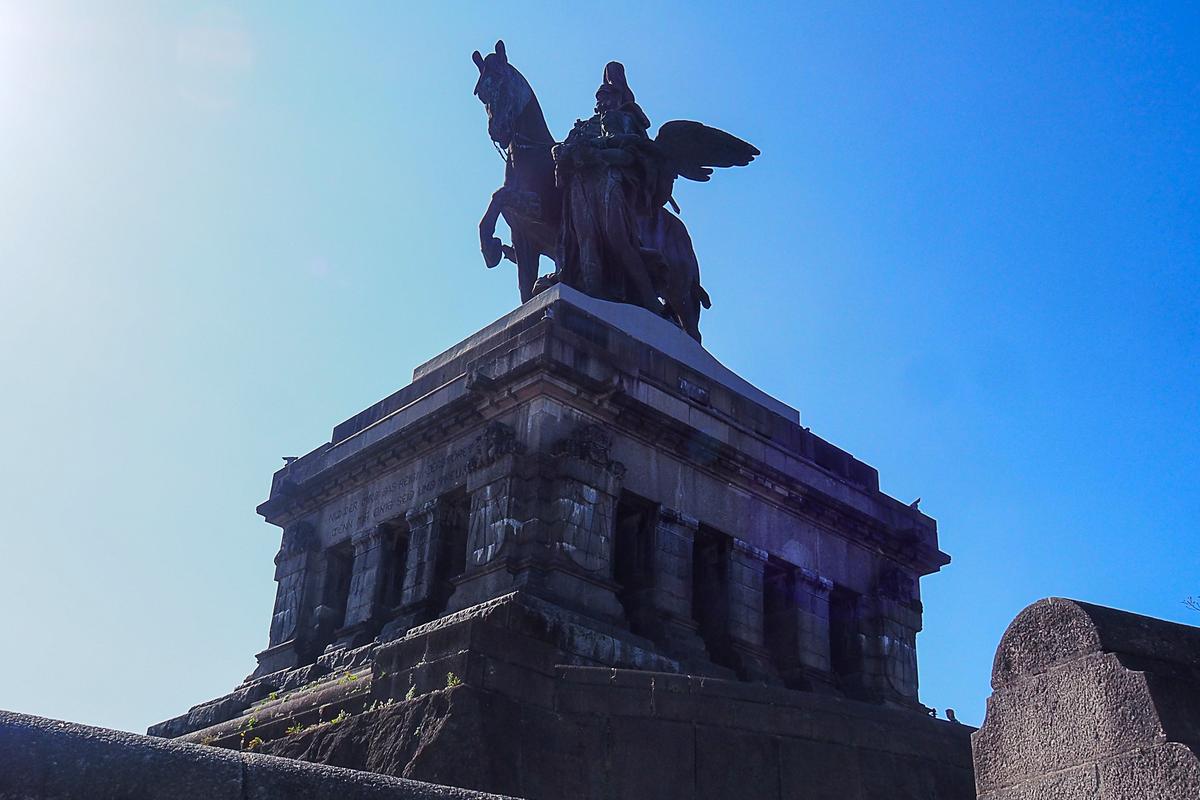
Koblenz, in Germany’s Rhineland-Palatinate, sits at the dramatic meeting of the Rhine and Moselle rivers, a 2,000-year-old city whose very name comes from the Latin Confluentes, or merging of rivers. Founded as a Roman military post around 9 BC and today home to about 113,000 residents, it is one of the gateways to the UNESCO-listed Upper Middle Rhine Valley. Its signature sight is the Deutsches Eck, the German Corner spit of land at the river junction, crowned by a grand 1897 equestrian statue of Kaiser Wilhelm I. Across the Rhine looms the mighty Ehrenbreitstein Fortress, one of Europe’s largest preserved strongholds, reached by a cable car that glides over the river for sweeping views. Visitors stroll the old town’s squares and churches, board scenic Rhine cruises past terraced vineyards and hilltop castles, and sample regional Riesling. With its river setting and deep history, Koblenz makes a classic base for exploring the romantic Rhine and Moselle.
Best time to visit
The best time to visit Koblenz is during the late spring (May to June) and early fall (September to October) when the weather is mild and the city hosts various festivals. Summer can be warm and lively, while winter offers a cozy atmosphere with Christmas markets.
Getting there and around
Getting there
Koblenz is accessible via Germany’s extensive rail network and regional airports. The city connects to Berlin, Munich, Hamburg, and other German cities via train and autobahn networks.
Getting around
Koblenz provides efficient public transportation including U-Bahn, S-Bahn, buses, and trams. The city is very bike-friendly with extensive cycling infrastructure.



Worth booking ahead in Koblenz
Hand-picked from the operators our guides already send readers to. Prices and availability are live on the partner site.
Day tripViator
Neuschwanstein and Linderhof royal castles day tour (opens Viator in a new tab)
Both royal castles and the coach in one long day; the practical way to see them from Munich without a car.
Where to stayBooking.com
Stays in Koblenz (opens Booking.com in a new tab)
Live rates and availability for Koblenz on Booking.com; filter by neighbourhood once you know where your days start.
We earn a commission if you book through these links, at no extra cost to you. It is how we keep the guides free and independent.
Where to stay
Hotel Stein
Am Plan 2, 56068 Koblenz, Germany
Editor-curated stays carried over from our original guide. Where we have reviewed the hotel, the card links to the review.
Tips from the field
Highlights
- Deutsches Eck monument
- Ehrenbreitstein Fortress
- Schloss Koblenz (Electoral Palace)
- Basilica of St. Castor
- Cable car ride over the Rhine
Best activities
- Visit Deutsches Eck, the confluence of Rhine and Moselle rivers
- Explore Ehrenbreitstein Fortress and enjoy panoramic views
- Take a stroll through Görresplatz for shopping and dining
- Visit the Basilica of St. Castor, the oldest church in Koblenz
Practical tips
- Purchase a Koblenz Card for discounts on attractions and public transport
- Use the cable car for easy access to Ehrenbreitstein Fortress
- Many attractions are within walking distance in the city center
Keeping it authentic
- Visit the Schängel Fountain, a symbol of the city with local folklore
- Explore the historic Altstadt (Old Town) for authentic German architecture
Culture, customs and safety
Cultural heritage
Koblenz preserves over 2,000 years of European cultural crossroads heritage, where Roman military strategy, medieval Rhine trade, and German romantic traditions created one of the most historically significant river confluence cities in Central Europe. The city maintains its role as guardian of Rhine and Moselle river culture while preserving significant Roman, medieval, and Prussian architectural heritage. Koblenz cultural heritage encompasses Roman frontier culture, medieval river trading traditions, German Romantic movement connections, and contemporary Rhine valley cultural preservation that continues to represent the heart of German river valley civilization and European cultural continuity.
Local customs & etiquette
In Koblenz, greet with ‘Guten Tag’ and maintain punctuality – it’s extremely important. Germans value directness and efficiency in communication.


Activities