Frankfurt anchors Germany’s financial sector as “Mainhattan” while preserving medieval heritage along the River Main, where towering skyscrapers housing European Central Bank and international corporations overlook reconstructed Römerberg square with its colorful half-timbered buildings rebuilt after WWII destruction. The city’s cultural significance extends through Museumsufer (Museum Embankment), a 1980s-designed cultural district featuring world-class institutions including Städel Museum’s 700-year art collection spanning Botticelli to contemporary works, plus Historisches Museum Frankfurt built over 11th-century Staufer Castle foundations. Authentic experiences include Kleinmarkthalle’s international food market serving traditional Frankfurt sausages and regional specialties, Main Tower observation deck offering panoramic views across Europe’s banking epicenter, and river walks connecting Holy Roman Empire coronation sites with modern art installations. The city balances international business culture with German traditions through seasonal festivals, Christmas markets, and neighborhood bistros serving regional Hessian cuisine alongside cosmopolitan dining reflecting its multinational population.
The destination guide
Frankfurt
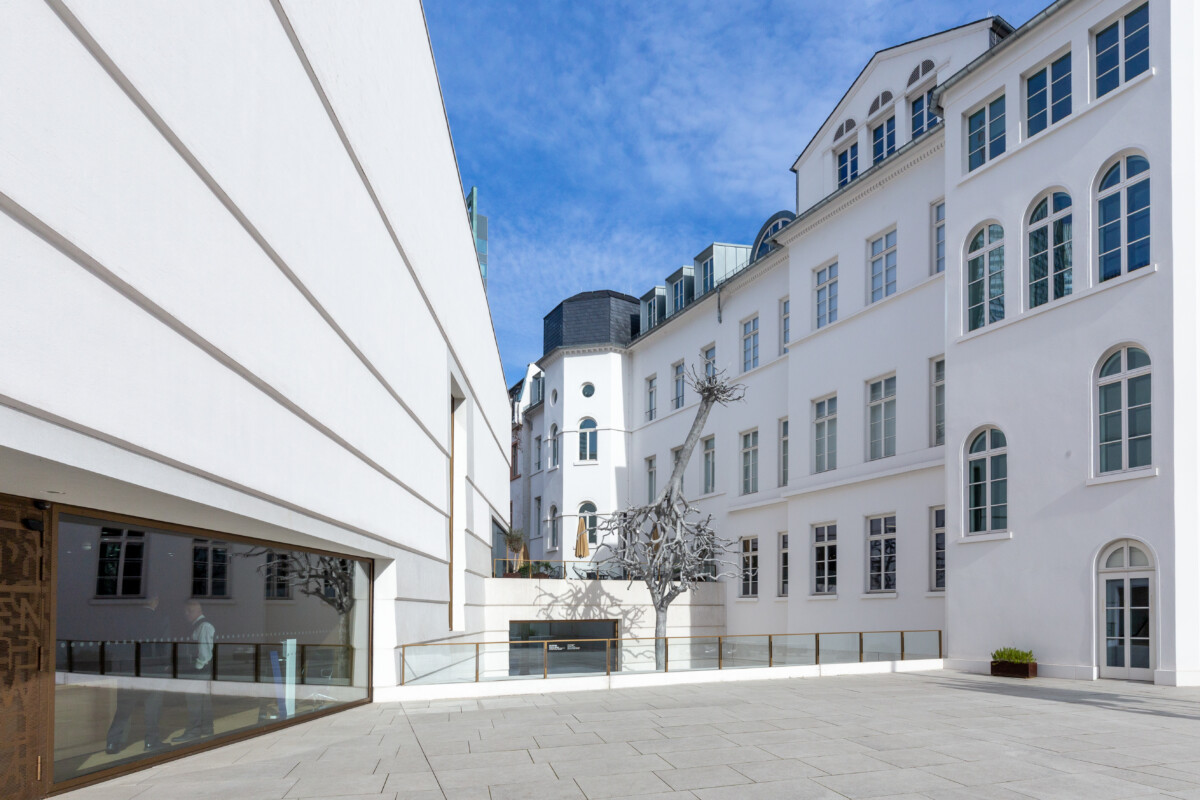
Frankfurt is “Mainhattan” — a banking skyline alongside medieval Römerberg square, apple wine taverns, and a riverfront that comes alive at sunset.
Travel guides for Frankfurt
Things to do (5)
Where to stay (1)
Food & drink (1)
More guides featuring Frankfurt (1)
At a glance
- German
- Main River city
- Urban skyline
- Financial center
- Green belt parks
- Finance & Skyline
- Art & Museums
- History
- Food & Drink
- Architecture
- Trade Fairs
- Christmas Markets
- River Promenade
How Frankfurt scores
Character
Editorial scores on a 10-point scale, weighed against destinations of the same kind.
Travel safety snapshot
SafePlace indicators use their source 100-point scale; higher is more favourable. Planning context, not a live travel advisory — check official government guidance before you go.
When to go
Best months to visit: April, May, June, July, August, September, October and December.
- January: 0.2 to 5.3 degrees Celsius, 70.3 millimetres of rain, best-time score 2 out of 5.
- February: 0.8 to 7.8 degrees Celsius, 52.9 millimetres of rain, best-time score 2 out of 5.
- March: 2.4 to 11.4 degrees Celsius, 51.1 millimetres of rain, best-time score 3 out of 5.
- April: 5.3 to 15.5 degrees Celsius, 51.1 millimetres of rain, best-time score 4 out of 5.
- May: 9.8 to 19.8 degrees Celsius, 71.6 millimetres of rain, best-time score 5 out of 5.
- June: 14.7 to 25.2 degrees Celsius, 64.6 millimetres of rain, best-time score 5 out of 5.
- July: 15.7 to 25.9 degrees Celsius, 61.4 millimetres of rain, best-time score 4 out of 5.
- August: 15.8 to 26 degrees Celsius, 59.1 millimetres of rain, best-time score 4 out of 5.
- September: 12 to 21.6 degrees Celsius, 58.3 millimetres of rain, best-time score 5 out of 5.
- October: 8.2 to 15.6 degrees Celsius, 63.9 millimetres of rain, best-time score 4 out of 5.
- November: 3.5 to 9 degrees Celsius, 57.4 millimetres of rain, best-time score 3 out of 5.
- December: 1.2 to 6 degrees Celsius, 69.2 millimetres of rain, best-time score 4 out of 5.
Month-by-month conditions and packing advice
- January
- Cold, some rain January in Frankfurt: cold, grey winter days make this a value-oriented indoor visit. Crowds: January in Frankfurt is workable with normal seasonal planning; build in layers, weather checks, and a mix of indoor and outdoor activities. Pack: Pack warm layers, a coat, and comfortable shoes for cold mornings and evenings. Add a rain jacket or compact umbrella.
- February
- Cold, occasional rain February in Frankfurt: cold, grey winter days make this a value-oriented indoor visit. Crowds: February in Frankfurt is workable with normal seasonal planning; build in layers, weather checks, and a mix of indoor and outdoor activities. Pack: Pack warm layers, a coat, and comfortable shoes for cold mornings and evenings.
- March
- Cool to mild, occasional rain March in Frankfurt: cooler weather keeps the trip museum- and dining-focused but still practical. Crowds: March in Frankfurt is workable with normal seasonal planning; build in layers, weather checks, and a mix of indoor and outdoor activities. Pack: Pack warm layers, a coat, and comfortable shoes for cold mornings and evenings.
- April
- Cool to mild, occasional rain April in Frankfurt: summer energy or Christmas-market atmosphere is strong, though prices and crowds can rise. Crowds: April in Frankfurt is workable with normal seasonal planning; build in layers, weather checks, and a mix of indoor and outdoor activities. Pack: Pack layered clothing and comfortable walking shoes.
- May
- Cool to mild, some rain May in Frankfurt: river walks, museums, markets, and regional day trips balance good weather with manageable crowds. Crowds: May in Frankfurt is workable with normal seasonal planning; build in layers, weather checks, and a mix of indoor and outdoor activities. Pack: Pack layered clothing and comfortable walking shoes. Add a rain jacket or compact umbrella.
- June
- Mild to warm, occasional rain June in Frankfurt: river walks, museums, markets, and regional day trips balance good weather with manageable crowds. Crowds: June in Frankfurt is comfortable for sightseeing, neighborhoods, food stops, day trips, and outdoor time with limited weather friction. Pack: Pack light clothing, sun protection, and comfortable walking shoes.
- July
- Mild to warm, occasional rain July in Frankfurt: summer energy or Christmas-market atmosphere is strong, though prices and crowds can rise. Crowds: July in Frankfurt is comfortable for sightseeing, neighborhoods, food stops, day trips, and outdoor time with limited weather friction. Pack: Pack light clothing, sun protection, and comfortable walking shoes.
- August
- Mild to warm, occasional rain August in Frankfurt: summer energy or Christmas-market atmosphere is strong, though prices and crowds can rise. Crowds: August in Frankfurt is comfortable for sightseeing, neighborhoods, food stops, day trips, and outdoor time with limited weather friction. Pack: Pack light clothing, sun protection, and comfortable walking shoes.
- September
- Mild to warm, occasional rain September in Frankfurt: river walks, museums, markets, and regional day trips balance good weather with manageable crowds. Crowds: September in Frankfurt is comfortable for sightseeing, neighborhoods, food stops, day trips, and outdoor time with limited weather friction. Pack: Pack layered clothing and comfortable walking shoes.
- October
- Cool to mild, occasional rain October in Frankfurt: summer energy or Christmas-market atmosphere is strong, though prices and crowds can rise. Crowds: October in Frankfurt is workable with normal seasonal planning; build in layers, weather checks, and a mix of indoor and outdoor activities. Pack: Pack layered clothing and comfortable walking shoes.
- November
- Cold, occasional rain November in Frankfurt: cooler weather keeps the trip museum- and dining-focused but still practical. Crowds: November in Frankfurt is workable with normal seasonal planning; build in layers, weather checks, and a mix of indoor and outdoor activities. Pack: Pack layered clothing and comfortable walking shoes.
- December
- Cold, occasional rain December in Frankfurt: summer energy or Christmas-market atmosphere is strong, though prices and crowds can rise. Crowds: December in Frankfurt is workable with normal seasonal planning; build in layers, weather checks, and a mix of indoor and outdoor activities. Pack: Pack warm layers, a coat, and comfortable shoes for cold mornings and evenings.
- June
- July
- August
- September
- December
- January
- February
- March
Know before you go
Best time to visit
April through June and September through October for mild 12–22 °C weather and fewer crowds. August hosts the Museumsufer Festival (largest cultural festival on the Main). October brings the Frankfurt Book Fair. December for one of Germany’s oldest Christmas markets at Römerberg.
Season by season
Spring (Mar–May): 8–18 °C, Palmengarten blooms, Frühlingsfest. Summer (Jun–Aug): 18–28 °C, Museumsufer Festival (Aug), Main riverbank culture. Autumn (Sep–Nov): 8–18 °C, Book Fair (Oct), fall foliage, Dippemess fair. Winter (Dec–Feb): -1 to 5 °C, Christmas market, indoor museums, lowest hotel rates.
Crowds
High during trade fairs (Book Fair in Oct, IAA in Sep) when hotels surge; moderate otherwise; low in winter (except Christmas market)
Getting there and around
Getting there
Frankfurt is accessible via Frankfurt Airport, one of Europe’s major hubs, and Germany’s extensive rail network. The city connects to Berlin, Munich, Hamburg, and other German cities via train and autobahn networks.
Getting around
Frankfurt provides efficient public transportation including U-Bahn, S-Bahn, buses, and trams. The city is very bike-friendly with extensive cycling infrastructure.
Top experiences in Frankfurt
Römerberg & Römer
Frankfurt’s historic heart — a cobblestoned square surrounded by reconstructed half-timbered burghers’ houses and the Römer, the city’s medieval town hall with its distinctive stepped-gable facade. The square hosts the Christmas market (one of Germany’s oldest) and outdoor events. The adjacent new Altstadt quarter (opened 2018) recreates 35 historic buildings.
Museumsufer (Museum Embankment)
A concentration of 13 museums along the south bank of the River Main, including the Städel Museum (one of Europe’s finest art collections — Botticelli, Vermeer, Monet, Richter), the German Film Museum, and the Museum of Communication. The embankment promenade is ideal for a riverside walk. Admission per museum varies; the Museumsufer Ticket (€21) covers two consecutive days.
Main Tower Observation Deck
The only publicly accessible skyscraper observation deck in Frankfurt, offering 360° views from 200 m above the banking district. On clear days, the Taunus hills and Odenwald are visible. A bar and restaurant occupy the top floor. Admission ~€7.50.
Palmengarten
A 22-hectare botanical garden in the Westend featuring tropical greenhouses, rose gardens, a cactus house, and seasonal flower displays. The Tropicarium recreates climate zones from desert to tropical rainforest. A peaceful retreat in the city center. Admission ~€7.
Senckenberg Natural History Museum
Germany’s largest natural history museum, housing one of Europe’s most impressive dinosaur collections — including a T. rex and Diplodocus skeleton. The museum also covers human evolution, geology, and biodiversity. Family-friendly with interactive exhibits. Admission ~€12.
Editor-curated picks carried over from our original guide. Where a full place guide exists, the card links to it.
Worth booking ahead in Frankfurt
Hand-picked from the operators our guides already send readers to. Prices and availability are live on the partner site.
Day tripViator
Neuschwanstein and Linderhof royal castles day tour (opens Viator in a new tab)
Both royal castles and the coach in one long day; the practical way to see them from Munich without a car.
Where to stayBooking.com
Stays in Frankfurt (opens Booking.com in a new tab)
Live rates and availability for Frankfurt on Booking.com; filter by neighbourhood once you know where your days start.
We earn a commission if you book through these links, at no extra cost to you. It is how we keep the guides free and independent.
Where to stay
Steigenberger Icon Frankfurter Hof
Am Kaiserplatz, 60311 Frankfurt, Germany
A landmark 5-star grand hotel since 1876, occupying a full block opposite the Alte Oper. Features palatial Belle Époque interiors, a Michelin-starred restaurant (Français), a bar famous for its classic cocktails, and rooms blending historic stucco with modern comforts.
Libertine Lindenberg
Bethmannstr. 33, 60311 Frankfurt, Germany
A design-forward boutique hotel in the Innenstadt, converted from a 1920s banking building. Rooms mix industrial finishes with warm textiles. The ground-floor restaurant serves seasonal German-international cuisine. Walking distance to Römerberg and the Zeil.
Sofitel Frankfurt Opera
Bockenheimer Landstr. 24, 60323 Frankfurt, Germany
A French-inspired 5-star hotel in the Westend near the Alte Oper, featuring Parisian-style interiors, a spa, a garden terrace, and rooms decorated with Art Deco accents. The S Bar is one of Frankfurt’s most stylish evening spots.
Editor-curated stays carried over from our original guide. Where we have reviewed the hotel, the card links to the review.
Tips from the field
Highlights
- Römerberg & Römer
- Museumsufer & Städel Museum
- Main Tower Observation Deck
- Palmengarten
- Senckenberg Museum
- Sachsenhausen Apple Wine
- Kleinmarkthalle
- Christmas Market
Best activities
- Walk through Römerberg and the new Altstadt, visit the Städel Museum, climb the Main Tower for skyline views, stroll the Palmengarten, see dinosaurs at the Senckenberg Museum, browse the Kleinmarkthalle food hall, drink Apfelwein in a Sachsenhausen tavern, walk the Eiserner Steg footbridge at sunset, attend a Frankfurt Book Fair (October), and shop on the Zeil.
Local experiences
- Drink Apfelwein at Dauth-Schneider or Wagner in Sachsenhausen, browse the Kleinmarkthalle for German sausages and Turkish specialties, cross the Eiserner Steg footbridge at sunset, attend the Museumsufer Festival in August, walk the Main riverbank promenade, or take a Rhine Valley day trip (1 hr by train) for wine-village hopping.
Practical tips
- Transport: Frankfurt's U-Bahn, S-Bahn, and tram network covers the city. A day pass costs ~€5.35.
- Getting There: Frankfurt Airport (FRA) is Germany's busiest; 12 min to the city center by S-Bahn.
- Currency: Euro (EUR). Contactless accepted but many restaurants prefer cash — carry some.
- Language: German; English widely spoken.
- Tipping: 5–10 % at restaurants.
- Trade Fairs: Hotel prices triple during the Book Fair (Oct) and other Messe events — check the schedule before booking.
Photography tips
- The Römerberg half-timbered facades photograph best in morning light or at dusk when illuminated. The Main Tower observation deck offers the defining skyline shot — go at sunset for golden-hour light on the towers. The Eiserner Steg footbridge frames both the banking towers and the Römerberg beautifully, especially at blue hour. The Alte Oper facade is best captured from the plaza fountain.
Timing
- Allow 2–3 days for Frankfurt (Römerberg, Städel, Main Tower, Sachsenhausen, Kleinmarkthalle). Combine with the Rhine Valley (1 hr by train), Heidelberg (1 hr), or Wiesbaden (40 min) for day trips.
Keeping it authentic
- Frankfurt defies first impressions. Beyond the gleaming banking towers (locals call them 'Mainhattan'), the city has substance: the old-and-new Altstadt quarter, the apple-wine taverns of Sachsenhausen across the river, and the Städel Museum's 700-year collection. Apfelwein (apple wine), served in a Bembel (stoneware jug), is Frankfurt's signature drink — order it with Handkäs mit Musik (cheese with onions and vinegar). The Kleinmarkthalle is a genuine food market, not a tourist trap.
Culture, customs and safety
Cultural heritage
Frankfurt represents the financial and cultural heart of modern Germany, where Holy Roman Imperial heritage, international banking culture, and European integration created one of the world most important financial centers with deep cultural roots. The city preserves significant literary heritage as Goethe birthplace while serving as the cultural crossroads of European union and global finance. Frankfurt cultural heritage encompasses medieval imperial traditions, German literary achievement, international banking culture, and contemporary European cultural integration that continues to influence global financial and cultural exchange.
Local customs & etiquette
In Frankfurt, greet with ‘Guten Tag’ and maintain punctuality – it’s extremely important. Germans value directness and efficiency in communication. Business culture is prominent in this financial center.
Safety notes
Frankfurt’s Innenstadt, Sachsenhausen, and Westend are safe for tourists. The area around the Hauptbahnhof (central station), particularly Bahnhofsviertel on the south and west sides, has a visible drug scene and can feel uncomfortable, especially after dark — though it is increasingly gentrifying with new restaurants and bars. Pickpocketing occurs in crowded areas (Zeil, Römerberg, S-Bahn). Keep valuables secure. Use rideshares at night in unfamiliar areas. Emergency: 112.