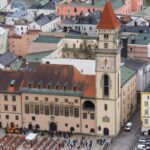
Garmisch-Partenkirchen, nestled in the Bavarian Alps, is a picturesque town known for its stunning mountain scenery and outdoor activities. Renowned as a winter sports hub, it also offers year-round attractions, including hiking trails, charming streets, and traditional Bavarian culture. This idyllic destination combines breathtaking nature with rich history, making it a perfect getaway for adventure seekers and relaxation enthusiasts alike.
The destination guide
Garmisch-Partenkirchen

Travel guides for Garmisch-Partenkirchen
Things to do (1)
More guides featuring Garmisch-Partenkirchen (5)
At a glance
Currency€ EURCode: EUR
Time zoneCentral European Time
Languages
- German
Setting
- Bavarian Alps town
- Zugspitze peak
- Olympic terrain
- Mountain gorge
Known for
- Alpine Hiking
- Zugspitze
- Winter Sports
- Lakes
- Bavarian Architecture
- Olympic History
- Gorge Walks
- Mountain Views
Population27,62027,620 residents
VisaDuration: Up to 90 days within any 180-day period in the Schengen Area · Documents: Valid passport issued within the last 10 years and valid for at least 3 months after planned departure, plus proof of accommodation, onward or return travel, and sufficient funds if requested
How Garmisch-Partenkirchen scores
7/10OverallGood
Weather8/10
Value for money7/10
Safety9/10
Food & cuisine7/10
Culture & arts4/10
Cultural experience7/10
History7/10
Nature & outdoors10/10
Adventure9/10
Nightlife5/10
Shopping4/10
Family friendly5/10
Romance8/10
Character
Photography score7/10
Authenticity score9/10
Off-the-beaten-path score6/10
Editorial scores on a 10-point scale, weighed against destinations of the same kind.
Travel safety snapshot
Overall92/100High rating
Women travellers92/100
LGBTQ+ travellers78/100
Theft88/100
Medical care88/100
Physical harm94/100
Political freedom90/100
SafePlace indicators use their source 100-point scale; higher is more favourable. Planning context, not a live travel advisory — check official government guidance before you go.
When to go
Best months to visit: January, February, March, May, June, July, August, September, October and December.
- January: -8 to 0.7 degrees Celsius, 11.3 millimetres of rain, best-time score 5 out of 5.
- February: -7.9 to 3.6 degrees Celsius, 26.2 millimetres of rain, best-time score 5 out of 5.
- March: -3.8 to 5.3 degrees Celsius, 50.8 millimetres of rain, best-time score 4 out of 5.
- April: 0.1 to 9.9 degrees Celsius, 30.2 millimetres of rain, best-time score 3 out of 5.
- May: 3.2 to 11.6 degrees Celsius, 96 millimetres of rain, best-time score 4 out of 5.
- June: 8.6 to 19.8 degrees Celsius, 69.5 millimetres of rain, best-time score 5 out of 5.
- July: 10 to 20.2 degrees Celsius, 49.2 millimetres of rain, best-time score 5 out of 5.
- August: 10.2 to 22.2 degrees Celsius, 72.5 millimetres of rain, best-time score 5 out of 5.
- September: 7.1 to 17.9 degrees Celsius, 18.1 millimetres of rain, best-time score 5 out of 5.
- October: 1.8 to 11.9 degrees Celsius, 42.7 millimetres of rain, best-time score 4 out of 5.
- November: -2.3 to 8.7 degrees Celsius, 19.7 millimetres of rain, best-time score 3 out of 5.
- December: -7.5 to 1.7 degrees Celsius, 22.4 millimetres of rain, best-time score 5 out of 5.
Month-by-month conditions and packing advice
- January
- Cold weather, mostly dry January in Garmisch-Partenkirchen: the destination is strongest for either winter sports or summer alpine hiking, lakes, and mountain railways. Crowds: January marks the height of Garmisch-Partenkirchen’s ski season, attracting winter sports enthusiasts from across Europe. Slopes are well-groomed and snow conditions are reliable, ideal for skiing, snowboarding, and winter hiking. Accommodation demand is high, especially during New Year and winter school holidays, so early booking is essential. Town life is vibrant with après-ski culture, seasonal markets, and indoor wellness retreats, though some smaller attractions operate on reduced hours. Cold temperatures require full winter gear, and icy streets can make walking challenging without proper footwear. Budget travelers may find prices elevated due to seasonal demand, but the combination of pristine snow, clear skies, and cultural warmth makes this a rewarding time to visit. Pack: Insulated waterproof winter jacket; Thermal base layers for warmth; Waterproof snow boots with good traction; Wool hat and insulated gloves; UV-protection ski goggles or sunglasses; Casual but warm attire for après-ski and town visits
- February
- Cold weather, some rain February in Garmisch-Partenkirchen: the destination is strongest for either winter sports or summer alpine hiking, lakes, and mountain railways. Crowds: This is peak ski season in Garmisch-Partenkirchen, attracting winter sports enthusiasts from across Europe. Slopes are in prime condition, with reliable snow coverage and excellent grooming. Crowds concentrate around ski lifts and popular après-ski spots, so early bookings for accommodations are essential, and prices are at their seasonal high. Off the slopes, winter hiking trails, ice skating rinks, and local cultural events like Fasching (Carnival) provide additional activities. Cold temperatures require layering and careful planning for extended outdoor time. While road access is generally well-maintained, occasional snowstorms can cause delays, so travelers should allow flexibility in their schedules. Pack: Insulated waterproof winter jacket; Thermal base layers for warmth; Waterproof snow boots with good grip; Wool hat and insulated gloves; UV-protection ski goggles or sunglasses; Swimwear for hotel spa or thermal baths
- March
- Cold weather, some rain March in Garmisch-Partenkirchen: shoulder months can be scenic with fewer crowds if lifts, trails, and snow conditions match your plans. Crowds: March is shoulder season in Garmisch-Partenkirchen, offering a balanced mix of winter sports and early spring experiences. Ski resorts remain active, especially at higher elevations, though some lower trails may begin to close as temperatures edge upward. Crowds are lighter compared to the peak winter months, leading to more competitive accommodation rates and a relaxed pace in town. The weather supports both winter and emerging spring activities—perfect for travelers who want to ski in the morning and enjoy scenic hikes or cultural exploration in the afternoon. However, conditions can be unpredictable, with sudden shifts between sunny spells, rain showers, and light snow. Booking flexible accommodations and planning activities with weather variability in mind ensures the best experience. Pack: Insulated waterproof jacket for alpine conditions; Thermal base layers for warmth; Waterproof hiking boots with good traction; Warm hat and gloves for cold mornings; Sunglasses with UV protection for snowy glare; Compact umbrella or rain shell for light showers
- April
- Cool weather, some rain April in Garmisch-Partenkirchen: transition-season closures, rain, or lingering snow can limit mountain access. Crowds: April represents a shoulder season in Garmisch-Partenkirchen, ideal for travelers who prefer fewer crowds and a quieter atmosphere. Skiing opportunities may still be available at higher-altitude slopes, while lower trails start to open for spring hiking. Accommodation rates are generally lower than peak winter and summer seasons, offering good value. Weather conditions are cool and variable, so outdoor activities require flexibility—pack for both chilly mornings and mild afternoons. Mountain lifts may undergo seasonal maintenance, so checking schedules in advance is wise. The blend of snow-capped peaks and budding valleys provides unique scenic variety for photographers and nature enthusiasts. Pack: Waterproof hiking shoes for mixed terrain; Layered clothing for variable mountain temperatures; Light waterproof jacket for occasional showers; Warm hat and gloves for early morning chill; Daypack for carrying layers and snacks; Camera with weather protection for alpine photography
- May
- Cool weather, some rain May in Garmisch-Partenkirchen: shoulder months can be scenic with fewer crowds if lifts, trails, and snow conditions match your plans. Crowds: May marks the shoulder season in Garmisch-Partenkirchen, offering a balance of emerging spring landscapes without the peak summer crowds. While some high-altitude hiking routes may still have snow cover, lower trails and valley walks are accessible and beautifully green. Hotel rates are generally more favorable compared to the busy winter ski season and July–August hiking peak. This is an excellent time for travelers seeking quieter experiences, from exploring local beer gardens to attending smaller-scale spring festivals. Visitors should plan for variable weather—sunny stretches perfect for photography interspersed with occasional rain—making flexible itineraries a smart choice. Pack: Waterproof jacket for spring showers; Layered clothing for fluctuating temperatures; Sturdy waterproof hiking boots; Warm fleece or sweater for mornings; Compact umbrella for sudden rain; Reusable water bottle for alpine walks
- June
- Cool weather, some rain June in Garmisch-Partenkirchen: the destination is strongest for either winter sports or summer alpine hiking, lakes, and mountain railways. Crowds: June offers one of the best windows for visiting Garmisch-Partenkirchen, balancing pleasant hiking conditions with manageable crowd levels before peak summer tourism in July and August. Trails at lower and mid-altitudes are fully accessible, while higher alpine routes may still hold patches of snow. Accommodation rates are moderate compared to peak season, but it’s wise to book early for popular guesthouses near trailheads. Rain showers are possible but rarely disrupt full days of exploration. This is also the start of the festival season, with local music and cultural events benefiting from mild evening temperatures. Travelers can expect a lively yet relaxed atmosphere that allows for both outdoor adventure and cultural immersion. Pack: Water-resistant hiking jacket for occasional showers; Layered clothing for variable mountain temperatures; Sturdy waterproof hiking boots; Reusable water bottle for alpine treks; Light sweater or fleece for cool evenings; Compact umbrella for sudden rain
- July
- Warm and pleasant, some rain July in Garmisch-Partenkirchen: the destination is strongest for either winter sports or summer alpine hiking, lakes, and mountain railways. Crowds: July is high summer and a prime travel month for Garmisch-Partenkirchen, drawing both local holidaymakers and international visitors. The agreeable temperatures and generally clear conditions make it ideal for hiking, cycling, and alpine sightseeing. Crowds peak on weekends and during regional festivals, and accommodation prices reflect the demand, so advance booking is essential. Outdoor dining, cultural performances, and guided mountain excursions run at full capacity, offering rich seasonal experiences. While afternoon showers are possible, they are typically brief and easily worked around. Visitors looking to avoid the busiest periods should plan weekday excursions or explore lesser-known trails. Warm, dry mornings are perfect for starting activities early before potential midday showers. Pack: Lightweight waterproof jacket for passing showers; Breathable hiking clothes suitable for layering; Sturdy walking shoes with good grip for alpine terrain; Sunhat and high-SPF sunscreen for daytime exposure; Reusable water bottle for outdoor activities; Light sweater or fleece for cool evenings
- August
- Warm and pleasant, some rain August in Garmisch-Partenkirchen: the destination is strongest for either winter sports or summer alpine hiking, lakes, and mountain railways. Crowds: August is high season in Garmisch-Partenkirchen, driven by school holidays and prime hiking weather. Expect busy trails, lively beer gardens, and a full calendar of cultural events, from folk music performances to local markets. Accommodation rates peak during this month, so advance booking is essential. The mild temperatures are perfect for high-altitude hikes, cable car excursions, and cycling routes, while short rain showers offer a pleasant cool-down rather than a disruption. Crowds concentrate in town centers and at popular scenic points, but venturing onto less-traveled alpine trails provides quieter experiences. Photography conditions are exceptional thanks to the interplay of summer light and passing clouds. Pack: Lightweight waterproof jacket for summer showers; Breathable hiking layers for varied mountain temperatures; Sturdy hiking boots with good grip; Wide-brimmed hat and high-SPF sunscreen; Reusable water bottle for long outdoor days; Light sweater or fleece for cool evenings
- September
- Cool weather, mostly dry September in Garmisch-Partenkirchen: the destination is strongest for either winter sports or summer alpine hiking, lakes, and mountain railways. Crowds: Early autumn offers a peaceful window for travelers seeking the beauty of the Bavarian Alps without summer’s high-season crowds or winter’s ski rush. September’s mild days and crisp nights are perfect for hiking, photography, and visiting historic sites like Werdenfels Castle. Accommodation prices begin to ease after the August peak, and trail traffic is lighter, allowing for more intimate nature experiences. However, shorter daylight hours and cooler evenings mean planning outdoor activities for earlier in the day is wise. Seasonal festivals and harvest markets may still be underway, offering authentic cultural encounters with local food and traditions. Booking in advance is still recommended for popular lodgings, but flexibility is greater than in peak months. Pack: Layered clothing for fluctuating temperatures; Lightweight waterproof jacket for occasional showers; Sturdy hiking boots for alpine trails; Warm sweater or fleece for evenings; Scarf and gloves for early morning hikes; Casual but neat attire for traditional Bavarian restaurants
- October
- Cool weather, some rain October in Garmisch-Partenkirchen: shoulder months can be scenic with fewer crowds if lifts, trails, and snow conditions match your plans. Crowds: October is shoulder season in Garmisch-Partenkirchen, offering a quieter, more contemplative travel experience. While ski resorts are not yet in full operation, the landscape is at its most colorful, making it prime time for hiking, photography, and cultural exploration. Crowds are minimal, and accommodation prices are generally lower than in the summer or winter high seasons. Some alpine lifts may operate on reduced schedules, so activity planning should be flexible. Cooler temperatures require layered clothing, and shorter daylight hours mean activities should be planned earlier in the day. This period is perfect for travelers seeking a balance of natural beauty, cultural immersion, and peaceful surroundings without peak-season crowds. Pack: Insulated jacket for cold mornings and evenings; Layered clothing for fluctuating daytime temperatures; Water-resistant hiking boots for damp trails; Light rain jacket or travel umbrella; Warm scarf and gloves for alpine excursions; Compact daypack for carrying snacks and extra layers
- November
- Cold weather, mostly dry November in Garmisch-Partenkirchen: transition-season closures, rain, or lingering snow can limit mountain access. Crowds: November marks the shoulder season in Garmisch-Partenkirchen, positioned between the autumn hiking months and the winter ski rush. Visitor numbers are low, translating into quieter streets, shorter wait times at attractions, and more favorable hotel rates. While some mountain lifts may be closed for maintenance before ski season, the town’s cultural sites, cafes, and spas remain open, offering a relaxed, authentic experience. The cool, mostly dry conditions are perfect for scenic walks, early-season snowshoeing, and photography without the summer crowds. Travelers should note reduced daylight hours and plan excursions accordingly. For the best experience, book accommodations near the town center to enjoy easy access to dining and the beginnings of festive market preparations. Pack: Insulated jacket for sub-zero mornings; Layered sweaters and thermals; Waterproof walking shoes with good grip; Wool hat and insulated gloves; Scarf for added warmth in alpine winds; Smart casual attire for cozy indoor dining
- December
- Cold weather, mostly dry December in Garmisch-Partenkirchen: the destination is strongest for either winter sports or summer alpine hiking, lakes, and mountain railways. Crowds: December is prime winter sports season in Garmisch-Partenkirchen, drawing ski and snowboard enthusiasts to its well-groomed slopes and après-ski culture. The festive atmosphere is at its peak, with Christmas markets, seasonal concerts, and local traditions attracting both domestic and international visitors. Accommodation rates rise due to holiday demand, and advance booking is essential. Outdoor activities like skiing, snowshoeing, and scenic cable car rides are in full swing, though frigid temperatures require careful layering and limited time outdoors without protection. Those seeking a quieter experience should target midweek visits to avoid peak holiday crowds while still enjoying the alpine magic. Pack: Insulated winter jacket rated for sub-zero temperatures; Thermal base layers for warmth; Waterproof snow boots with good traction; Wool hat and insulated gloves; Scarf or neck gaiter for wind protection; Smart-casual warm attire for indoor dining and cultural events
Peak season
- June
- July
- August
- September
- December
Off-peak
- January
- February
- March
Know before you go
Neighbourhoods
Garmisch-Partenkirchen consists of two main areas:
- Garmisch: The larger section, known for its bustling town center, shops, and restaurants.
- Partenkirchen: A charming area with traditional Bavarian architecture and a more laid-back atmosphere.
Both neighborhoods offer unique experiences, from vibrant nightlife to serene mountain views.
Best time to visit
June through September for hiking (18–25 °C), open mountain huts, and Eibsee swimming. Late December through early March for skiing and the New Year’s ski jumping event. September offers the best balance of warm weather, golden foliage, and thinner crowds.
Season by season
Spring (April-May): Mild, blooming meadows, fewer crowds, hiking trails reopen. Summer (June-August): Warm (up to 25°C), peak season for hiking and lake swimming, longest daylight hours. Autumn (September-November): Golden foliage, quiet trails, early snow at high elevations. Winter (December-March): Skiing, snowshoeing, cozy alpine dining, snowy landscapes.
Crowds
Zugspitze cable car queues peak in summer weekends and school holidays — arrive before 9 AM. Partnach Gorge gets busy mid-day June-August. Lake Eibsee’s parking lot fills early on summer weekends. Ski season (December-March) sees steady winter sports crowds. Spring and autumn shoulder seasons offer quieter trails and shorter wait times.
Getting there and around
Getting there
Garmisch-Partenkirchen is accessible via Germany’s extensive rail network and regional airports. The city connects to Berlin, Munich, Hamburg, and other German cities via train and autobahn networks.
Getting around
Garmisch-Partenkirchen provides efficient public transportation including U-Bahn, S-Bahn, buses, and trams. The city is very bike-friendly with extensive cycling infrastructure.
Top experiences in Garmisch-Partenkirchen
Zugspitze
Germany’s highest peak at 2,962 m, reached by the Zugspitze cable car (completed in 2017, the world’s highest single-span cable car) or the historic Bavarian Zugspitze Railway cogwheel train. The summit offers 360° views across four countries (Germany, Austria, Italy, Switzerland). A glacier ski area operates in winter. Round-trip ~€72.
Lake Eibsee
A pristine emerald-green mountain lake at the base of the Zugspitze, often called Bavaria’s most beautiful lake. A 7.5 km loop trail circles the shore (allow 2 hours), passing tiny islands and clear shallows. Rowing boats and pedal boats are available for rent. Free parking fills early in summer — arrive before 8 AM.
Partnach Gorge (Partnachklamm)
A narrow, 702 m-long gorge carved through limestone by the Partnach stream, walkable via a cliffside path with spray-soaked tunnels. In winter, frozen waterfalls create a surreal ice cathedral. Reach the entrance in 20 minutes on foot from the Olympic Stadium. Admission ~€5.
AlpspiX Viewing Platform
A steel viewing platform extending over a cliff edge on the Alpspitze (2,050 m), with transparent mesh floors and panoramic views into the Höllental valley and across to the Zugspitze. Reached by the Alpspitzbahn cable car (~€30 return). Combine with a hike to the KlettersteigQ or the Osterfelderkopf summit station.
Olympic Ski Jump Stadium
The 1936 Winter Olympics ski jump and stadium in the heart of town, rebuilt in 2007 with a modern jump tower. The stadium grounds are open year-round for walking. Guided tours include the judges’ tower. During the Neujahrsskispringen (New Year’s ski jumping) event, 25,000 spectators fill the hillside.
Editor-curated picks carried over from our original guide. Where a full place guide exists, the card links to it.


Worth booking ahead in Garmisch-Partenkirchen
Hand-picked from the operators our guides already send readers to. Prices and availability are live on the partner site.
Day tripViator
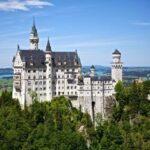
Neuschwanstein and Linderhof royal castles day tour (opens Viator in a new tab)
Both royal castles and the coach in one long day; the practical way to see them from Munich without a car.
Where to stayBooking.com
Stays in Garmisch-Partenkirchen (opens Booking.com in a new tab)
Live rates and availability for Garmisch-Partenkirchen on Booking.com; filter by neighbourhood once you know where your days start.
We earn a commission if you book through these links, at no extra cost to you. It is how we keep the guides free and independent.
Where to stay
Biohotel Garmischer Hof
Mittenwalder Str. 2, 82467 Garmisch-Partenkirchen, Germany
A family-run 4-star hotel near the Olympic Stadium with Bavarian-Alpine charm, a spa, a traditional restaurant, and balcony rooms facing the Zugspitze. The certified organic breakfast features local farm produce.
Dorint Sporthotel Garmisch-Partenkirchen
Chamonixstr. 1, 82467 Garmisch-Partenkirchen, Germany
A mid-range sport hotel near the Hausberg ski lift, offering modern wellness facilities, an indoor pool, a sauna complex, and half-board dining options. Popular with skiers in winter and hikers in summer.
Hotel Vier Jahreszeiten
Marienplatz 18, 82467 Garmisch-Partenkirchen, Germany
A boutique-style 4-star hotel on Partenkirchen’s historic Ludwigstraße, with frescoed facades, individually designed rooms, a terrace restaurant, and mountain-view suites. Walking distance to the Partnach Gorge trailhead.
Editor-curated stays carried over from our original guide. Where we have reviewed the hotel, the card links to the review.
Tips from the field
Highlights
- Zugspitze (highest peak in Germany)
- Lake Eibsee
- Partnach Gorge
- AlpspiX Viewing Platform
- Olympic Ski Jump
- Lüftlmalerei Facades
- Neuschwanstein Day Trip
- Bavarian Mountain Huts
Best activities
- Ride the cable car to the Zugspitze summit, hike the Eibsee loop trail, walk through the Partnach Gorge, stand on the AlpspiX viewing platform, visit the Olympic Ski Jump Stadium, admire the Lüftlmalerei facades on Ludwigstraße, day-trip to Neuschwanstein Castle (50 min), eat Bavarian Brotzeit on a mountain hut terrace, and swim in Lake Eibsee.
Local experiences
- Riding the cogwheel train and cable car to the summit of Zugspitze, Germany's highest peak. Walking through the spray-drenched walls of Partnach Gorge. Hiking the 7.5km loop trail around emerald-green Lake Eibsee. Tasting traditional Bavarian pastries at Café Krönner. Admiring Lüftlmalerei painted facades along Ludwigstraße in Partenkirchen. Day-tripping to Neuschwanstein Castle (1.5 hours by car).
Practical tips
- Transport: The Zugspitze cable car and Alpspitzbahn are the main mountain lifts; the Bayerische Zugspitzbahn cogwheel train is the historic option.
- Garmisch-Partenkirchen Card: Available from hotels — free bus transport and discounts on lifts.
- Currency: Euro (EUR). Cards accepted; carry cash for mountain huts.
- Driving: A90/B2 from Munich (90 min). Parking at Eibsee fills early in summer.
- Language: German; English widely understood in tourist areas.
- Tipping: Round up or leave 5–10 %.
Photography tips
- Lake Eibsee at sunrise produces mirror-smooth reflections of the Zugspitze massif. Geroldsee at sunset captures alpine glow on the Karwendel range. Partnach Gorge rewards wide-angle shots of waterfalls cutting through narrow rock walls. The Lüftlmalerei facades along Ludwigstraße are best in morning side-light. Winter transforms every scene into a snow-globe landscape — blue hour after fresh snowfall is magical.
Timing
- Allow 2-3 days for Garmisch-Partenkirchen's highlights (Zugspitze, Partnach Gorge, Eibsee). Add a day for a Neuschwanstein Castle day trip. A full week covers the wider Bavarian Alps region including Oberammergau, Mittenwald, and Innsbruck across the Austrian border.
Keeping it authentic
- Garmisch-Partenkirchen is two formerly separate towns merged for the 1936 Olympics. Partenkirchen's Ludwigstraße preserves Lüftlmalerei — elaborate painted facades depicting religious and folk scenes — a Bavarian artistic tradition. In contrast, Garmisch is more commercial. The town is a genuine mountain community, not a theme park: locals ski the Hausberg before work, and the annual Hornschlittenrennen (horn-sled race) is a raucous tradition. A Mass of Weissbier and Brezn on the Hausberg terrace at sunset is the local ritual.
Culture, customs and safety
Cultural heritage
Garmisch-Partenkirchen embodies traditional Bavarian Alpine culture and Winter Olympics heritage, where ancient Alpine farming traditions, Bavarian Catholic customs, and international winter sports excellence created a unique mountain cultural center. The twin towns preserve traditional Alpine architecture, woodcarving crafts, and mountain festival traditions while hosting world-class winter sports competitions. Garmisch-Partenkirchen cultural heritage encompasses traditional Bavarian folklore, Alpine agricultural practices, winter sports innovation, and the ongoing preservation of authentic Alpine cultural traditions that continue to define German mountain culture and international winter sports heritage.
Local customs & etiquette
In Garmisch-Partenkirchen, greet with ‘Guten Tag’ and maintain punctuality – it’s extremely important. Germans value directness and efficiency in communication.
Safety notes
Garmisch-Partenkirchen is extremely safe. The main risks are mountain-related: altitude sickness on the Zugspitze, sudden weather changes, and trail hazards. Stay on marked trails, carry rain gear, and check weather forecasts before alpine hikes. Partnach Gorge can be slippery — wear sturdy shoes. Emergency: 112.