MenuClose

A place worth knowing

Musée d’Histoire Contemporaine

Museums · Museum in ParisUpdated

  • Google rating4.2/5 (350 reviews)
  • Typical visit2-3 hours
  • EntranceAdmission required — check https://www.lacontemporaine.fr/ for tickets
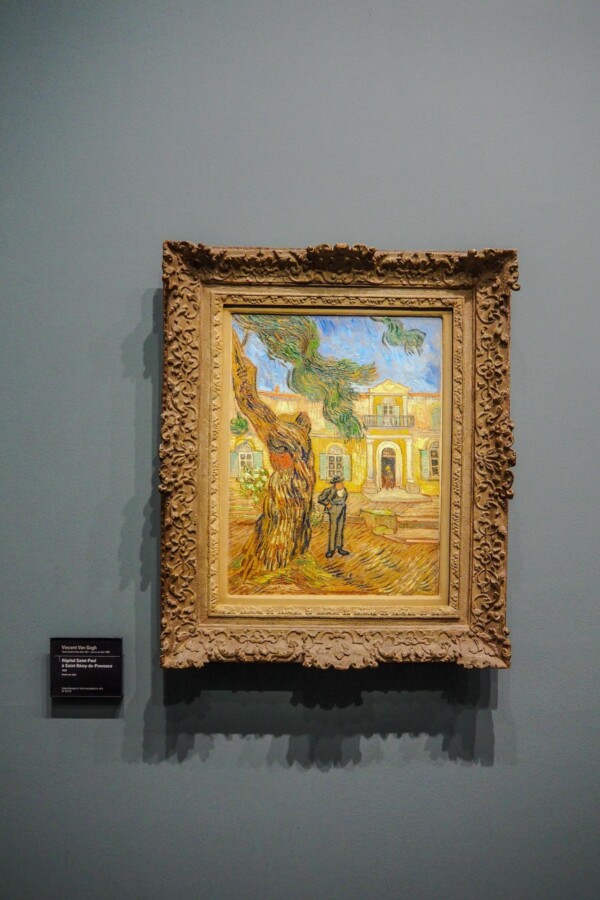
Impressionist masterpiece in Musée d'Orsay, Paris
Kyle Kroeger / ViaTravelers
  • Today (Thursday)10:00 AM – 5:00 PM
  • Typical visit2-3 hours
  • EntranceAdmission required — check https://www.lacontemporaine.fr/ for tickets
  • Google rating4.2/5 350 reviews
  • WebsiteOfficial site ↗
Opening hours all week
Monday
10:00 AM – 5:00 PM
Tuesday
10:00 AM – 5:00 PM
Wednesday
Closed
Thursday
10:00 AM – 5:00 PM
Friday
10:00 AM – 5:00 PM
Saturday
10:00 AM – 5:00 PM
Sunday
10:00 AM – 5:00 PM
Quiet times
"{}"
Busy times
"{}"
Accessibility
"{"mobility": "New construction should meet current accessibility standards", "assistance": "Academic research support available, contact museum for visitor assistance services", "facilities": "Research library, reading room, exhibition halls, university campus amenities", "public_transport": "RER A to Nanterre Université, multiple bus routes (304, 259, 279, 378, Noctilien 53)", "wheelchair_access": "Modern 2021 building likely accessible – contact for specific accommodations"}"
The short answer

Why it matters

France's premier archive of 20th- and 21st-century conflict and political history, housing posters, photographs, and documents in a purpose-built Nanterre facility.

Step into a serene and spacious environment, where the museum’s architecture welcomes you to a tranquil space for research and reflection. Uncover an extensive collection of historical documentation and resources, offering a calm and organized environment perfect for in-depth study. Despite its challenges, the museum prioritizes the security of its resources and visitors, providing a safe and well-guarded environment.

Cultural Context

La contemporaine (formerly Bibliothèque de documentation internationale contemporaine) stands as France’s premier institution dedicated to preserving and interpreting contemporary history from 1870 to the present day. Founded in 1914 as the Library-Museum of the War during World War I, this groundbreaking institution emerged from the revolutionary idea that contemporary events should be documented in real-time for future historians—a concept that was radical when most museums focused solely on ancient history. Originally established to systematically collect documents, testimonies, and artifacts from the Great War, La contemporaine pioneered the field of contemporary historical documentation and has since expanded to encompass all major political, social, and cultural movements of the modern era. Housing over 1.5 million items including rare manuscripts, photographs, propaganda posters, personal testimonies, and multimedia archives, this institution serves as both a research center and museum with locations at the University of Paris-Nanterre campus and within the historic Les Invalides complex in Paris. La contemporaine represents France’s commitment to preserving living memory and making contemporary history accessible to scholars, students, and the public, embodying the belief that understanding recent history is essential for comprehending present-day society and shaping the future.

Historical Context

The Musée d’Histoire Contemporaine, located in Paris, is dedicated to chronicling the complex and multifaceted history of the contemporary era, primarily focusing on the 20th and 21st centuries. Established in 1982, the museum was conceived as a response to the growing need for a dedicated institution to document and interpret the profound social, political, and cultural transformations that have shaped modern France and the wider world. Its collections span critical events such as the two World Wars, decolonization, the Cold War, and the evolution of European integration, providing visitors with a comprehensive understanding of recent history. The museum also highlights influential historical figures, movements, and ideologies that have left a lasting impact on contemporary society. Over the decades, the Musée d’Histoire Contemporaine has evolved by incorporating multimedia exhibits and interactive installations to engage audiences with the complexities of modern history, making it a vital resource for researchers, students, and the general public interested in the recent past. The institution continues to update its exhibits to reflect ongoing historical developments and reinterpretations, ensuring relevance in an ever-changing world. This dynamic approach allows visitors to appreciate the ongoing nature of history and its direct influence on current global affairs. The museum’s commitment to scholarly rigor and public education has solidified its reputation as a cornerstone of contemporary historical study in Paris. Its role in preserving and interpreting recent history remains indispensable for understanding the cultural and political fabric of France and beyond today.
Context

Story and significance

About

Musée d’Histoire Contemporaine in Paris documents French and international history from the mid-19th century through the present, with a particular focus on war, propaganda, and social movements. Part of the Bibliothèque de Documentation Internationale Contemporaine (BDIC) network, the museum holds over 60,000 posters, photographs, films, and artefacts related to major conflicts and political upheavals. Rotating exhibitions address themes from the Dreyfus Affair and World War I trench art to May 1968 and global migration.

Historical significance

The Musée d’Histoire Contemporaine occupies a crucial position in the preservation and interpretation of recent historical events that have shaped not only France but also the global community. By focusing on the 20th and 21st centuries, the museum documents a period marked by dramatic transformations including world conflicts, ideological struggles, and social revolutions. It plays an essential role in educating the public about the causes and consequences of these events, fostering a deeper understanding of contemporary issues rooted in history. The museum’s collections and exhibitions highlight France’s participation in major historical moments such as the World Wars, the Resistance movement, and the process of European integration, thereby preserving the memory of national resilience and change. Moreover, its commitment to presenting multiple perspectives, including those of formerly colonized peoples and immigrant communities, reflects a progressive approach to historical narrative that challenges traditional Eurocentric viewpoints. This inclusive historiography contributes to ongoing debates about national identity, memory, and reconciliation. The Musée d’Histoire Contemporaine’s efforts to document recent history also ensure that the lessons of the past remain accessible to future generations, reinforcing the importance of historical awareness in preventing the repetition of past mistakes. Its legacy as an institution dedicated to contemporary history is characterized by its scholarly rigor, public engagement, and its role as a guardian of collective memory in a rapidly evolving world.

Historical context

The Musée d’Histoire Contemporaine, located in Paris, is dedicated to chronicling the complex and multifaceted history of the contemporary era, primarily focusing on the 20th and 21st centuries. Established in 1982, the museum was conceived as a response to the growing need for a dedicated institution to document and interpret the profound social, political, and cultural transformations that have shaped modern France and the wider world. Its collections span critical events such as the two World Wars, decolonization, the Cold War, and the evolution of European integration, providing visitors with a comprehensive understanding of recent history. The museum also highlights influential historical figures, movements, and ideologies that have left a lasting impact on contemporary society. Over the decades, the Musée d’Histoire Contemporaine has evolved by incorporating multimedia exhibits and interactive installations to engage audiences with the complexities of modern history, making it a vital resource for researchers, students, and the general public interested in the recent past. The institution continues to update its exhibits to reflect ongoing historical developments and reinterpretations, ensuring relevance in an ever-changing world. This dynamic approach allows visitors to appreciate the ongoing nature of history and its direct influence on current global affairs. The museum’s commitment to scholarly rigor and public education has solidified its reputation as a cornerstone of contemporary historical study in Paris. Its role in preserving and interpreting recent history remains indispensable for understanding the cultural and political fabric of France and beyond today.

Cultural context

La contemporaine (formerly Bibliothèque de documentation internationale contemporaine) stands as France’s premier institution dedicated to preserving and interpreting contemporary history from 1870 to the present day. Founded in 1914 as the Library-Museum of the War during World War I, this groundbreaking institution emerged from the revolutionary idea that contemporary events should be documented in real-time for future historians—a concept that was radical when most museums focused solely on ancient history. Originally established to systematically collect documents, testimonies, and artifacts from the Great War, La contemporaine pioneered the field of contemporary historical documentation and has since expanded to encompass all major political, social, and cultural movements of the modern era. Housing over 1.5 million items including rare manuscripts, photographs, propaganda posters, personal testimonies, and multimedia archives, this institution serves as both a research center and museum with locations at the University of Paris-Nanterre campus and within the historic Les Invalides complex in Paris. La contemporaine represents France’s commitment to preserving living memory and making contemporary history accessible to scholars, students, and the public, embodying the belief that understanding recent history is essential for comprehending present-day society and shaping the future.

Architecture

The architectural design of the Musée d’Histoire Contemporaine reflects a blend of modernist principles with functional elegance, embodying the museum’s mission to provide a contemplative space for learning and reflection. The building, constructed in the early 1980s, showcases clean lines, open spaces, and an emphasis on natural light, which together create an inviting atmosphere for visitors. Its façade features a combination of glass and concrete, materials chosen for their durability and symbolic modernity, representing transparency and strength respectively. The interior layout is thoughtfully organized to facilitate a coherent narrative flow through the different historical epochs represented in the exhibits. Wide corridors and spacious galleries allow for large-scale installations and multimedia presentations, accommodating diverse forms of historical interpretation. The use of minimalist design elements avoids distraction, focusing attention on the artifacts and stories presented. The museum also incorporates sustainable architectural features, such as energy-efficient lighting and climate control systems, ensuring the preservation of delicate historical materials while minimizing environmental impact. The architectural style resonates with the late 20th-century trend in Parisian public buildings, emphasizing accessibility and openness. This approach supports the museum’s inclusive educational mission, inviting broad public engagement with contemporary history. Overall, the building’s design harmoniously integrates form and function, making it not only a repository of history but also an architectural statement of modern historical consciousness.

Local significance

The Musée d’Histoire Contemporaine holds a significant place within the Parisian community as both an educational resource and a cultural landmark. For locals, the museum serves as a vital center for understanding the recent past that has shaped their city and nation, offering a space for reflection on events that continue to influence contemporary French identity. It plays an important role in community engagement through its outreach programs, collaborations with local schools, and public events that foster dialogue about history’s relevance to everyday life. The museum’s location in Paris, a city that has witnessed numerous historical upheavals, enhances its connection to the local population who often see it as a custodian of collective memory. It also contributes to the cultural vitality of the neighborhood by attracting visitors and scholars, which supports local businesses and promotes cultural tourism. The Musée d’Histoire Contemporaine is respected for its efforts to present history in a balanced and inclusive manner, acknowledging diverse narratives including those of marginalized groups and immigrants who have contributed to France’s contemporary social fabric. Through exhibitions and programs that address sensitive and complex topics such as colonialism and social justice, the museum encourages critical reflection and community dialogue. Its presence enriches the cultural landscape of Paris, making it an essential institution for both residents and visitors seeking to understand the city’s modern historical context.

Experience

Make the most of it

Local tips
  • Visit during weekdays for fewer crowds
  • Museum cafes frequently serve quality local food
  • Members get free entry and skip lines
  • Check for combo tickets with nearby attractions
  • Gift shops have unique souvenirs
  • Late night openings often have special events
  • Special exhibitions require separate tickets
Hidden gems nearby
  • Lesser-known wings have amazing collections
  • Archive rooms sometimes open for special tours
  • Rooftop terraces often have great city views
  • Hidden courtyards ideal for photos
  • Staff recommendations for must-see pieces
  • Secret passages between galleries
  • Free guided tours at specific times
Special features
  • One of the Musée d'Histoire Contemporaine’s most distinctive features is its extensive collection of artifacts, documents, and multimedia exhibits that provide deep insights into the 20th and 21st centuries. The museum houses rare archival materials such as personal letters, government documents, propaganda posters, and audio-visual recordings that offer unique perspectives on pivotal historical moments. Its permanent exhibition includes detailed sections on World Wars I and II, the French Resistance, post-war reconstruction, and the social upheavals of the 1960s. A notable highlight is the interactive Cold War exhibit, which uses immersive technology to simulate the geopolitical tensions of the era. The museum also hosts temporary exhibitions that explore contemporary issues such as globalization, migration, and technological innovation, ensuring that the content remains relevant and thought-provoking. Additionally, the Musée d'Histoire Contemporaine features a specialized research library and archives accessible to scholars and students, fostering academic inquiry into recent history. Educational programs and workshops are regularly organized to engage younger audiences and promote historical literacy. The museum’s auditorium serves as a venue for lectures, film screenings, and panel discussions, further enriching the visitor experience. These elements combine to make the Musée d'Histoire Contemporaine a dynamic cultural institution that not only preserves history but actively encourages dialogue about its ongoing impact on society.
Editorial scores

How we rate it

Authenticity7/10
Accessibility score7/10
Family-friendly score6/10
Off-the-beaten-path8/10

Editorial scores on a 10-point scale, judged against places of the same kind.

Bookable experiences

Worth booking ahead in Paris

Hand-picked from the operators our guides already send readers to. Prices and availability are live on the partner site.

We earn a commission if you book through these links, at no extra cost to you. It is how we keep the guides free and independent.

Updated Data: Editorial research · Google Places ratings · Verified coordinates