Tokyo vs Kyoto: Which Japanese City to Visit in 2026?

The verdict
Tokyo wins overall (8.8 vs 8.6 out of 10), taking 2 of 5 categories.
While both cities offer unique and enriching experiences, Tokyo slightly edges out Kyoto due to its unparalleled blend of ultra-modern attractions and traditional culture, coupled with superior transportation infrastructure. However, the ideal choice depends on personal preferences for a more fast-paced, futuristic experience (Tokyo) or a deeper immersion in traditional Japanese culture (Kyoto).
Kyoto requires about ¥603k to match Tokyo’s ¥730k standard of living—significantly lower across rent, food, transport and leisure. Kyoto’s more distinct seasonal rainfall and clearer transitions make planning by season easier; Tokyo’s climate is more uniformly wet and muggy in summer.
Best for well-rounded travelers — Tokyo edges ahead overall.
Overall scores are editorial ratings out of 10; category winners come from the per-category scores below. The overall pick is the higher overall score.
Overall scores
Category by category
| Category | Tokyo | Kyoto | Edge |
|---|---|---|---|
| Cultural ExperiencesComparison of historical sites, traditional arts, and local customs | 8 | 10 | Kyoto |
| Modern AttractionsAnalysis of contemporary sights, technology, and urban experiences | 10 | 7 | Tokyo |
| CuisineComparison of local specialties, dining experiences, and food culture | 9 | 9 | Even |
| TransportationEvaluation of public transit systems, walkability, and ease of navigation | 10 | 8 | Tokyo |
| Nature and Outdoor ActivitiesComparison of parks, gardens, and natural attractions | 7 | 9 | Kyoto |
Cultural Experiences: the details
Tokyo
- Senso-ji Temple in Asakusa – Tokyo's oldest Buddhist temple
- Meiji Shrine – dedicated to Emperor Meiji and Empress Shoken
- Kabuki performances at Kabuki-za Theatre in Ginza
Kyoto
- Kiyomizu-dera – UNESCO World Heritage site with panoramic city views
- Nijo Castle – former residence of the Tokugawa shoguns
- Gion Corner – traditional performing arts shows including tea ceremony and geisha dances
Modern Attractions: the details
Tokyo
- teamLab Borderless – immersive digital art museum
- Odaiba – futuristic entertainment district with giant Gundam statue
- Robot Restaurant in Shinjuku – high-tech cabaret show
Kyoto
- Kyoto Tower – 131-meter tall observation tower
- Kyoto Railway Museum – showcasing the evolution of Japanese trains
- Kyoto International Manga Museum – library and exhibition space for manga
Cuisine: the details
Tokyo
- Tsukiji Outer Market – world-famous sushi and seafood
- Michelin-starred restaurants like Sukiyabashi Jiro
- Unique themed cafes in Harajuku and Akihabara
Kyoto
- Nishiki Market – 'Kyoto's Kitchen' with local specialties
- Kaiseki ryori – traditional multi-course Japanese dinner
- Yudofu – Kyoto-style hot tofu dishes
Transportation: the details
Tokyo
- Extensive and efficient subway and JR train networks
- Shinkansen (bullet train) hub for travel across Japan
- User-friendly IC card system (Pasmo/Suica) for all public transport
Kyoto
- Comprehensive bus network covering major attractions
- Two subway lines for north-south and east-west travel
- Rental bicycles popular for exploring flat city streets
Nature and Outdoor Activities: the details
Tokyo
- Ueno Park – large public park with museums and zoo
- Shinjuku Gyoen – former imperial garden with diverse landscapes
- Mount Takao – popular hiking spot on Tokyo's outskirts
Kyoto
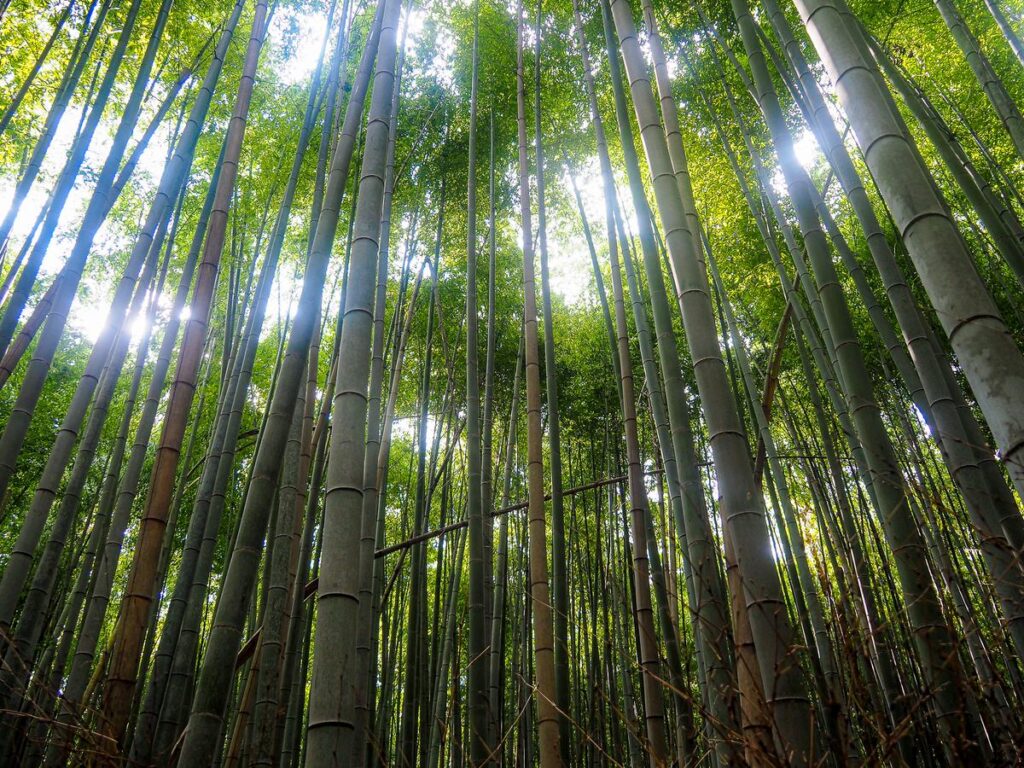
- Arashiyama – scenic district with bamboo grove and monkey park
- Philosopher's Path – cherry blossom-lined canal walk
- Hiking trails in the surrounding mountains like Mount Hiei
Who should pick which
Tokyo vs Kyoto: Which Should You Visit?
Both Tokyo and Kyoto are popular travel destinations, but they offer very different experiences. Whether you’re planning a quick getaway or a longer trip, understanding how they compare on weather, cost, things to do, and cultural depth helps you pick the right one for your travel style and budget.
Weather and Best Time to Visit
Kyoto’s more distinct seasonal rainfall and clearer transitions make planning by season easier; Tokyo’s climate is more uniformly wet and muggy in summer.
Tokyo: Best months are October, December–March. 2 °C to 31 °C.
Kyoto: Best months are October–November, March–April. similar to Tokyo, distinct seasonal swings.
Tokyo: Best months are October, December–March. 2 °C to 31 °C.
Kyoto: Best months are October–November, March–April. similar to Tokyo, distinct seasonal swings.
Weather winner: kyoto
Cost of Travel and Daily Budget
Kyoto requires about ¥603k to match Tokyo’s ¥730k standard of living—significantly lower across rent, food, transport and leisure.
about 17% lower cost of living in Kyoto
Sources: {‘name’: ‘Numbeo cost of living comparison Tokyo vs Kyoto’, ‘url’: ‘https://www.numbeo.com/cost-of-living/compare_cities.jsp?city1=Tokyo&city2=Kyoto&country1=Japan&country2=Japan’}
Budget winner: kyoto
Things to Do and Activities
Kyoto hosts iconic heritage festivals and a major photography biennale; Tokyo offers urban rituals and summer matsuri energy.
Activities winner: kyoto
Culture, Heritage, and Local Life
Kyoto centers around centuries-old rituals, sacred dance, traditional photography; Tokyo stands out for avant-garde rituals blending pop culture and metropolitan scale.
Culture winner: kyoto
The Bottom Line: Tokyo or Kyoto?
Kyoto wins across all categories in this comparison. If you can only pick one, Kyoto is the stronger all-around destination.
Consider visiting Tokyo if you prioritize cultural depth. Choose Kyoto if affordability matters more to you.
Travel tips
- Purchase a Japan Rail Pass before arriving if planning to travel between cities.
- Consider staying in a ryokan (traditional Japanese inn) in Kyoto for an authentic experience.
- Use convenience stores in both cities for affordable meals and ATM access.
- Learn basic Japanese phrases and etiquette to show respect for local customs.
Frequently asked questions
How many days should I spend in Tokyo and Kyoto?
Ideally, allocate 4-5 days for Tokyo and 3-4 days for Kyoto. This allows time to explore major attractions and experience the unique atmosphere of each city without feeling rushed.
What's the best way to travel between Tokyo and Kyoto?
The most convenient way is by Shinkansen (bullet train). The journey takes about 2 hours and 15 minutes on the fastest Nozomi train. Alternatively, overnight buses offer a budget-friendly option but take much longer.
When is the best time to visit Tokyo and Kyoto?
Spring (March to May) for cherry blossoms and autumn (October to November) for fall foliage are the most popular seasons. However, these are also peak tourist times. Summer can be hot and humid, while winter offers fewer crowds and the chance to see snow in Kyoto.
The two side by side
Tokyo
Japan
A futuristic metropolis blending cutting-edge technology with deep-rooted traditions
- Shibuya Crossing
- Tokyo Skytree
- Tsukiji Fish Market
- Akihabara electronics district
- January: 45
- February: 50
- March: 70
- April: 95
- May: 85
- June: 75
- July: 80
- August: 100
- September: 90
- October: 85
- November: 65
- December: 55
Kyoto
Japan
The cultural heart of Japan, known for its ancient temples, traditional arts, and geisha districts
- Fushimi Inari Shrine
- Kinkaku-ji (Golden Pavilion)
- Arashiyama Bamboo Grove
- Gion geisha district
- January: 40
- February: 45
- March: 65
- April: 95
- May: 85
- June: 70
- July: 75
- August: 100
- September: 90
- October: 98
- November: 80
- December: 55