

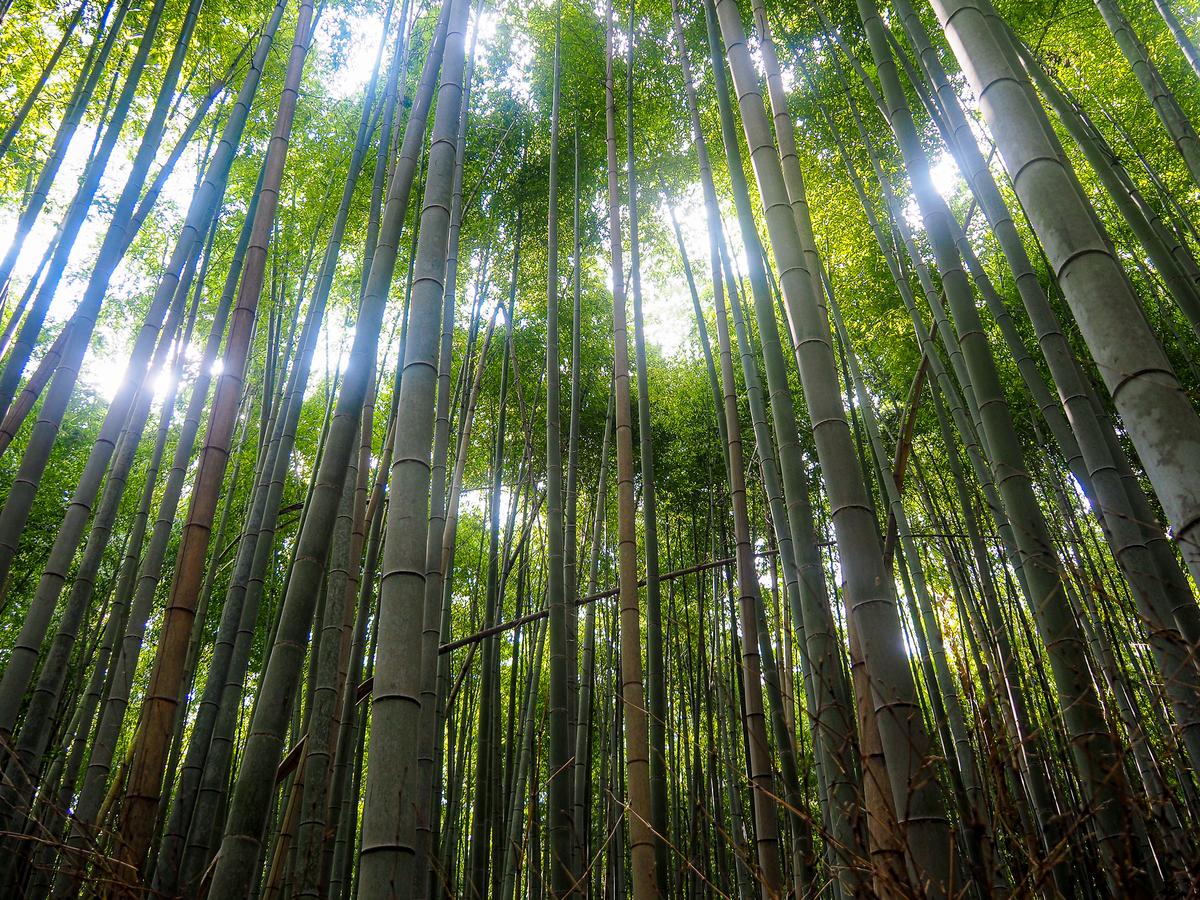
Japan’s imperial capital (794-mid-19th century) built on ancient Chinese capital models, preserving 1,000+ years of cultural heritage across 2,000 Buddhist temples and Shinto shrines including UNESCO sites Kiyomizu-dera’s wooden pillared mountain temple, golden Kinkaku-ji pavilion, silver Ginkaku-ji pavilion, and Ryōan-ji’s famous rock garden. Gion District’s photogenic narrow cobblestone streets lined with historic wooden homes where paper lanterns illuminate evening paths and lucky visitors glimpse geishas heading to traditional tea service hostess duties within active Hanamachi district culture. Arashiyama’s ethereal bamboo grove creating scenic riverside atmosphere at western mountain base, while Nijo Castle’s 1603 Edo period royal architecture features unique “nightingale floors” chirping when stepped upon as early alarm systems. Kyoto Imperial Palace and Sentō Imperial Palace within Kyoto Gyoen preserving centuries of emperor residences, plus Heian Jingū shrine (1895) celebrating imperial family heritage. Living traditional culture through machiya wooden townhouses housing modern residents, yearly Gion Matsuri festivals, and authentic geisha traditions maintaining Japan’s cultural center legacy across this UNESCO World Heritage treasure where ancient imperial grandeur meets contemporary Japanese life seamlessly.
The destination guide
Kyoto
Travel guides for Kyoto
Destination stories (1)
More guides featuring Kyoto (12)
At a glance
- Japanese
- Historic city
- Imperial temples
- Bamboo groves
- Mountain backdrop
- Temples
- Shrines
- Cherry Blossoms
- Autumn Foliage
- Geisha Culture
- Traditional Tea Ceremony
- Japanese Cuisine
- Zen Gardens
How Kyoto scores
Editorial scores on a 10-point scale, weighed against destinations of the same kind.
Travel safety snapshot
SafePlace indicators use their source 100-point scale; higher is more favourable. Planning context, not a live travel advisory — check official government guidance before you go.
When to go
Best months to visit: March, April, May, September, October, November and December.
- January: -0.1 to 7 degrees Celsius, 27.9 millimetres of rain, best-time score 3 out of 5.
- February: 1.3 to 8.7 degrees Celsius, 48.9 millimetres of rain, best-time score 3 out of 5.
- March: 2.7 to 13.1 degrees Celsius, 8.6 millimetres of rain, best-time score 5 out of 5.
- April: 7.8 to 17.3 degrees Celsius, 105.3 millimetres of rain, best-time score 5 out of 5.
- May: 12.3 to 22.9 degrees Celsius, 24 millimetres of rain, best-time score 5 out of 5.
- June: 16.8 to 25.8 degrees Celsius, 54.5 millimetres of rain, best-time score 3 out of 5.
- July: 21.6 to 29.6 degrees Celsius, 27.5 millimetres of rain, best-time score 2 out of 5.
- August: 23.4 to 31.2 degrees Celsius, 247.6 millimetres of rain, best-time score 2 out of 5.
- September: 19.5 to 27.6 degrees Celsius, 57 millimetres of rain, best-time score 4 out of 5.
- October: 13.5 to 21.7 degrees Celsius, 49.1 millimetres of rain, best-time score 5 out of 5.
- November: 7.3 to 15.4 degrees Celsius, 24.3 millimetres of rain, best-time score 5 out of 5.
- December: 2.5 to 9.7 degrees Celsius, 11.2 millimetres of rain, best-time score 4 out of 5.
Month-by-month conditions and packing advice
- January
- Cold weather, some rain January in Kyoto: cold, rain, or early humidity narrows outdoor wandering. Crowds: Travelers visiting Kyoto in January encounter a quieter city compared to the busy cherry blossom and autumn foliage periods. While the cold weather requires preparation, the reduced crowd levels mean easier access to UNESCO-listed temples, shrines, and traditional tea houses. Accommodation rates are more favorable than during peak months, though demand may briefly rise around New Year’s celebrations when locals flock to shrines for hatsumōde. This is also an excellent time to explore indoor cultural pursuits such as museums, tea ceremonies, and Kyoto’s celebrated cuisine. Outdoor exploration is possible but best paired with warm clothing and breaks in cozy cafés. For photographers, winter light and occasional snow offer rare perspectives of iconic sites. Overall, January rewards those who prioritize atmosphere and authenticity over warm-weather comfort. Pack: Thermal base layers for insulation; Waterproof winter coat for cold and rain; Warm scarf, hat, and gloves; Comfortable insulated walking shoes; Compact umbrella for light rain; Modest clothing suitable for temple visits
- February
- Cool weather, some rain February in Kyoto: cold, rain, or early humidity narrows outdoor wandering. Crowds: February in Kyoto is considered off-season, bringing thinner crowds and lower accommodation rates. Cold, damp conditions can limit comfort for extended outdoor strolls, but this same weather enhances the city’s hushed, reflective charm. With fewer visitors, travelers gain more intimate access to UNESCO-listed temples, quiet tea ceremonies, and seasonal dishes like hot nabe (Japanese stew). While popular attractions such as Fushimi Inari Shrine remain open, expect far smaller crowds than spring or autumn. Travelers prioritizing cultural depth over seasonal scenery will find February rewarding, though it requires preparation for chilly, damp days. Advance bookings are generally easier, making this a smart time for budget-conscious visitors. Pack: Insulated jacket suitable for single-digit temperatures; Layered sweaters and thermal base layers; Water-resistant shoes or boots for damp streets; Umbrella or compact rain jacket for light showers; Warm scarf, gloves, and knit hat; Neat, modest attire for temple and shrine visits
- March
- Cool weather, mostly dry March in Kyoto: temples, gardens, blossom or foliage scenery, food streets, museums, and day trips are most comfortable. Crowds: Traveling to Kyoto in March means enjoying calm conditions before the cherry blossom crowds arrive. Tourist numbers remain moderate, keeping accommodation prices relatively reasonable compared to April’s peak. The mild weather is perfect for temple visits, outdoor tea ceremonies, and exploring cultural districts without the discomfort of summer humidity or winter snow. Some seasonal gardens and shrines host plum blossom festivals, offering a quieter but equally photogenic alternative to sakura. Daylight hours are steadily increasing, giving travelers more time for exploration. While outdoor activities are enjoyable, evenings can be brisk, so layering is essential. For those planning spring travel, March provides excellent value and cultural authenticity before the surge of peak season tourism. Advance bookings are still advisable for central hotels, but flexibility is greater than in April. Pack: Layered clothing for fluctuating daytime and evening temperatures; Light jacket or windbreaker for cool mornings and nights; Comfortable walking shoes for temple and garden exploration; Scarf or shawl for added warmth in the evenings; Compact umbrella for unexpected showers; Modest attire for visits to shrines and temples
- April
- Cool weather, some rain April in Kyoto: temples, gardens, blossom or foliage scenery, food streets, museums, and day trips are most comfortable. Crowds: April is one of Kyoto’s peak tourism months due to the cherry blossom season and comfortable spring weather. Travelers can expect significant crowds at temples, gardens, and riverside viewing spots, especially during the first half of the month. Accommodation prices rise accordingly, and advance bookings are essential. While rain showers are common, they rarely last all day, meaning outdoor activities like garden walks, temple visits, and river cruises remain highly rewarding. The cooler evenings encourage layered dressing, while daytime conditions are perfect for slow exploration. Travelers benefit from the extended daylight hours, but should anticipate queues at popular attractions and limited availability at top-rated ryokan inns and tea houses. For those seeking quieter experiences, early morning visits to less-frequented shrines like Nanzen-ji or local neighborhood hanami gatherings provide cultural depth away from the busiest tourist circuits. Pack: Compact umbrella or lightweight rain jacket for April showers; Comfortable waterproof walking shoes for temple grounds; Layered clothing including light sweaters for cool evenings; Breathable fabrics suitable for mild spring temperatures; Camera with extra memory for cherry blossom and garden photography; Modest attire for visiting temples and traditional tea houses
- May
- Warm and pleasant, mostly dry May in Kyoto: temples, gardens, blossom or foliage scenery, food streets, museums, and day trips are most comfortable. Crowds: May is one of Kyoto’s peak visiting months, thanks to its mild climate and lush seasonal scenery. Comfortable temperatures allow for extended outdoor activities, from cycling between temples to exploring bamboo groves and riverboat rides. This is also the season for Aoi Matsuri, one of Kyoto’s most prestigious festivals, drawing both domestic and international visitors. Expect moderate to high tourist numbers, particularly around iconic sites like Kiyomizu-dera and Fushimi Inari Taisha. Accommodation prices reflect the heightened demand, so advance booking is strongly recommended. While the weather is generally cooperative, sudden brief showers are possible, so day trips should be planned with light rain gear in mind. Overall, May balances cultural richness, natural beauty, and pleasant conditions, making it one of the most rewarding times to experience the city. Pack: Light jacket for cool mornings and evenings; Comfortable walking shoes for temple and garden visits; Compact umbrella or light rain jacket; Breathable cotton or linen clothing for daytime comfort; Sunhat or parasol for outdoor sightseeing; Respectful attire for shrine and temple visits (covered shoulders)
- June
- Warm and pleasant, some rain June in Kyoto: cold, rain, or early humidity narrows outdoor wandering. Crowds: June in Kyoto marks the shoulder season between the spring peak and the heavier rainy months of July. Travelers benefit from lower crowd levels compared to cherry blossom season, though weekends may still draw domestic visitors for hydrangea viewing. Prices for accommodations are generally moderate, with more availability than April or May. Outdoor exploration remains enjoyable, though sudden showers may interrupt sightseeing, so flexibility in planning is helpful. Temple gardens are especially photogenic during this time, with lush foliage and seasonal flowers enhanced by the gentle rains. Travelers seeking quieter cultural experiences and lower competition at popular attractions will find June appealing, though umbrellas and adaptable schedules are essential. Pack: Light waterproof jacket for sudden showers; Compact travel umbrella for daily use; Breathable cotton or linen clothing for humidity; Comfortable walking shoes with good grip for wet streets; Reusable water bottle to stay hydrated in warm weather; Respectful modest attire for temple and shrine visits
- July
- Hot and sunny, some rain July in Kyoto: summer heat and humidity make sightseeing less comfortable. Crowds: July represents Kyoto’s peak cultural season despite challenging weather. The Gion Matsuri attracts large domestic and international crowds, making the city vibrant but also congested. Hotel rates climb due to festival demand, and advance booking is essential. High heat and humidity mean sightseeing is best planned for mornings or evenings, while afternoons should be reserved for shaded gardens, museums, or tea houses. While conditions can be physically demanding, travelers willing to embrace the summer heat gain access to unforgettable cultural experiences and the city’s most atmospheric events. Carrying hydration and planning rest stops becomes crucial for fully enjoying the experience. Pack: Breathable cotton or linen clothing to handle humidity; Lightweight umbrella for sudden summer showers; UV-blocking parasol or wide-brimmed hat; Portable hand fan or cooling towel for festival days; Comfortable sandals or breathable walking shoes; Lightweight yukata or modest attire for attending Gion Matsuri
- August
- Hot and sunny, heavy rain August in Kyoto: summer heat and humidity make sightseeing less comfortable. Crowds: Travelers visiting Kyoto in August should be prepared for both heat and heavy rainfall. This is the city’s high summer season, but also among its most challenging weather periods. Crowds gather for Obon and major cultural events, leading to higher accommodation costs and busy transport routes. While temple visits and evening strolls remain rewarding, daytime sightseeing can be draining due to high humidity and temperatures. Rain showers may interrupt outdoor plans, but they also create atmospheric moments, such as mist clinging to temple gardens. Travelers should book accommodations early for Obon week and consider pacing activities around mornings and evenings, reserving midday for shaded or indoor experiences. Pack: Lightweight, quick-dry clothing for hot and humid conditions; Compact umbrella or quality rain jacket for sudden downpours; Breathable walking shoes with good grip for wet surfaces; Wide-brimmed hat and high-SPF sunscreen; Cooling towel or portable fan for relief during temple walks; Respectful modest attire for shrines and cultural events
- September
- Warm and pleasant, some rain September in Kyoto: early fall or early winter can still be rewarding with crowd and weather planning. Crowds: September marks the tail end of Kyoto’s humid summer, blending into the quieter early autumn travel season. Conditions remain warm enough for outdoor sightseeing but are more comfortable than the peak of August. Crowds begin to thin after the summer holidays, making major temples and shrines slightly less congested, though weekends can still be busy. Rain showers are common, but they rarely disrupt full days of exploration. Accommodation prices typically ease compared to summer peak, offering better value. Visitors can enjoy cultural activities like tea ceremonies and evening walks with fewer crowds, while planning indoor options such as museums and artisan workshops in case of rain. This period is excellent for travelers seeking balance: manageable weather, improved affordability, and access to Kyoto’s cultural depth before the October foliage crowds arrive. Pack: Lightweight umbrella or compact rain jacket; Breathable cotton or linen shirts; Comfortable walking sandals or shoes; Foldable hand fan for lingering humidity; Modest attire for visiting shrines and temples; Light sweater for cooler evenings
- October
- Warm and pleasant, some rain October in Kyoto: temples, gardens, blossom or foliage scenery, food streets, museums, and day trips are most comfortable. Crowds: October marks one of Kyoto’s most celebrated travel periods as autumn foliage begins to spread through the city. Comfortable temperatures and relatively low rainfall make it an excellent time for temple visits, walking tours, and nature excursions in places like Arashiyama and the Philosopher’s Path. This is shoulder-to-peak season: crowd levels rise steadily, particularly toward the end of the month as leaf colors intensify, and accommodation rates trend upward with demand. Travelers will find ideal conditions for photography, cultural festivals, and outdoor dining. Early bookings are strongly advised, especially for popular kaiseki restaurants and traditional inns, as both domestic and international visitors flock to Kyoto during this atmospheric season. Pack: Light jacket or cardigan for cool evenings; Comfortable walking shoes for temple and garden exploration; Compact umbrella or light rain jacket for occasional showers; Breathable layers suitable for daytime warmth; Camera with spare batteries for autumn foliage photography; Modest clothing for visiting shrines and traditional districts
- November
- Cool weather, mostly dry November in Kyoto: temples, gardens, blossom or foliage scenery, food streets, museums, and day trips are most comfortable. Crowds: November represents one of Kyoto’s peak travel seasons, driven largely by the brilliant autumn foliage. Crowds swell at famous temples like Kiyomizu-dera and Tōfuku-ji, and hotel rates often climb due to high demand. The crisp, cool temperatures make outdoor exploration comfortable, though early mornings and evenings feel chilly. With clear skies and minimal rainfall, conditions are ideal for sightseeing, photography, and hiking in the surrounding mountains. However, travelers should expect large groups at popular viewing spots and plan ahead with early starts or evening visits for quieter experiences. Advance booking of accommodations and cultural tours is strongly recommended to avoid limited availability and premium pricing. Pack: Layered clothing for fluctuating day and night temperatures; Warm jacket or coat for chilly evenings; Comfortable walking shoes for temple and garden exploration; Scarf and gloves for early morning or late-night outings; Modest attire for visiting shrines and temples; Travel umbrella for occasional light showers
- December
- Cool weather, mostly dry December in Kyoto: early fall or early winter can still be rewarding with crowd and weather planning. Crowds: Travelers visiting Kyoto in December encounter fewer crowds than the busy autumn foliage months, making it easier to enjoy temples and UNESCO sites in peace. The weather is cool and manageable, though layering is essential, especially for evening strolls through atmospheric districts like Gion or Higashiyama. Prices for accommodation begin to soften after the peak autumn season, though they rise again near the New Year holiday when locals flock to shrines and festivities. It’s an excellent month for cultural experiences—tea ceremonies, hot springs excursions, and early winter illuminations—without the oppressive tourist numbers of October and November. Book in advance if traveling around the last week of December, when domestic tourism peaks. Pack: Warm coat suitable for daytime and evening walks; Layered sweaters or thermal tops for fluctuating temperatures; Comfortable walking shoes with good grip for frosty mornings; Gloves and a warm hat for outdoor temple visits; Modest attire for visiting shrines and temples; Compact umbrella for occasional light showers
- March
- April
- October
- November
- January
- February
- June
Know before you go
Best time to visit
The best times to visit Kyoto are spring (March to May) and autumn (October to November). Spring brings cherry blossom season from late March to early April, transforming the city’s 2,000+ temples into pink-and-white dreamscapes. Autumn foliage peaks in mid to late November, painting maple-lined paths and temple gardens in brilliant reds and golds.
Spring (March–May)
March through May offers temperatures of 10–22°C (50–72°F) with increasing sunshine. Cherry blossoms (sakura) typically peak around late March to early April. Crowds and prices surge during hanami season, but the spectacle of blossoms reflected in temple ponds is unmatched. May brings comfortable warmth before the rains arrive.
Summer (June–August)
Kyoto’s basin geography creates oppressive humidity, with temperatures regularly exceeding 35°C (95°F). The rainy season (tsuyu) runs from mid-June to late July. Despite the heat, summer hosts the legendary Gion Matsuri festival throughout July, one of Japan’s three great festivals. Evening activities and air-conditioned temples make summer manageable.
Autumn (September–November)
September remains warm but temperatures cool rapidly through October. November delivers Kyoto’s famous koyo (autumn leaves), with peak color around mid-to-late November. Many temples offer special nighttime illuminations (lightups) of their autumn foliage. This rivals spring as the most popular season, so advance bookings are essential.
Winter (December–February)
Winters are cold (2–9°C / 36–48°F) with occasional snowfall that dusts temples in white — creating rare, photogenic moments. Tourist numbers drop dramatically, making this ideal for crowd-free temple visits. Accommodations offer significant discounts, and winter illuminations add sparkle to the shorter days.
Season by season
Spring (March-May): Cherry blossoms peak late March to early April, high season with crowds and premium pricing. Summer (June-August): Hot and humid, rainy season in June, Gion Matsuri festival spans July. Autumn (October-December): Fall foliage peaks mid-to-late November, temple illuminations, second high season. Winter (December-February): Cold but quiet, snow-dusted temples create stunning scenes, lowest prices.
Crowds
Cherry blossom season (late March to early April) and autumn foliage (mid-to-late November) bring peak crowds at major temples. Summer is less crowded but hot and humid. Winter is the quietest season. Arriving at popular sites before 8 AM avoids tour group surges. Weekday visits to secondary temples offer solitude.
Getting there and around
Getting there
Kyoto is served by two major airports: Kansai International Airport (KIX), 75 minutes south via the JR Haruka Express limited express train (¥3,640 reserved seat), and Osaka Itami Airport (ITM), 55 minutes away via limousine bus (¥1,340). From Tokyo, the Shinkansen (bullet train) Nozomi service covers the 476 km in just 2 hours 15 minutes (¥13,970, departures every 10 minutes). A Japan Rail Pass significantly reduces costs for multi-city trips. Kyoto Station, the city’s transportation hub, connects to JR lines, private railways, subway, and city buses. No visa is required for stays under 90 days for citizens of 68 countries including the US, UK, Australia, and most EU nations. From Osaka, JR Special Rapid trains reach Kyoto in 29 minutes (¥580). Night buses from Tokyo offer budget alternatives starting around ¥3,000 for the 7-hour journey.
Getting around
Kyoto’s efficient public transit combines city buses, two subway lines, and JR/private railways. The city bus network covers virtually every temple and attraction — a one-day bus pass (¥700) pays for itself after three rides. The Karasuma and Tozai subway lines run north–south and east–west respectively, useful for quick cross-city travel. Cycling is arguably the best way to explore — the flat city center has dedicated cycling paths, and rental shops (around ¥1,000/day) cluster near Kyoto Station. Walking between temples is rewarding in the Higashiyama district, where Kiyomizu-dera, Yasaka Shrine, and Gion connect via atmospheric stone-paved lanes. Taxis are clean and reliable but expensive; use them for short hops or late-night returns. Ride-hailing apps like GO and Uber are available but limited compared to Western cities. IC cards (ICOCA/Suica) work on all buses and trains, eliminating the need for individual tickets.
Top experiences in Kyoto
Fushimi Inari-Taisha
Japan’s most visited shrine features approximately 10,000 vermillion torii gates that create winding tunnels up sacred Mount Inari. Dedicated to the Shinto god of rice and prosperity, this sprawling complex is free to enter and open 24 hours — making pre-dawn visits a magical, crowd-free experience. The full hike to the summit takes 2–3 hours through atmospheric forest trails, with smaller shrines and stone fox statues along the way. Each torii gate has been donated by a Japanese business seeking commercial success, with company names inscribed on the back.
Kinkaku-ji (Golden Pavilion)
Originally built in 1397 as a retirement villa for Shogun Ashikaga Yoshimitsu, this three-story pavilion is covered entirely in gold leaf and sits serenely on Kyoko-chi (Mirror Pond). The current structure is a 1955 reconstruction after an obsessed monk burned the original — an event immortalized in Yukio Mishima’s novel ‘The Temple of the Golden Pavilion.’ Each floor represents a different architectural style: the ground floor is Shinden style, the second is Buke (samurai) style, and the third is Chinese Zen. The surrounding strolling garden is a masterpiece of Muromachi-era landscape design.
Arashiyama Bamboo Grove
Read the place guide →Towering bamboo stalks reach skyward in this otherworldly grove on Kyoto’s western outskirts, creating one of the most photographed scenes in all of Japan. The sound of wind rustling through the bamboo was voted one of Japan’s ‘100 Soundscapes’ worth preserving. The path connects to Tenryu-ji Temple (a UNESCO World Heritage Site) and leads to the romantic Togetsukyo Bridge spanning the Katsura River. The area is best experienced in early morning before tour groups arrive, or during the December Arashiyama Hanatouro illumination event when thousands of lanterns light the grove.
Kiyomizu-dera
This iconic hillside temple, founded in 778, is famous for its wooden stage that juts out 13 meters over the forested hillside below — built without a single nail using a complex lattice of 139 pillars. The temple takes its name from the pure waters of the Otowa Waterfall at its base, where visitors drink from three streams said to grant longevity, success in school, and a fortunate love life. The approach through Higashiyama’s preserved streets of pottery shops and traditional sweet stores is an experience in itself. Seasonal nighttime illuminations transform the temple into a dreamscape of cherry blossoms or autumn leaves.
Gion District
Kyoto’s most famous traditional entertainment district preserves the atmosphere of old Japan through its wooden machiya townhouses, exclusive ochaya (tea houses), and cobblestone streets lit by paper lanterns. Hanami-koji, the main street, is where you’re most likely to glimpse geiko (Kyoto’s geisha) and their apprentices (maiko) gliding between evening appointments in elaborate kimono. The district also houses Yasaka Shrine, Kennin-ji (Kyoto’s oldest Zen temple), and Minamiza — Japan’s oldest kabuki theater. The Shirakawa canal area, with its willow trees and stone bridges, offers Kyoto’s most romantic evening stroll.
Editor-curated picks carried over from our original guide. Where a full place guide exists, the card links to it.


Worth booking ahead in Kyoto
Hand-picked from the operators our guides already send readers to. Prices and availability are live on the partner site.
BrowseViator
Tours and tickets in Kyoto on Viator (opens Viator in a new tab)
Viator's full list of bookable tours and tickets in Kyoto.
BrowseGetYourGuide
Experiences in Kyoto on GetYourGuide (opens GetYourGuide in a new tab)
Everything GetYourGuide sells in Kyoto, with the cancellation terms on each listing.
Where to stayBooking.com
Stays in Kyoto (opens Booking.com in a new tab)
Live rates and availability for Kyoto on Booking.com; filter by neighbourhood once you know where your days start.
We earn a commission if you book through these links, at no extra cost to you. It is how we keep the guides free and independent.
Where to stay
The Ritz-Carlton Kyoto
Kamogawa Nijo-Ohashi Hotori, Nakagyo Ward, Kyoto 604-0902, Japan
Occupying a prime position along the Kamogawa River with Higashiyama mountain views, The Ritz-Carlton Kyoto weaves traditional Japanese aesthetics into modern luxury across 134 rooms and suites. Many rooms feature deep-soaking hinoki wood tubs and river-facing balconies. The hotel holds a Forbes Travel Guide Five-Star rating for eight consecutive years, and its Mizuki restaurant serves refined Kyoto cuisine alongside a Pierre Hermé patisserie. The property includes an indoor pool, a tsuki spa drawing on Japanese healing traditions, and a dedicated cultural concierge who arranges private temple visits and tea ceremonies.
Four Seasons Hotel Kyoto
445-3 Myohoin Maekawa-cho, Higashiyama Ward, Kyoto 605-0932, Japan
Set in the historic Higashiyama district, the Four Seasons Kyoto is built around a magnificent 800-year-old Shakusui-en ikeniwa (pond garden) designed by renowned landscape architect Ihei Ogawa VII. The 180 rooms and suites blend subtle Japanese design with contemporary comfort. Guests enjoy an indoor pool, comprehensive spa, and multiple dining venues including Brasserie, which overlooks the ancient garden. The hotel’s location provides walking-distance access to Sanjusangendo, Kiyomizu-dera, and the National Museum. Ranked among Condé Nast Traveler’s top hotels in Japan.
Aman Kyoto
1 Okurokitashirakawabochi, Kita Ward, Kyoto 603-8458, Japan
Hidden in a secret garden at the foot of Mount Daimonji in Kyoto’s northern hills, Aman Kyoto operates as a secluded forest retreat where minimalist pavilions with floor-to-ceiling windows open onto ancient cedar and camphor trees. The 26 rooms and suites use natural materials — hinoki wood, washi paper, and local stone — creating meditative spaces that dissolve the boundary between interior and forest. The onsen-style thermal pavilion, seasonal kaiseki dining, and guided forest bathing (shinrin-yoku) walks embody the Aman philosophy of place-based immersion. The location, while peaceful, requires a 20-minute taxi ride to central Kyoto’s temple district.
Editor-curated stays carried over from our original guide. Where we have reviewed the hotel, the card links to the review.
Tips from the field
Highlights
- Fushimi Inari-Taisha — 10,000 vermillion torii gates
- Kinkaku-ji — The Golden Pavilion reflected in its mirror pond
- Arashiyama Bamboo Grove — Ethereal walking paths
- Kiyomizu-dera — Hillside temple with panoramic city views
- Gion District — Traditional geiko culture and tea houses
- Nishiki Market — Five blocks of Kyoto's finest food
- Philosopher's Path — Cherry blossom-lined canal walk
Best activities
- Kyoto offers an extraordinary range of experiences across its 2,000+ temples, shrines, and gardens. Exploring the iconic Fushimi Inari-Taisha shrine and its 10,000 vermillion torii gates provides both a spiritual and physical journey — the full hike up Mount Inari takes about 2–3 hours and offers sweeping views over the city. The Arashiyama district combines the ethereal Bamboo Grove with boat rides on the Hozu River and visits to the Tenryu-ji temple garden.
- Beyond temples, Kyoto rewards cultural immersion. Participate in a traditional tea ceremony (chado) in a centuries-old machiya townhouse, try your hand at Japanese calligraphy (shodo), or learn to make wagashi (traditional sweets). The Nishiki Market, called 'Kyoto's Kitchen,' stretches five blocks and offers tastings of yuba (tofu skin), matcha treats, and seasonal pickles. For evening entertainment, attending a geiko performance in Gion or watching a Noh theater production connects you directly to art forms dating back centuries. Cycling remains one of the best ways to explore the city, with flat terrain and dedicated paths linking major temple clusters.
Local experiences
- Walking through thousands of vermilion torii gates at Fushimi Inari at sunrise. Attending a traditional tea ceremony in a centuries-old machiya townhouse. Browsing Nishiki Market's 130+ stalls for seasonal specialties and artisan pickles. Watching a maiko dance performance during Miyako Odori in spring. Meditating in a Zen rock garden at Ryoan-ji or Ginkaku-ji. Evening stroll through Ponto-cho's lantern-lit dining alley along the Kamogawa River.
Practical tips
- Get an IC Card: Load a Suica or ICOCA card for seamless bus, train, and subway travel plus convenience store purchases.
- Temple Hours: Most temples open 9:00 AM–5:00 PM. Arrive at opening for crowd-free photos, especially at Fushimi Inari and Kinkaku-ji.
- Cash is Essential: Despite Japan's modernization, many smaller restaurants, street food vendors, and traditional shops accept cash only.
- Shoes Off: You'll remove shoes frequently at temples and ryokan — wear easy slip-on footwear.
- Kyoto Bus Pass: A one-day bus pass (700 yen) covers most major sights and pays for itself after three rides.
- Bring Tissues: Public restrooms don't always supply toilet paper or hand towels.
- Quiet Hours: Kyoto neighborhoods are residential — keep voices low after 10 PM, especially in Gion.
Photography tips
- Fushimi Inari's torii gate tunnel is best captured at dawn (arrive by 6 AM) when empty and bathed in warm light. Kinkaku-ji's golden reflection requires still morning air — overcast days paradoxically produce richer gold tones. Kiyomizu-dera's wooden stage frames the eastern hills beautifully during autumn illuminations. The Arashiyama Bamboo Grove rewards pre-dawn visitors with ethereal shots free of crowds. Respect photography restrictions in Gion's private lanes.
Timing
- Allow 3-5 days minimum for Kyoto's highlights. A full week allows deeper exploration of secondary temples, day trips to Nara (45 min by train) and Osaka (15 min by Shinkansen). Buy a 1-day or 2-day bus pass for efficient temple hopping. IC cards (ICOCA/Suica) work on all public transit.
Keeping it authentic
- Kyoto preserves living traditions, not museum recreations. Geiko and maiko in Gion are working artists, not performers for tourists — maintain respectful distance and never photograph without permission. Some lanes in Gion have been closed to tourists due to overcrowding. Remove shoes before entering temple halls. Temple visiting hours are strict and enforced.
Culture, customs and safety
Cultural heritage
Kyoto serves as the cultural and spiritual heart of traditional Japan, where imperial court refinement, Buddhist temple architecture, and traditional Japanese arts achieved their highest expression over more than a millennium as Japan ancient capital. The city preserves the essence of Japanese aesthetic philosophy through tea ceremony, flower arrangement, traditional crafts, and architectural harmony that continues to define Japanese cultural identity. Kyoto cultural heritage encompasses imperial Japanese court culture, Buddhist and Shinto religious traditions, traditional Japanese artistic achievement, and contemporary cultural preservation that continues to represent the pinnacle of Japanese cultural sophistication and spiritual wisdom.
Local customs & etiquette
Japanese social customs are deeply observed in traditional Kyoto. Always remove shoes when entering temples, ryokan, and many restaurants — look for a genkan (entry area) with a step up or shoe racks. Bowing is the standard greeting; a slight 15-degree bow suffices for casual interactions. Tipping is not practiced anywhere in Japan and can cause confusion or embarrassment. When visiting temples, speak softly, don’t touch statues or artwork, and follow posted photography restrictions. At onsen (hot springs), wash thoroughly at the shower stations before entering communal pools — entering unwashed is deeply offensive. Tattoos may restrict onsen access, though private baths are increasingly available. In Gion, do not photograph geiko or maiko without permission, and never block their path. On public transit, phones should be on silent mode (called ‘manner mode’), and eating on local trains and buses is frowned upon. Chopstick etiquette matters: never stick them vertically into rice (resembles funeral incense) or pass food chopstick-to-chopstick (mimics cremation rituals). Queue patiently, keep left on escalators (Kyoto follows the Osaka convention of standing on the right).
Safety notes
Kyoto is exceptionally safe, consistently ranking among the world’s lowest-crime cities. Violent crime is extremely rare, and solo travelers — including women — can walk confidently at any hour. Petty theft is uncommon but exercise normal precautions in crowded tourist areas and on packed trains. Japan offers women-only train cars during rush hours. The main safety consideration is natural disasters: earthquakes occur periodically, and Kyoto experiences typhoons from June to October. Familiarize yourself with earthquake procedures posted in hotels. Medical care is excellent but expensive — travel insurance is strongly recommended as English-speaking doctors can be limited. Emergency services: dial 110 for police, 119 for fire/ambulance.

