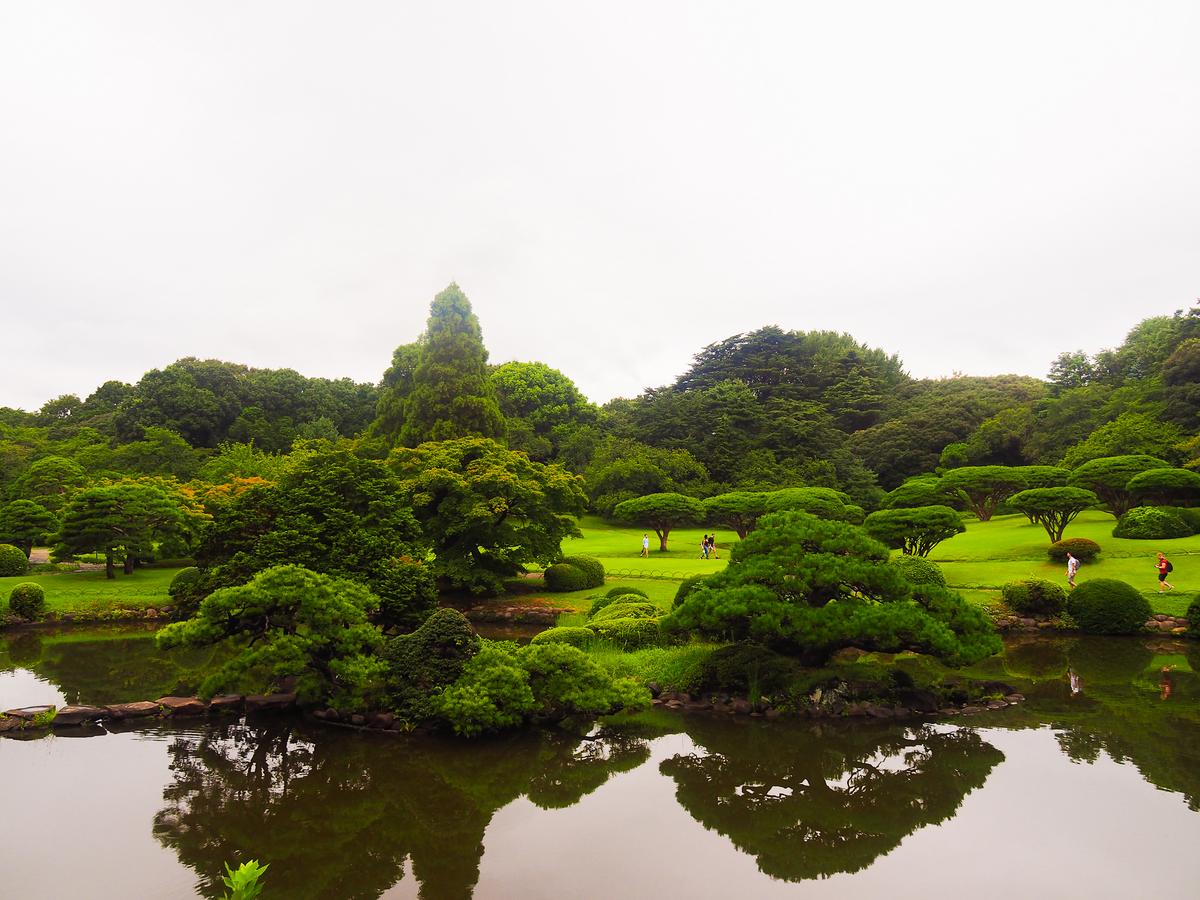
Harajuku occupies a compact area of Shibuya ward in central Tokyo, centered on JR Harajuku Station and the adjacent Meiji Jingu shrine complex. The neighborhood divides sharply between the youthful chaos of Takeshita Street and the polished, tree-lined luxury of Omotesando, making it one of Tokyo’s most varied districts. Visitors can move between ancient forest, high-fashion boutiques, and crepe stands within a ten-minute walk.
What is Harajuku known for?
Harajuku is internationally recognized for three distinct identities: Meiji Jingu, a Shinto shrine set inside a 70-hectare forested precinct dedicated to Emperor Meiji and Empress Shoken; Takeshita Street (Takeshita-dori), a narrow pedestrian lane lined with fast-fashion shops, costume vendors, and rainbow crepe stalls catering to teenagers; and Omotesando, a broad zelkova-tree-lined avenue housing flagship stores for Louis Vuitton, Prada, Dior, and local brands inside buildings designed by architects such as Tadao Ando and Toyo Ito. The confluence of shrine culture, youth subculture, and high-end retail in one walkable zone is what makes the neighborhood globally distinctive.
Best things to do in Harajuku
The single most rewarding activity in Harajuku is walking the 700-metre forested approach (sando) to Meiji Jingu shrine, passing through the massive wooden torii gate, then continuing to the inner shrine to observe or participate in a traditional purification ritual at the temizuya water pavilion. Beyond the shrine, worthwhile activities include browsing the vintage and select shops on Ura-Harajuku backstreets (Cat Street and the lanes branching off Omotesando), shopping or people-watching on Takeshita Street, and visiting the Ota Memorial Museum of Art for its ukiyo-e woodblock print collection.
- Walk the sando approach to Meiji Jingu and observe the torii gate
- Explore Cat Street (Ura-Harajuku) for independent and vintage fashion
- Browse Takeshita Street for youth fashion, candy floss, and crepes
- Visit the Ota Memorial Museum of Art for ukiyo-e prints
- Walk Omotesando and view the flagship architecture of Omotesando Hills (Tadao Ando)
Where to eat in Harajuku
Harajuku’s most iconic street food is the Harajuku crepe, a soft rolled crepe filled with whipped cream, fresh fruit, or ice cream, sold by multiple competing stalls along Takeshita Street; Marion Crepes is a long-standing Takeshita vendor. Beyond crepes, Omotesando and its side streets offer a dense concentration of cafes, Japanese restaurants, and international dining; the basement food hall of Omotesando Hills mall contains bento, pastries, and prepared foods. Maisen, a tonkatsu restaurant housed in a converted public bathhouse on a lane off Omotesando, is a well-known local institution specializing in thick-cut breaded pork cutlets.
- Harajuku crepes from stalls on Takeshita Street
- Tonkatsu at Maisen restaurant near Omotesando
- Cafe and pastry options inside Omotesando Hills basement
- Soft-serve and taiyaki snacks along Takeshita-dori side alleys
How to get to Harajuku
The primary access point is Harajuku Station on the JR Yamanote Line, which connects directly to Shinjuku (two stops north) and Shibuya (one stop south); the station exits open directly onto Takeshita Street and the Meiji Jingu approach. The Tokyo Metro Chiyoda Line and Ginza Line both stop at Meiji-Jingumae Station, which sits at the northern end of Omotesando and is the most convenient arrival point for the avenue and Cat Street. Gaienmae Station on the Ginza Line serves the southern end of Omotesando near Aoyama.
Where to walk in Harajuku
The classic Harajuku walk runs from JR Harajuku Station through the Meiji Jingu forested precinct, exits near Harajuku Station’s south exit, crosses into Yoyogi Park, then doubles back east along Omotesando to Omotesando Hills before branching south into the Cat Street backstreets toward Shibuya. This loop covers approximately 4–5 kilometres and passes every major landmark in the neighborhood. Yoyogi Park, immediately adjacent to Meiji Jingu, provides open lawns and wooded paths popular with joggers, picnickers, and weekend hobby groups.
Best time to visit Harajuku
Weekday mornings between 9 a.m. and noon offer the most comfortable visit: Takeshita Street is manageable before weekend crowds arrive, Meiji Jingu is accessible and relatively quiet, and Omotesando cafes are not yet full. Weekends, particularly Sunday afternoons, draw the densest crowds on Takeshita Street. The Meiji Jingu precinct is especially atmospheric during hatsumode (New Year shrine visits in early January) and during cherry blossom season in late March to early April when Yoyogi Park becomes a popular hanami spot.