Roppongi is a 24-hour district in Minato, central Tokyo, internationally recognized for its concentration of major art institutions, luxury mixed-use developments, and one of the city’s most active nightlife corridors. The area draws a uniquely mixed crowd of Tokyo residents, expatriates, tourists, and art lovers drawn by institutions of genuine global standing. Roppongi-dori and Gaien-Higashi-dori form the district’s main axes, anchoring everything from gallery hops to late-night ramen runs.
What is Roppongi known for?
Roppongi is best known for two things that coexist within walking distance of each other: a world-class arts cluster and Tokyo’s most internationally oriented nightlife strip. The Roppongi Art Triangle links Mori Art Museum atop Roppongi Hills Mori Tower, the National Art Center Tokyo on Roppongi 7-chome, and 21_21 Design Sight inside Tokyo Midtown — three institutions that together mount some of Japan’s most-attended contemporary and design exhibitions. After dark, the streets around Roppongi Crossing fill with bars, clubs, and restaurants that stay open well past 4 a.m.
Best things to do in Roppongi
Visiting all three Art Triangle venues in a single day is the district’s signature activity, with each institution offering a distinctly different curatorial focus — Mori for contemporary international art, the National Art Center for large-scale touring exhibitions in a stunning wave-facade building by Kisho Kurokawa, and 21_21 for design and craft. Beyond the art world, Roppongi rewards exploration with these experiences:
- Ride the elevator to the Tokyo City View observation deck on the 52nd floor of Mori Tower for panoramic views including Mt. Fuji on clear days.
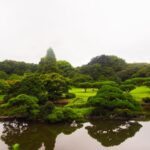
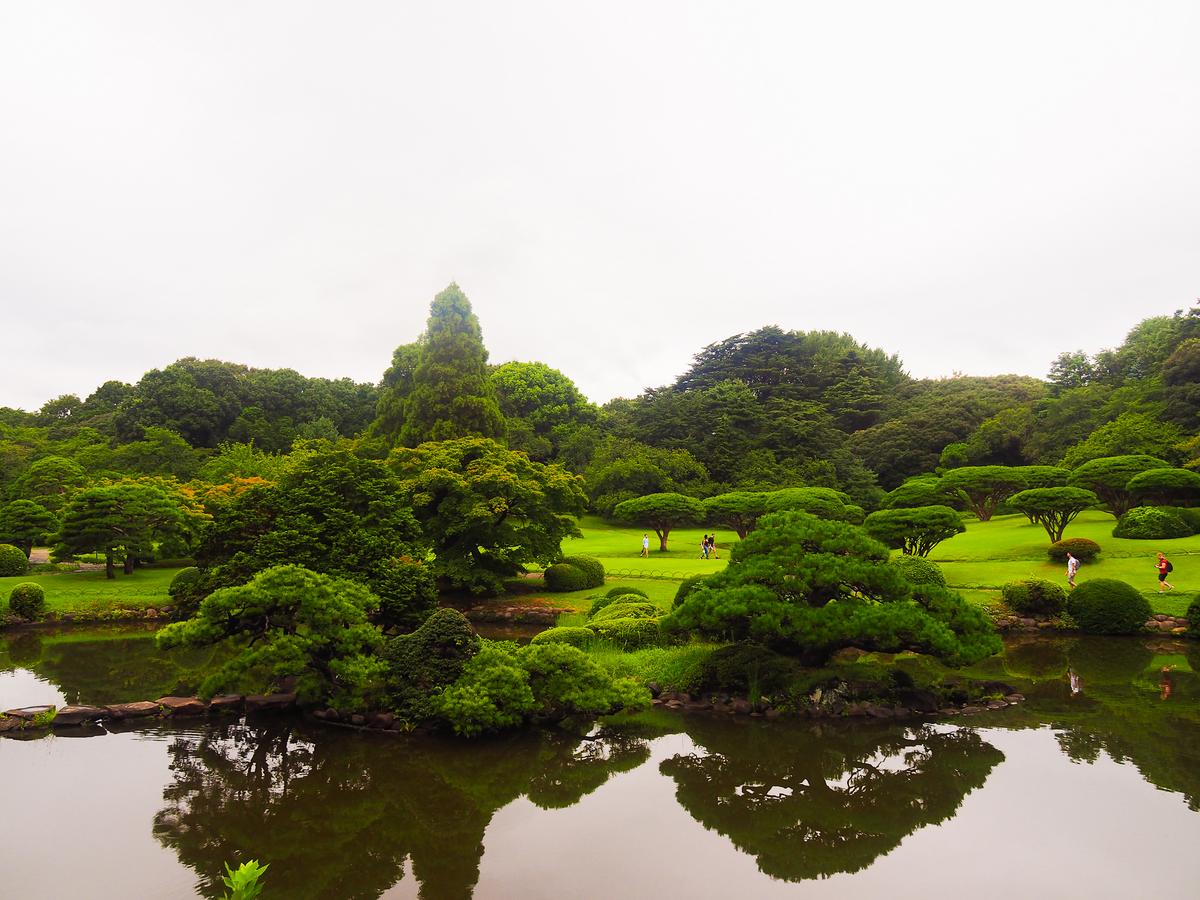
- Walk through Hinokicho Park inside Tokyo Midtown for a traditional Japanese garden moment steps from the luxury shops.
- Browse the weekend antiques and craft market held periodically on the grounds of Nogi Shrine, a Meiji-era shrine a short walk from Roppongi station.
- Explore the outdoor Mori Arts Center Gallery corridor and the giant Louise Bourgeois spider sculpture Maman outside Mori Tower.
Where to eat in Roppongi
Roppongi’s dining scene is genuinely international, with Japanese kaiseki, izakayas, Korean barbecue, and Western restaurants concentrated within the Roppongi Hills and Tokyo Midtown complexes as well as along the surrounding side streets. Ramen shops and yakitori stalls on the smaller lanes off Roppongi-dori provide affordable options alongside the high-end venues. Gonpachi Nishi-Azabu — a multi-level izakaya known for its dramatic interior — sits nearby and serves grilled kushiyaki skewers and soba in a landmark setting. Tokyo Midtown’s food hall in the basement level stocks Japanese regional specialties and bento from reputable producers.
Where to walk in Roppongi
The most rewarding walk in Roppongi runs from Roppongi station west along Roppongi-dori to Tokyo Midtown, then north along Gaien-Higashi-dori toward the National Art Center Tokyo, covering the full Art Triangle on foot in under 30 minutes. A secondary route leads south from Roppongi Hills through the residential backstreets toward Nishi-Azabu, where the density of independent galleries, quiet cafes, and low-rise townhouses gives a sense of Tokyo neighborhood life distinct from the main commercial strip.
How to get to Roppongi
Roppongi is served directly by two subway lines, making it straightforward to reach from any part of Tokyo. Roppongi Station is a stop on the Tokyo Metro Hibiya Line and the Toei Oedo Line, with direct services connecting to Shibuya, Shinjuku, and Akihabara. Tokyo Midtown is also accessible via Nogizaka Station on the Tokyo Metro Chiyoda Line, one stop from Roppongi.
Best time to visit Roppongi
Roppongi functions well year-round, but the district is most atmospheric in autumn when art institutions typically launch major new exhibitions and the Hinokicho Park maples turn. Visiting on a weekday afternoon allows relaxed access to museum galleries before evening crowds build; weekend nights bring the heaviest foot traffic around the Roppongi Crossing nightlife area, which peaks after midnight.