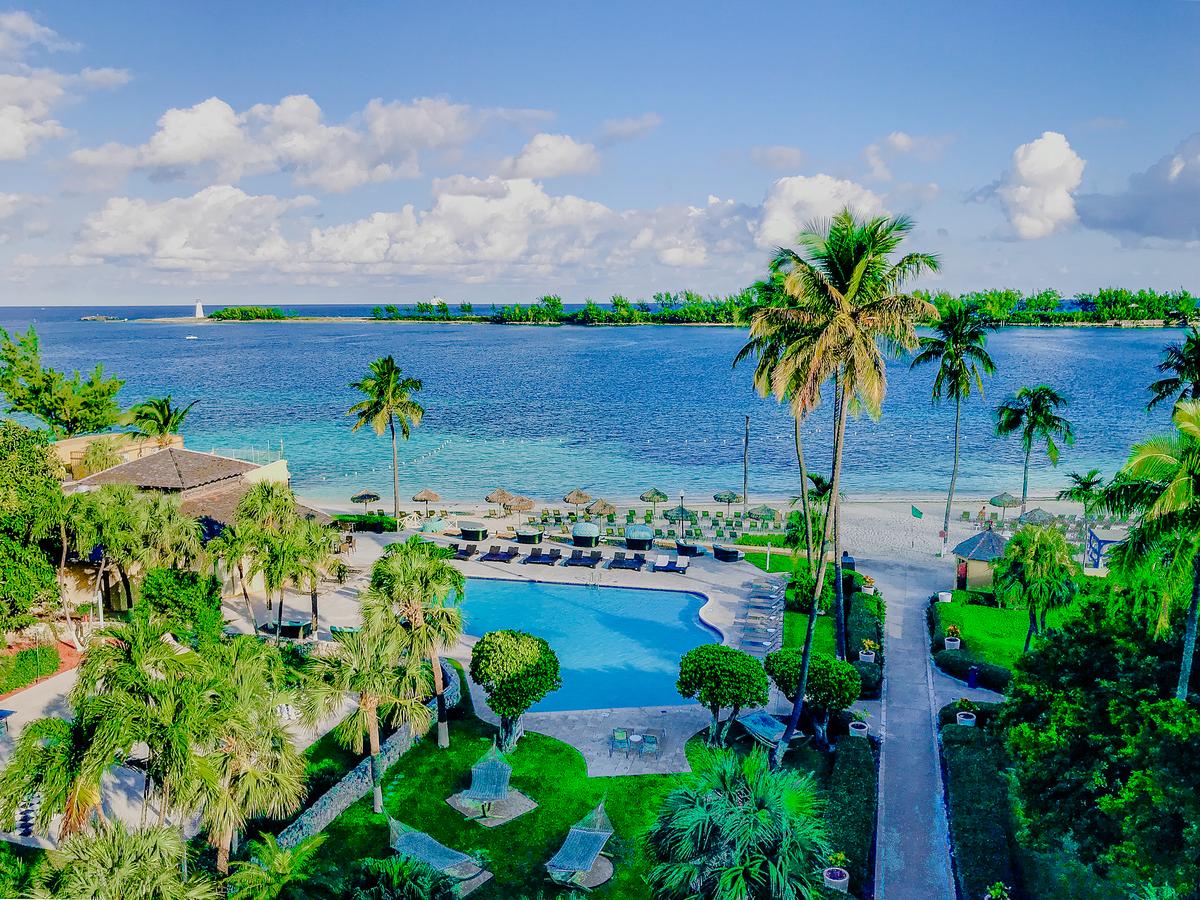
Nassau, the capital of The Bahamas, is an enchanting destination renowned for its stunning beaches, crystal-clear waters, and vibrant culture. The city offers a blend of historical charm and modern attractions, from the iconic Atlantis Resort to the historic sites of Fort Fincastle and the Queen’s Staircase. Visitors can indulge in water sports, explore lush landscapes, and experience the friendly Bahamian hospitality.
The destination guide
Nassau
Island in Bahamas, North AmericaUpdated
- Overall5/10
- Best forCouples, Adventure seekers, Luxury travelers
- PeakJan, Feb, Mar, Jun
- CurrencyBSD
Nassau is the Bahamas’ capital with Atlantis resort, a pirate museum, and a fish fry at Arawak Cay that gives you the local side beyond the cruise port.
Travel guides for Nassau
Travel tips & costs (2)
More guides featuring Nassau (8)
At a glance
CurrencyBSD
Time zoneEastern Standard Time
Setting
- Caribbean island
- Sandy beaches
- Coral reefs
- Colonial harbor
Population274K274,400 residents
VisaDuration: No tourist visa required for travel up to 90 days · Documents: Valid U.S. passport throughout the duration of stay and two blank pages for entry stamp
How Nassau scores
5/10OverallFair
Weather9/10
Value for money7/10
Safety5/10
Food & cuisine8/10
Culture & arts4/10
Cultural experience8/10
History7/10
Nature & outdoors9/10
Adventure6/10
Nightlife8/10
Shopping7/10
Family friendly5/10
Romance8/10
Character
Photography score7/10
Authenticity score8/10
Off-the-beaten-path score4/10
Editorial scores on a 10-point scale, weighed against destinations of the same kind.
Travel safety snapshot
Overall60/100Exercise precaution
Women travellers65/100
LGBTQ+ travellers60/100
Theft55/100
Medical care65/100
Physical harm60/100
Political freedom70/100
SafePlace indicators use their source 100-point scale; higher is more favourable. Planning context, not a live travel advisory — check official government guidance before you go.
When to go
Best months to visit: January, February, March, April, May, June, November and December.
- January: 22.1 to 23.3 degrees Celsius, 9.4 millimetres of rain, best-time score 5 out of 5.
- February: 22.3 to 23.6 degrees Celsius, 1 millimetres of rain, best-time score 5 out of 5.
- March: 21.8 to 23.3 degrees Celsius, 8.1 millimetres of rain, best-time score 5 out of 5.
- April: 23.9 to 25 degrees Celsius, 12.9 millimetres of rain, best-time score 5 out of 5.
- May: 25.1 to 26.3 degrees Celsius, 51 millimetres of rain, best-time score 4 out of 5.
- June: 26.8 to 28.4 degrees Celsius, 25.4 millimetres of rain, best-time score 4 out of 5.
- July: 27.5 to 28.9 degrees Celsius, 37.1 millimetres of rain, best-time score 3 out of 5.
- August: 28.4 to 29.3 degrees Celsius, 23.7 millimetres of rain, best-time score 3 out of 5.
- September: 28.3 to 29.3 degrees Celsius, 22.1 millimetres of rain, best-time score 2 out of 5.
- October: 26.8 to 28.4 degrees Celsius, 54.1 millimetres of rain, best-time score 2 out of 5.
- November: 25.1 to 25.9 degrees Celsius, 37.8 millimetres of rain, best-time score 4 out of 5.
- December: 23.7 to 24.9 degrees Celsius, 18.8 millimetres of rain, best-time score 5 out of 5.
Month-by-month conditions and packing advice
- January
- Warm and pleasant, mostly dry January in Nassau: dry-season beaches, boating, snorkeling, outdoor dining, and island excursions are most reliable. Crowds: January represents Nassau’s peak tourist season, as travelers from North America and Europe flock to the Bahamas for warm weather and sunshine. Expect bustling resorts, higher accommodation rates, and crowded beaches, particularly around New Providence Island’s main attractions. However, the excellent conditions make this a prime time for activities such as snorkeling, boating excursions, and heritage walking tours through downtown Nassau. Cruise ship arrivals are frequent, contributing to the vibrant atmosphere but also increasing foot traffic in popular areas. For those seeking quieter experiences, early morning visits to historic sites or day trips to less-visited islands provide more breathing space. Booking in advance is strongly advised for both accommodations and tours, as January demand is consistently high. Pack: Lightweight cotton or linen clothing for warm daytime weather; Swimwear for beaches and water excursions; Comfortable sandals or breathable walking shoes for city exploration; Sun hat and high SPF sunscreen to protect against strong UV rays; Light shawl or cover-up for evenings or cultural sites; Waterproof pouch or dry bag for boat trips and beach outings
- February
- Warm and pleasant, mostly dry February in Nassau: dry-season beaches, boating, snorkeling, outdoor dining, and island excursions are most reliable. Crowds: February represents a highly favorable travel window for Nassau, sitting firmly within the peak tourist season. The climate is perfect for water sports, outdoor dining, and cultural exploration, attracting higher visitor numbers from North America and Europe seeking winter sun. As a result, hotels and resorts operate near capacity, and prices for accommodations and excursions tend to be at their annual highs. Beach clubs, marine tours, and heritage sites can be busier, though the overall atmosphere remains laid-back compared to summer festival crowds. Advance booking for accommodations and popular activities such as snorkeling excursions or visits to Blue Lagoon Island is strongly recommended. The pleasant balance of warm days and mild evenings makes this month especially attractive for travelers prioritizing comfort and reliable weather conditions. Pack: Lightweight cotton and linen outfits; Comfortable sandals for beach and city walks; Wide-brimmed hat and polarized sunglasses; SPF 50+ reef-safe sunscreen; Light jacket or shawl for breezy evenings; Swimwear and quick-dry beach cover-up
- March
- Warm and pleasant, mostly dry March in Nassau: dry-season beaches, boating, snorkeling, outdoor dining, and island excursions are most reliable. Crowds: March is peak season in Nassau, drawing visitors from colder climates eager to enjoy dry, warm weather. Expect higher hotel prices and busy beaches, especially near popular resorts and cruise ship ports. The favorable climate makes this month perfect for snorkeling, diving excursions, and walking tours of historic sites like Fort Charlotte. The relatively low chance of rain means outdoor activities can be planned with confidence, though early booking is essential to secure accommodations and tours. With cruise schedules and spring break traffic, Nassau feels lively and energetic, but those seeking quieter experiences can explore outlying islands or cultural enclaves beyond the main tourist corridors. Pack: Light cotton and linen clothing for daytime heat; Comfortable sandals and walking shoes for exploring; Swimwear and reef-safe sunscreen for beach and water activities; Light jacket or shawl for breezy evenings; Wide-brimmed hat and polarized sunglasses; Smart-casual attire for dining and nightlife venues
- April
- Warm and pleasant, mostly dry April in Nassau: dry-season beaches, boating, snorkeling, outdoor dining, and island excursions are most reliable. Crowds: April sits on the shoulder of Nassau’s high season, when weather is excellent yet crowds begin to thin compared to peak winter months. Visitors benefit from slightly better hotel availability and more reasonable pricing, while still enjoying near-perfect conditions for beach days, snorkeling, and cultural sightseeing. Cruise arrivals remain steady, so popular attractions may still feel lively, but not overwhelmingly packed. It’s an excellent time for travelers who want both favorable weather and fewer logistical challenges, striking a balance between comfort, cost, and access. Early bookings are recommended for waterfront properties, but spontaneous excursions and day tours are easier to arrange than during winter’s peak. Overall, April offers one of the most rewarding months for experiencing Nassau without the stress of peak-season congestion. Pack: Breathable cotton or linen outfits for humid warmth; Comfortable sandals or walking shoes for exploring the city; UV-protective sunglasses and reef-safe sunscreen; Light rain jacket or travel umbrella for occasional showers; Swimwear and quick-dry beach towel for daily water activities; Smart-casual attire for evening dining and nightlife
- May
- Hot and sunny, some rain May in Nassau: warm weather and better value can work before or after peak winter demand. Crowds: May represents the shoulder season in Nassau, bringing warm, sunny days with manageable rainfall before the peak hurricane months. The weather remains favorable for nearly all outdoor activities—whether walking downtown to explore colonial architecture, enjoying beach days at Cable Beach, or taking excursions to the nearby Exumas. Tourist crowds begin to thin compared to winter’s high season, which means hotel prices are more moderate and availability is better, making May an attractive month for savvy travelers. Humidity can feel heavy at times, especially during midday, so outdoor adventures are best planned for mornings or late afternoons. Rain showers are brief and rarely disrupt plans. The atmosphere overall is relaxed yet lively, making May an excellent compromise between favorable conditions and more affordable travel. Pack: Lightweight breathable clothing for humid days; Swimwear for beaches and water excursions; Quick-dry travel umbrella or rain jacket; Sandals and water shoes for varied terrain; Broad-spectrum reef-safe sunscreen; Light evening wear for restaurants and nightlife
- June
- Hot and sunny, mostly dry June in Nassau: warm weather and better value can work before or after peak winter demand. Crowds: June marks the start of Nassau’s summer season, bringing hot but manageable conditions. While it edges closer to the hurricane period, June itself remains relatively dry, making it a good month for beachgoers and water sports enthusiasts. Tourist numbers are moderate compared to the winter high season, meaning more room to enjoy popular attractions without the crush of peak crowds. Hotel prices tend to be lower than the January–April peak, offering better value for travelers. Days are long and bright, giving ample time for both relaxation and exploration. However, humidity is noticeable, so travelers should pace themselves during mid-afternoon heat. Booking beachfront resorts or excursions is easier at this time, and activities such as snorkeling, sailing, and island hopping are especially rewarding. Pack: Light, breathable cotton and linen clothing for humid conditions; Swimwear and quick-dry cover-ups for beaches and boat trips; Wide-brimmed hat and reef-safe sunscreen for strong sun; Comfortable sandals or water shoes for shore and reef activities; Reusable water bottle to stay hydrated in the heat; Light rain jacket for brief tropical showers
- July
- Hot and sunny, some rain July in Nassau: heat, humidity, and storm risk increase, so flexible beach plans matter. Crowds: July represents Nassau’s humid summer season, when tourism slows compared to the winter peak. Beaches and cultural sites remain accessible with fewer crowds, and hotel rates often ease compared to the high season. While hot weather dominates, afternoon showers are usually brief, rarely disrupting plans for outdoor activities like Junkanoo museum visits, rum distillery tours, or boat excursions. Travelers should expect higher humidity and plan for breaks in shaded or air-conditioned spaces. This is a good month for budget-conscious visitors or those who prefer a more relaxed pace with less congestion at popular attractions. Early booking may secure favorable rates, but flexible itineraries are recommended to accommodate sudden showers. Pack: Lightweight linen or cotton clothing for hot, humid days; Wide-brimmed hat and SPF 50+ reef-safe sunscreen; Quick-dry swimwear for frequent beach and water activities; Compact travel umbrella or lightweight rain jacket; Comfortable sandals or breathable walking shoes; Insect repellent for evenings and outdoor dining
- August
- Hot and sunny, mostly dry August in Nassau: heat, humidity, and storm risk increase, so flexible beach plans matter. Crowds: August falls within the low tourism season in Nassau due to the combination of high heat and the Atlantic hurricane season, which peaks from August through October. While most days remain clear and dry, travelers should remain mindful of tropical storm possibilities. On the positive side, visitor numbers are thinner and hotel rates are generally lower than in the peak winter months, offering excellent value. Beaches, cultural attractions, and excursions feel less crowded, which can enhance the authenticity of the experience. Activities such as snorkeling, diving, and beachside relaxation are in their prime, but travelers should schedule excursions early in the day before the midday heat builds. Those with flexibility in their plans will find August a rewarding time to enjoy Nassau at a slower pace, but booking refundable accommodations and monitoring weather updates is advisable. Pack: Lightweight, breathable cotton or linen clothing; High SPF reef-safe sunscreen and after-sun lotion; Wide-brimmed hat and polarized sunglasses; Swimwear and quick-dry beach cover-ups; Compact rain poncho or travel umbrella for brief showers; Comfortable sandals or water shoes for shoreline exploring
- September
- Hot and sunny, mostly dry September in Nassau: peak storm-season risk makes this less balanced for a beach-first trip. Crowds: September represents shoulder season in Nassau, offering lower hotel rates and reduced crowding compared to winter’s peak tourist months. The warm sea temperatures make this an excellent time for snorkeling, diving, and beach relaxation, though visitors should monitor weather forecasts given the potential for tropical storms or hurricanes. Outdoor exploration of cultural sites and walking tours can be rewarding but should be planned around midday heat, with mornings and late afternoons more comfortable. Travelers benefit from fewer cruise ship arrivals, meaning iconic spots such as the Queen’s Staircase or Junkanoo Beach feel more relaxed. This period balances affordability with strong beach conditions, though flexibility in scheduling is advised. Booking refundable accommodations and travel insurance is recommended due to the variable weather patterns. Pack: Light, breathable cotton or linen outfits for heat and humidity; Wide-brimmed hat and polarized sunglasses for sun protection; High-SPF reef-safe sunscreen for long days outdoors; Swimwear and quick-dry beach cover-ups for water activities; Compact rain jacket or poncho for sudden tropical showers; Comfortable sandals or water shoes for beaches and boat trips
- October
- Hot and sunny, some rain October in Nassau: peak storm-season risk makes this less balanced for a beach-first trip. Crowds: October represents a shoulder season in Nassau, where weather is warm and conducive to water-based activities yet sits at the tail end of hurricane season. While heavy storms are less frequent, travelers should remain mindful of forecast updates. The benefit of visiting during this month is thinner crowds compared to the winter peak, alongside lower accommodation prices and more relaxed beach settings. Conditions are still excellent for diving, snorkeling, and cultural excursions through downtown’s historic sites. Restaurants and tours are more accessible without the high-season rush. However, humidity can make midday exploration draining, so pacing the day around cooler mornings and late afternoons works best. Advance bookings aren’t as essential as during December through April, giving travelers flexibility. Pack: Light, breathable cotton and linen clothing; Wide-brimmed hat and polarized sunglasses; High SPF reef-safe sunscreen; Waterproof sandals or quick-dry footwear; Light rain jacket or compact umbrella; Insect repellent for evenings near the water
- November
- Hot and sunny, some rain November in Nassau: warm weather and better value can work before or after peak winter demand. Crowds: November signals the start of Nassau’s high season, though it’s still slightly less crowded compared to December through March. The comfortable weather creates excellent conditions for outdoor activities such as beach days, diving, and cultural tours. Hotel rates begin to rise as the month progresses, but early November often provides better deals before the holiday rush. Travelers benefit from the balance of warm seas and reduced storm risk, making water sports and island excursions particularly rewarding. This is also when cruise traffic increases, so popular areas may feel busier in daylight hours. For those seeking both relaxation and local culture, November offers an ideal window before the peak crowds and highest prices of winter fully arrive. Pack: Light breathable clothing for warm days; Swimwear for beach and water activities; Comfortable sandals or walking shoes; Light rain jacket for brief showers; Wide-brimmed hat and reef-safe sunscreen; Smart casual outfit for resort dining and nightlife
- December
- Warm and pleasant, mostly dry December in Nassau: dry-season beaches, boating, snorkeling, outdoor dining, and island excursions are most reliable. Crowds: December marks the height of Nassau’s tourist season, driven by ideal weather and the festive spirit of the holidays. Visitors encounter lively crowds and significantly higher hotel rates, as many travelers flock here to escape northern winters. The mild temperatures make it perfect for water-based activities, from snorkeling among coral reefs to lounging on Cable Beach, as well as for walking tours through colonial architecture downtown. Rain is minimal, ensuring uninterrupted outdoor exploration. However, the popularity of this period means reservations for accommodations, excursions, and cultural events like Junkanoo must be secured well in advance. Travelers looking for serenity should seek quieter beaches or plan excursions outside peak hours. While crowds are at their highest, so too is Nassau’s cultural energy, making December a rewarding but busy time to visit. Pack: Light cotton and linen outfits for warm days; Swimwear for beaches and snorkeling; Comfortable sandals or walking shoes; Light jacket or wrap for breezy evenings; Sun hat and reef-safe sunscreen; Dressy resort wear for holiday events and dinners
Peak season
- December
- January
- February
- March
- June
- July
- August
Off-peak
- September
- October
- November
- April
- May
Know before you go
Neighbourhoods
Downtown Nassau centres on Bay Street, the main shopping thoroughfare, and the Straw Market. Historic Fort Charlotte overlooks the harbour to the west. Cable Beach, 10 km west, is a resort strip with casinos and the 2024-renovated Baha Mar complex. Paradise Island (connected by two bridges) is home to Atlantis Resort and its marine habitats. Over-the-Hill, south of Bay Street, is the oldest residential area with Junkanoo workshops and local conch shacks.
Best time to visit
The best time to visit Nassau is from mid-December to mid-April when the weather is warm and dry, making it ideal for beach activities and outdoor exploration. The summer months can be hot and humid, with a higher chance of rain, while the hurricane season runs from June to November.
Crowds
Nassau peaks December–April with winter sun tourists and frequent cruise ship arrivals (especially 10am–3pm); quietest in late summer and early fall (August–October) outside of cruise season; overall downtown and port areas are very crowded on cruise days.
Getting there and around
Getting there
Fly into Lynden Pindling International Airport (NAS) with direct flights from Miami (50 min), New York, Toronto, London, and other US cities. The airport is 16 km west of downtown (20-minute taxi). Cruise ships dock at Prince George Wharf in the heart of downtown. Fast ferries (Bahamas Ferries) connect to Harbour Island and Eleuthera. Day trips to the Exuma Cays swim with pigs depart by boat or small plane.
Getting around
Jitney buses (privately operated minibuses) run along fixed routes for BSD 1.25; routes cover Bay Street, Cable Beach, and the airport. Taxis are metered between the airport and downtown but negotiate fares elsewhere. Water taxis connect downtown Nassau to Paradise Island. Rental cars and scooters are available; driving is on the left. Ferries run to the Exumas, Eleuthera, and Harbour Island.
Top experiences in Nassau
Atlantis Resort & Aquaventure
A mega-resort on Paradise Island featuring one of the world’s largest open-air marine habitats (14 lagoons, 50,000+ marine animals), a water park (Aquaventure) with a Mayan Temple slide that passes through a shark tank, a casino, and luxury shopping. The resort complex covers 141 acres. Day passes are available for non-guests. The marine habitat includes a walk-through tunnel beneath a lagoon of sharks and rays.
Swimming Pigs of Exuma
A colony of feral pigs inhabits Big Major Cay in the Exuma Cays, 130 km southeast of Nassau. The pigs swim out to greet approaching boats, hoping for food. Day-trip excursions from Nassau by small plane or speedboat typically combine the pigs with nurse shark encounters at Compass Cay, swimming in Thunderball Grotto, and snorkelling. The trip is the Bahamas’ most viral tourism attraction.
Fort Charlotte & Historical Downtown
Built in the 1780s under Lord Dunmore, Fort Charlotte is the largest colonial-era fort in Nassau, with a waterless moat, underground passages, and cannons overlooking the harbour. Downtown’s colonial buildings include the pink Government House (1801), Christ Church Cathedral (1837), and the Queen’s Staircase—66 steps carved from solid limestone by slaves in the 1790s. A Junkanoo Museum tells the story of the Bahamas’ signature parade festival.
Cable Beach & Baha Mar Resort
A 3-km stretch of white sand 10 km west of downtown, flanked by the Baha Mar mega-resort complex (opened 2017). Baha Mar includes three hotels, a Jack Nicklaus-designed golf course, a casino (the largest in the Caribbean), a national art gallery, and a flamingo sanctuary. The beach is one of the widest on New Providence, with calm water and food and drink available from resort beachfront bars.
Junkanoo Festival
The national festival of the Bahamas, held in the early hours of Boxing Day (December 26) and New Year’s Day. Costumed groups (crews) compete in a dazzling parade of music, dance, and elaborately decorated paper and cardboard costumes down Bay Street. The rhythmic cowbell, goatskin drum, and brass instruments create a uniquely Bahamian sound. Preparations take months, and the event draws tens of thousands of spectators. Year-round Junkanoo performances are held at Arawak Cay.
Editor-curated picks carried over from our original guide. Where a full place guide exists, the card links to it.
Worth booking ahead in Nassau
Hand-picked from the operators our guides already send readers to. Prices and availability are live on the partner site.
BrowseViator
Tours and tickets in Nassau on Viator (opens Viator in a new tab)
Viator's full list of bookable tours and tickets in Nassau.
BrowseGetYourGuide
Experiences in Nassau on GetYourGuide (opens GetYourGuide in a new tab)
Everything GetYourGuide sells in Nassau, with the cancellation terms on each listing.
Where to stayBooking.com
Stays in Nassau (opens Booking.com in a new tab)
Live rates and availability for Nassau on Booking.com; filter by neighbourhood once you know where your days start.
We earn a commission if you book through these links, at no extra cost to you. It is how we keep the guides free and independent.
Where to stay
Atlantis Paradise Island
1 Casino Drive, Nassau, Bahamas
Iconic mega-resort on Paradise Island with a marine habitat, water park, multiple pools, casino, and over 20 restaurants and bars.
Baha Mar
West Bay Street, Cable Beach, Nassau, Bahamas
All-inclusive beachfront resort on Cable Beach with a luxury spa, multiple pools, a casino, and refined dining.
British Colonial Hilton Nassau
Bay Street, Downtown Nassau, Bahamas
Colonial-style boutique hotel in the heart of downtown Nassau with harbour views, a pool, and walking access to the straw market and parliament buildings.
Editor-curated stays carried over from our original guide. Where we have reviewed the hotel, the card links to the review.
Tips from the field
Practical tips
- Currency: Bahamian Dollar (BSD), pegged 1:1 to USD. US Dollars accepted everywhere.
- Getting There: Lynden Pindling International Airport (NAS) is 16 km from downtown. Taxis are fixed-rate (-40 to Cable Beach, -50 to Paradise Island).
- Transportation: Jitneys (minibuses) run along main routes (.25). Taxis for most tourist travel (rates are fixed, not metered). Water taxis between Nassau and Paradise Island.
- Dining: Conch is the national dish — try conch salad, cracked conch, and conch fritters (-15). Fish Fry at Arawak Cay is the local dining hub. Resort dining is expensive (-80+).
- Free Attractions: Queen's Staircase, Fort Charlotte, Junkanoo Beach, Arawak Cay Fish Fry browsing, Parliament Square, downtown walking.
- Tipping: 15-20% at restaurants
- Electricity: 120V/60Hz, Type A/B plugs
Culture, customs and safety
Cultural heritage
Nassau represents the cultural synthesis of Bahamian island heritage and Caribbean colonial history, where Lucayan indigenous traditions, British colonial influence, and Afro-Caribbean cultural development created the distinctive Bahamian cultural identity. The city preserves traditional Bahamian customs including Junkanoo festivals while maintaining its role as cultural center of the Bahamian archipelago and Caribbean tourism destination. Nassau cultural heritage encompasses indigenous Lucayan culture, British colonial Caribbean heritage, Afro-Caribbean cultural traditions, and contemporary Bahamian identity that continues to represent authentic Caribbean cultural expression and island community values.
Local customs & etiquette
In Nassau, greet with ‘Good morning/afternoon’. Bahamians are warm and welcoming. Tipping is customary (15-20% in restaurants). Island time is relaxed – don’t rush.
Safety notes
Nassau requires awareness but tourist areas are generally safe.
General Safety:
• Paradise Island, Cable Beach, and resort areas are well-secured
• Downtown Nassau near the cruise port is safe during daytime
• Avoid wandering into residential areas (“Over-the-Hill”) especially after dark
• Petty crime (bag-snatching, pickpocketing) can occur
Beach Safety:
• Strong currents at some beaches — swim at lifeguarded areas
• Jet ski rental operators may not carry proper insurance
Scams:
• Hair-braiders and craft vendors near the cruise port can be aggressive
• Negotiate prices before accepting any service
Emergency number: 919 (police), 919 (ambulance)