
MenuClose

Plan the practical part

Austria Travel Cost Guide: How Much to Visit in 2026?

Daily budget guide for Austria (prices in EUR)Updated

  • Budget€55–€153 / day
  • Mid-range€153–€690 / day
  • Luxury€690–€1,035 / day
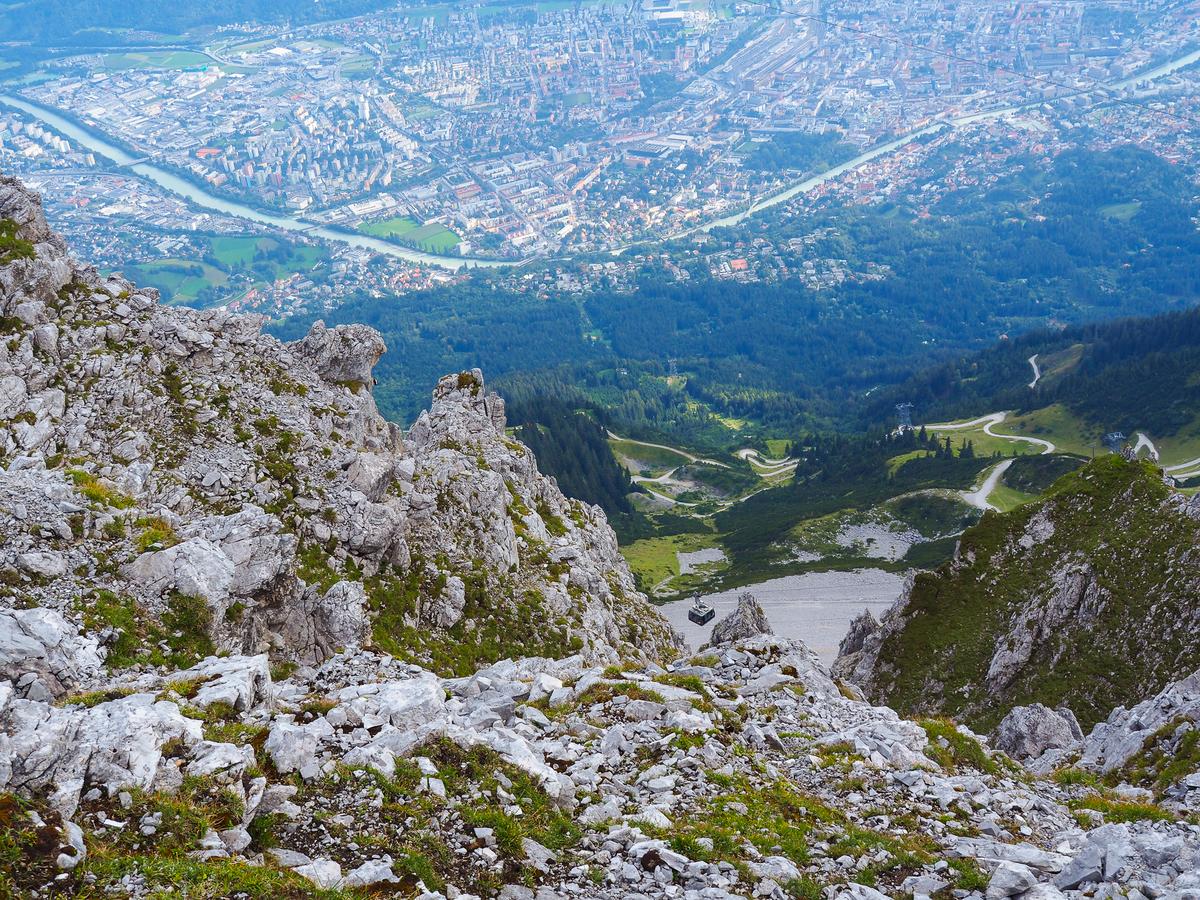
Breathtaking View of Innsbruck from Alpine Summit - Aerial perspective of Innsbruck, Austria.
Kyle Kroeger / ViaTravelers
Daily budget

What a day in Austria costs

Budget

€55–€153 / day

≈ $64 USD

Hostels or guesthouses, street food and markets, public transport.

Mid-range

€153–€690 / day

≈ $177 USD

Comfortable hotels, sit-down restaurants, a few paid activities.

Luxury

€690–€1,035 / day

≈ $799 USD

Boutique or five-star stays, fine dining, private tours and transfers.

Estimates are per person, per day, in EUR. USD equivalents use open.er-api.com exchange rates from 3 Sep 2026.

Make it your trip

What could your trip cost?

Choose your pace and travel style. Start with the published daily estimate, then make room for the things you care about.

Estimated trip budget · EUR

€1,071–€4,830

7 days · 1 traveler · Mid-range

Daily budget per person
€153–€690
Season adjustment
×1

An editorial estimate, not a booking quote. Daily budget × days × travelers × season adjustment. Add flights, insurance, and any costs outside the guide separately. Shared rooms and child rates may change your total.

Seasonal pricing

Prices through the year

  • Low×0.8
  • High×1.35
  • Shoulder×0.95

Summary: The best time to visit Austria depends on the desired activities. The shoulder seasons of April-May and September-October offer the best balance of good weather, fewer crowds, and lower prices for general tourism. For skiing, the winter high season (December-March) is necessary. For city-specific travel on a budget, the urban low season (November & January-March) is ideal.

Overview

Austria is where Alpine grandeur meets imperial elegance — from the snow-capped peaks of Tyrol and the lake districts of Salzkammergut to the baroque splendor of Vienna and the Sound of Music charm of Salzburg. The country offers year-round appeal: world-class skiing in winter, spectacular hiking and lake swimming in summer, and cultural riches including opera, classical music, and coffeehouse culture throughout the year.

The euro (EUR) is used. Austria is pricier than its Eastern European neighbors but offers good value through excellent public transport, free alpine activities, and traditional Beisl (pub) dining. The KlimaTicket provides unlimited public transport nationwide at great value. Visit June-September for hiking and lakes; December-March for skiing; shoulder months for city exploration at lower prices.

Daily Budget Breakdown

Budget ($80-$120/day): Stay in hostels or pensions ($40-$80/night), eat at Beisl and bakeries ($12-$20/day), use public transport ($2-$4/ride), and hike free alpine trails and swim in public lake spots.

Mid-Range ($140-$250/day): Book 3-4 star hotels ($90-$200/night), dine at Austrian restaurants ($25-$45/day), visit palaces and museums ($10-$20 each), and take cable cars to mountain summits ($25-$50).

Luxury ($350-$600+/day): Reserve luxury hotels like Hotel Sacher ($250-$600+/night), enjoy fine dining and Michelin restaurants ($55-$120/day), book private ski guides and cultural tours ($100-$250), and attend Vienna State Opera ($15-$250).

How to Save Money in Austria

  • Buy the KlimaTicket for unlimited trains, buses, and trams across Austria — exceptional value for multi-city trips.
  • Eat at Beisl (traditional pubs) where Wiener Schnitzel or Tafelspitz costs $10-$15 per plate.
  • Stay in smaller towns like Hallstatt approaches or Wachau Valley villages for 30-50% less than Vienna or Salzburg.
  • Hike the Alps for free — thousands of kilometers of marked trails cost nothing.
  • Buy standing-room opera tickets in Vienna for $3-$5 — experience world-class performances at almost no cost.

Worth the Splurge

  • An original Sacher-Torte at Hotel Sacher in Vienna — the world’s most famous chocolate cake ($8-$10).
  • A concert at the Vienna State Opera or Musikverein — standing tickets start at just $3-$5.
  • The Grossglockner High Alpine Road — one of Europe’s most spectacular mountain drives ($40 toll + gas).
  • Hallstatt village — the fairy-tale lakeside town that is one of Austria’s most photographed places (free to walk around).
Tips

Stretch your budget

Ways to save
  • Book trains and accommodation well ahead for city and Alpine routes
  • Eat at Wurstelstande, bakeries, and weekday lunch menus instead of full dinner service
  • Use public transport and city passes where they fit your actual itinerary
  • Choose guesthouses, small hotels, or hostels instead of peak-season resorts or central luxury stays
  • Travel in April-May or September-October for stronger value than peak summer or ski weeks
Budget tips
  • Use rail passes or advance train tickets for intercity travel, stay in guesthouses or simple hotels outside the most expensive cores, eat lunch menus or sausage-stand meals, and travel in spring or autumn for better value.
Worth the splurge
  • Stay in historic 5-star hotels like the Hotel Sacher, with rooms often exceeding €800 per night.
  • Arrange for a bespoke private tour with a dedicated guide and driver, which can cost thousands for a multi-day trip.
  • Indulge in exclusive culinary experiences like private pastry-making classes or chef-led market tours.
  • Secure prime seats for a performance at the Vienna State Opera or the Salzburg Festival.
  • Attend one of Vienna's prestigious society balls during the winter 'Ball Season'.
Local discounts
  • Students and seniors should always carry ID for potential discounts. In Vienna, children under 19 get free entry to all federal museums (e.g., Kunsthistorisches Museum, Belvedere, Albertina).
  • Look for 'combi-tickets' that bundle entry to 2-3 related attractions for a reduced price, like the Sisi Museum ticket in Vienna which includes Schönbrunn Palace.
Budget stays
  • A bed in a shared dormitory is the most economical option, generally costing between €16 and €45 per night. In Vienna, expect prices from €24 to €40, while in Salzburg, hostels like a&o Hauptbahnhof or Yoho International Youth Hostel range from approximately €36 to €45.
  • Budget hotels start around €60-€80. Self-catered apartments and Airbnbs offer a similar price range, from €60-€150 in Vienna.
Luxury options
  • Luxury hotels start at €170 and can surpass €1,000 per night. Iconic establishments include Hotel Sacher in Vienna and Salzburg, and Hotel Schloss Mönchstein in Salzburg.
  • Bespoke, private multi-day tours with expert guides and private drivers are available. A 10-day tour can cost nearly $28,000 per person.
  • Includes private pastry-making lessons, chef-led market tours, exclusive winery tastings, and securing prime seats at the Vienna State Opera or attending a society ball.
Free things to do
  • Vienna: Explore the gardens of Schönbrunn and Belvedere palaces.
  • Vienna: Walk the historic Ringstrasse.
  • Vienna: Visit the Wien Museum on Karlsplatz (free entry).
  • Vienna: Enter the city's many ornate churches.
  • Salzburg: Hike the city mountains of Mönchsberg and Kapuzinerberg for panoramic views.
  • Salzburg: Explore the Mirabell Gardens.
  • Salzburg: Visit the city's many beautiful churches.
FAQ

Frequently asked questions

What is a realistic daily budget for a mid-range trip to Austria?

A mid-range traveler should budget approximately €153 to €285 per person per day. This covers a comfortable hotel, a mix of restaurant and casual meals, public transport, and entry to several attractions.

Is Austria an expensive country to visit?

Austria is moderately priced for Western Europe. It is more affordable than Switzerland, the UK, or France, but more expensive than Eastern European countries like the Czech Republic or Hungary. A trip can be done on a tight budget or can be extremely luxurious.

When is the cheapest time to visit Austria?

For city-focused travel, the cheapest time is the low season of November and January through March (excluding ski resorts). For general travel including mountains, a shoulder season of April-May and September-October offers the best value.

How can I save money on food in Austria?

Eat at 'Würstelstände' (sausage stands), grab a 'Leberkäsesemmel' from a supermarket deli, make lunch your main meal to take advantage of cheaper set menus, and drink the excellent free tap water.

Is the Vienna City Card worth it?

For most sightseers, it is not. The discounts are small. A standard weekly public transport pass (€17.10) is often a better value. The card is more for convenience and small discounts on shopping or dining.

Is the Salzburg Card worth it?

Yes, for most first-time visitors it is an excellent value. It provides free entry to nearly all major attractions and pays for itself after visiting just 2-3 of them. With the new Guest Mobility Ticket providing free transport, the card's value is purely in the attractions access.

Planning the trip? Read the full Austria guide.

Updated Data: Editorial research · Published daily-cost surveys · Open exchange rates