
MenuClose

Plan the practical part

Kenya Trip Cost: How Much Does It Cost to Visit in 2026?

Daily budget guide for Kenya (prices in KES)Updated

  • BudgetKES 6,473–KES 23,304 / day
  • Mid-rangeKES 23,304–KES 77,679 / day
  • LuxuryKES 77,679–KES 116,519 / day
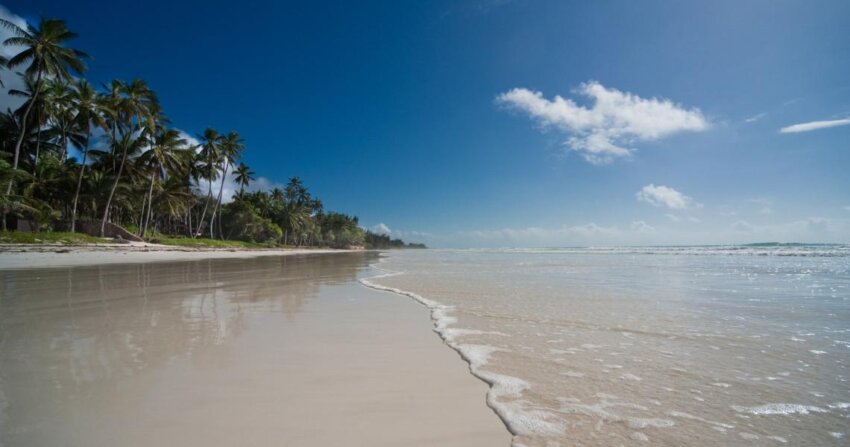
Diani Beach, Kenya
Daily budget

What a day in Kenya costs

Budget

KES 6,473–KES 23,304 / day

≈ $50 USD

Hostels or guesthouses, street food and markets, public transport.

Mid-range

KES 23,304–KES 77,679 / day

≈ $180 USD

Comfortable hotels, sit-down restaurants, a few paid activities.

Luxury

KES 77,679–KES 116,519 / day

≈ $600 USD

Boutique or five-star stays, fine dining, private tours and transfers.

Estimates are per person, per day, in KES. USD equivalents use open.er-api.com exchange rates from 3 Sep 2026.

Make it your trip

What could your trip cost?

Choose your pace and travel style. Start with the published daily estimate, then make room for the things you care about.

Estimated trip budget · KES

KES 163,128–KES 543,753

7 days · 1 traveler · Mid-range

Daily budget per person
KES 23,304–KES 77,679
Season adjustment
×1

An editorial estimate, not a booking quote. Daily budget × days × travelers × season adjustment. Add flights, insurance, and any costs outside the guide separately. Shared rooms and child rates may change your total.

Breakdown

Where the money goes

Daily cost by category and budget tier, in KES
CategoryBudgetMid-rangeLuxury
DoKES 30KES 100KES 300

Category figures are typical daily spends; the tier totals above them include everyday extras, so the two need not match to the unit.

Cost of living

Everyday prices

Meal budget
KES 5
Mid-range meal for two
KES 20
Meal luxury
KES 60
Local beer
KES 3
Cappuccino
KES 2
Bottled water
KES 0.50
Local transport
KES 1

Typical prices at the time of research, in KES; expect variation by neighbourhood and season.

Seasonal pricing

Prices through the year

  • Low×0.5
  • High×1.4
  • Shoulder×0.8

The best time to visit Kenya is during the dry seasons, from June to October and January to February, when wildlife viewing is at its peak. The weather is generally pleasant, making it ideal for safaris and outdoor activities. The rainy seasons, while lush and green, can make some roads difficult to navigate.

Overview

Kenya is where the African safari was born, and it remains one of the continent’s most compelling destinations. The Masai Mara’s annual wildebeest migration, Amboseli’s elephants against the backdrop of Kilimanjaro, and the flamingo-lined shores of Lake Nakuru deliver wildlife experiences that define the genre. Beyond safari, Kenya offers the cosmopolitan energy of Nairobi, pristine Indian Ocean beaches, ancient Swahili culture in Lamu, and the challenge of Mount Kenya’s glaciated peaks.

The Kenyan shilling (KES) is the local currency, with US dollars widely accepted for safari and tourism payments. Safari costs dominate most Kenya budgets — guided group safaris run $150-$300/day while luxury private camps reach $500-$800+/day. Outside the safari circuit, Kenya is affordable: Nairobi city life, coastal towns, and domestic travel are all reasonably priced. The two main safari seasons are July-October (Great Migration) and January-February (dry season in most parks).

Daily Budget Breakdown

Budget ($50-$100/day): Stay in guesthouses or budget hotels ($15-$40/night), eat at local restaurants ($5-$12/day), use matatus and budget buses ($0.50-$10), and visit accessible parks like Nairobi National Park or Hell’s Gate ($20-$30 entrance).

Mid-Range ($150-$300/day): Book safari lodges or mid-range hotels ($60-$150/night), dine at restaurants ($15-$30/day), join group safari drives ($100-$250/day including vehicle and guide), and add cultural visits to Masai villages ($15-$30).

Luxury ($400-$800+/day): Reserve luxury tented camps or exclusive lodges ($250-$800+/night all-inclusive), enjoy bush dinners and lodge dining ($40-$100/day), book private safari vehicles with expert guides ($200-$400/day), and arrange hot air balloon safaris over the Mara ($400-$500).

How to Save Money in Kenya

  • Join group safaris (6-8 people sharing a vehicle) to split costs — 40-60% cheaper than private safaris.
  • Visit during green season (March-May or November) for lower lodge rates and fewer tourists (wildlife is still excellent).
  • Eat at local restaurants in Nairobi and towns where a full ugali and nyama choma meal costs $2-$5.
  • Use the SGR train between Nairobi and Mombasa ($15-$50) instead of flying ($80-$150).
  • Consider self-drive in parks like Hell’s Gate and Lake Nakuru to avoid guide fees.

Worth the Splurge

  • A Masai Mara safari during the Great Migration (July-October) — millions of wildebeest and dramatic river crossings ($200-$500/day).
  • A hot air balloon ride over the Masai Mara at dawn — seeing the savanna and wildlife from above ($400-$500).
  • Diani Beach on the Indian Ocean coast — white sand, reef snorkeling, and seafood at a fraction of Caribbean prices ($40-$100/night).
  • A visit to the David Sheldrick Elephant Orphanage in Nairobi — baby elephants being rehabilitated for release ($5-$10 donation).
Tips

Stretch your budget

Ways to save
  • Travel during low season (April-May and October-November) when Masai Mara lodges drop rates by 40-60%
  • Take the SGR train from Nairobi to Mombasa for about 1,500 KES (roughly $12) instead of flying
  • Stay at budget tented camps just outside park gates instead of luxury lodges inside — same wildlife, a fraction of the price
  • Eat at local cafes where a full meal costs $3-5 instead of lodge restaurants at $30-50
  • Use M-Pesa mobile payments (available with a local SIM) for everything — it is cheaper and avoids currency exchange fees
Budget tips
  • Join group safaris to share vehicle costs. Visit during shoulder season (March-May, October-November) for lower prices and fewer tourists. Eat at local restaurants where meals cost $2-$5. Use matatus for cheap intercity travel. Self-drive in some parks is possible and much cheaper than guided safaris. Book through local operators rather than international agencies.
Free things to do
  • Walking through Karura Forest in Nairobi (free entry for Kenyan SIM holders)
  • Exploring Nairobi city markets and the colorful matatu bus culture
  • Watching sunset over Lake Naivasha from the public shoreline
  • Visiting Uhuru Gardens and the new Kenyatta International Conference Centre observation deck
  • Swimming at Diani Beach or Watamu Beach (public access, no fee)
FAQ

Frequently asked questions

How much does a budget safari in Kenya cost?

A 3-day budget camping safari to Masai Mara costs $350-500 per person including transport, park fees, meals, and tent accommodation. Group safaris with shared vehicles are the most affordable option.

Is it safe to use matatus (minibuses) in Kenya?

Matatus are the primary public transport and generally safe during daylight hours. A short city ride costs under 50 KES ($0.40). For intercity travel, the SGR train or reputable bus companies like Easy Coach are more comfortable alternatives.

When is the cheapest time to visit Kenya?

April-May (long rains) and October-November (short rains) offer the lowest prices. Lodge rates drop 40-60%, and some parks have reduced entry fees. Wildlife viewing is still excellent, just with occasional afternoon showers.

Planning the trip? Read the full Kenya guide.

Updated Data: Editorial research · Published daily-cost surveys · Open exchange rates