
MenuClose

Plan the practical part

Lübeck Trip Cost: How Much Does It Cost to Visit in 2026?

Daily budget guide for Lübeck (prices in EUR)Updated

  • Budget€65–€155 / day
  • Mid-range€155–€380 / day
  • Luxury€380–€570 / day
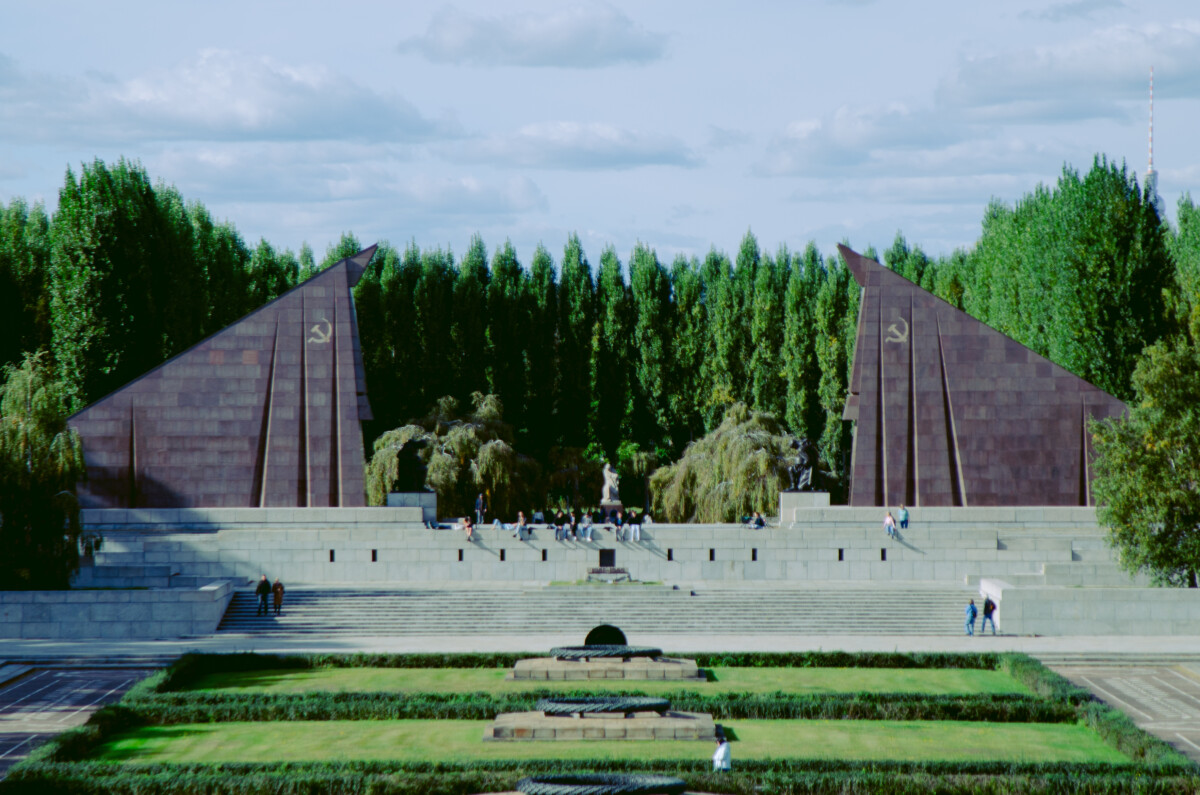
Treptower Park Soviet Memorial
Tiago/ Adobe Stock
Daily budget

What a day in Lübeck costs

Budget

€65–€155 / day

≈ $75 USD

Hostels or guesthouses, street food and markets, public transport.

Mid-range

€155–€380 / day

≈ $180 USD

Comfortable hotels, sit-down restaurants, a few paid activities.

Luxury

€380–€570 / day

≈ $440 USD

Boutique or five-star stays, fine dining, private tours and transfers.

Estimates are per person, per day, in EUR. USD equivalents use open.er-api.com exchange rates from 3 Sep 2026.

Make it your trip

What could your trip cost?

Choose your pace and travel style. Start with the published daily estimate, then make room for the things you care about.

Estimated trip budget · EUR

€1,085–€2,660

7 days · 1 traveler · Mid-range

Daily budget per person
€155–€380
Season adjustment
×1

An editorial estimate, not a booking quote. Daily budget × days × travelers × season adjustment. Add flights, insurance, and any costs outside the guide separately. Shared rooms and child rates may change your total.

Cost of living

Everyday prices

Inexpensive meal
€7-12
Mid-range meal for two
€18-30
Local beer
€3.50-5
Cappuccino
€2.50-3.50
Single transit ticket
€2.50 (bus)

Typical prices at the time of research, in EUR; expect variation by neighbourhood and season.

Seasonal pricing

Prices through the year

  • Low×0.82
  • High×1.25
  • Shoulder×1.02

May through September for pleasant weather. December brings the famous Lübeck Christmas Market in the Old Town.

Overview

Lubeck was once the capital of the Hanseatic League — the powerful medieval trading network that dominated Northern Europe for centuries. The entire Old Town sits on an island surrounded by the Trave River and a canal, creating a perfectly preserved enclave of red-brick Gothic architecture, soaring church spires, and narrow alleyways that earned UNESCO World Heritage status. Lubeck is also the world capital of marzipan, with the legendary Niederegger cafe and shop as its temple. Thomas Mann was born here, and the Nobel laureate s family home is now a museum. The city sits just 65 minutes from Hamburg by train and offers excellent value.

Daily Budget Breakdown

Budget travelers ($65/day): Stay in hostels or budget hotels, eat at bakeries and imbiss stands, walk the island Old Town, admire the Holstentor and church exteriors for free, and enjoy free marzipan samples at Niederegger.

Mid-range travelers ($155/day): Book a charming Old Town hotel, enjoy north German cuisine and Baltic fish at traditional restaurants, visit the Holstentor museum, St. Mary s Church, and the Buddenbrookhaus, and take a bus to Travemunde s Baltic beach.

Luxury travelers ($380+/day): Stay at the best Old Town properties, dine at Wullenwever or other fine restaurants, book a private guided tour of Hanseatic Lubeck, and enjoy a day at the Travemunde seaside resort with waterfront dining.

Where to Save

The Holstentor — Lubeck s iconic twin-towered gate and one of the most recognizable medieval structures in Germany — is free to photograph and admire from outside. The island Old Town s alleyways, courtyards (Gangeviertel), and church exteriors are all free to explore. Niederegger marzipan shop offers free samples of their legendary marzipan. Bakeries sell excellent bread and pastries for under 3 EUR. The Baltic beach at Travemunde is free and reachable by affordable city bus. The Deutschland-Ticket covers the train from Hamburg. Many churches are free to enter. The Christmas Market (November-December) is one of northern Germany s best and free to walk through.

Where to Splurge

St. Mary s Church (Marienkirche) houses the world s tallest brick vault and the famous Totentanz (Dance of Death) chapel — a medieval masterpiece worth the modest entry fee. The Buddenbrookhaus museum, dedicated to Thomas Mann s Nobel Prize-winning novel set in Lubeck, is fascinating. A Baltic seafood lunch at a Travemunde fish restaurant, with boats bobbing in the harbor, is quintessential north German coast. The Niederegger Marzipan Cafe s second-floor museum traces the history of Lubeck marzipan, and their elaborate marzipan creations make unique gifts. The organ concerts in St. Mary s Church continue a tradition that Buxtehude and the young Bach himself participated in.
Tips

Stretch your budget

Ways to save
  • Day trip from Hamburg (45 min train, €15-20 return) instead of staying in Lübecks limited hotel market
  • Visit the free Niederegger Marzipan Museum on the 2nd floor — life-size marzipan figures and history without entry fee
  • Eat Mittagsmenü (lunch specials) at local restaurants for €8-12 — significantly cheaper than dinner prices
  • Buy marzipan from smaller confectioneries instead of tourist shops for better prices
  • Walk everywhere — Lübecks UNESCO Old Town island is compact and entirely pedestrian-friendly
Budget tips
  • Lubeck s island Old Town is entirely walkable. The Holstentor gate and many churches are free to view externally. Niederegger marzipan shop offers free samples. The Baltic beach at Travemunde is a cheap bus ride away. Deutschland-Ticket covers trains. Visit the free Lubeck Christmas Market in December. Student-friendly pricing due to the university.
Free things to do
  • Walk the UNESCO Old Town island — brick Gothic churches, merchants houses, and medieval alleyways
  • Visit the free Niederegger Marzipan Museum — life-size marzipan figures and Lübecks sweet history
  • Enter free churches including St. Marys (Marienkirche) — stunning brick Gothic interior
  • Stroll the Trave River promenade — waterfront walks with views of the Holstentor gate and old warehouses
  • Photograph the iconic Holstentor gate from the riverside — Lübecks most famous landmark (free exterior)
FAQ

Frequently asked questions

Is Lübeck worth visiting?

Yes — the UNESCO Old Town island is Germanys finest brick Gothic city. The marzipan tradition, medieval churches, and Trave River atmosphere make it special. Easily done as a day trip from Hamburg (45 min train).

How long do you need in Lübeck?

1 day covers the highlights — Holstentor, Old Town, Niederegger marzipan, Marienkirche, and Trave waterfront. An overnight adds evening atmosphere in the medieval streets and time for the Buddenbrooks Museum.

What is Lübeck famous for?

Niederegger marzipan (the worlds finest since 1806), the Holstentor gate, brick Gothic architecture, Thomas Manns Buddenbrooks, and being the Queen of the Hanseatic League. Its also Germanys Christmas market capital.

Planning the trip? Read the full Lübeck guide.

Updated Data: Editorial research · Published daily-cost surveys · Open exchange rates