

Antwerp: Historic Flemish City
Antwerp packs Rubens, Gothic spires, and a working diamond district into a city small enough to cover on foot in a weekend.
The ViaTravelers atlas · Collections
Explore travel collections organized around interests, activities, and travel styles. Find places and guides for your next trip.
812 published guides and stories to explore
Antwerp packs Rubens, Gothic spires, and a working diamond district into a city small enough to cover on foot in a weekend.

Gothic towers next to Art Nouveau facades next to Brutalist slabs — some cities never erased their past, and walking them tells you everything.
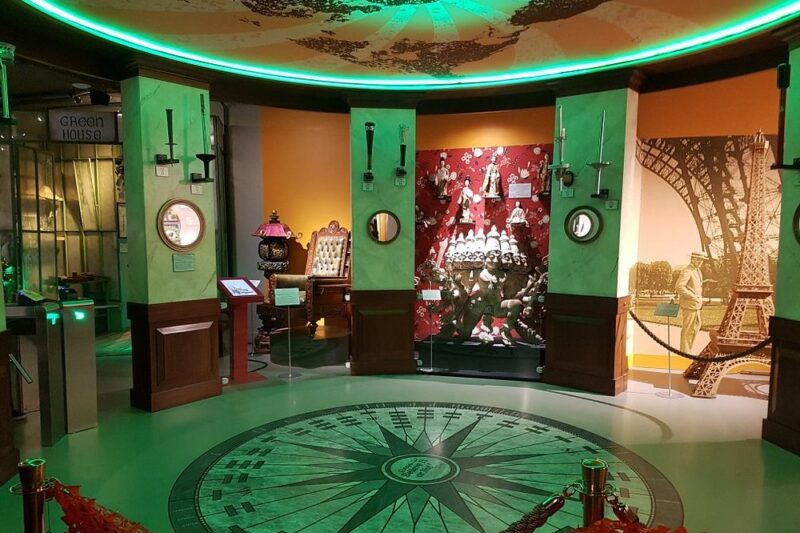
The best art galleries don’t just hang paintings — they reframe how you see the city around them. These are the ones worth the detour.
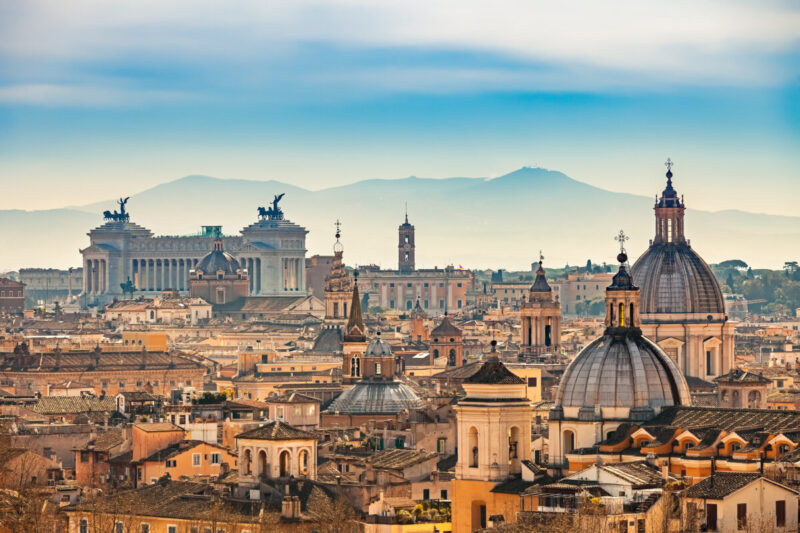
The mosaics at Ravenna stopped me cold. Nothing in Rome prepared me for what Byzantine craftsmen did with gold and light.
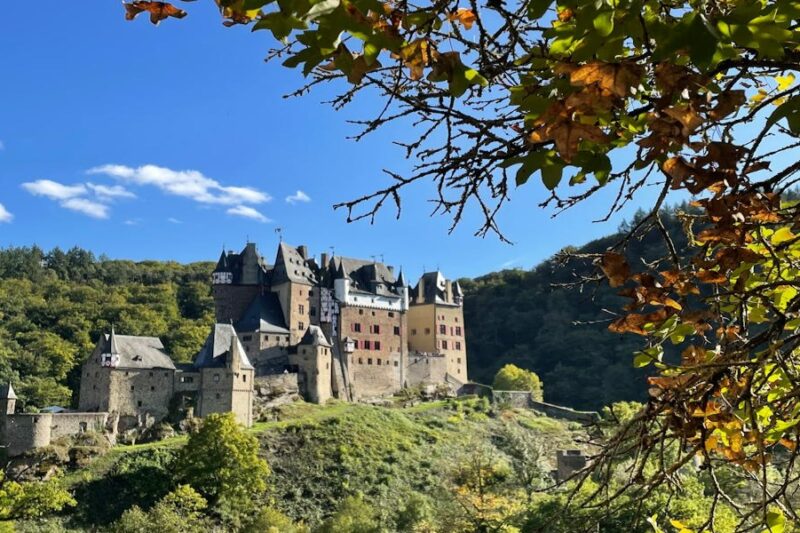
Castles are where history gets physical — walls that held sieges, towers that stored secrets, and courtyards that still echo with centuries of power.
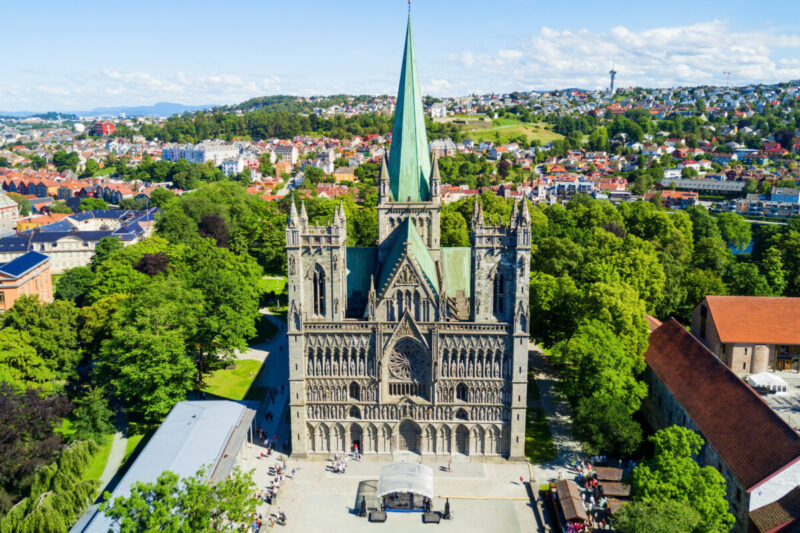
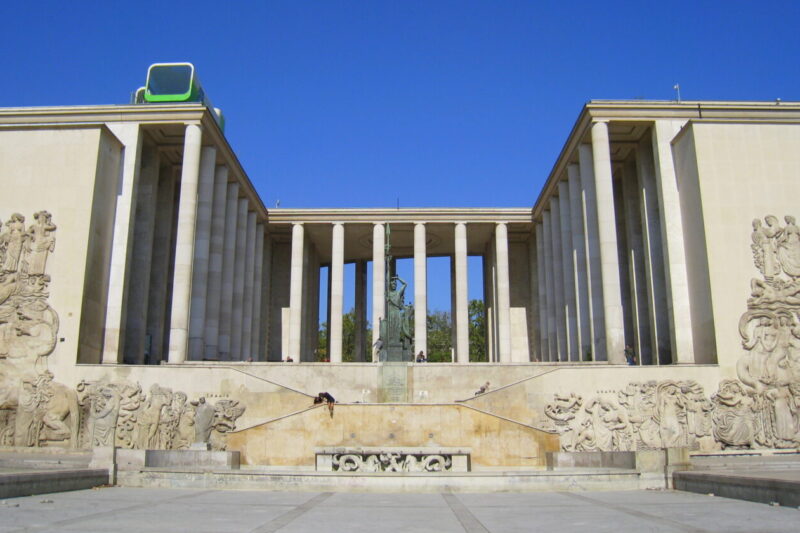
Fluted columns, symmetrical plans, stone cut to last millennia — classical architecture is best read on foot, not from a tour bus.

The Parthenon gets all the credit, but the stoa at Agora of Athens changed how cities work. Greek architecture is still running the show.
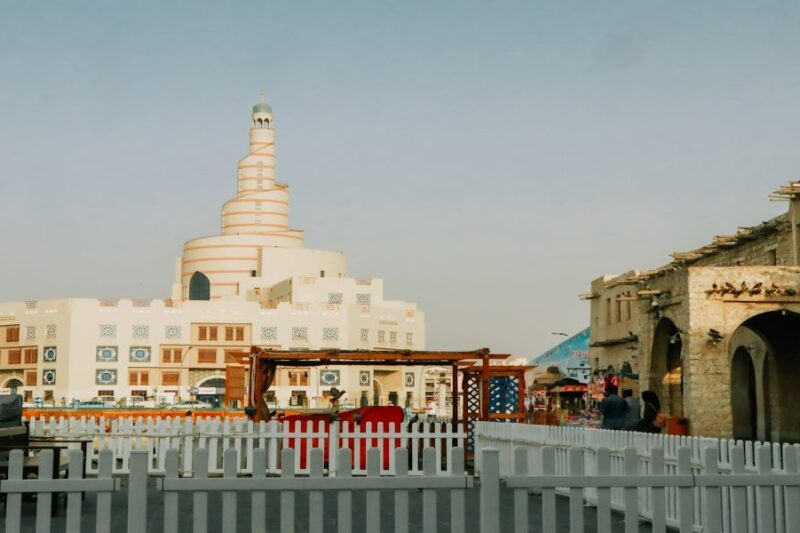
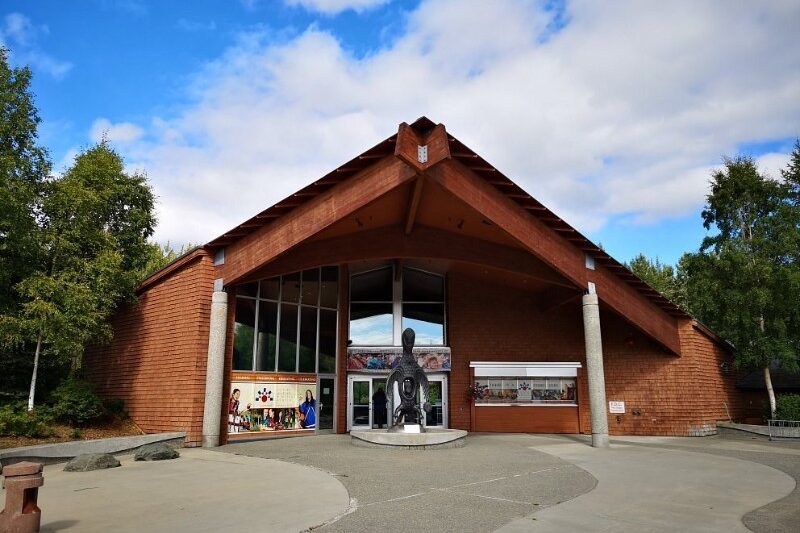
These aren’t museum exhibits — they’re living cultures. The best Indigenous travel experiences put you in conversation, not just observation.
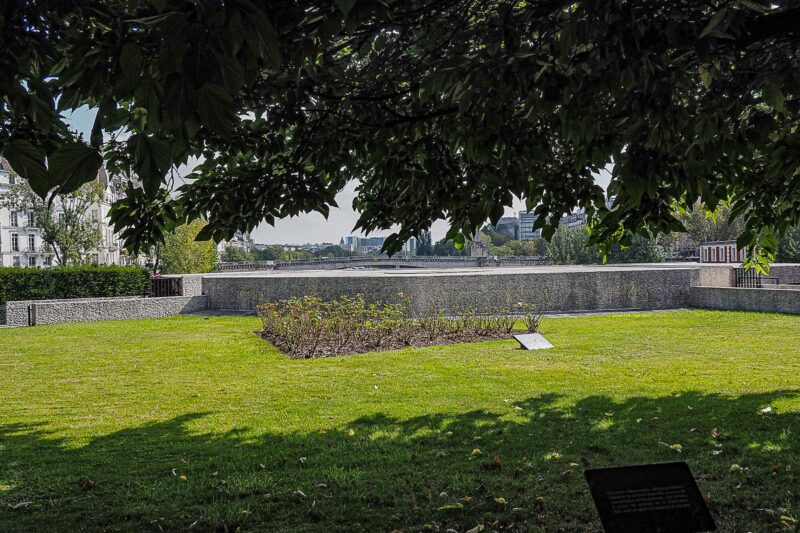
Battlefields, archives, living neighborhoods — these are the places where history stopped being abstract and started leaving marks you can still touch.
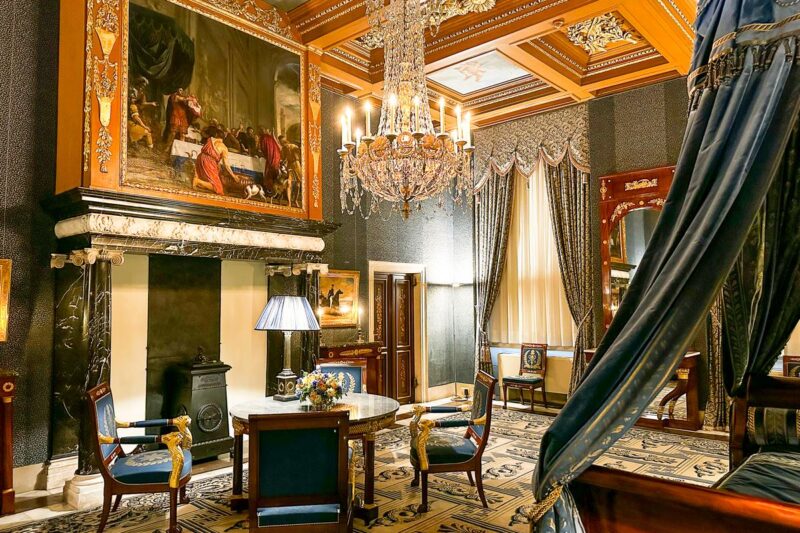
Ornate halls, lavish gardens, centuries-old artifacts — historical palaces put you face-to-face with the people who shaped civilization.
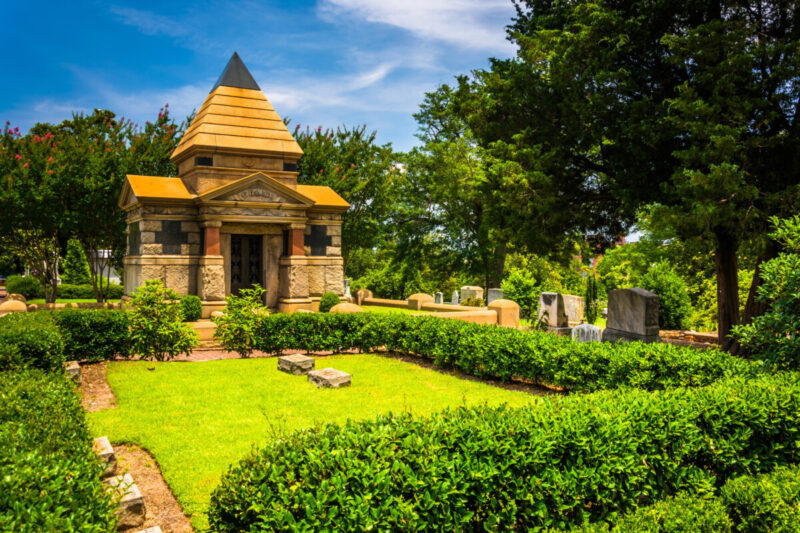
Historic cemeteries are open-air museums most travelers walk past. The stonework, symbolism, and buried histories are worth slowing down for.
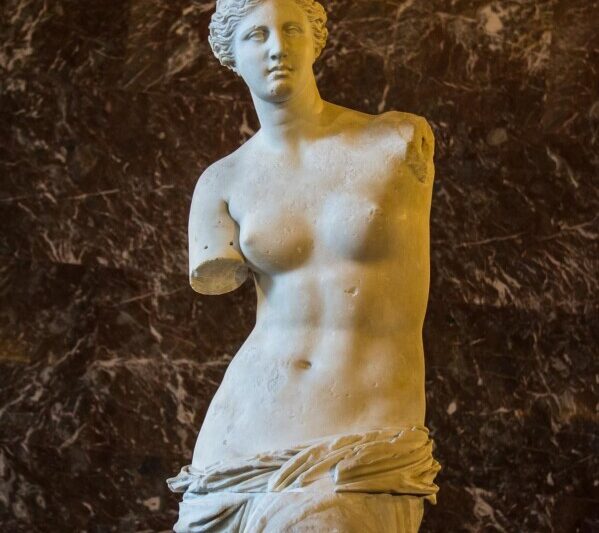
Greece doesn’t just have history — it lives inside it. The temple columns, the icons, the village festivals are all still in use.
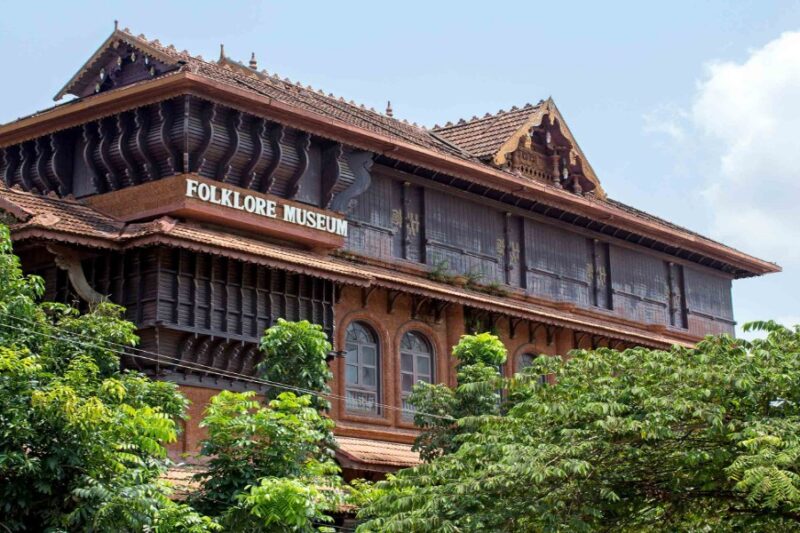
The festival looked like a party. It wasn’t — it was a 400-year-old harvest ritual, and knowing that changed everything about watching it.
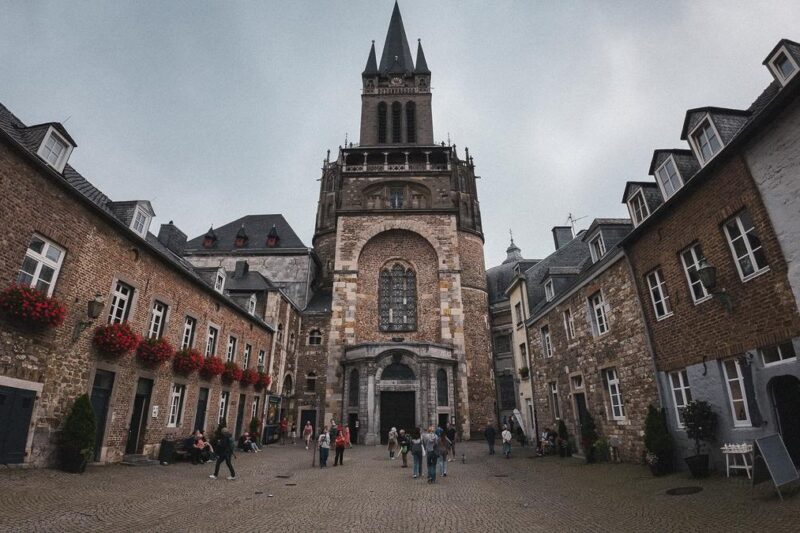
Roman concrete outlasted empires. Gothic vaults were political statements. Europe’s buildings tell the story better than any museum.

The graves of the famous are rarely just graves. They’re arguments about legacy, carved in stone and visited by strangers for centuries.

Some cities feed you. Others use food to tell you exactly who they are — and those are the ones worth rearranging a trip for.

Museums, monuments, and galleries do more than fill time — they’re where a place finally starts to make sense.
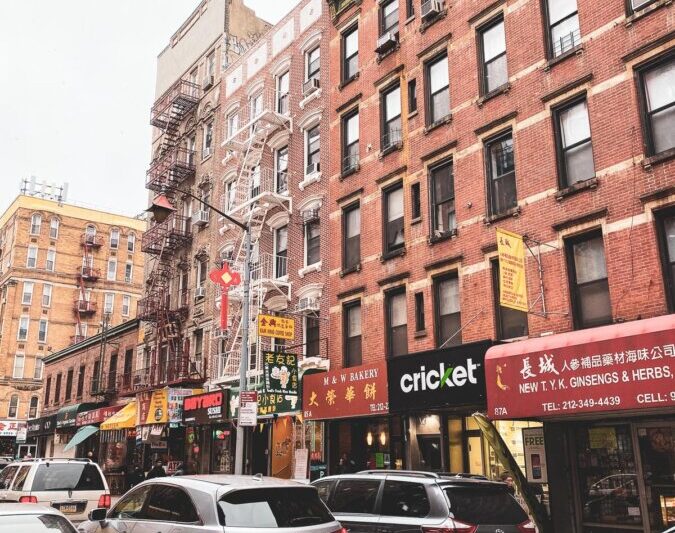
Global culture isn’t a museum exhibit — it’s street food arguments, festival crowds, and dialects that shift every 50 miles.

Art museums, historic landmarks, living traditions — some cities don’t just have culture, they export it. These are the ones worth rerouting a trip for.
The best cultural streets aren’t tourist traps — they’re where locals actually shop, eat, and argue. Know the difference before you walk.
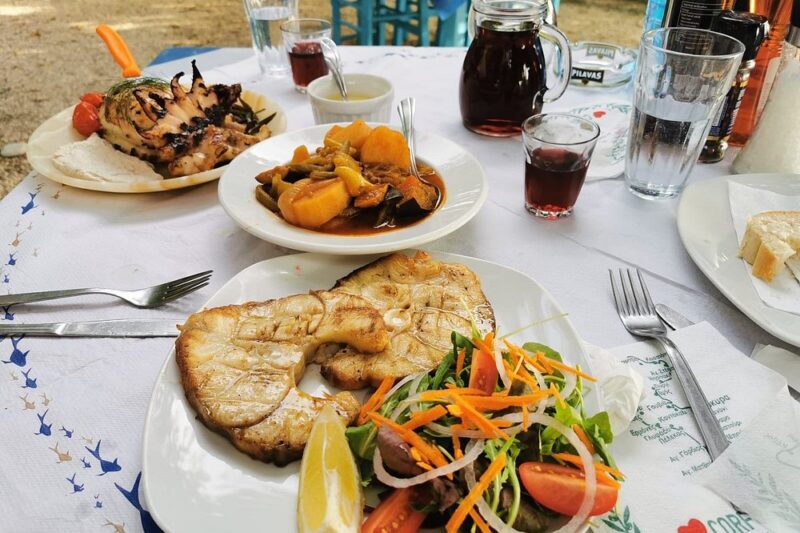
Japan, Korea, Taiwan, Hong Kong — each one rewards a completely different travel style. Here’s how to actually choose.

The Millau Viaduct made me pull over just to stare. Some structures stop being infrastructure and become the destination itself.