

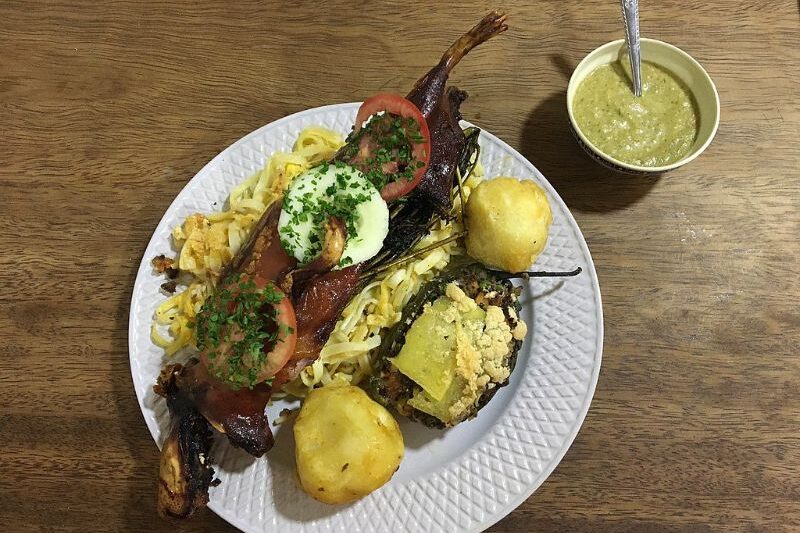
Culinary Significance
Some cities feed you. Others use food to tell you exactly who they are — and those are the ones worth rearranging a trip for.
The ViaTravelers atlas · Collections
An interest can be the beginning of an entire journey. Explore collections of places, experiences, and ideas worth following.
812 published guides and stories to explore
Some cities feed you. Others use food to tell you exactly who they are — and those are the ones worth rearranging a trip for.

Museums, monuments, and galleries do more than fill time — they’re where a place finally starts to make sense.
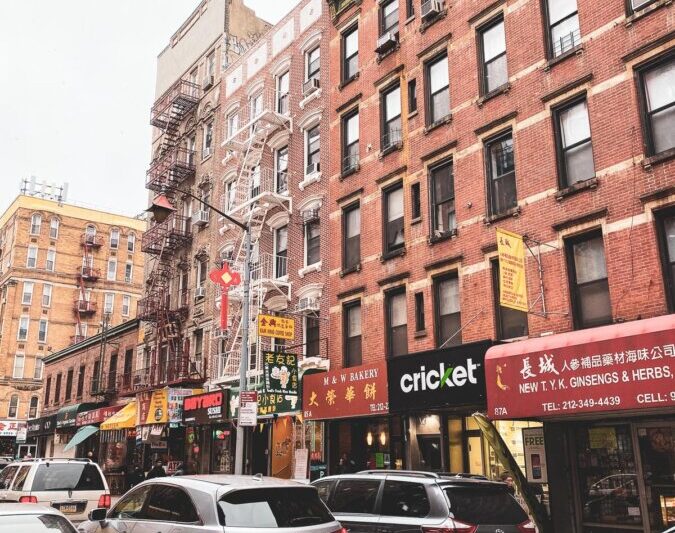
Global culture isn’t a museum exhibit — it’s street food arguments, festival crowds, and dialects that shift every 50 miles.

Art museums, historic landmarks, living traditions — some cities don’t just have culture, they export it. These are the ones worth rerouting a trip for.
The best cultural streets aren’t tourist traps — they’re where locals actually shop, eat, and argue. Know the difference before you walk.
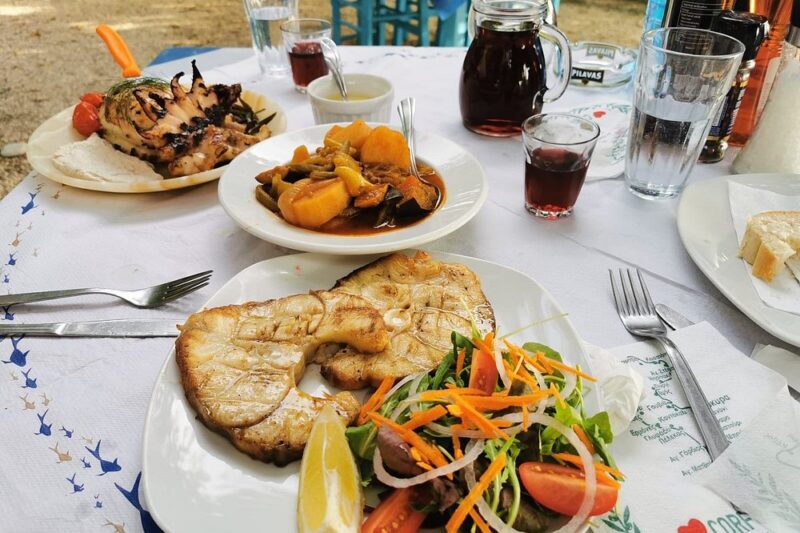
Japan, Korea, Taiwan, Hong Kong — each one rewards a completely different travel style. Here’s how to actually choose.
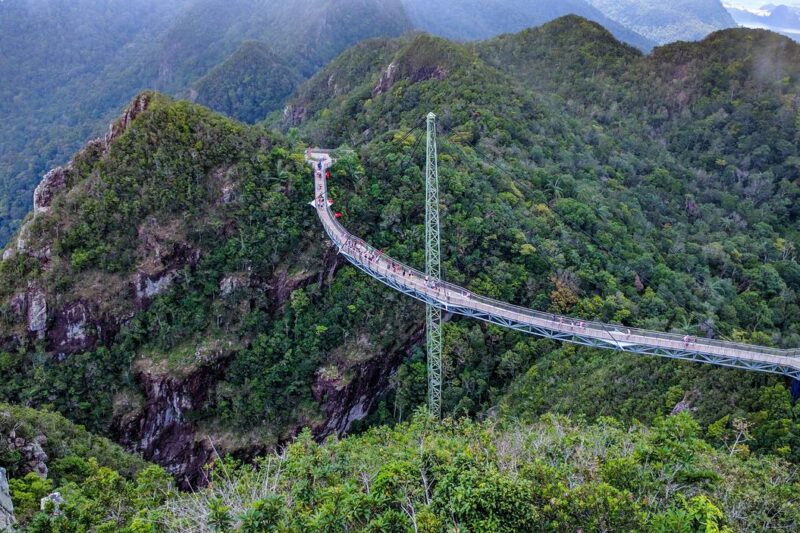
The Millau Viaduct made me pull over just to stare. Some structures stop being infrastructure and become the destination itself.
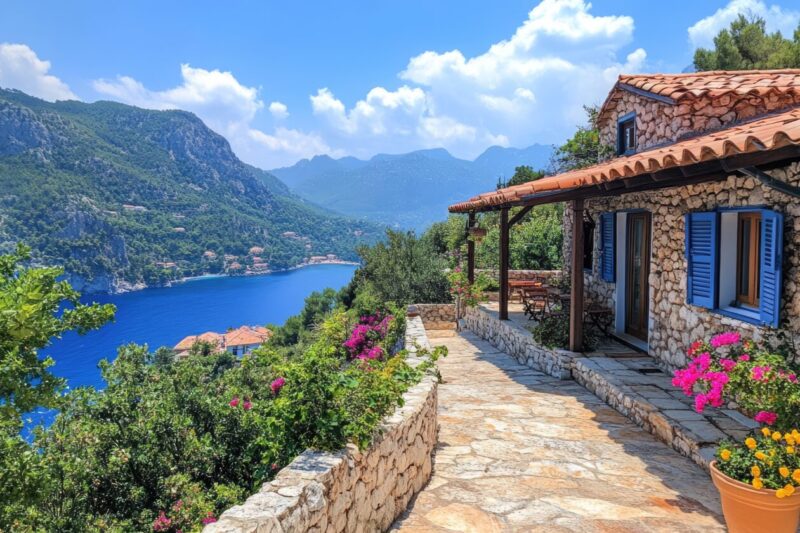
Traditional villages move at a pace cities forgot. The makers, the food, the architecture — it’s living history you actually get to touch.
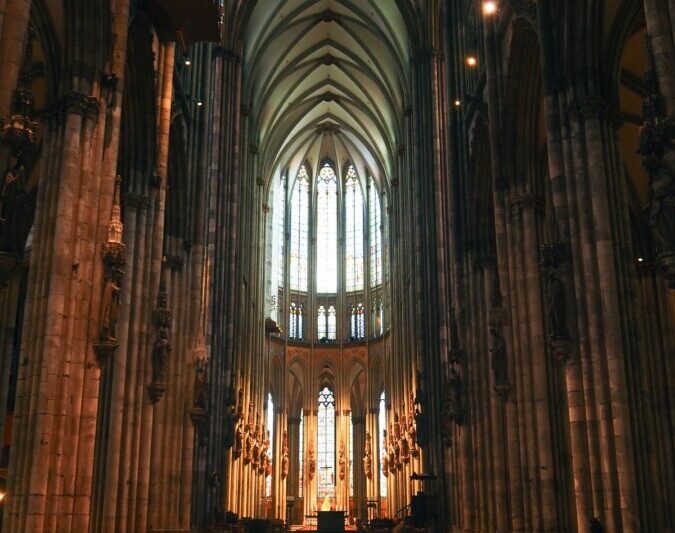
UNESCO sites aren’t just checkboxes — Petra, Angkor, and the Dolomites each demand more time than most itineraries allow.
Amsterdam’s old shipyards are now prototyping the future. The innovation districts here aren’t theoretical — they’re operating, fundable, and open to visitors.

Turrets, bay windows, painted ladies — Victorian architecture rewards the slow walker. These are the cities where the details actually stop you mid-street.
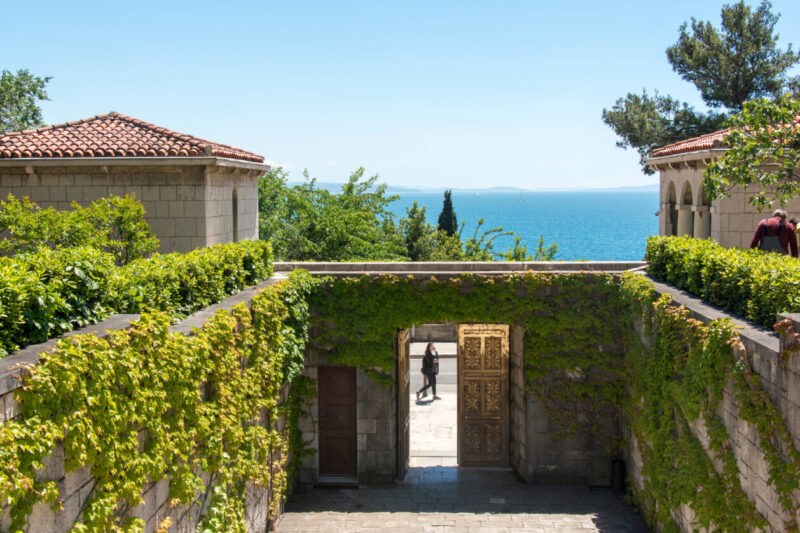
The Adriatic ferry network is one of Europe’s best-kept logistics secrets — one ticket can link Split, Hvar, Korčula, and Dubrovnik in a single trip.
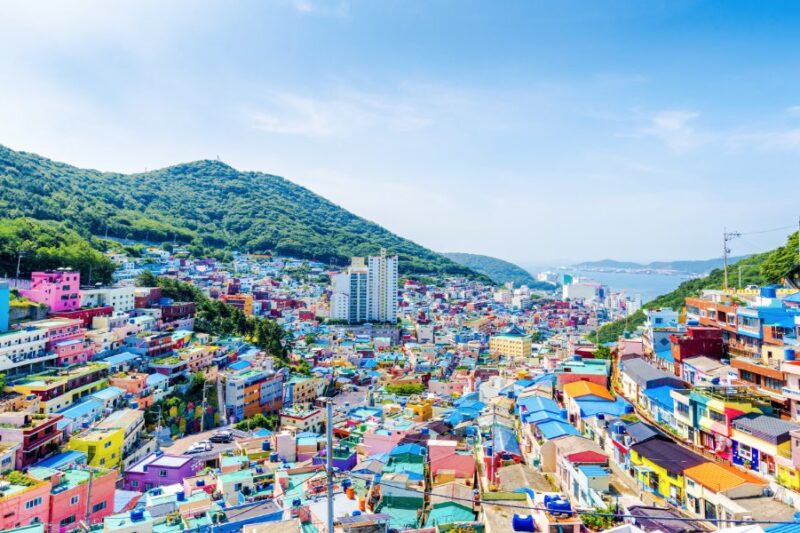
The Sopranos diner is a real place in New Jersey, and yes, you can order the same booth. Context matters at these spots.
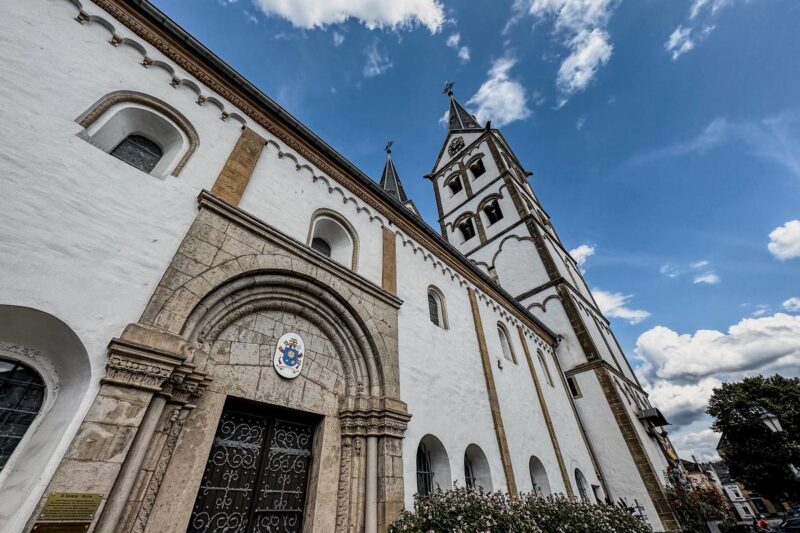
Amphitheaters, aqueducts, forums — Roman engineering is still standing. Here is where to see it up close.
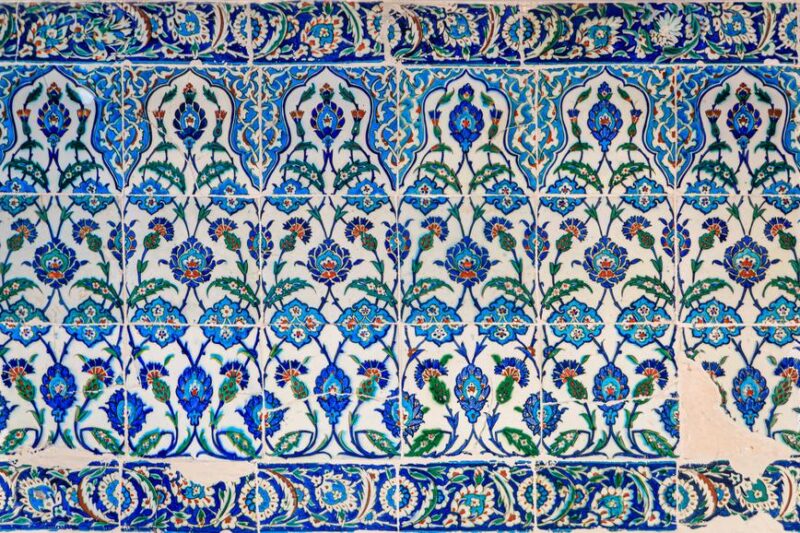
Mimar Sinan built over 300 structures. Standing inside Süleymaniye, you understand why Istanbul’s skyline still belongs to him.
The Ottomans built for permanence — tiled domes, layered bazaars, palaces on the Bosphorus. These sites still carry the weight of six centuries.
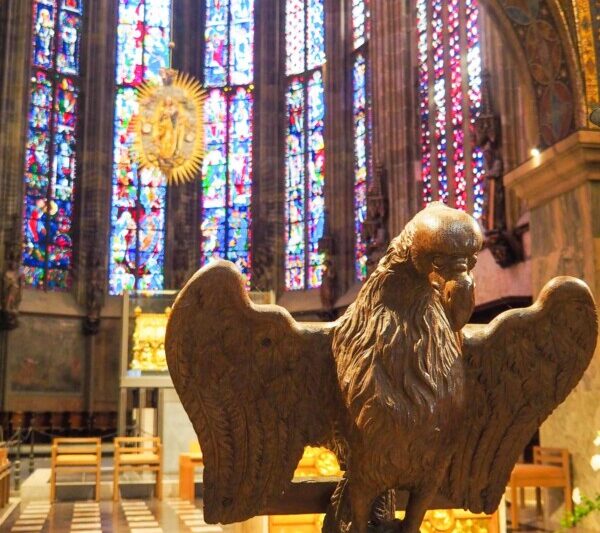
Sacred sites reward the prepared visitor. Knowing the history before you arrive changes everything about how you experience them.
Rome’s aqueducts moved water across 50 miles without a single pump. The arch made it possible — and it changed every city the empire touched.
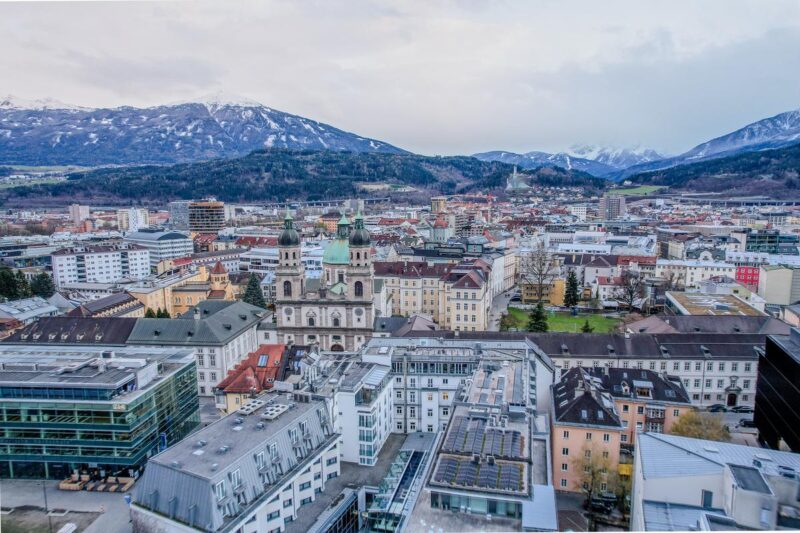
Innsbruck has a ski jump visible from the old town. That alone tells you what kind of city this is — where mountains aren’t a backdrop, they’re the point.
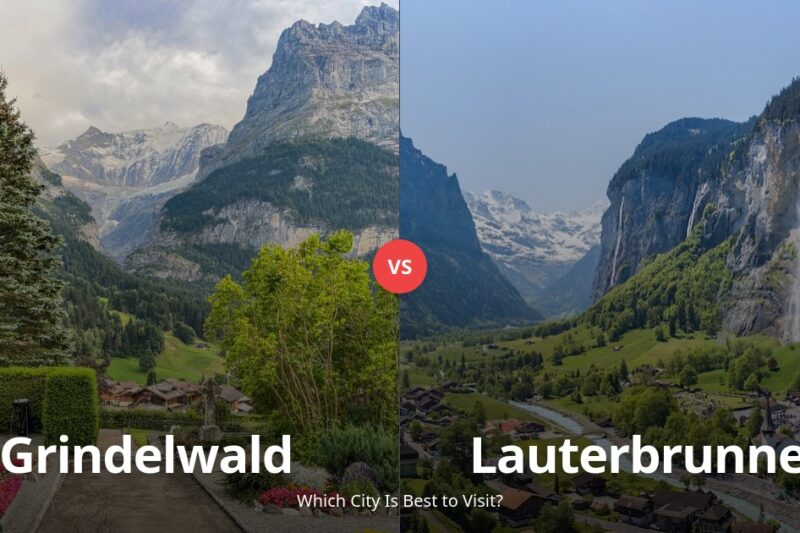
The Alps reward slow travel — one valley, one lake, one ridgeline at a time. These are the towns worth building your itinerary around.
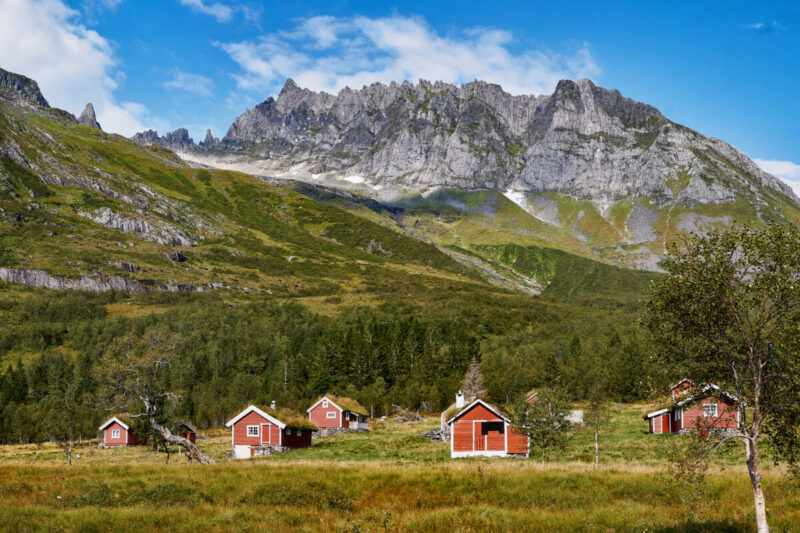
The foothills get skipped for the peaks — that’s a mistake. The villages here have better food, fewer crowds, and the same mountain views.

Above the treeline, the air changes — cooler, sharper, quieter. Alpine forests reward the extra elevation with scenery that lower trails simply can’t match.
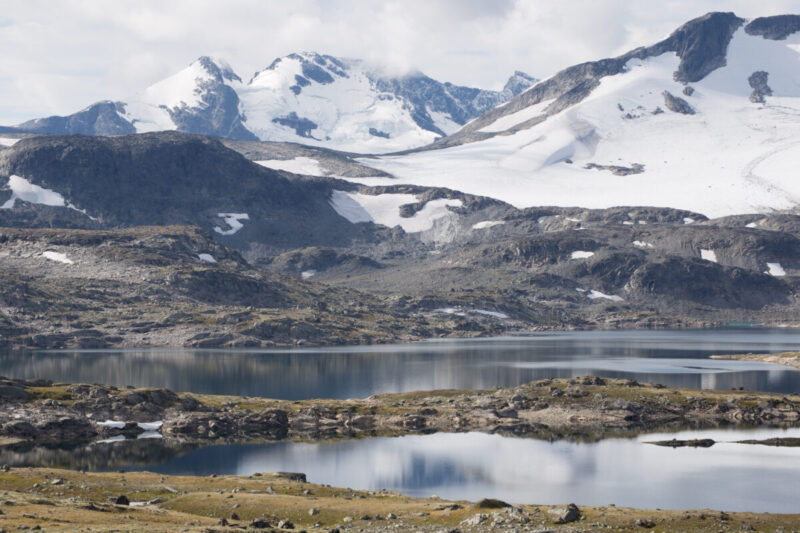
Alpine lakes sit at elevations where the water runs cold, clear, and impossibly blue — and most people only stop for a photo when they should stay for a day.