


Mountain Village
Mountain villages trade crowds for character — stone streets, regional food, and landscapes that look completely different in October than July.
The ViaTravelers atlas · Collections
An interest can be the beginning of an entire journey. Explore collections of places, experiences, and ideas worth following.
812 published guides and stories to explore
Mountain villages trade crowds for character — stone streets, regional food, and landscapes that look completely different in October than July.

Alpine roads, ridge trails, and thin air that resets your brain. Mountain terrain slows you down in the best way possible.
Mountain towns reward the slow traveler — the ones who linger over lunch and actually talk to locals instead of chasing the next summit.
Mountain valleys hit different in shoulder season — fewer crowds, better light, and the kind of quiet that makes you actually stop walking.

There’s a reason people rearrange entire trips around a single ridge line. Mountain views reset something in you that cities can’t.
The best natural landscapes don’t announce themselves. They reward the traveler who shows up at dawn, stays off the main trail, and actually looks down.
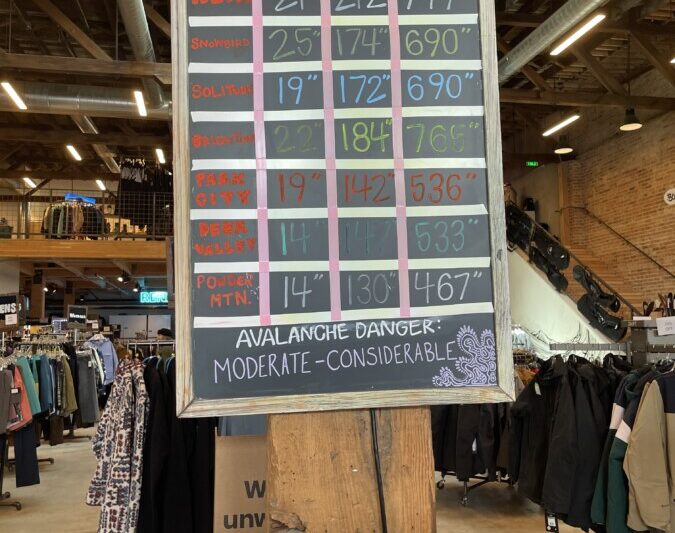
Natural harbors trade surf chaos for sheltered calm — cliffs, working quays, and fresh seafood pulled from water you can actually swim in.
Delicate Arch gets the photos, but the lesser-known spans in Utah and beyond reward the extra miles with zero crowds.

The best neighborhoods rarely show up on the main drag. Narrow streets are where the city actually lives.

The Museum District packs world-class art, architecture, and local cafés into one walkable stretch — budget a full day, not an afternoon.
Nashville, New Orleans, Austin — these cities don’t just have music scenes. Music is the reason people move there.
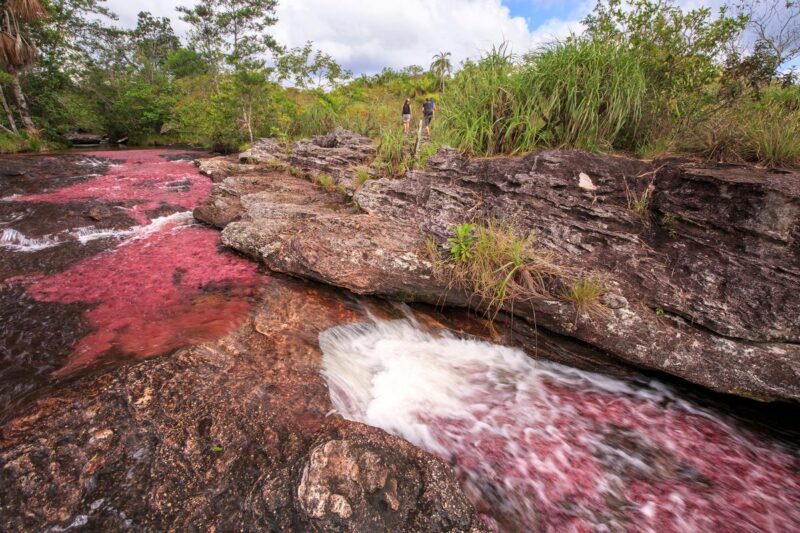
The best music districts aren’t on the main drag — they’re the blocks where a record shop, two bars, and a taco stand share the same corner.
Old quarters reward slow walkers — the best ones hide artisan workshops, century-old cafés, and market squares one block off the main drag.
Some olive trees in the Mediterranean are over 1,000 years old. Walking among them feels less like sightseeing and more like trespassing on history.
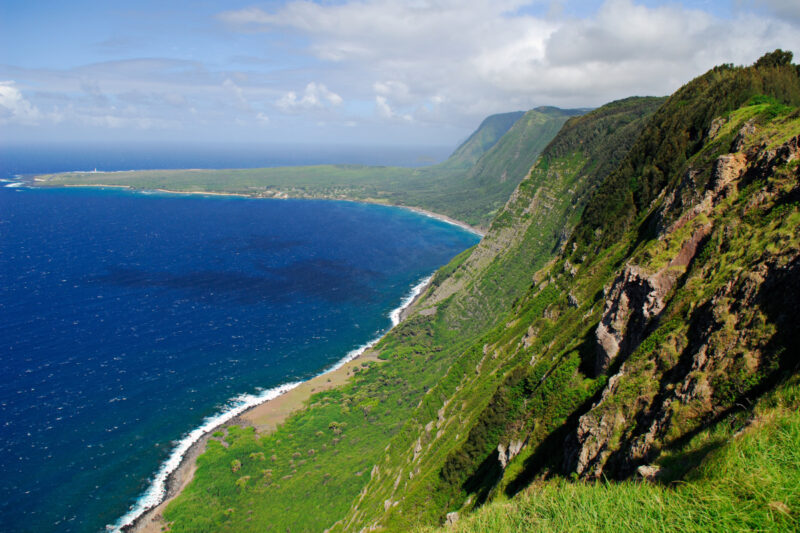
Open-air museums are the antidote to velvet ropes — blacksmiths mid-swing, working mills, whole villages you can actually walk through.
Trails, rivers, cliffs, coastlines — rated by difficulty and paired with gear notes so you can stack activities without burning half the day on guesswork.
Cliff edges and urban observatories reward patience. The best panoramic viewpoints hit different at golden hour — bring a telephoto, skip the drone.
Park systems are where a city shows its priorities. The trails, gardens, and green corridors tell you more about a place than most museums will.
Tromsø sits inside the auroral oval—cloud cover is your only real enemy. Glass igloos book out months ahead for good reason.
Protected land changes how you travel. No crowds, no shortcuts — just wildlife, silence, and landscapes that actually look like the photos.
Natural reserves are where ecosystems actually function — predators, prey, and everything in between, without the fences of a safari park.
Some places earn their reputation through history or food. These earn theirs through forests, rivers, and the kind of quiet that resets something in you.
Some trails hand you a waterfall. Others hand you three hours of silence and a deer that doesn’t run. Both are worth lacing up for.