

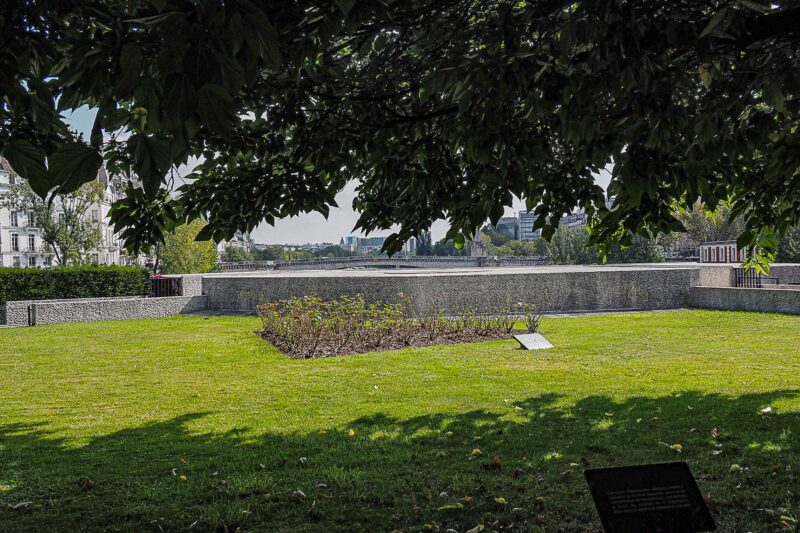
Paris vs Marseille: Which French City Should You Visit?
Paris wins on paper, but Marseille has the coast, the calanques, and a rawness that Paris stopped having decades ago.
The ViaTravelers atlas · Comparisons
Compare destinations side by side on cost, character, and traveler fit. Understand the tradeoffs before choosing your next trip.
572 published guides and stories to explore
Paris wins on paper, but Marseille has the coast, the calanques, and a rawness that Paris stopped having decades ago.
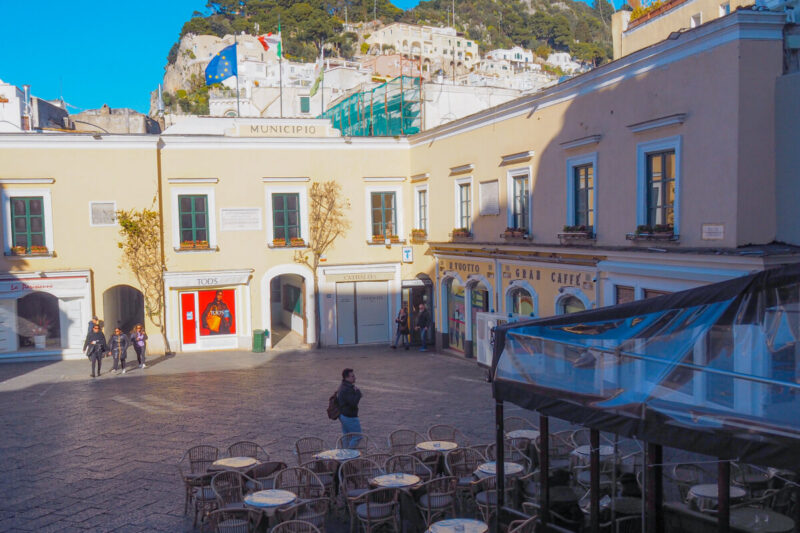
Capri is glamorous, yes — but Ischia has thermal spas, fewer crowds, and an Italy that still feels like Italy.
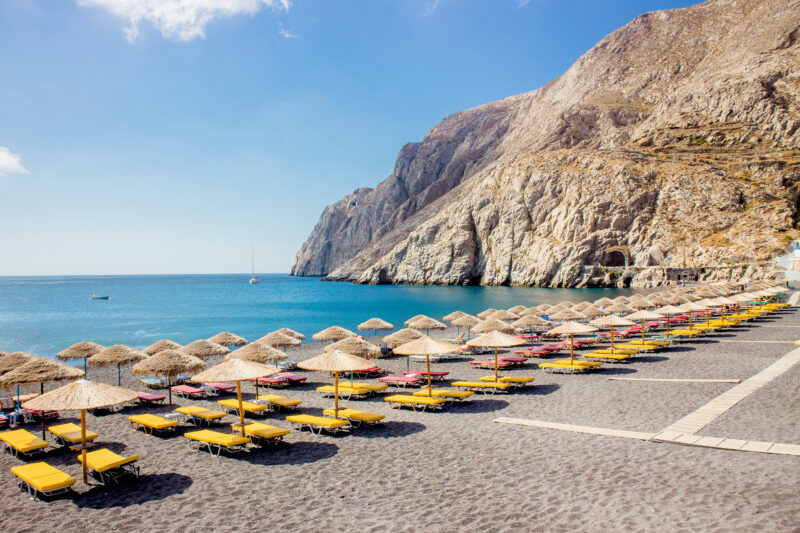
Santorini wins on scenery and luxury, but Naxos has better beaches and half the crowds — the right pick depends on what you actually want.
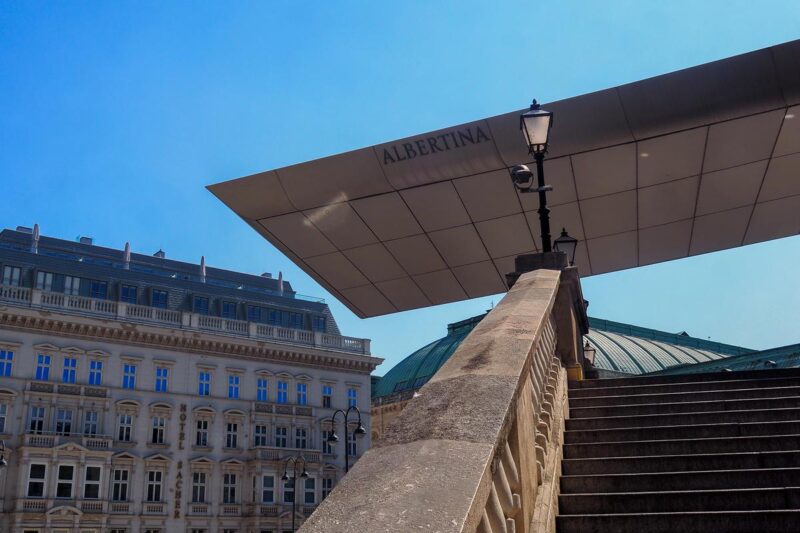
Vienna wins on elegance, but London’s sheer range — neighborhoods, food, nightlife — is harder to beat for most travelers.
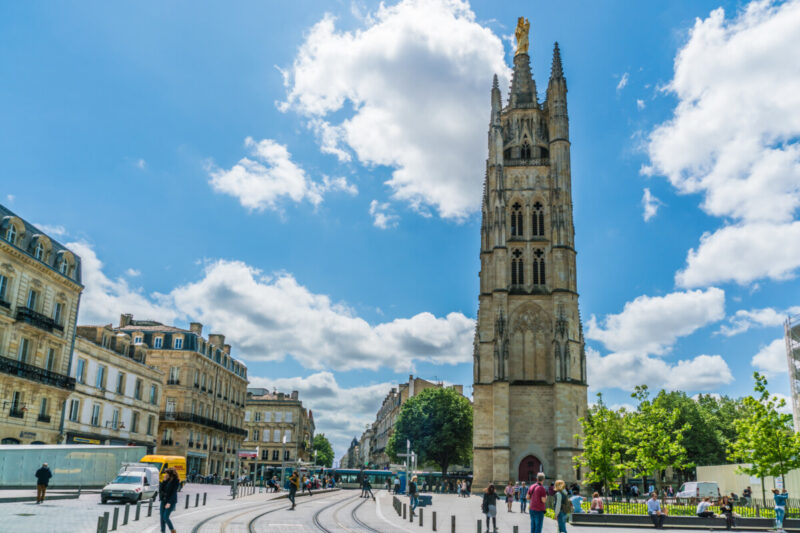
Bordeaux wins on wine and pace. Paris wins on almost everything else — but that gap is smaller than most travelers think.

Siena keeps getting skipped for Florence — but if the Palio, medieval streets, and zero cruise crowds matter, reconsider that itinerary.
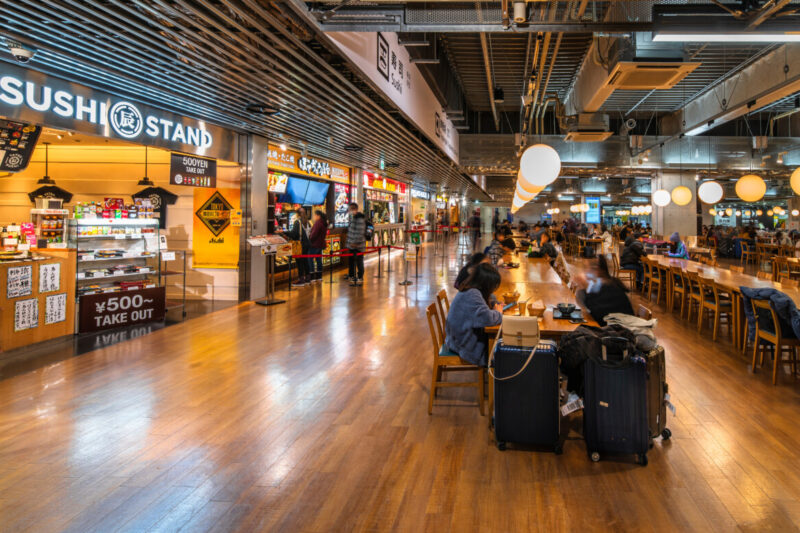
Osaka wins on sheer variety, but Fukuoka’s the city I’d send anyone tired of crowds and itinerary-padding.
Paris wins on culture and cuisine, but Sydney’s coastline makes it genuinely hard to choose — unless art museums outweigh beach mornings for you.

Stockholm wins on culture and cost, but Oslo has one thing it can’t match — the kind of nature that rewires your brain.

Toledo wins on cultural depth — three religions, a dozen museums, and a skyline that earns its reputation. Carcassonne is theater; Toledo is history.
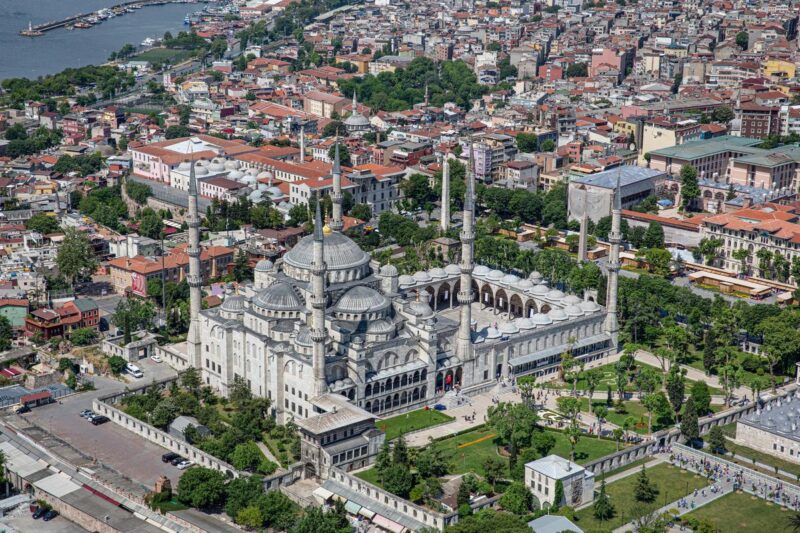
Istanbul wins on history and food, but Belgrade’s nightlife and crowd-free streets make it the smarter pick if you hate tourist traps.

Philadelphia wins on history and food, but Pittsburgh’s reinvention is real — don’t write it off before seeing the view from Mount Washington.
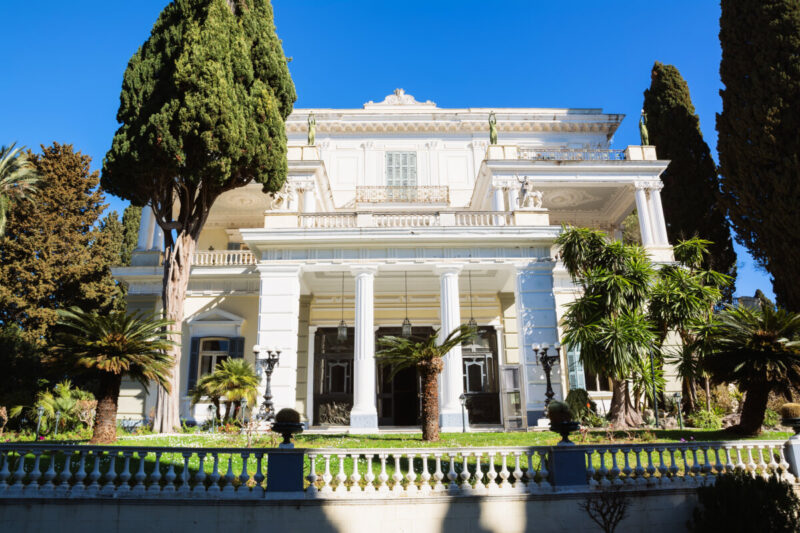
Corfu wins on culture and accessibility, but Ios has beaches that make you reconsider your entire itinerary.
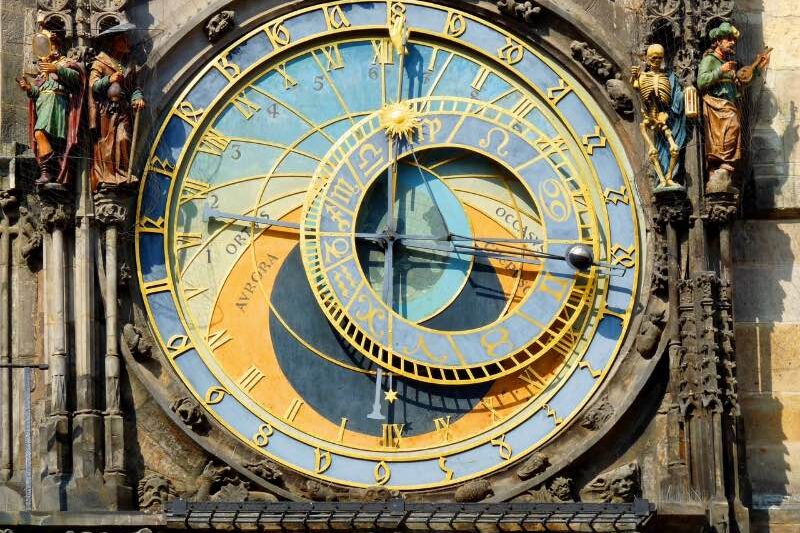
Barcelona wins on food, nightlife, and beach access — but Prague costs half as much and delivers architecture no Spanish city can match.

Granada wins on sheer range — the Alhambra alone justifies the trip — but Cordoba’s Mezquita hits differently if you only have one day.
Paris wins on food, nightlife, and sheer iconic density — but Vienna costs less, runs on time, and never feels like it’s performing for tourists.

Lanai has two luxury resorts and almost no crowds. Maui has Road to Hana, Kaanapali, and 40+ miles of coastline. They’re not really comparable.

Hawaii wins for most travelers — but if an overwater bungalow and zero agenda is the entire point, Maldives is not even close.
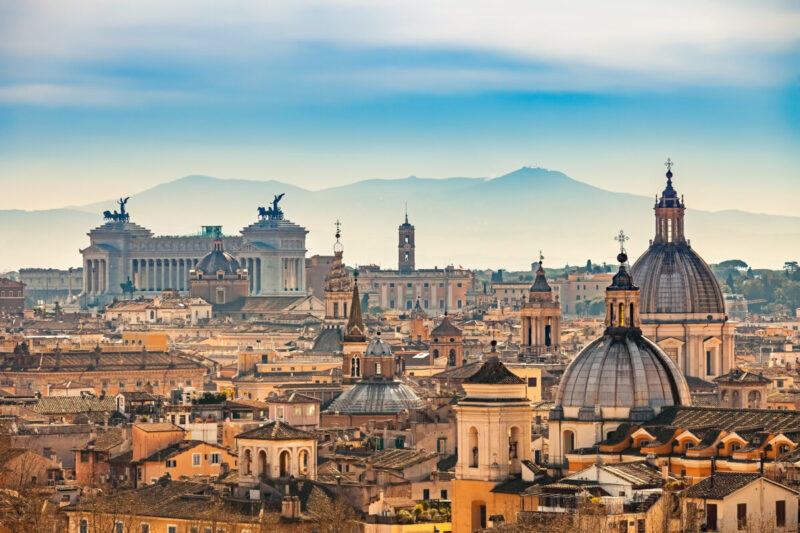
Rome has the Colosseum. Florence has the David, the Uffizi, and Chianti country an hour away. For most trips, Florence earns the edge.
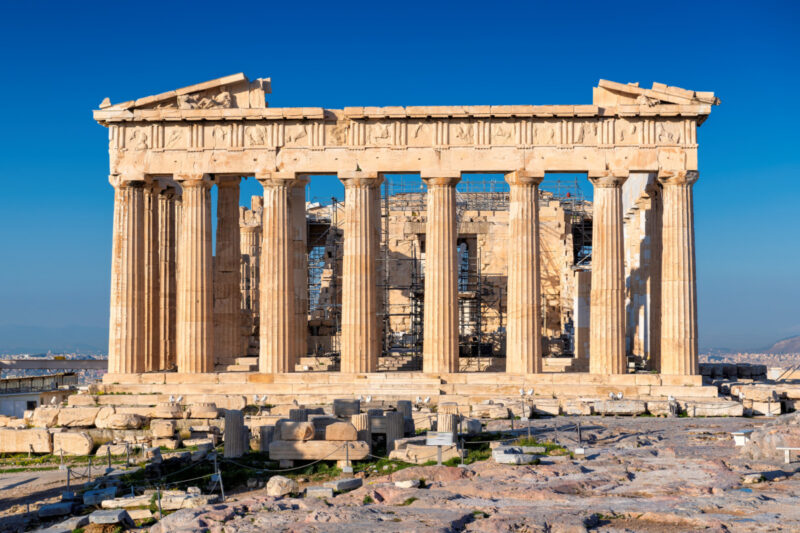
Athens wins on history, but Thessaloniki wins on feel. If you want fewer crowds and better food per euro, rethink your itinerary.
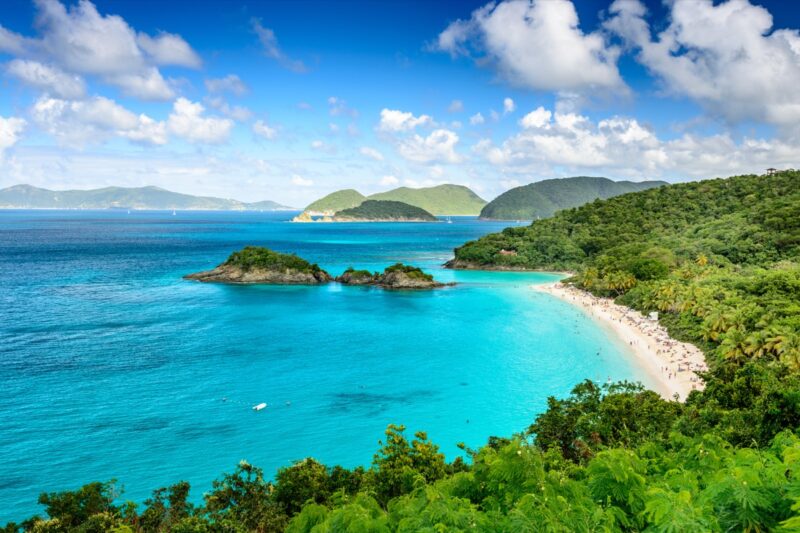
The Bahamas has the swimming pigs. The Virgin Islands has the national park. Neither answer is wrong — it depends on what kind of trip you actually want.
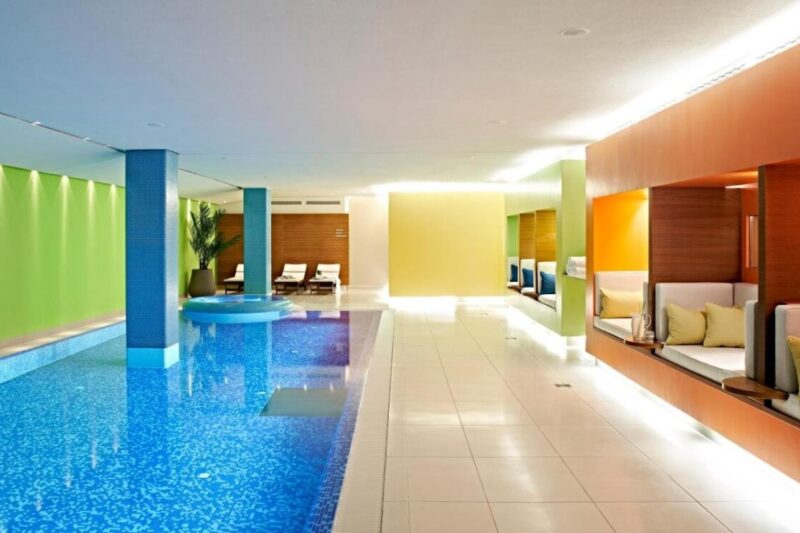
Hamburg wins on scale and harbor energy, but Leipzig punches harder on culture per square mile — especially if Bach and street art matter to you.
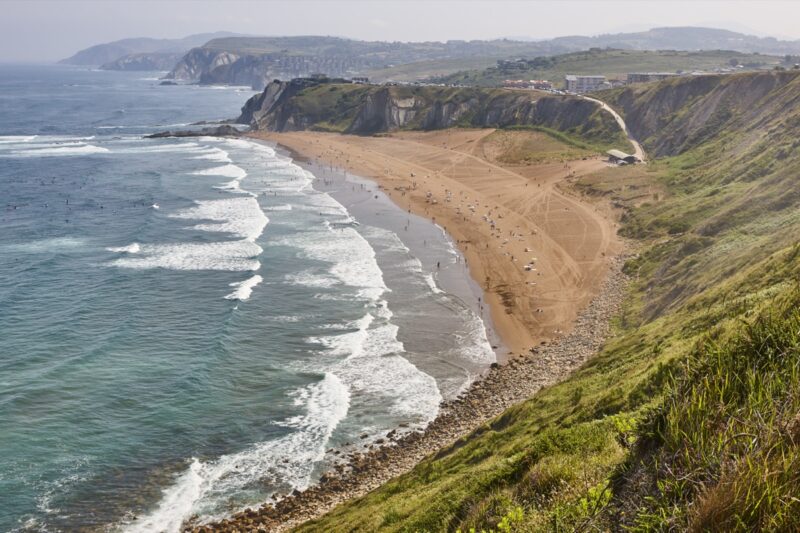
Basque Coast wins on food and access. Galicia wins on raw coastline. The one you pick says a lot about how you travel.

Jamaica wins on jerk chicken and cliff jumping. DR wins on colonial history and resort value. Neither one is the wrong call.