

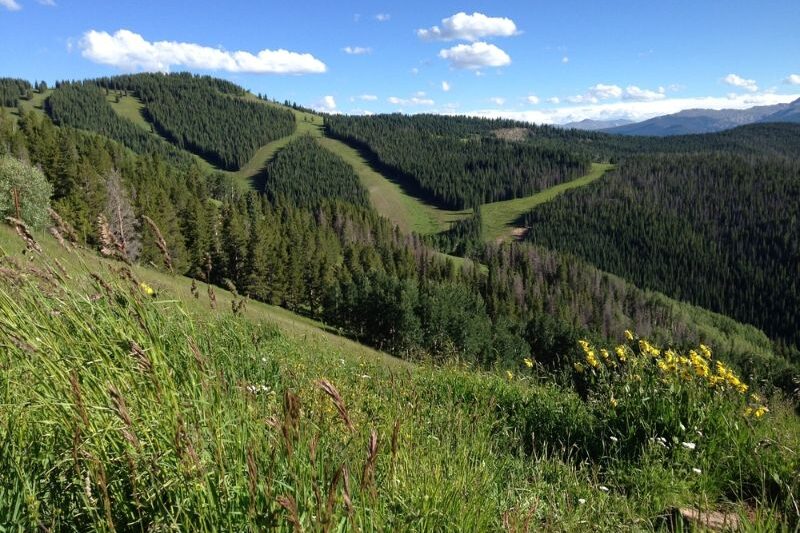
Canada’s first national park (1885) encompassing 6,641 square kilometers of UNESCO World Heritage Canadian Rocky Mountain Parks featuring glaciers, ice fields, dense coniferous forests, and alpine landscapes anchored by world-renowned Lake Louise’s Mount Victoria Glacier frame and Moraine Lake’s turquoise Valley of Ten Peaks (featured on Canadian $20 bills 1969-1979). Chalky rock flour from millennia of glacial erosion creating distinctive turquoise lake colors, while extensive hiking trails wrap bright blue waters providing breathtaking vistas at every turn across this most-visited Canadian destination. Big 3 world-class ski resorts—Mt. Norquay, Banff Sunshine Village, and Lake Louise—delivering North America’s longest ski seasons from Banff Town’s main hub, drawing global winter sports enthusiasts to Rocky Mountain peaks and picture-perfect mountain town settings. Icefields Parkway’s 232-kilometer scenic highway rated among the world’s most beautiful drives by Condé Nast Traveller, cutting through jagged peaks and sweeping valleys. Johnston Canyon’s picturesque waterfalls accessible via man-made bridges, Banff Gondola’s six mountain chain bird’s-eye views, and wildlife viewing requiring safe distances across this priceless natural beauty UNESCO recognition where turquoise glacial lakes meet world-class outdoor recreation.
The destination guide
Banff

National / State Park in Canada, North AmericaUpdated
- Overall6/10
- Best forCouples, Adventure seekers
- PeakJun–Sep
- CurrencyCAD
Banff sits in the Canadian Rockies where the lakes are actually that color — Lake Louise and Moraine Lake don’t need a filter, just clear morning light.
Travel guides for Banff
More guides featuring Banff (6)
At a glance
- English
- French
- Rocky Mountain park
- Turquoise lakes
- Glacier peaks
- Alpine meadows
- Nature and wildlife
- Outdoor adventure
- Mountain scenery
- Canadian history
- Winter sports
How Banff scores
Character
Editorial scores on a 10-point scale, weighed against destinations of the same kind.
Travel safety snapshot
SafePlace indicators use their source 100-point scale; higher is more favourable. Planning context, not a live travel advisory — check official government guidance before you go.
When to go
Best months to visit: January, February, March, May, June, July, August, September, October and December.
- January: -14.9 to -5.3 degrees Celsius, 7.3 millimetres of rain, best-time score 5 out of 5.
- February: -15.3 to -4.1 degrees Celsius, 6.7 millimetres of rain, best-time score 5 out of 5.
- March: -10 to 0.9 degrees Celsius, 26.8 millimetres of rain, best-time score 4 out of 5.
- April: -8.6 to 2.2 degrees Celsius, 7.1 millimetres of rain, best-time score 3 out of 5.
- May: -1.1 to 12.1 degrees Celsius, 4 millimetres of rain, best-time score 4 out of 5.
- June: 0.9 to 12.4 degrees Celsius, 55.4 millimetres of rain, best-time score 5 out of 5.
- July: 6.6 to 20.3 degrees Celsius, 16.4 millimetres of rain, best-time score 5 out of 5.
- August: 6.3 to 20.1 degrees Celsius, 22.2 millimetres of rain, best-time score 5 out of 5.
- September: 1.6 to 14.4 degrees Celsius, 17.1 millimetres of rain, best-time score 5 out of 5.
- October: -4.9 to 5.5 degrees Celsius, 5.2 millimetres of rain, best-time score 4 out of 5.
- November: -11.8 to -2.3 degrees Celsius, 35.7 millimetres of rain, best-time score 3 out of 5.
- December: -17.3 to -7.9 degrees Celsius, 4.1 millimetres of rain, best-time score 5 out of 5.
Month-by-month conditions and packing advice
- January
- Cold weather, mostly dry January in Banff: the destination is strongest for either ski season or summer lakes, hiking, scenic drives, and mountain viewpoints. Crowds: January is deep winter in Banff, ideal for snow sports enthusiasts but demanding for casual sightseeing. Ski resorts like Sunshine Village and Lake Louise operate at full swing, offering excellent powder conditions and lively après-ski culture. While tourist numbers are moderate compared to summer, accommodation prices can be high in ski hubs due to demand from winter travelers. Short daylight hours require careful activity planning, but the lack of large crowds at non-ski attractions offers a more serene experience. Cold weather gear is essential, and those unprepared for sub-zero temperatures may find extended outdoor exposure challenging. Booking ski passes and winter tour experiences in advance is recommended to secure availability during peak weekends. Pack: Insulated, waterproof winter jacket; Thermal base layers for warmth; Waterproof snow boots with good traction; Wool hat and insulated gloves; Ski goggles or sunglasses for snow glare; Portable hand warmers for extended outdoor activities
- February
- Cold weather, mostly dry February in Banff: the destination is strongest for either ski season or summer lakes, hiking, scenic drives, and mountain viewpoints. Crowds: This is mid-winter in Banff, ideal for snow sports enthusiasts seeking reliable powder and minimal thaw. February falls within the ski season’s prime, with excellent conditions at Sunshine Village, Lake Louise Ski Resort, and Mt. Norquay. Crowds are moderate compared to holiday peaks in December and early January, and lodging rates can be slightly more favorable. Outdoor activities center on skiing, snowboarding, snowshoeing, and ice walks in Johnston Canyon. Daylight hours remain short, so planning excursions earlier is wise. Cold temperatures require full winter gear, but the dry air and stunning scenery make for highly photogenic conditions. Booking accommodation near slopes or shuttle routes is recommended for ease of access. Pack: Insulated waterproof winter jacket rated for sub-zero temperatures; Thermal base layers for both top and bottom; Waterproof insulated snow boots with good traction; Heavy-duty gloves or mittens with thermal lining; Wool hat or beanie that covers the ears; UV-protection ski goggles or sunglasses for snow glare
- March
- Cold weather, some rain March in Banff: late winter, late spring, or fall can be excellent with fewer crowds if weather and access cooperate. Crowds: March is still prime time for winter activities in Banff, especially for skiing, snowboarding, and snowshoeing. The town enjoys a steady flow of visitors, as it falls within the Canadian Rockies’ peak ski season. Accommodation rates remain on the higher side, and advance booking is essential. While days are longer than in mid-winter, temperatures can still be harsh, and layered clothing is a must for outdoor exploration. Crowds are concentrated around ski resorts, leaving some non-skiing attractions quieter. Those seeking vivid mountain photography will appreciate the clear winter light, though early mornings can be frigid. This period suits travelers who embrace cold-weather adventures and want a winter wonderland experience before spring melt begins in April. Pack: Insulated winter jacket with windproof shell; Thermal base layers for warmth; Waterproof snow boots with good traction; Wool hat and insulated gloves; Ski goggles or sunglasses with UV protection; Moisturizer and SPF lip balm for dry, sunny conditions
- April
- Cold weather, mostly dry April in Banff: transition-season closures, ice, or mud can limit lake and trail access. Crowds: April is a shoulder-season month in Banff, balancing the tail end of ski opportunities with the early emergence of spring landscapes. Crowds are lighter than the winter peak, and accommodation prices tend to be more moderate. Lower-elevation hikes may become accessible, though snow and ice remain on many trails, making winter gear advisable. Photography conditions are superb, with lingering snow adding contrast to deep blue skies. Wildlife sightings increase as animals emerge from winter habitats, yet certain facilities and tours may operate on limited schedules. This transitional period is best suited for travelers who enjoy crisp air, quieter streets, and the flexibility to embrace both snow-based and early spring activities. Pack: Insulated waterproof jacket for cold conditions; Thermal base layers for layering warmth; Waterproof hiking boots with good grip; Warm hat and insulated gloves; Sunglasses for bright snow glare; Light crampons or traction cleats for icy paths
- May
- Cool weather, mostly dry May in Banff: late winter, late spring, or fall can be excellent with fewer crowds if weather and access cooperate. Crowds: May marks the shoulder season in Banff, offering a blend of winter’s remnants and spring’s awakening. Lower visitor numbers mean quieter trails and more relaxed bookings, though some high-altitude routes remain snowbound until June. Accommodation rates are generally more favorable than peak summer, making this an appealing time for budget-conscious travelers. It’s an excellent month for sightseeing drives, early-season hiking on cleared lower-elevation trails, and wildlife viewing as animals become more active. Ski operations may still be running at nearby resorts early in the month, allowing for a rare ski-and-hike experience in a single trip. Visitors should plan flexibly, as weather can swing quickly from sunny and mild to cold and snowy. Pack: Insulated jacket for chilly mornings and evenings; Waterproof hiking boots with good grip; Layered clothing system including base, mid, and shell layers; Beanie or warm hat for high-altitude excursions; Light gloves for early morning activities; Sunglasses with UV protection for snow glare
- June
- Cool weather, some rain June in Banff: the destination is strongest for either ski season or summer lakes, hiking, scenic drives, and mountain viewpoints. Crowds: June is shoulder season in Banff, offering a sweet spot between the quiet of spring and the summer rush. Trails at lower elevations are generally clear, though higher passes may still have snow. Crowds are moderate, making it easier to book accommodations at slightly lower rates than in July or August. The cool temperatures are excellent for active pursuits like hiking, biking, and photography without the intense summer heat. However, some seasonal attractions, such as certain alpine hikes or scenic drives, may open later in the month depending on snowmelt. Early booking is still wise for popular lodges and tours, especially on weekends, as demand increases toward summer peak. Pack: Insulating mid-layer for cool mornings and evenings; Waterproof hiking jacket for sudden showers; Sturdy, waterproof hiking boots; Light gloves and beanie for alpine excursions; Quick-dry trekking pants; Daypack with reusable water bottle and trail snacks
- July
- Cool weather, mostly dry July in Banff: the destination is strongest for either ski season or summer lakes, hiking, scenic drives, and mountain viewpoints. Crowds: July is Banff’s high summer season, attracting visitors for its best hiking, canoeing, and scenic drives along the Icefields Parkway. Expect popular sites like Lake Louise and Moraine Lake to be busy from mid-morning through late afternoon, with parking in high demand. Accommodation rates are at their peak, and advance bookings for tours and shuttles are essential. The weather supports virtually all outdoor activities, from backcountry camping to wildlife photography, with minimal rain disruptions. Early mornings and evenings offer quieter, more serene experiences, especially for sunrise views over the lakes. Be prepared for fluctuating temperatures and strong mountain sun exposure, even on cooler days. Pack: Lightweight, moisture-wicking hiking layers; Insulated jacket or fleece for cool mornings; Sturdy hiking boots with good grip; Broad-brimmed hat and high-SPF sunscreen; Reusable water bottle for high-altitude hydration; Light rain shell for sudden mountain showers
- August
- Cool weather, mostly dry August in Banff: the destination is strongest for either ski season or summer lakes, hiking, scenic drives, and mountain viewpoints. Crowds: August is one of Banff’s busiest months, coinciding with peak summer tourism. Trails, viewpoints, and town streets are lively with visitors drawn by the mild weather and long daylight hours. Accommodation prices remain at their seasonal high, and popular activities such as hiking, canoeing on Lake Louise, and scenic drives along the Icefields Parkway often require advance booking. The conditions are ideal for most outdoor adventures, though early mornings can feel brisk at higher elevations. Crowds are significant at iconic spots, so travelers seeking solitude should consider sunrise starts or less-visited trails. This is a prime time for wildlife viewing, though animals may be more active in cooler parts of the day. Pack: Light insulating layers for cool mornings and evenings; Moisture-wicking hiking shirts and trousers; Sturdy waterproof hiking boots; UV-protection sunglasses and sunscreen; Light rain jacket for occasional showers; Reusable water bottle for high-altitude hydration
- September
- Cool weather, mostly dry September in Banff: the destination is strongest for either ski season or summer lakes, hiking, scenic drives, and mountain viewpoints. Crowds: September in Banff is shoulder season, offering a balance between summer’s crowds and winter’s isolation. Trails remain accessible, though higher elevations may see early snowfall, so hikers should check conditions. Accommodation prices begin to ease compared to peak summer, yet popular spots like Lake Louise still draw steady visitors during fall foliage season. This is prime time for scenic drives along the Icefields Parkway, wildlife photography, and enjoying less congested town amenities. Cooler nights make campfires appealing, and the absence of heavy rain allows for uninterrupted outdoor activities. Booking in advance for iconic viewpoints is still recommended, as autumn weekends attract leaf-peepers from across Canada. Pack: Insulated jacket for chilly mornings and evenings; Layered clothing for variable daytime temperatures; Water-resistant hiking boots with good traction; Warm hat and gloves for early or high-altitude excursions; Reusable water bottle for staying hydrated during hikes; Camera with extra batteries for wildlife and foliage photography
- October
- Cold weather, mostly dry October in Banff: late winter, late spring, or fall can be excellent with fewer crowds if weather and access cooperate. Crowds: October is a shoulder-season month in Banff, offering a calm window between the summer crowds and winter ski rush. The cool temperatures and early snow make it perfect for travelers who enjoy brisk hikes, scenic drives along the Icefields Parkway, and wildlife spotting without the bustle. Some high-elevation trails and facilities may close due to early snow, and daylight hours are shorter, requiring careful planning for outdoor activities. Accommodation prices are generally lower than in peak months, and availability is better, but booking ahead is still wise for the more popular lodges. For travelers prepared for cold weather, this is an excellent time to experience Banff’s autumn beauty in relative solitude. Pack: Insulated jacket for cold mountain temperatures; Thermal base layers for layering; Waterproof hiking boots with good traction; Warm hat and gloves for frosty mornings; Reusable insulated water bottle to prevent freezing; Camera with extra batteries for cold weather photography
- November
- Cold weather, some rain November in Banff: transition-season closures, ice, or mud can limit lake and trail access. Crowds: November in Banff is a shoulder season for tourism, bridging autumn’s hiking crowds and winter’s ski influx. Many hiking trails begin to close due to snow accumulation, but ski resorts like Sunshine Village and Lake Louise often start operations mid-month. Accommodation prices are generally lower than in peak summer or deep winter, and visitor numbers are more manageable, making it a good time for those seeking quieter experiences. However, weather conditions can shift rapidly, so flexibility is key when planning outdoor activities. This is an excellent period for early-season skiing, snowshoeing, or simply enjoying the alpine atmosphere without the peak-season bustle. Pack: Insulated winter jacket rated for sub-zero temperatures; Waterproof snow boots with good traction; Thermal base layers for warmth; Wool or fleece hat and insulated gloves; Ski gear if planning mountain activities; Moisturizer and lip balm to combat dry alpine air
- December
- Cold weather, mostly dry December in Banff: the destination is strongest for either ski season or summer lakes, hiking, scenic drives, and mountain viewpoints. Crowds: December in Banff marks the height of winter sports season, attracting skiers, snowboarders, and ice climbers to its world-class slopes and frozen waterfalls. It’s a popular holiday period, so expect higher accommodation rates and increased demand for guided tours. Short daylight hours limit sightseeing time, but the quality of light is superb for photography. Outdoor exploration requires layering and thermal gear, and activities like dog sledding, snowshoeing, and skating on Lake Louise are at their peak. Roads are well-maintained but can be icy; booking transport or tours in advance is advised. Dining and après-ski spots are lively, adding warmth to the otherwise frosty days. Pack: Insulated down jacket rated for sub-zero temperatures; Thermal base layers for upper and lower body; Waterproof insulated boots with good traction; Gloves, scarf, and insulated hat covering ears; UV-protection ski goggles or sunglasses for snow glare; Moisturizer and lip balm to prevent dryness in cold air
- July
- August
- June
- September
- November
- April
- October
- May
Know before you go
Best time to visit
The best time to visit Banff is during the summer (June to August) when the weather is warm and ideal for hiking and outdoor activities. Fall (September to October) offers stunning autumn foliage, while winter (November to March) transforms the area into a snowy wonderland perfect for skiing and snowboarding. Spring (April to May) is also beautiful as the flowers begin to bloom.
Getting there and around
Getting there
Banff is primarily accessed via Calgary International Airport (YYC), located 140 kilometers east. Multiple shuttle services operate year-round, including Banff Airporter, Brewster Express, and Discover Banff Tours, with journey times of 1.5-2 hours. Daily shuttles run from $60-80 per person. Roam Transit provides regional bus connections between Calgary Airport, Canmore, and Banff. Rental cars offer flexibility for exploring the Canadian Rockies, though winter driving requires appropriate vehicle preparation.
Getting around
Roam Transit operates comprehensive local and regional bus routes throughout Banff, Lake Louise, and Canmore, with service frequency increasing during peak seasons. The local Banff routes (1 and 2) circle the town every 20-30 minutes. The Route 8X connects Banff to Lake Louise. Many hotels provide shuttle services to popular attractions. Walking is ideal for downtown Banff, while e-bikes are available for longer distances. Parks Canada shuttles serve popular trailheads during summer months.

Worth booking ahead in Banff
Hand-picked from the operators our guides already send readers to. Prices and availability are live on the partner site.
BrowseViator
Tours and tickets in Banff on Viator (opens Viator in a new tab)
Viator's full list of bookable tours and tickets in Banff.
BrowseGetYourGuide
Experiences in Banff on GetYourGuide (opens GetYourGuide in a new tab)
Everything GetYourGuide sells in Banff, with the cancellation terms on each listing.
Where to stayBooking.com
Stays in Banff (opens Booking.com in a new tab)
Live rates and availability for Banff on Booking.com; filter by neighbourhood once you know where your days start.
We earn a commission if you book through these links, at no extra cost to you. It is how we keep the guides free and independent.
Tips from the field
Highlights
- Banff Gondola
- Cave and Basin National Historic Site
- Bow Falls
- Whyte Museum of the Canadian Rockies
- Sulphur Mountain
Best activities
- Riding the Banff Gondola for panoramic views
- Exploring Cave and Basin National Historic Site
- Hiking in Banff National Park
- Visiting Bow Falls
- Strolling through Cascade of Time Garden
Practical tips
- Purchase a Parks Canada pass for entry to Banff National Park
- Book accommodations well in advance, especially during peak seasons
- Use the Banff Visitor Centre for up-to-date information and maps
- Be prepared for changing weather conditions
Keeping it authentic
- Banff is a UNESCO World Heritage Site
- The town preserves its historic charm with buildings like the Banff Park Museum
Culture, customs and safety
Cultural heritage
Banff preserves the birthplace of Canada’s national park system where railway workers discovered Cave and Basin Hot Springs in 1883, leading to the world’s third national park. The Banff Springs Hotel (1888), the “Castle in the Rockies,” epitomizes Canadian Pacific Railway’s vision of wilderness luxury that defined mountain tourism. The Whyte Museum documents the town’s evolution from coal mining outpost to alpine resort, preserving artwork by the Group of Seven who captured the Canadian Rockies’ majesty. Indigenous peoples including the Stoney Nakoda, Blackfoot, and Tsuut’ina nations consider these mountains sacred for over 10,000 years. The Banff Centre (1933) evolved from a single drama course to a globally renowned arts institution. Traditional events include the Banff Mountain Film Festival celebrating adventure culture worldwide.
Local customs & etiquette
Wildlife safety is paramount in Banff – maintain 30 meters distance from elk and 100 meters from bears, never feed animals. Indigenous culture is respected through acknowledgment of Treaty 7 territory. Outdoor etiquette includes staying on marked trails and packing out all waste. Canadians appreciate politeness, queuing properly, and saying “sorry” frequently. The town maintains a casual mountain culture where outdoor gear is acceptable attire almost anywhere.

