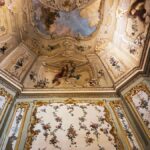
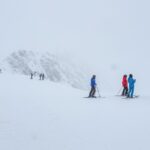
Kaprun sits at the foot of the Kitzsteinhorn glacier in Austria’s Salzburg province, where this Alpine village of just 3,000 residents balances its medieval heritage with its role as a world-class mountain sports hub. The town’s identity centers around dramatic mountain infrastructure including the 107-meter-high Kaprun Dam and the year-round glacier skiing area, accessible via a three-stage cable car system climbing to 3,029 meters. Alpine traditions persist in the village center, with family-run guesthouses serving Pinzgauer specialties like kasnocken (cheese dumplings) and locally distilled schnapps in wood-paneled dining rooms. The imposing 12th-century Burg Kaprun castle towers over the village on a strategic hill, hosting medieval festivals where local folklore and traditions come alive during summer months. Beyond winter sports on 138 kilometers of slopes, Kaprun offers summer visitors mountain biking across 800 kilometers of trails, hiking to scenic Alpine lakes, and wellness experiences utilizing the region’s mineral-rich water sources. The town maintains a somber memorial commemorating the 2000 funicular disaster that claimed 155 lives while reinforcing mountain safety protocols. Despite being overshadowed by neighboring Zell am See, Kaprun preserves authentic Austrian mountain culture with seasonal festivals centered around Alpine customs, transhumance celebrations marking cattle’s return from high pastures, and handcraft traditions passed through generations of mountain families, offering visitors deeper cultural experiences than those found in Austria’s more commercialized ski destinations.
The destination guide
Kaprun

At a glance
- German
- English
- Alpine glacier resort
- Kitzsteinhorn peak
- Reservoir lake
- Mountain terrain
- Skiing
- Glaciers
- Spa
- Mountains
- Family
- Alpine
- Adventure
How Kaprun scores
Character
Editorial scores on a 10-point scale, weighed against destinations of the same kind.
Travel safety snapshot
SafePlace indicators use their source 100-point scale; higher is more favourable. Planning context, not a live travel advisory — check official government guidance before you go.
When to go
Best months to visit: January, February, March, April, May, June, July, August, September, October and December.
- January: -4.4 to 3.8 degrees Celsius, 103.4 millimetres of rain, best-time score 5 out of 5.
- February: -2.3 to 6.8 degrees Celsius, 86.5 millimetres of rain, best-time score 5 out of 5.
- March: -0.1 to 9.9 degrees Celsius, 87.6 millimetres of rain, best-time score 5 out of 5.
- April: 3.1 to 13.9 degrees Celsius, 88.7 millimetres of rain, best-time score 4 out of 5.
- May: 7 to 17.5 degrees Celsius, 148.8 millimetres of rain, best-time score 4 out of 5.
- June: 12.3 to 23.4 degrees Celsius, 127.9 millimetres of rain, best-time score 5 out of 5.
- July: 13.5 to 23.7 degrees Celsius, 151.8 millimetres of rain, best-time score 5 out of 5.
- August: 14 to 24 degrees Celsius, 145.9 millimetres of rain, best-time score 5 out of 5.
- September: 10.1 to 20.1 degrees Celsius, 121.7 millimetres of rain, best-time score 5 out of 5.
- October: 6.4 to 15.9 degrees Celsius, 107.5 millimetres of rain, best-time score 4 out of 5.
- November: 0.8 to 9.4 degrees Celsius, 95.3 millimetres of rain, best-time score 3 out of 5.
- December: -2 to 5.5 degrees Celsius, 100.3 millimetres of rain, best-time score 5 out of 5.
Month-by-month conditions and packing advice
- January
- Cold, some rain January in Kaprun: the area is strongest for either ski season or summer hiking, biking, lakes, glacier views, and mountain lifts. Crowds: January in Kaprun is workable with normal seasonal planning; build in layers, weather checks, and a mix of indoor and outdoor activities. Pack: Pack warm layers, a coat, and comfortable shoes for cold mornings and evenings. Add a rain jacket or compact umbrella.
- February
- Cold, some rain February in Kaprun: the area is strongest for either ski season or summer hiking, biking, lakes, glacier views, and mountain lifts. Crowds: February in Kaprun is workable with normal seasonal planning; build in layers, weather checks, and a mix of indoor and outdoor activities. Pack: Pack warm layers, a coat, and comfortable shoes for cold mornings and evenings. Add a rain jacket or compact umbrella.
- March
- Cold, some rain March in Kaprun: the area is strongest for either ski season or summer hiking, biking, lakes, glacier views, and mountain lifts. Crowds: March in Kaprun is workable with normal seasonal planning; build in layers, weather checks, and a mix of indoor and outdoor activities. Pack: Pack warm layers, a coat, and comfortable shoes for cold mornings and evenings. Add a rain jacket or compact umbrella.
- April
- Cool to mild, some rain April in Kaprun: late ski, spring shoulder, or fall trips can work if operations and weather align. Crowds: April in Kaprun is workable with normal seasonal planning; build in layers, weather checks, and a mix of indoor and outdoor activities. Pack: Pack layered clothing and comfortable walking shoes. Add a rain jacket or compact umbrella.
- May
- Cool to mild, rainy May in Kaprun: late ski, spring shoulder, or fall trips can work if operations and weather align. Crowds: May in Kaprun is one of the wetter periods, so museums, food stops, flexible reservations, and backup indoor plans make the trip easier. Pack: Pack layered clothing and comfortable walking shoes. Add a rain jacket or compact umbrella.
- June
- Mild to warm, some rain June in Kaprun: the area is strongest for either ski season or summer hiking, biking, lakes, glacier views, and mountain lifts. Crowds: June in Kaprun is workable with normal seasonal planning; build in layers, weather checks, and a mix of indoor and outdoor activities. Pack: Pack layered clothing and comfortable walking shoes. Add a rain jacket or compact umbrella.
- July
- Mild to warm, rainy July in Kaprun: the area is strongest for either ski season or summer hiking, biking, lakes, glacier views, and mountain lifts. Crowds: July in Kaprun is one of the wetter periods, so museums, food stops, flexible reservations, and backup indoor plans make the trip easier. Pack: Pack layered clothing and comfortable walking shoes. Add a rain jacket or compact umbrella.
- August
- Mild to warm, rainy August in Kaprun: the area is strongest for either ski season or summer hiking, biking, lakes, glacier views, and mountain lifts. Crowds: August in Kaprun is one of the wetter periods, so museums, food stops, flexible reservations, and backup indoor plans make the trip easier. Pack: Pack light clothing, sun protection, and comfortable walking shoes. Add a rain jacket or compact umbrella.
- September
- Mild to warm, some rain September in Kaprun: the area is strongest for either ski season or summer hiking, biking, lakes, glacier views, and mountain lifts. Crowds: September in Kaprun is workable with normal seasonal planning; build in layers, weather checks, and a mix of indoor and outdoor activities. Pack: Pack layered clothing and comfortable walking shoes. Add a rain jacket or compact umbrella.
- October
- Cool to mild, some rain October in Kaprun: late ski, spring shoulder, or fall trips can work if operations and weather align. Crowds: October in Kaprun is workable with normal seasonal planning; build in layers, weather checks, and a mix of indoor and outdoor activities. Pack: Pack layered clothing and comfortable walking shoes. Add a rain jacket or compact umbrella.
- November
- Cold, some rain November in Kaprun: transition-season closures and variable weather narrow activity choices. Crowds: November in Kaprun is workable with normal seasonal planning; build in layers, weather checks, and a mix of indoor and outdoor activities. Pack: Pack warm layers, a coat, and comfortable shoes for cold mornings and evenings. Add a rain jacket or compact umbrella.
- December
- Cold, some rain December in Kaprun: the area is strongest for either ski season or summer hiking, biking, lakes, glacier views, and mountain lifts. Crowds: December in Kaprun is workable with normal seasonal planning; build in layers, weather checks, and a mix of indoor and outdoor activities. Pack: Pack warm layers, a coat, and comfortable shoes for cold mornings and evenings. Add a rain jacket or compact umbrella.
- July
- August
- November
- January
- February
- March
Know before you go
Best time to visit
Winter (December-March) or Summer (June-September)
Season by season
Winter (Nov–Apr): skiing on Kitzsteinhorn glacier and Maiskogel, Tauern Spa, Christmas markets. Spring (May–Jun): gorge and reservoir openings, wildflowers, snow still on glacier, quiet village. Summer (Jul–Aug): hiking in Hohe Tauern, swimming in alpine lakes, ICE ARENA on glacier, busiest period. Autumn (Sep–Oct): golden hiking, fall colors, quieter slopes.
Crowds
High (Christmas–New Year, February, July–August), Moderate (January, March, June, September), Low (April–May, October–November)
Getting there and around
Getting there
The nearest airport is Salzburg (SZG), about 80 km north. Direct trains from Salzburg Hbf to Zell am See take about 1.5 hours, then a short bus or taxi to Kaprun (4 km). Munich Airport (MUC) is about 2.5 hours by car. The Eurocity train from Munich to Zell am See takes about 2.5 hours. Car access via A10 motorway, exit Bischofshofen toward Zell am See.
Getting around
Kaprun village is walkable. Free ski buses connect Kaprun to the Kitzsteinhorn, Maiskogel, and Zell am See throughout winter. In summer, the regional bus network connects to Lake Zell, Sigmund Thun Gorge, and the high alpine reservoirs. The Zell am See-Kaprun Summer Card includes free public transport. A car is helpful for wider exploration but not essential.
Top experiences in Kaprun
Kitzsteinhorn Glacier (Top of Salzburg)
Austria’s only year-round glacier ski area in the Salzburg region, rising to 3,029 m. The Gipfelwelt 3000 viewing platform offers panoramic views of 30+ Alpine peaks. The National Park Gallery—a 360-m tunnel cut through the summit rock—reveals the mountain’s geological secrets. Summer visitors can play in the ICE ARENA snow field.
Sigmund Thun Gorge
A 320-m-long, 32-m-deep gorge carved by glacial meltwater, threaded with boardwalks and staircases. Waterfalls cascade between polished marble walls, and the trail leads to a natural swimming lake at the head of the gorge. Open May through October.
Kaprun Alpine Reservoirs
The Mooserboden and Wasserfallboden reservoirs sit at 2,040 m elevation, reached by Europe’s largest open inclined lift and a series of buses. The massive concrete dams hold back vivid turquoise water against a backdrop of glaciated peaks and waterfalls.
Maiskogel Mountain & Alpine Coaster
A family-friendly mountain accessed by the MK Maiskogelbahn gondola, with panoramic hiking trails and the Maisi Flitzer—a 1.3-km Alpine Coaster reaching 40 km/h with banked curves and a 400-m elevation drop. Connects via the 3K K-onnection to the Kitzsteinhorn.
Tauern Spa
Austria’s largest spa and wellness resort, featuring 12 indoor and outdoor thermal pools (including saltwater and hot-stone pools), 13 saunas, and a family water park with slides and a lazy river. Floor-to-ceiling windows frame mountain views from every pool.
Editor-curated picks carried over from our original guide. Where a full place guide exists, the card links to it.
Worth booking ahead in Kaprun
Hand-picked from the operators our guides already send readers to. Prices and availability are live on the partner site.
BrowseViator
Tours and tickets in Kaprun on Viator (opens Viator in a new tab)
Viator's full list of bookable tours and tickets in Kaprun.
BrowseGetYourGuide
Experiences in Kaprun on GetYourGuide (opens GetYourGuide in a new tab)
Everything GetYourGuide sells in Kaprun, with the cancellation terms on each listing.
Where to stayBooking.com
Stays in Kaprun (opens Booking.com in a new tab)
Live rates and availability for Kaprun on Booking.com; filter by neighbourhood once you know where your days start.
We earn a commission if you book through these links, at no extra cost to you. It is how we keep the guides free and independent.
Where to stay
Tauern Spa Hotel
Nikolaus-Gassner-Straße 1, 5710 Kaprun, Austria
A 149-room spa hotel directly above the Tauern Spa complex, with included access to 13 saunas, 12 pools, and a water park. Rooms feature mountain views, and the hotel offers a gourmet half-board restaurant, a rooftop terrace, and a children’s program.
Das Alpenhaus Kaprun
Schlossstraße 21, 5710 Kaprun, Austria
A 4-star superior hotel in the village center, combining traditional Pinzgau timber design with a modern spa wing. Amenities include an indoor pool, Finnish sauna, infrared cabin, and a restaurant serving regional Austrian cuisine with local wines.
Hotel Kaprunerhof
Nikolaus-Gassner-Straße 60, 5710 Kaprun, Austria
A family-run 4-star hotel 400 m from the Maiskogel gondola station, with 56 rooms, a spa with a panoramic sauna, an indoor pool, and a restaurant focusing on Salzburger Land ingredients. Free ski-bus stop at the door.
Editor-curated stays carried over from our original guide. Where we have reviewed the hotel, the card links to the review.
Tips from the field
Highlights
- Kitzsteinhorn – Year-round glacier at 3,029 m
- Sigmund Thun Gorge – Boardwalk through glacial canyon
- Alpine Reservoirs – Turquoise dams at 2,040 m
- Tauern Spa – 13 saunas and 12 pools
- Maisi Flitzer – Alpine coaster for families
- Hohe Tauern – Austria's largest national park
Best activities
- Ride the cable car to the Kitzsteinhorn summit at 3,029 m, explore the 360-m National Park Gallery tunnel, walk the boardwalks through Sigmund Thun Gorge, ride the Maisi Flitzer Alpine Coaster, visit the high-alpine Mooserboden reservoir, ski 138 km of Kitzsteinhorn and Maiskogel pistes in winter, soak in 13 saunas at the Tauern Spa, and hike to viewpoints within Hohe Tauern National Park.
Local experiences
- Stand on the Kitzsteinhorn summit platform at 3,029 m as clouds swirl around 30 glacier-capped peaks, walk through the spray of waterfalls in Sigmund Thun Gorge, or relax in an outdoor saltwater pool at the Tauern Spa as snow falls on the mountains.
Practical tips
- Buy the Zell am See–Kaprun Card from your hotel for free buses, cable cars, and attraction entry.
- The Kitzsteinhorn summit is 10–15°C colder than the valley—bring warm layers.
- Sigmund Thun Gorge is open May–October only; arrive before 10 AM to avoid crowds.
- The Alpine Reservoirs bus departs from Kesselfall parking lot—limited departures, check schedule.
- Winter ski passes cover both Kitzsteinhorn and Maiskogel via the 3K K-onnection.
- Book Tauern Spa weekday mornings for the quietest experience.
Photography tips
- The Kitzsteinhorn summit platform delivers panoramic golden-hour shots of the Hohe Tauern range—ride the last cable car up for sunset light on the glaciers. Sigmund Thun Gorge is best shot with a wide-angle lens in overcast light (harsh sun creates harsh shadows in the narrow canyon). The Mooserboden reservoir's turquoise water against grey dam concrete is most vivid in morning sun. Use a polarizing filter on all water shots to cut glare.
Timing
- Two days cover the Kitzsteinhorn summit, Sigmund Thun Gorge, and the Tauern Spa. Three days add the Alpine Reservoirs and Maisi Flitzer. A full week allows Hohe Tauern hiking, a day at Lake Zell, and multiple ski days in winter.
Keeping it authentic
- Kaprun's 12th-century castle still stands at the village's heart, and the surrounding Pinzgau architecture—timber-framed chalets with geranium-filled window boxes—is genuine, not built for tourists. The high-alpine reservoirs were an engineering marvel of the postwar era, built between 1947 and 1955 using Marshall Plan labor, and their story is central to Austrian national identity. The Kitzsteinhorn's glacier skiing tradition reaches back to the 1960s, long before the current infrastructure era.
Culture, customs and safety
Cultural heritage
Kaprun preserves Alpine heritage at the foot of the Kitzsteinhorn glacier, where traditional farming communities adapted to extreme mountain conditions for over 800 years. The medieval Kaprun Castle, built by the Counts of Falkenstein, commanded strategic Alpine passes. The town’s transformation began with the Kaprun High Mountain Reservoirs, an engineering marvel built 1938-1955 that symbolizes Austria’s post-war reconstruction. Traditional Almabtrieb cattle drives celebrate summer’s end when decorated cows return from high pastures, accompanied by schuhplattler dancing and alphorn music. The Sigmund-Thun Gorge showcases 30,000 years of glacial carving. Local woodcarving traditions produce intricate nativity scenes and masks for Krampus runs, when fur-clad demons parade through streets maintaining pre-Christian winter customs.
Local customs & etiquette
Austrian Alpine customs apply. Greet with ‘Grüß Gott’ (God’s greeting). Remove shoes when entering homes. Quiet hours (10 PM-7 AM) are strictly observed. Recycling is important—sort waste carefully. Tipping: round up or add 5-10%. The region celebrates traditional festivals like Almabtrieb (cattle descent in autumn) and Christmas markets. Younger staff speak English; German greetings are always appreciated with older locals.
Safety notes
Kaprun is an extremely safe Austrian mountain village. The main risks are outdoor-related: check avalanche conditions before off-piste skiing, dress warmly at the Kitzsteinhorn summit (temperatures can be below freezing even in summer), and wear sturdy footwear on gorge and mountain trails. The gorge boardwalks are wet and narrow—supervise children closely. UV exposure is intense at high altitude—wear sunscreen and sunglasses. Austrian emergency number: 112.