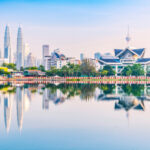
Petronas Twin Towers—world’s largest twin towers featuring 86th-floor observation deck and 41st-floor skybridge glass walkway connecting iconic structures, surrounded by KLCC Park’s cultural attractions including Aquaria aquarium, Asy’Syakirin Mosque, symphony hall, and art gallery. Batu Caves’ limestone formations housing Malaysia’s most significant Hindu pilgrimage site outside India, crowned by Lord Murugan’s 42-meter golden statue requiring 272-step climbs to reach ancient temple caves. Cultural melting pot authentically blending Malay, Chinese, and Indian communities through distinct neighborhoods: vibrant Chinatown’s traditional markets, colorful Little India’s spice shops and textile stores, plus diverse street food paradise offering incredible culinary fusion at inexpensive prices. Bustling Bukit Bintang commercial district contrasting with serene Perdana Botanical Gardens, while modern skyline meets Islamic architecture across Southeast Asia’s most successfully multicultural capital. Traditional and contemporary attractions including Islamic Arts Museum, Central Market’s handicrafts, and evening food tours exploring this fascinating gastronomic destination where three major cultures create harmonious urban diversity beneath Malaysia’s most recognizable architectural landmarks.
The destination guide
Kuala Lumpur

- Overall5/10
- Best forBudget travelers, Solo travelers
- PeakJan, Jul, Aug, Dec
- CurrencyMYR
KL puts the Petronas Towers, Hindu temples, Chinese markets, and Malay mosques within the same square mile — a capital that runs on cultural collision and satay smoke.
Travel guides for Kuala Lumpur
More guides featuring Kuala Lumpur (1)
At a glance
- Malay
- English
- Chinese
- Tamil
- Urban metropolis
- Tropical rainforest
- Petronas Towers skyline
- Batu Caves
How Kuala Lumpur scores
Character
Editorial scores on a 10-point scale, weighed against destinations of the same kind.
Travel safety snapshot
SafePlace indicators use their source 100-point scale; higher is more favourable. Planning context, not a live travel advisory — check official government guidance before you go.
When to go
Best months to visit: February, May, June, July and August.
- January: 22.1 to 30.6 degrees Celsius, 20 millimetres of rain, best-time score 3 out of 5.
- February: 22.4 to 31.8 degrees Celsius, 35.7 millimetres of rain, best-time score 4 out of 5.
- March: 22.8 to 32.2 degrees Celsius, 67 millimetres of rain, best-time score 2 out of 5.
- April: 23.4 to 31.5 degrees Celsius, 74.6 millimetres of rain, best-time score 3 out of 5.
- May: 23.6 to 31.6 degrees Celsius, 46.2 millimetres of rain, best-time score 4 out of 5.
- June: 23 to 31.5 degrees Celsius, 45.4 millimetres of rain, best-time score 5 out of 5.
- July: 22.9 to 31.3 degrees Celsius, 24.9 millimetres of rain, best-time score 5 out of 5.
- August: 23.4 to 31.4 degrees Celsius, 47.5 millimetres of rain, best-time score 4 out of 5.
- September: 23.1 to 31 degrees Celsius, 23.8 millimetres of rain, best-time score 3 out of 5.
- October: 23.1 to 31.7 degrees Celsius, 58.7 millimetres of rain, best-time score 2 out of 5.
- November: 23.1 to 30.1 degrees Celsius, 137.8 millimetres of rain, best-time score 2 out of 5.
- December: 22.9 to 30.1 degrees Celsius, 109.6 millimetres of rain, best-time score 3 out of 5.
Month-by-month conditions and packing advice
- January
- Hot and sunny, mostly dry January in Kuala Lumpur: northeast monsoon brings frequent showers, but the city's indoor attractions run year-round. Crowds: January brings a relative respite from Malaysia’s heavier monsoon rains, making it a favorable time for urban exploration. While the temperatures are hot, the lower rainfall means fewer interruptions for outdoor activities like visiting temples, exploring street food markets, or strolling through Chinatown. This period does not coincide with Kuala Lumpur’s peak inbound tourism season, so crowding is moderate, and accommodation rates remain accessible compared to holiday surges around Christmas or Chinese New Year. Visitors can comfortably enjoy cultural festivals, night markets, and evening street performances without frequent rain disruptions. The heat does encourage a strategic approach: early morning outings followed by cooler indoor attractions during midday. Overall, January offers a balance of cultural vibrancy and manageable weather conditions before wetter months return. Pack: Breathable cotton or linen clothing to stay cool in humid heat; Comfortable sandals or walking shoes for exploring urban districts; Light rain jacket or compact umbrella for unexpected showers; High SPF sunscreen and sunglasses for strong equatorial sun; Reusable water bottle to stay hydrated during city walks; Modest attire options for visiting temples and cultural sites
- February
- Hot and sunny, some rain February in Kuala Lumpur: one of the drier, sunnier months with pleasant conditions for city sightseeing. Crowds: February falls within Kuala Lumpur’s year-round hot and humid season, but conditions remain highly manageable for urban exploration. Travelers can enjoy a balance of sunshine and occasional rain showers, with the weather favoring early morning and evening sightseeing. While it is not a traditional peak tourist month, Kuala Lumpur still experiences steady visitor flow, meaning hotel prices and attractions are less crowded than during major holidays. Outdoor activities such as exploring street food districts, temple visits, and nature walks are best scheduled before midday or after rain showers. The relatively light rainfall makes it easier to plan flexible itineraries without major disruptions, though humidity may test comfort levels. Travelers should pace themselves, stay hydrated, and take advantage of shaded spots or air-conditioned venues during the hottest hours. This shoulder-season rhythm creates opportunities for a more relaxed and immersive cultural experience compared to busier times of year. Pack: Lightweight cotton or linen clothing for humidity; Compact umbrella or light rain jacket for sudden showers; Comfortable sandals or breathable walking shoes; Refillable water bottle to stay hydrated in the heat; Broad-brimmed hat and high SPF sunscreen; Modest attire for visiting mosques and cultural sites
- March
- Hot and sunny, some rain March in Kuala Lumpur: the hottest, most humid month with inter-monsoon storms making outdoor days draining. Crowds: March brings hot, humid conditions ideal for travelers who thrive in tropical weather but potentially taxing for those unused to sustained heat. It sits just outside the peak tourism months, which means fewer crowds at landmarks but still steady foot traffic in central districts. Hotel rates remain moderate, making it a favorable time for budget-conscious travelers. The afternoon showers provide natural breaks for museum visits, temple stops, or cooling off in a café. Outdoor activities such as rooftop dining or night markets are still accessible but best enjoyed after sunset when temperatures ease. Visitors should plan excursions early in the morning or in the evening and allow flexibility for weather interruptions. Booking accommodation with a pool or easy public transport access can significantly enhance comfort during this transitional season. Pack: Lightweight breathable clothing for humid heat; Compact travel umbrella for sudden showers; Comfortable sandals or walking shoes with grip; Reusable water bottle to stay hydrated; Modest attire for visiting temples and mosques; Insect repellent for evenings outdoors
- April
- Hot and sunny, some rain April in Kuala Lumpur: warm with frequent inter-monsoon rain, though showers are often short afternoon bursts. Crowds: Travelers in April will encounter hot, humid conditions that can feel draining during midday hours, but mornings and evenings are excellent for exploration. Kuala Lumpur’s wet season is not at its peak, so showers are frequent but brief, often adding freshness rather than disruption. This makes April a good time for both urban sightseeing and excursions into surrounding highlands, where cooler air offers relief. Tourism demand is steady but not at its highest, meaning accommodation and flight prices remain relatively reasonable compared to peak summer months. Outdoor attractions such as Batu Caves or guided food walks are best scheduled earlier in the day before heat builds. Cultural and indoor sites, like the Islamic Arts Museum or Petronas Towers, provide welcoming air-conditioned escapes during the hottest hours. With attentive pacing and hydration, April offers a balanced mix of accessible experiences without the extreme downpours of later monsoon months. Pack: Breathable cotton and linen clothing for humidity; Wide-brimmed hat and high SPF sunscreen; Collapsible umbrella or light rain jacket; Comfortable sandals or walking shoes with grip; Reusable water bottle to stay hydrated; Modest attire for visiting temples and mosques
- May
- Hot and sunny, some rain May in Kuala Lumpur: warm and fairly dry start to a good window, comfortable for exploring the city. Crowds: May in Kuala Lumpur offers a lively travel experience, with reliable warmth but also high humidity and intermittent rain that travelers must account for. This period falls just before the June school holidays, meaning attractions are busy but not yet at their peak crowd levels. Prices for accommodation remain moderate compared to later summer months. Outdoor activities like exploring Batu Caves or the Perdana Botanical Garden are best scheduled for mornings when temperatures are slightly cooler and rain less frequent. Afternoon downpours often drive visitors indoors to museums, malls, or food halls, making it a natural rhythm of alternating between outdoor adventure and cultural immersion. Travelers should anticipate flexible itineraries, carry sun and rain protection at all times, and expect higher comfort levels in air-conditioned spaces. Booking centrally located hotels is advisable to minimize travel during sudden rainstorms and maximize cultural exploration time. Pack: Breathable cotton or linen clothing to manage humidity; Lightweight rain jacket or compact umbrella for sudden showers; Comfortable sandals or quick-dry walking shoes; High SPF sunscreen and sunglasses for strong tropical sun; Reusable water bottle to stay hydrated in the heat; Modest attire for visiting mosques and temples
- June
- Hot and sunny, some rain June in Kuala Lumpur: one of the driest, sunniest months with the least rainfall, ideal for sightseeing. Crowds: June represents Kuala Lumpur’s mid-year tourist window, with hot conditions balanced by moderate rainfall compared to wetter months later in the year. Travelers benefit from manageable showers that rarely disrupt activities, making it an appealing time for both urban exploration and nearby nature excursions. Tourist numbers remain steady but not overwhelming, with better availability of accommodations compared to peak holiday periods. The city’s extensive indoor attractions—museums, markets, and dining venues—offer respite from the heat and humidity, while evenings become lively with open-air food markets once the air cools slightly. Prices for hotels and flights remain moderate, and booking flexibility is higher than during regional festivals. Visitors should plan active sightseeing early in the day, then pivot to shaded or indoor experiences as midday heat builds. Short rains generally pass quickly, allowing for spontaneous adjustments rather than major disruptions. Pack: Light, breathable cotton or linen clothing; Compact umbrella or lightweight rain jacket; Comfortable sandals or breathable walking shoes; Wide-brimmed hat and high-SPF sunscreen; Reusable water bottle to stay hydrated; Modest attire for temples and cultural sites
- July
- Hot and sunny, mostly dry July in Kuala Lumpur: typically the driest month with sunny mornings, making it the best time to visit. Crowds: July offers favorable conditions for urban exploration and cultural immersion in Kuala Lumpur. As the city avoids the heaviest monsoon rains, walking tours, rooftop dining, and day trips to Batu Caves or nearby highlands are particularly rewarding. This period is considered part of the mid-year travel window, meaning crowd levels are steady but less intense than peak holiday seasons around December and early January. Hotel prices remain relatively balanced, with good value available for advance bookings. While outdoor activities are attractive, heat management is key—midday hours can be taxing, so travelers should plan temple visits, museum tours, or shaded café breaks during peak sun. The reduced rainfall compared to transitional monsoon months makes it easier to schedule excursions without constant disruption. For budget-conscious travelers, July represents a strategic time to enjoy reliable weather, cultural festivals, and active nightlife while avoiding both extremes of price and precipitation. Pack: Light, breathable cotton or linen clothing for tropical heat; Comfortable sandals or walking shoes for city exploration; Compact umbrella or lightweight rain jacket for sudden showers; Wide-brimmed hat and strong sunscreen for midday protection; Reusable water bottle to stay hydrated in humid conditions; Modest attire (covered shoulders and knees) for temple visits
- August
- Hot and sunny, some rain August in Kuala Lumpur: warm and relatively dry with only moderate showers, good for city exploration. Crowds: August provides relatively favorable travel conditions for Kuala Lumpur. While temperatures remain hot, the reduced rainfall compared to peak monsoon periods makes sightseeing more predictable and enjoyable. Outdoor attractions such as Chinatown’s street food stalls, the Thean Hou Temple, and rooftop bars offer long stretches of sun with only brief interruptions from showers. This period falls outside Malaysia’s peak tourist influx, so crowd levels and hotel pricing are moderate, making it easier to secure accommodations in prime central districts. Air-conditioned shopping malls like Pavilion and Suria KLCC double as both cooling refuges and cultural hubs. Travelers should be aware that haze from regional forest fires occasionally affects visibility in August, though impact varies year to year. Overall, it’s a good time for city discovery, cultural festivals, and day trips to nearby highlands while enjoying slightly fewer crowds and more affordable options than in December or January. Pack: Lightweight, breathable clothing suitable for high humidity; Comfortable sandals or mesh walking shoes; Compact umbrella or light rain jacket for sudden showers; High-SPF sunscreen and polarized sunglasses; Modest attire for visiting mosques and temples; Reusable water bottle to stay hydrated in the heat
- September
- Hot and sunny, mostly dry September in Kuala Lumpur: increasing rainfall and occasional haze as the wetter season approaches. Crowds: Travelers in September benefit from one of Kuala Lumpur’s less rainy periods, making sightseeing and outdoor excursions more convenient than in the heart of the monsoon seasons. While the heat is consistent, the manageable rainfall means fewer disruptions to city walks, food tours, or day trips to Batu Caves. September falls slightly outside Malaysia’s peak tourist months, so visitors can expect more moderate crowd levels at attractions and slightly more flexibility with hotel bookings. Prices may still be firm in international business districts, but leisure travelers often find better value than during high-season holidays. The combination of hot, sunny conditions and reduced rain makes it a favorable time to enjoy rooftop dining, heritage trails, and photography tours, though the midday sun can be draining without proper pacing and hydration. Pack: Breathable cotton or linen shirts to manage heat; Lightweight umbrella for sun and occasional showers; Comfortable sandals or breathable walking shoes; Reusable water bottle to stay hydrated in humid conditions; Wide-brimmed hat and high SPF sunscreen for intense sun; Modest attire for visiting mosques and temples
- October
- Hot and sunny, some rain October in Kuala Lumpur: one of the wettest months with frequent heavy inter-monsoon downpours. Crowds: Travelers visiting Kuala Lumpur in October should expect warm, humid conditions ideal for exploring indoor cultural highlights such as the National Museum, Islamic Arts Museum, or the Petronas Towers. Outdoor exploration is best planned for mornings or evenings to avoid peak heat and sudden rain bursts. This month falls within Malaysia’s shoulder season, meaning crowd levels are moderate and hotel prices can be more favorable compared to peak holiday months. While rain is frequent, it typically comes in short, predictable bursts, allowing most plans to continue with slight adjustments. Comfortable weather in the evenings makes street food dining and night markets especially rewarding experiences. Advance bookings are not as critical as in December, though it’s wise to reserve popular accommodations in central areas. Pack: Lightweight, breathable clothing in cotton or linen; Compact umbrella or lightweight rain jacket for sudden showers; Comfortable sandals or breathable walking shoes; Wide-brimmed hat and SPF 50+ sunscreen; Reusable water bottle to stay hydrated in the heat; Modest attire for visiting temples and religious sites
- November
- Hot and sunny, heavy rain November in Kuala Lumpur: heavy rainfall continues as the northeast monsoon sets in across the city. Crowds: November falls within Malaysia’s wet season, significantly shaping the visitor experience in Kuala Lumpur. Outdoor sightseeing, from Batu Caves to walking tours through Chinatown, is best scheduled in the mornings before afternoon storms roll in. While the heat and humidity can be draining, cultural attractions like the Islamic Arts Museum, KLCC shopping arcades, and covered food courts offer welcoming escapes during heavy rains. Crowds are moderate compared to peak tourist months, which means easier access to popular sites and potentially lower hotel rates. However, the weather can disrupt day trips into the Cameron Highlands or Genting Highlands, so travelers should remain flexible and keep backup indoor options. Photography enthusiasts may find the interplay of tropical storms and brilliant post-rain sunsets especially rewarding. Advance bookings for hotels are less competitive, but umbrellas and waterproof gear are essential companions. Pack: Breathable cotton or linen clothing to manage heat and humidity; Compact umbrella and lightweight rain jacket for daily showers; Waterproof sandals or quick-drying shoes for wet streets; Reusable water bottle to stay hydrated in the tropical climate; Mosquito repellent for evenings in parks and outdoor dining; Modest attire for visiting temples and cultural landmarks
- December
- Hot and sunny, some rain December in Kuala Lumpur: monsoon showers persist but the festive season and indoor sights keep the city lively. Crowds: December travel in Kuala Lumpur coincides with the peak holiday season, drawing international visitors and Malaysians alike to the capital for shopping festivals and cultural celebrations. The weather allows for flexible sightseeing: mornings are often sunny, ideal for exploring landmarks such as the Petronas Towers or Batu Caves, while late afternoons may be interrupted by sudden rain showers. These downpours rarely last long but can affect outdoor itineraries if not planned around. High humidity can be tiring for those unaccustomed to tropical climates, but plentiful indoor attractions, air-conditioned malls, and night markets provide comfortable alternatives. Tourist sites and accommodation tend to be busier, and prices rise accordingly, so advance booking is wise. Overall, December offers an energetic mix of festive atmosphere and manageable weather challenges for travelers seeking both cultural and urban experiences. Pack: Breathable cotton and linen clothing to stay cool; Compact umbrella or lightweight rain jacket for sudden showers; Comfortable sandals or waterproof walking shoes; High SPF sunscreen and sunglasses for midday sun; Reusable water bottle to stay hydrated in humid heat; Modest attire for visiting temples and religious sites
- July
- August
- December
- January
- March
- April
- September
- October
Know before you go
Best time to visit
The best time to visit Kuala Lumpur is during the dry season, from May to July and December to February, when the weather is relatively cooler and less humid. However, the city is a year-round destination with plenty of indoor attractions and events.
Crowds
Kuala Lumpur is busiest during year-end holidays (December–January), Chinese New Year (January/February) and major shopping sale periods; quietest during the monsoon months (October–November) though city tourism is steady year-round; overall central areas can be quite crowded during sales and festivals.
Getting there and around
Getting there
Kuala Lumpur is accessible via Malaysia’s domestic flight network and highway system. The city connects to Kuala Lumpur and other Malaysian destinations.
Getting around
Master Kuala Lumpur via KL Sentral’s main interconnection hub accessing MRT, LRT, ERL, Komuter, and Monorail systems serving the entire Klang Valley. Board the modern MRT line through city center reaching Petronas Twin Towers (KLCC station), National Museum, and Central Market with comfortable trains and stations. Navigate via widely-used LRT system—ride SBK Line from Sungai Buloh to Pasar Seni near Central Market and Chinatown, or access Bukit Bintang, KL Tower, and major landmarks across 20+ stations. Experience the excellent free GO KL City Bus covering four routes with over 20 stops including Petronas Towers, KL Tower, Chinatown, and Bukit Bintang—perfect for budget tourist exploration. Use essential Touch ‘n Go (TnG) cards (RM20/$4.70) for cashless convenience across all public transport modes. Book Grab rides starting RM5 (~$1.30) for short trips or RM65 KLIA-city center connections, with cars or motorbikes available via Malaysia’s dominant ride-hailing platform. Most famous landmarks offer multiple transport access options (trains, buses, taxis) making this diverse, modern Asian capital highly navigable for cultural exploration where traditional markets meet futuristic skyscrapers.
Worth booking ahead in Kuala Lumpur
Hand-picked from the operators our guides already send readers to. Prices and availability are live on the partner site.
BrowseViator
Tours and tickets in Kuala Lumpur on Viator (opens Viator in a new tab)
Viator's full list of bookable tours and tickets in Kuala Lumpur.
BrowseGetYourGuide
Experiences in Kuala Lumpur on GetYourGuide (opens GetYourGuide in a new tab)
Everything GetYourGuide sells in Kuala Lumpur, with the cancellation terms on each listing.
Where to stayBooking.com
Stays in Kuala Lumpur (opens Booking.com in a new tab)
Live rates and availability for Kuala Lumpur on Booking.com; filter by neighbourhood once you know where your days start.
We earn a commission if you book through these links, at no extra cost to you. It is how we keep the guides free and independent.
Where to stay
Mandarin Oriental Kuala Lumpur
Jalan Sultan Ismail, Kuala Lumpur 50250, Malaysia
Iconic twin-tower luxury hotel at the base of the Petronas Towers with expansive rooms, a tiered infinity pool, ESPA spa, and Nobu restaurant.
The RuMa Hotel and Residences
Jalan Stesen Sentral 5, KL Sentral, 50470 Kuala Lumpur, Malaysia
Five-star hotel in the KL Sentral transport hub with contemporary rooms, a rooftop pool overlooking the skyline, and a YTL-curated art collection.
JW Marriott Kuala Lumpur
168 Jalan Imbi, Bukit Bintang, 55100 Kuala Lumpur, Malaysia
Chic boutique hotel in the Bukit Bintang shopping district with art déco-inspired rooms, a rooftop infinity pool, and skyline views.
Editor-curated stays carried over from our original guide. Where we have reviewed the hotel, the card links to the review.
Tips from the field
Practical tips
- Currency: Malaysian Ringgit (MYR). Cards at malls; cash at hawker stalls.
- Getting There: KL International Airport (KUL). KLIA Ekspres to KL Sentral (RM55, 28 minutes).
- Transportation: LRT, MRT, and Monorail. Touch 'n Go card. Grab for taxis. Walking in KLCC/Bukit Bintang.
- Dining: Nasi lemak (national dish, RM3-10), roti canai, satay, laksa. Jalan Alor hawker street (RM5-15). Restaurant meals RM15-50.
- Free Attractions: Petronas Twin Towers exterior, Merdeka Square, Little India, Batu Caves (exterior), KL Forest Eco Park.
- Tipping: Not expected
- Electricity: 240V/50Hz, Type G plugs
Culture, customs and safety
Cultural heritage
Kuala Lumpur embodies the multicultural heritage of Malaysian diversity, where Malay Islamic traditions, Chinese immigrant culture, Indian cultural contributions, and British colonial influence created one of Southeast Asia most harmonious multicultural societies. The city preserves traditional Malaysian cultural practices while embracing rapid modernization and serving as symbol of successful multicultural coexistence. Kuala Lumpur cultural heritage encompasses traditional Malay culture, Chinese diaspora traditions, Indian cultural influence, and contemporary Malaysian multicultural innovation that continues to represent successful cultural integration and Southeast Asian urban development in the modern era.
Local customs & etiquette
In Kuala Lumpur, the multicultural society blends Malay, Chinese, and Indian customs. Dress modestly, especially at mosques.
Safety notes
Kuala Lumpur is generally safe — a modern, diverse metropolis.
General Safety:
• KLCC, Bukit Bintang, and Bangsar are safe
• Petty theft in crowded areas and on public transit
• Bag snatching by motorcyclists — carry bags on the building side
Cultural Notes:
• Modest dress at mosques and temples
• Remove shoes when entering places of worship
Emergency: 999