

Lefkada, an island in the Ionian Sea, is renowned for its stunning beaches, crystal-clear waters, and picturesque villages. Known for its natural beauty and vibrant culture, Lefkada offers a perfect blend of relaxation and adventure. Visitors can explore the breathtaking coastline, indulge in local cuisine, and enjoy various water sports.
The destination guide
Lefkada

At a glance
Currency€ EURCode: EUR
Time zoneEastern European Time
Languages
- Greek
Setting
- Ionian island
- White sandy beaches
- Mountain terrain
- Porto Katsiki cliffs
Known for
- Beach relaxation
- Water sports and activities
- Natural beauty and landscapes
- Greek island culture
Population22,71122,711 residents
VisaDuration: Up to 90 days within any 180-day period in the Schengen Area · Documents: Valid passport issued within the last 10 years and valid for at least 3 months after planned departure, plus proof of accommodation, onward or return travel, and sufficient funds if requested
How Lefkada scores
6/10OverallFair
Weather8/10
Value for money7/10
Safety8/10
Food & cuisine8/10
Culture & arts4/10
Cultural experience7/10
History6/10
Nature & outdoors9/10
Adventure6/10
Nightlife6/10
Shopping5/10
Family friendly5/10
Romance8/10
Character
Photography score7/10
Authenticity score9/10
Off-the-beaten-path score8/10
Editorial scores on a 10-point scale, weighed against destinations of the same kind.
Travel safety snapshot
Overall84/100High rating
Women travellers80/100
LGBTQ+ travellers70/100
Theft75/100
Medical care72/100
Physical harm86/100
Political freedom70/100
SafePlace indicators use their source 100-point scale; higher is more favourable. Planning context, not a live travel advisory — check official government guidance before you go.
When to go
Best months to visit: April, May, June, September and October.
- January: 9.4 to 12.8 degrees Celsius, 48.4 millimetres of rain, best-time score 2 out of 5.
- February: 8.5 to 12.6 degrees Celsius, 33.7 millimetres of rain, best-time score 2 out of 5.
- March: 9.8 to 14.3 degrees Celsius, 40.8 millimetres of rain, best-time score 3 out of 5.
- April: 13.6 to 17.8 degrees Celsius, 14 millimetres of rain, best-time score 4 out of 5.
- May: 17 to 21.3 degrees Celsius, 38.1 millimetres of rain, best-time score 5 out of 5.
- June: 21.3 to 25.6 degrees Celsius, 10.5 millimetres of rain, best-time score 5 out of 5.
- July: 24.1 to 28.8 degrees Celsius, 1.1 millimetres of rain, best-time score 3 out of 5.
- August: 24.6 to 29.4 degrees Celsius, 0.6 millimetres of rain, best-time score 3 out of 5.
- September: 22.1 to 26.3 degrees Celsius, 31.9 millimetres of rain, best-time score 5 out of 5.
- October: 18.2 to 21.9 degrees Celsius, 48.6 millimetres of rain, best-time score 4 out of 5.
- November: 14.8 to 18.4 degrees Celsius, 24 millimetres of rain, best-time score 2 out of 5.
- December: 11.5 to 14.7 degrees Celsius, 48.4 millimetres of rain, best-time score 2 out of 5.
Month-by-month conditions and packing advice
- January
- Cool weather, some rain January in Lefkada: cool, quiet and wet with most tourist services shut, suited only to those seeking deep off-season solitude. Crowds: Travelers visiting Lefkada in January will find a quiet, off-season atmosphere. With cool temperatures and some rainfall, the island is best suited for cultural exploration, village visits, and enjoying Ionian landscapes without the summer influx of tourists. Many beach-focused amenities may be closed, but accommodations are significantly cheaper, and popular spots like Lefkada Town are blissfully uncrowded. This period favors budget-conscious visitors or those seeking authentic encounters with local culture. While outdoor swimming and water sports are not ideal, hiking, photography, and culinary discovery thrive during this tranquil winter window. Advance booking is rarely necessary, offering travelers flexibility and a relaxed pace. Pack: Waterproof jacket for occasional showers; Warm sweater or fleece for cooler evenings; Comfortable walking shoes with good grip for wet terrain; Compact umbrella for light rain; Layers of breathable clothing for daytime comfort; Scarf and modest attire for visiting churches and monasteries
- February
- Cool weather, some rain February in Lefkada: still cold and low-season, though Carnival parades bring some local color before the Lenten period. Crowds: February represents the low tourist season in Lefkada. Travelers visiting at this time will encounter quiet streets, shuttered seasonal businesses, and more intimate access to local life. Accommodation prices are at their lowest and availability is wide open, making it an ideal time for budget-conscious travelers who value solitude over nightlife. While the weather is cool and rain showers are possible, it remains comfortable for walking tours, village visits, and exploring the island’s Venetian heritage. Outdoor activities like hiking and photography are more appealing than water sports or sunbathing. Visitors should be prepared for limited ferry schedules and fewer dining options, but those who embrace the slower rhythm of winter will find authentic cultural encounters and peaceful island scenery. Pack: Waterproof jacket for occasional showers; Layered clothing for cool days and chilly evenings; Sturdy walking shoes for village and coastal trails; Umbrella or compact rain poncho; Warm sweater or fleece for added comfort; Camera gear for capturing winter landscapes
- March
- Cool weather, some rain March in Lefkada: mild and reawakening with wildflowers emerging, but many beach businesses remain closed and the sea is cold. Crowds: March is considered off-season in Lefkada, with cooler weather and occasional rain limiting typical beach activities but enhancing cultural and nature-focused exploration. Visitors benefit from low accommodation prices and near-empty attractions, offering a quieter, more authentic experience of local life. While ferries and some seasonal businesses may operate with reduced schedules, walking trails, mountain villages, and archaeological sites are best enjoyed without summer’s intense heat or crowds. Restaurants that remain open cater largely to locals, giving travelers a chance to experience regional cuisine in a less tourist-centered environment. For those seeking tranquility, March provides an excellent window to enjoy Lefkada’s landscapes and heritage without the bustle of peak season. Travelers should prepare for cooler evenings and intermittent rain, but the reward is an intimate and relaxed atmosphere across the island. Pack: Waterproof jacket or compact rain shell; Warm layers for cool evenings; Sturdy walking shoes for village and trail exploration; Umbrella for occasional rain showers; Camera gear with weather protection for changing light; Scarf or shawl for added warmth in breezy coastal areas
- April
- Warm and pleasant, mostly dry April in Lefkada: pleasantly warm spring weather, blooming countryside and thin crowds as the island opens up for the season. Crowds: April marks the start of the shoulder season in Lefkada, bringing mild weather without the crowds of summer. It’s an excellent time for cultural travelers, hikers, and those seeking authentic village experiences before peak tourist activity begins in May and June. Accommodation prices are more affordable, and availability is high, making spontaneous bookings possible. While beach lounging is limited by cooler sea temperatures, the conditions are ideal for walking tours, cycling, and exploring inland archaeological sites without heat fatigue. Cafés and local tavernas operate at a slower, more welcoming pace, giving visitors a chance to engage with the community. For photographers and cultural explorers, this month offers balanced light and authentic island rhythms without the interruptions of mass tourism. Pack: Light jacket for cool evenings; Breathable long-sleeve shirts for daytime walks; Comfortable walking shoes for uneven village streets; Compact umbrella or light rain jacket; Scarf or shawl for breezy coastal areas; Swimwear for those planning early-season dips
- May
- Warm and pleasant, some rain May in Lefkada: ideal warm-but-not-hot weather, swimmable seas, wildflowers and light crowds make it a top month. Crowds: May marks the start of the shoulder season in Lefkada, a sweet spot between the cooler spring months and the crowded summer peak. The moderate warmth allows for comfortable hiking, cycling, and visits to villages without the intensity of July or August heat. Beaches such as Porto Katsiki and Egremni are quieter, though the sea can still feel brisk for long swims. Prices for accommodation and car rentals remain lower compared to the high season, while ferries and tavernas operate with fewer queues. Travelers benefit from both affordability and accessibility. For those seeking cultural immersion and scenic photography, this month offers the best of both worlds before crowds arrive in full force. Pack: Light layers for mild daytime warmth and cooler evenings; Comfortable walking sandals for coastal paths and villages; Compact umbrella or light rain jacket for occasional showers; Sunhat and high SPF sunscreen for midday sun; Swimsuit and quick-dry towel for early beach dips; Lightweight scarf or wrap for modesty at monasteries and churches
- June
- Warm and pleasant, mostly dry June in Lefkada: warm sunny days and inviting beaches before the peak heat and busiest crowds fully arrive. Crowds: June marks the opening stretch of Lefkada’s summer season, bringing excellent conditions for sailing, hiking, and beach exploration. With warm seas and calm winds, this is a favored month for yachting through the Ionian islands. Tourist numbers increase compared to spring, but crowds remain moderate, and accommodations are often more affordable than in peak July and August. Outdoor dining is comfortable in the evenings, while daylight lasting well into the night supports a relaxed travel rhythm. Prices for hotels and rentals start to climb, so early bookings are advised for prime beachfront spots. The weather supports nearly all activities—snorkeling, cultural exploration, and inland drives—without the heavier heat or congestion that arrives later in the season. Pack: Breathable cotton or linen outfits for warm afternoons; Swimwear and quick-dry towel for beach and sailing days; Comfortable sandals and sturdy walking shoes for mixed terrain; Light jacket or shawl for cooler coastal evenings; High SPF sunscreen and after-sun care lotion; Modest clothing for monasteries and village churches
- July
- Hot and sunny, mostly dry July in Lefkada: hot, sunny and at peak popularity with packed beaches and high prices. Crowds: July represents peak tourist season in Lefkada, with near-perfect beach weather drawing both international visitors and Greek holidaymakers. Expect bustling beaches, higher accommodation prices, and limited availability unless bookings are made well in advance. The heat is well suited for water-based activities, while inland hikes may feel strenuous during midday—early mornings or evenings are preferable for exploring traditional villages and olive groves. The atmosphere is lively, with local festivals adding cultural texture to the high season energy. Travelers should be prepared for crowded conditions but will benefit from the island’s full range of services, ferry schedules, and nightlife offerings operating at maximum capacity. Pack: Swimwear for daily beach and water activities; High SPF sunscreen and after-sun lotion; Wide-brimmed hat and polarized sunglasses; Light, breathable linen or cotton clothing; Sandals for casual wear and sturdy shoes for coastal hikes; Light shawl or cover-up for modesty in churches and monasteries
- August
- Hot and sunny, mostly dry August in Lefkada: hottest and most crowded month with highs near 33C and resorts at full capacity. Crowds: August marks the absolute peak of Lefkada’s tourist season. Beaches, particularly Porto Katsiki and Egremni, are at their most crowded, and hotel prices climb to their annual highs. Warm nights and reliably sunny days favor all water-based activities, from sailing through the Ionian archipelago to snorkeling in hidden coves. However, the heat can make mid-day hiking and cultural exploration less comfortable, so travelers should plan such activities for mornings or late afternoons. Advance bookings for ferries, car rentals, and accommodations are essential this month. Despite high foot traffic, the festive atmosphere and long daylight hours create an undeniable allure for travelers seeking the island at its most vibrant. Pack: Lightweight linen or cotton clothing; High-SPF reef-safe sunscreen; Wide-brimmed hat for sun protection; Comfortable sandals for beach and town walks; Reusable water bottle to stay hydrated; Swimwear and quick-dry towel for frequent swims
- September
- Warm and pleasant, some rain September in Lefkada: arguably the best month, with warm seas, summer-like weather and crowds thinning out. Crowds: September marks the shoulder season in Lefkada, offering a balance between summer vibrancy and autumn calm. Warm sea temperatures still invite swimming and water sports, while the slight drop in air temperatures makes hiking and cultural sightseeing more enjoyable. Crowds thin noticeably after August, meaning beaches like Porto Katsiki or Egremni feel less congested, yet many tavernas and shops remain fully open. Prices for accommodations and flights generally ease compared to peak summer months, providing better value. Rainfall is occasional and rarely long-lasting, making it easy to plan flexible days around showers. This month is excellent for travelers seeking a more relaxed, authentic island experience without the high-season intensity, though early booking is still wise for prime waterfront lodging. Pack: Lightweight breathable clothing for warm daytime temperatures; Comfortable sandals and sturdy walking shoes for varied terrain; Compact travel umbrella or light rain jacket for occasional showers; Swimwear and quick-dry towel for beach and water activities; Light sweater or shawl for cooler evenings by the sea; Respectful attire for visiting monasteries and cultural sites
- October
- Warm and pleasant, some rain October in Lefkada: pleasant mild days and a tranquil atmosphere, though showers increase and the sea cools. Crowds: October is part of Lefkada’s shoulder season, when the summer crowds have thinned and prices for accommodation and dining begin to ease. Warm sea temperatures make it an excellent time for late-season swimming, sailing, and beach walks, while cooler evenings favor hikes through villages and mountain trails. Some tourist services and seasonal beach bars may start closing, but cultural experiences and quieter landscapes become more accessible. Travelers benefit from reduced congestion at popular spots like Porto Katsiki and Kathisma Beach. Rain showers are brief and rarely disrupt plans, making this month ideal for those seeking a balance of affordability, tranquility, and pleasant weather without peak-season pressures. Pack: Light jacket or cardigan for cooler evenings; Comfortable walking shoes for village and coastal trails; Compact umbrella or light rain jacket for occasional showers; Swimwear for late-season sea swimming; Breathable cotton and linen clothing for warm daytime conditions; Scarf or shawl for both warmth and modesty at religious sites
- November
- Warm and pleasant, mostly dry November in Lefkada: cool and increasingly rainy as the island winds down and services close for winter. Crowds: November is considered low season in Lefkada, making it an appealing time for travelers seeking a quieter experience without summer crowds. Hotels, villas, and guesthouses often reduce rates significantly, and availability is abundant. The weather supports cultural exploration and hiking more than beach holidays, as sea temperatures dip and sunshine hours shorten. Many seasonal restaurants and beach clubs close after October, but traditional tavernas remain open, giving visitors a more authentic, local experience. Those interested in photography, archaeology, and relaxed island life will find November rewarding, while travelers seeking nightlife and water sports may be disappointed. Planning ahead is simple due to reduced demand, but it’s wise to check ferry schedules and local bus routes as services scale back. Pack: Light sweater or cardigan for cooler evenings; Water-resistant jacket for occasional showers; Comfortable walking shoes for hilly terrain; Layered clothing for fluctuating day-to-night temperatures; Scarf or shawl for added warmth and cultural sites; Compact umbrella for sudden Mediterranean rain
- December
- Cool weather, some rain December in Lefkada: cold, quiet and wet with most tourism shut down and short daylight hours. Crowds: December represents the off-season in Lefkada, with quiet towns, minimal tourist crowds, and far lower accommodation prices than in summer. This period appeals most to cultural travelers seeking authentic village life, traditional cuisine, and the island’s slower pace rather than beach holidays. Ferry and flight connections are more limited, so visitors should plan logistics carefully. Outdoor exploration is enjoyable on cooler days, particularly for hiking and cultural sightseeing, but rain showers can interrupt plans. With festive traditions around Christmas and New Year, there are opportunities to experience local celebrations without the tourist rush. Those seeking nightlife or swimming will find limited options, but budget-conscious travelers and photographers can enjoy the island in a more reflective, uncrowded state. Pack: Waterproof jacket and compact umbrella; Warm sweater or fleece for cool evenings; Sturdy walking shoes for wet and uneven paths; Scarf and light gloves for chilly mornings; Modest clothing for visiting churches and monasteries; Notebook or camera for capturing cultural experiences
Peak season
- July
- August
- June
- September
Off-peak
- December
- January
- February
- March
- April
- October
- November
Know before you go
About
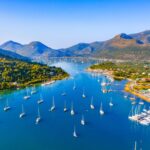
Lefkada, one of Greece’s Ionian Islands off the country’s western coast, is unusual among the islands for being linked to the mainland by a causeway and floating bridge across a narrow channel, making it reachable by car. Spanning about 302 km² with around 23,000 residents, it takes its name from the Greek word for white, after the pale cliffs at Cape Lefkatas on its southwestern tip—site of an ancient Temple of Apollo and the legendary Sappho’s Leap. Lefkada is best loved for its west-coast beaches, where white cliffs frame turquoise water at celebrated spots like Porto Katsiki and Egremni, regularly ranked among the world’s finest. Centuries of Venetian rule left their mark, including the seaside Castle of Santa Maura guarding the approach to the island town. Mountain villages, olive groves, and sheltered eastern bays popular with sailors round out the island. With easy access and dramatic coastline, Lefkada offers Ionian beauty without the ferry.
Best time to visit
The best time to visit Lefkada is during the late spring (May to June) and early fall (September to October) when the weather is warm and the crowds are fewer. July and August are peak tourist months, offering vibrant nightlife and numerous events, but can be quite busy.
Getting there and around
Getting there
Lefkada accessible via floating bridge from mainland Greece – only Ionian island connected by road. Nearest airport: Preveza-Aktion (PVK) 20km away with summer European flights. Alternative airports: Kefalonia (100km), Corfu (180km), Athens (421km). By car: 5 hours from Athens (350km), 4 hours from Thessaloniki via Egnatia Odos. KTEL buses from Athens/Thessaloniki (5 hours). Ferries from Ithaca, Kefalonia, Meganisi to Nidri/Vassiliki ports. Note: Bridge opens hourly for boats – cars wait in queue. Peak season traffic delays through Lefkada Town.
Getting around
Getting around Lefkada is best done with a mix of rental transport and strategic use of public buses. While there is no metro or tram system, the KTEL bus service runs reasonably reliable routes between Lefkada Town and major villages and beaches like Nidri, Vasiliki, and Agios Nikitas, though service frequency drops significantly on weekends and off-season. Walking is enjoyable in Lefkada Town and small villages, but to truly explore the island’s hidden beaches and mountain hamlets, renting a car or scooter is highly recommended as taxis can be expensive and rideshare apps are not commonly used here. There are no transit passes; fares are paid per journey, so it’s best to check schedules at the local KTEL office or online and plan day trips accordingly.
Worth booking ahead in Lefkada
Hand-picked from the operators our guides already send readers to. Prices and availability are live on the partner site.
BrowseViator
Tours and tickets in Lefkada on Viator (opens Viator in a new tab)
Viator's full list of bookable tours and tickets in Lefkada.
BrowseGetYourGuide
Experiences in Lefkada on GetYourGuide (opens GetYourGuide in a new tab)
Everything GetYourGuide sells in Lefkada, with the cancellation terms on each listing.
Where to stayBooking.com
Stays in Lefkada (opens Booking.com in a new tab)
Live rates and availability for Lefkada on Booking.com; filter by neighbourhood once you know where your days start.
We earn a commission if you book through these links, at no extra cost to you. It is how we keep the guides free and independent.
Where to stay
Ionian Blue Bungalows & Spa Resort
Nidri, Lefkada 311 00, Greece
Waterfront resort in Nidri with a private beach, infinity pool, spa, taverna, and views across the Ionian Sea toward the nearby islands.
Irida Boutique Hotel
Agios Nikitas, Lefkada 310 80, Greece
Secluded boutique hotel above the picturesque village of Agios Nikitas with whitewashed rooms, a pool terrace, and steps down to a sandy bay.
CK Farkastra Hotel
Porto Katsiki Road, Lefkada 310 82, Greece
Hillside boutique hotel with sweeping views of the Lefkada coast, an infinity pool, Mediterranean restaurant, and proximity to Porto Katsiki beach.
Editor-curated stays carried over from our original guide. Where we have reviewed the hotel, the card links to the review.
Tips from the field
Highlights
- Porto Katsiki Beach – one of the most beautiful beaches in Greece
- Cape Lefkatas Lighthouse – offering breathtaking sunset views
- Nydri waterfalls – a picturesque natural attraction
- Faneromeni Monastery – for cultural and historical significance
Best activities
- Relax on stunning beaches like Porto Katsiki and Egremni
- Take a boat tour to explore nearby islands and caves
- Visit the Cape Lefkatas Lighthouse for panoramic views
- Hike to Nydri waterfalls for a refreshing nature experience
Practical tips
- Rent a car to explore the island's diverse landscapes and beaches
- Bring sturdy shoes for hiking to beaches and waterfalls
- Book accommodations in advance during peak summer months
Keeping it authentic
- Visit the traditional village of Karya to experience local culture
- Explore the Phonograph, Radio and Traditional Museum for insights into local history
Culture, customs and safety
Cultural heritage
Lefkada preserves the cultural heritage of Ionian Greek island civilization, where Venetian influence, traditional Greek island life, and unique geological formation created a distinctive Greek island cultural identity. The island maintains traditional Greek customs, Orthodox religious practices, and artisan traditions while preserving the legacy of poet Angelos Sikelianos and its role in modern Greek cultural renaissance. Lefkada cultural heritage encompasses ancient Greek traditions, Venetian architectural influence, modern Greek literary achievement, and contemporary Greek island lifestyle that continues to represent authentic Greek cultural values and Ionian island sophistication.
Local customs & etiquette
Lefkada preserves rich Ionian musical traditions including kantades (serenades with mandolin/guitar). Traditional folk dances: kalamatianos, tsamikos, thiakos preserved by cultural societies. Local cuisine features savoro (fish with garlic/vinegar), bourdeto (spicy fish stew), ladopita (olive oil pie), local thyme honey, citrus, wine. August International Folklore Festival brings worldwide artists. Traditional Peasant Wedding ceremony in Karya village. Varkarola maritime festival, Wine Festival in Sfakiotes, Gastronomy Festival in Markas Square. Strong Orthodox traditions centered on Agia Mavra patron saint. Language: Greek, Currency: Euro, Time: GMT+2.
Travel Style
Activities