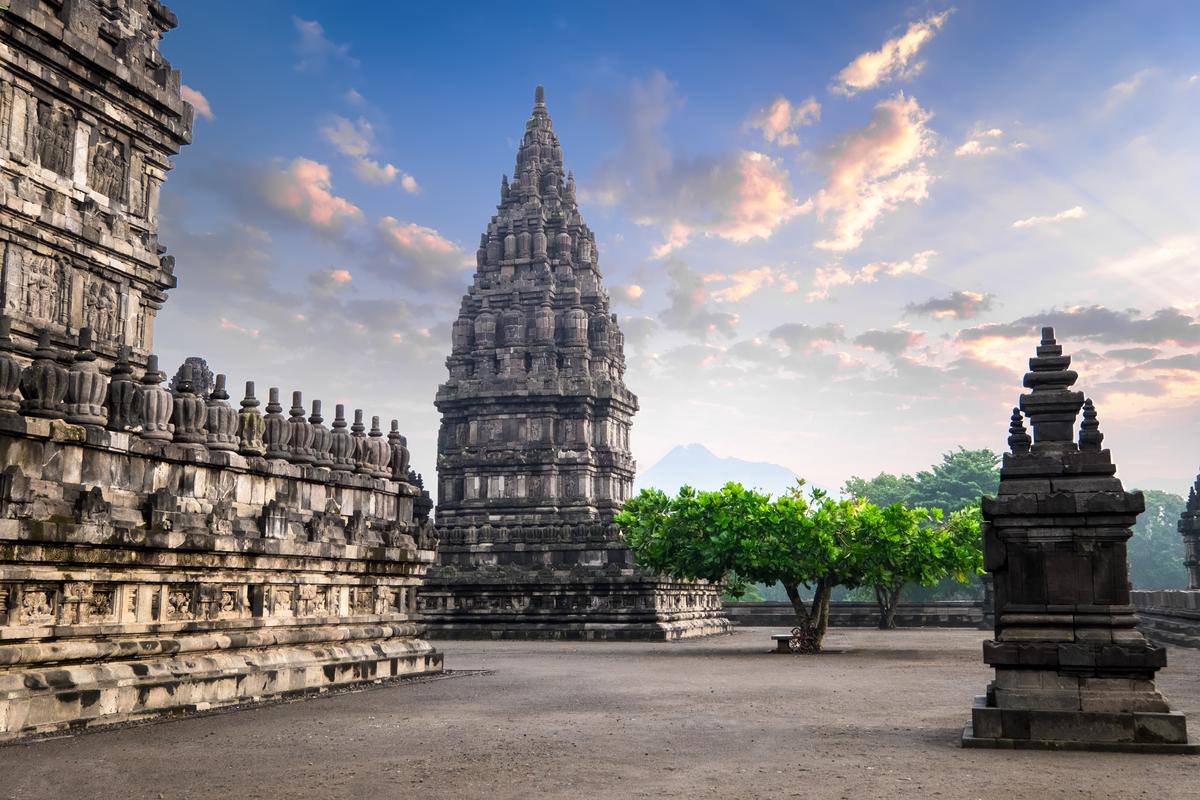
Lombok, an island in Indonesia, is renowned for its stunning beaches, lush landscapes, and vibrant culture. Often overshadowed by its neighbor Bali, Lombok offers a more serene experience with breathtaking natural beauty, from the majestic Mount Rinjani to the pristine shores of Kuta Beach. Visitors can explore traditional Sasak villages, indulge in local cuisine, and enjoy activities like snorkeling and surfing.
The destination guide
Lombok
Travel guides for Lombok
More guides featuring Lombok (1)
At a glance
CurrencyIDR
Time zoneCentral Indonesia Time
Languages
- Indonesian
Setting
- Tropical island
- Volcanic terrain
- Sandy beaches
- Coral reefs
Known for
- Beach getaways
- Eco-tourism
- Cultural exploration
- Adventure travel
Population3.2M3,200,000 residents
VisaDuration: The e-VOA is valid for 30 days and can be extended once for another 30 days · Documents: Valid passport with at least 6 months validity and an outbound ticket
How Lombok scores
5/10OverallFair
Weather8/10
Value for money8/10
Safety7/10
Food & cuisine7/10
Culture & arts6/10
Cultural experience8/10
History6/10
Nature & outdoors9/10
Adventure6/10
Nightlife5/10
Shopping6/10
Family friendly5/10
Romance8/10
Character
Photography score7/10
Authenticity score9/10
Off-the-beaten-path score8/10
Editorial scores on a 10-point scale, weighed against destinations of the same kind.
Travel safety snapshot
Overall72/100Moderate rating
Women travellers65/100
LGBTQ+ travellers40/100
Theft65/100
Medical care60/100
Physical harm70/100
Political freedom55/100
SafePlace indicators use their source 100-point scale; higher is more favourable. Planning context, not a live travel advisory — check official government guidance before you go.
When to go
Best months to visit: April, May, June, July, August, September and October.
- January: 24.6 to 28.4 degrees Celsius, 151.8 millimetres of rain, best-time score 2 out of 5.
- February: 24.5 to 29.3 degrees Celsius, 33.5 millimetres of rain, best-time score 2 out of 5.
- March: 24.8 to 29.6 degrees Celsius, 38.6 millimetres of rain, best-time score 3 out of 5.
- April: 25.5 to 30.8 degrees Celsius, 74.1 millimetres of rain, best-time score 4 out of 5.
- May: 25.9 to 31.3 degrees Celsius, 60.6 millimetres of rain, best-time score 5 out of 5.
- June: 25.6 to 31 degrees Celsius, 29.1 millimetres of rain, best-time score 5 out of 5.
- July: 25.2 to 30.4 degrees Celsius, 85.9 millimetres of rain, best-time score 4 out of 5.
- August: 25.3 to 30.4 degrees Celsius, 91.4 millimetres of rain, best-time score 4 out of 5.
- September: 24.9 to 30.3 degrees Celsius, 108.4 millimetres of rain, best-time score 5 out of 5.
- October: 25.2 to 30.4 degrees Celsius, 58.6 millimetres of rain, best-time score 4 out of 5.
- November: 25 to 29.6 degrees Celsius, 121.4 millimetres of rain, best-time score 2 out of 5.
- December: 25.4 to 29.9 degrees Celsius, 83.3 millimetres of rain, best-time score 2 out of 5.
Month-by-month conditions and packing advice
- January
- Hot and sunny, heavy rain January in Lombok: peak wet season with heavy monsoon rain and rough seas, the wettest stretch of the year. Crowds: Travelers in January should expect Lombok’s wet season at its peak, with heavy rains shaping daily schedules. Outdoor adventures like trekking Mount Rinjani or exploring remote villages are possible but often disrupted by slippery paths and reduced visibility. Crowds are thinner compared to the dry-season rush, creating a calmer atmosphere at temples, markets, and beaches. Accommodation prices are generally lower, making it attractive for budget-conscious travelers willing to embrace unpredictable weather. Diving and snorkeling remain popular, but visibility can vary due to runoff. Rain rarely lasts all day, so travelers who remain flexible can still enjoy rich cultural encounters and periods of sunshine. Booking activities with weather contingencies and allowing buffer days for excursions is highly recommended during this period. Pack: Quick-dry lightweight clothing for humid conditions; Waterproof jacket or poncho for sudden downpours; Moisture-resistant footwear for slippery terrain; Insect repellent to handle increased mosquitoes; Dry bags to protect electronics and travel documents; Modest attire for visiting temples and cultural sites
- February
- Hot and sunny, some rain February in Lombok: still firmly in the rainy season with frequent downpours, though lush green landscapes and low prices. Crowds: February remains part of Lombok’s wet season, though rainfall is far lighter than peak monsoon months. Travelers benefit from fewer crowds and more affordable accommodation rates compared to high season. Beaches remain swimmable and hiking trails accessible, though occasional showers may briefly delay activities. Outdoor pursuits such as surfing and snorkeling are still rewarding, with warm seas and calmer winds than later months. Cultural life, from Sasak village traditions to colorful markets, continues uninterrupted, offering authentic glimpses of daily life. While this isn’t considered peak tourist season, it’s an excellent time for budget-conscious or crowd-averse travelers seeking balance between comfort and immersion. Advance bookings may be less critical, though it’s wise to plan transport and specialty tours ahead to secure availability. Pack: Light rain jacket or poncho for tropical showers; Quick-dry clothing suitable for high humidity; Comfortable sandals and waterproof footwear; High SPF reef-safe sunscreen and sunglasses; Modest attire for visiting temples and villages; Insect repellent for evenings near vegetation
- March
- Hot and sunny, some rain March in Lombok: tail end of the wet season with easing rains and quiet beaches as conditions begin to improve. Crowds: March is considered a shoulder season in Lombok, balancing the end of the wet months with the early arrival of more predictable dry weather. Visitors benefit from lighter crowd levels compared to peak July–August or December–January, and accommodation prices tend to be more favorable. Conditions support both beach activities and inland exploration, though travelers should remain flexible around short tropical showers. Treks up Mount Rinjani may be restricted if trails are muddy, but waterfalls like Tiu Kelep are especially impressive after seasonal rains. This is an excellent time for cultural immersion, as village ceremonies and local markets are less busy with international tourists. Advance booking is wise for beachfront stays, though last-minute deals are still possible. Pack: Breathable cotton and linen clothing for humid heat; Light rain jacket or poncho for sudden showers; Waterproof sandals or quick-dry footwear; High SPF reef-safe sunscreen and sunglasses; Modest attire for visiting temples and villages; Insect repellent for evenings near water
- April
- Hot and sunny, some rain April in Lombok: start of the dry season with improving sunny weather, good value and lighter crowds. Crowds: April is a transitional month for tourism in Lombok, bridging the wet and dry seasons. Conditions remain hot and humid, but rainfall decreases compared to peak monsoon months, allowing for reliable beach days and outdoor excursions. This timing means fewer international crowds than the peak July–August season, and accommodation prices are often lower. Travelers can enjoy a more relaxed atmosphere at iconic spots like the Gili Islands, Senggigi’s coastline, or traditional Sasak villages without the high-season bustle. Surf conditions begin to improve, trekking routes such as Mount Rinjani become more accessible, and cultural ceremonies tied to the agricultural cycle may be observed. Visitors should still expect occasional downpours that may briefly affect transport or visibility, but overall April offers a rewarding blend of affordability, access, and manageable weather. Early booking is not as critical as in high season, though securing accommodations near popular beaches is still advisable. Pack: Breathable cotton or linen clothing for hot, humid conditions; Light rain jacket or poncho for tropical showers; Sun hat and high-SPF sunscreen for strong UV exposure; Waterproof sandals for beach and sudden rain; Modest attire for visiting temples and local villages; Reusable water bottle to stay hydrated in humid heat
- May
- Hot and sunny, some rain May in Lombok: warm sunny dry-season days, ideal for Rinjani trekking, diving and beaches with manageable crowds. Crowds: May represents the beginning of Lombok’s shoulder season, making it an attractive window for travelers seeking favorable weather without peak-season crowds. While temperatures are hot, conditions are far less humid than earlier months, allowing for trekking on Mount Rinjani, temple visits, or surfing along the southern coasts. Rain is minimal and often confined to short showers, rarely affecting planned activities. Tourist numbers start to rise, but the island remains more relaxed compared to June through August when regional holidays drive demand. Accommodation prices remain moderate, providing excellent value for boutique resorts and eco-lodges. This period is particularly rewarding for visitors eager to experience Lombok’s culture and natural attractions with fewer tour groups, though it’s wise to book popular excursions and ferries to the Gili Islands in advance as demand builds toward high season. Pack: Moisture-wicking shirts and shorts for hot daytime conditions; Wide-brimmed hat and high-SPF reef-safe sunscreen; Light rain jacket for passing tropical showers; Sturdy sandals or water shoes for beaches and waterfalls; Light scarf or sarong for modesty at temples; Daypack with refillable water bottle for treks and island exploration
- June
- Hot and sunny, some rain June in Lombok: excellent dry weather and clear seas, the start of the popular high season. Crowds: June marks the early dry season in Lombok, one of the most favorable times for travel. Conditions are excellent for trekking, snorkeling, diving, and beach relaxation. Tourist numbers rise steadily as European summer holidays begin, though crowds remain lighter than in July and August. Accommodation prices start climbing, so early booking is wise. The drier skies create perfect conditions for photography, cultural festivals, and outdoor exploration. Rain is still possible, but showers are short-lived and rarely disrupt activities. For travelers seeking a balance of good weather, manageable crowds, and cultural vibrancy, June offers a sweet spot before the island’s high season reaches its peak. Pack: Lightweight breathable clothing for hot days; Wide-brimmed hat and high SPF sunscreen; Comfortable sandals and sturdy walking shoes; Quick-dry swimwear for beaches and snorkeling; Light rain jacket or poncho for occasional showers; Modest attire for temple visits and rural areas
- July
- Hot and sunny, some rain July in Lombok: prime dry-season sunshine and crystal-clear water, but peak crowds and high prices on the Gilis. Crowds: July is considered part of Lombok’s dry-to-shoulder season transition, offering generally sunny weather with occasional showers. This makes it one of the more favorable times for outdoor exploration, from hiking Mount Rinjani to snorkeling around the Gili Islands. It is also a peak month for tourism across Indonesia, coinciding with school holidays, which leads to higher hotel rates and more crowded beaches compared to quieter months. Popular areas like Senggigi and Kuta can feel lively, while rural villages retain a calmer atmosphere. The warm sea temperatures make water sports ideal, though visitors should expect some competition for spots on popular tours. Booking accommodations and key activities in advance is recommended to secure the best options, especially in boutique stays and cultural experiences that fill up quickly during this busy period. Pack: Breathable cotton or linen clothing for humid conditions; Waterproof sandals or quick-dry shoes for sudden showers; High SPF sunscreen and polarized sunglasses; Lightweight rain jacket or travel poncho; Reusable water bottle to stay hydrated in the heat; Modest attire for visiting temples and local villages
- August
- Hot and sunny, some rain August in Lombok: dry, sunny and at peak popularity with packed Gili Islands and tripled accommodation rates. Crowds: August is considered peak dry season in Lombok, drawing international and domestic travelers seeking reliable sunshine and calmer seas. Conditions are ideal for beach activities, diving, and island-hopping, while the occasional rain does little to disrupt itineraries. Expect higher hotel rates and busier beaches, particularly around Senggigi and the Gili Islands, though Lombok generally remains less crowded than neighboring Bali. Trekking Mount Rinjani is particularly rewarding during this time, with clear skies offering panoramic views. Travelers should book accommodations and tours in advance, as August coincides with European summer holidays and Indonesian Independence Day festivities, which elevate demand. Despite higher visitor numbers, the atmosphere remains laid-back compared to Bali, providing an appealing balance of accessibility and authenticity. Pack: Lightweight cotton and linen clothing for tropical heat; Waterproof jacket or poncho for sudden showers; Comfortable sandals and sturdy walking shoes; High SPF reef-safe sunscreen and wide-brimmed hat; Quick-dry swimwear and snorkeling gear; Modest cover-up or sarong for temples and villages
- September
- Hot and sunny, some rain September in Lombok: superb dry-season weather and clear seas as the peak crowds begin to ease. Crowds: September is considered a shoulder season in Lombok, with the dry season tapering off and the wet season just beginning to make itself known. While rain showers may briefly interrupt afternoons, mornings remain prime for outdoor adventures like hiking, snorkeling, or temple visits. Tourist crowds thin compared to July and August, easing pressure on popular spots such as Senggigi Beach or the Gili Islands. Accommodation prices often drop slightly, making it an appealing time for budget-conscious travelers. Roads can become slick after rain, so extra caution is needed when riding scooters. The balance of manageable humidity, fewer tourists, and reduced rates makes September a rewarding window for travelers seeking a more relaxed, authentic experience without the intensity of the peak season crowds. Pack: Lightweight, breathable clothing to manage heat and humidity; Compact rain jacket or poncho for sudden showers; Waterproof sandals or quick-dry footwear; High SPF reef-safe sunscreen and broad-brimmed hat; Mosquito repellent for evenings and rural areas; Modest attire for visiting temples and traditional villages
- October
- Hot and sunny, some rain October in Lombok: late dry season offering warm weather and great value before the rains return. Crowds: October offers travelers a quieter alternative to the peak summer months, as international visitor numbers taper off while conditions remain favorable. Warm temperatures and moderate rainfall make this an excellent time for beach stays, underwater exploration, and cultural encounters without heavy crowds. Accommodation prices begin to ease compared to the July–August high season, providing better value for extended stays. Outdoor activities such as trekking and temple tours are still accessible, though occasional showers may temporarily delay excursions. For those seeking balance between affordability, cultural depth, and good weather, October is a strategic month to visit Lombok. Advance booking is still advised for boutique stays and diving trips, but last-minute deals become more common than in peak months. Pack: Light, breathable clothing suitable for tropical heat; Quick-dry sandals or water shoes for beaches and waterfalls; High-SPF reef-safe sunscreen and polarized sunglasses; Compact rain jacket or poncho for sudden showers; Respectful modest attire for temple visits (sarong or long skirt); Insect repellent to guard against mosquitos in humid areas
- November
- Hot and sunny, some rain November in Lombok: onset of the wet season with increasing heavy rain marking the off-season. Crowds: November marks the early wet season in Lombok, which means fewer tourists and more affordable accommodations compared to peak months. Rainfall may limit long trekking adventures, particularly up Mount Rinjani, as trails can become slippery and closures are common. However, beaches remain accessible, and short bursts of rain rarely spoil a full day of exploration. Crowds are thinner, offering a more tranquil experience at popular temples and surf spots like Kuta or Senggigi. This month is ideal for travelers seeking cultural immersion, quieter beaches, and lush landscapes without peak-season prices. Visitors should expect flexible itineraries, planning around afternoon showers, and booking last-minute excursions rather than relying on strict schedules. Pack: Lightweight rain jacket for sudden tropical downpours; Quick-dry clothing suitable for humid conditions; Waterproof sandals for beach and rainy days; Insect repellent for evenings near rice paddies; Dry bag to protect electronics during boat rides; Modest attire for visiting temples and local villages
- December
- Hot and sunny, some rain December in Lombok: wet-season downpours and humidity, one of the rainiest months despite festive demand. Crowds: December falls within Lombok’s wet season, meaning visitors should expect occasional showers yet still find plenty of opportunities for outdoor activities. While peak tourist numbers decline compared to the dry months, cultural and adventure travel continue at a slower rhythm, offering quieter temples, less crowded trekking routes, and more relaxed beachfronts. Hotel prices may ease slightly, though holiday weeks around Christmas and New Year can push availability and rates higher. Rain showers are usually short-lived, so mornings often remain clear—ideal for early hikes or market visits. Waterfalls and forests are at their most dramatic this month thanks to increased rainfall, making December a rewarding time for nature-focused exploration. Travelers should plan flexibility into their schedules, balancing outdoor excursions with indoor cultural experiences like weaving villages or culinary tours when rain rolls in. Pack: Quick-dry clothing suitable for hot and humid conditions; Waterproof jacket or compact poncho for sudden showers; Sturdy sandals or water-resistant shoes for mixed terrain; High-SPF reef-safe sunscreen and sunglasses; Lightweight long-sleeved shirt and trousers for temple visits; Daypack with dry bag insert to protect electronics and valuables
Peak season
- July
- August
- June
- September
Off-peak
- January
- February
- November
- December
- March
- April
Know before you go
Best time to visit
The best time to visit Lombok is during the dry season, which runs from April to October. During this time, the weather is sunny and ideal for outdoor activities like hiking and beach outings. The wet season, from November to March, can bring heavy rain but also fewer crowds.
Getting there and around
Getting there
Lombok accessible via Lombok International Airport (LOP) near Praya, 40km from Mataram, 55km from Senggigi. Domestic flights from Bali and 9 Indonesian cities daily. International flights limited: Singapore (Scoot), Kuala Lumpur (AirAsia). By sea: fast boats from Bali – Amed to Bangsal (1.5hrs), Padang Bai to Lembar (6hrs) or Bangsal (2hrs). Airport transfers only by taxi to Kuta (₹150,000 IDR). No Grab/Gojek services. Ferry connections from Padang Bai and other Bali ports. Bangsal harbor main gateway to Gili Islands.
Getting around
Getting around Lombok requires a blend of flexibility and local savvy, as the island doesn’t have a formal metro, tram, or extensive bus system. Instead, local *bemos* (shared minivans) and *angkots* offer very basic public transport, mostly serving local residents rather than tourists, and their routes can be confusing without local help. For more comfort and freedom, renting a scooter is the most popular and practical option, especially if you’re exploring beyond Senggigi or Kuta, though traffic and road conditions require cautious driving. Taxis are available in urban centers like Mataram or through Bluebird, but rideshare apps like Grab are limited, so it’s wise to agree on fares in advance or use hotels to arrange reliable transport. Walkability is limited outside central towns, and there are no transit passes, so carrying cash for individual fares and being prepared to negotiate is key for a smooth experience.
Worth booking ahead in Lombok
Hand-picked from the operators our guides already send readers to. Prices and availability are live on the partner site.
BrowseViator
Tours and tickets in Lombok on Viator (opens Viator in a new tab)
Viator's full list of bookable tours and tickets in Lombok.
BrowseGetYourGuide
Experiences in Lombok on GetYourGuide (opens GetYourGuide in a new tab)
Everything GetYourGuide sells in Lombok, with the cancellation terms on each listing.
Where to stayBooking.com
Stays in Lombok (opens Booking.com in a new tab)
Live rates and availability for Lombok on Booking.com; filter by neighbourhood once you know where your days start.
We earn a commission if you book through these links, at no extra cost to you. It is how we keep the guides free and independent.
Where to stay
The Oberoi Beach Resort, Lombok
Sire Beach, Tanjung, Lombok 83352, Indonesia
Five-star beachfront resort on a private stretch of Sire Beach with spacious pavilions, a championship golf course, three pools, and a holistic spa.
Sempiak Villas
Jl. Pantai Selong Belanak, Lombok 83573, Indonesia
Boutique eco-resort set on a hillside above Selong Belanak Beach with infinity-pool villas, a farm-to-table restaurant, and panoramic ocean views.
Hotel Ombak Sunset
Gili Trawangan, Lombok, Indonesia
Upscale island hotel on Gili Trawangan with overwater bungalows, a PADI dive centre, an organic restaurant, and direct access to coral reefs.
Editor-curated stays carried over from our original guide. Where we have reviewed the hotel, the card links to the review.
Tips from the field
Highlights
- Mount Rinjani National Park
- Gili Islands
- Sendang Gile and Tiu Kelep Waterfalls
- Kuta Beach
- Sade Village
Best activities
- Hiking Mount Rinjani
- Snorkeling and surfing at Kuta Beach
- Visiting waterfalls like Sendang Gile and Tiu Kelep
- Exploring traditional villages
Practical tips
- Respect local customs and dress modestly, especially when visiting villages or temples
- Bargain politely at markets, but remember that small discounts can make a big difference to locals
- Learn a few basic Indonesian phrases to connect with locals
Keeping it authentic
- Visit traditional Sasak villages like Sade Village for authentic cultural experiences
- Explore off-the-beaten-path locations like Hidden Beach and Mangku Sakti Waterfall
Culture, customs and safety
Cultural heritage
Lombok’s cultural and historical heritage is deeply rooted in the traditions of the Sasak people, whose customs and language remain central to island identity. The island preserves pre-Islamic and Islamic-era legacies through traditional villages like Sade and Bayan, where indigenous architecture features thatched roofs and elevated wooden homes. Pura Meru and Lingsar Temple reflect the island’s layered religious syncretism, blending Balinese Hindu and Wetu Telu Sasak beliefs. Although Lombok itself is not home to a UNESCO World Heritage Site, it is part of the transboundary cultural context of Indonesia’s rich archipelagic heritage and supports nearby protected areas like Mount Rinjani National Park, which holds spiritual and ecological significance. The continuation of weaving, rice rituals, and oral storytelling affirms a living heritage shaped by both resilience and syncretism.
Local customs & etiquette
Lombok 85% Sasak indigenous people with distinct culture from neighboring Bali. Predominantly Muslim but unrestrictive regarding alcohol. Bahasa Indonesia official, but Sasak language widely spoken locally. Five daily prayer calls from mosques. Modest dress expected – cover legs/arms at mosques, women cover hair. Rural areas sleep early (8pm) and rise at 5am. Traditional weaving central to culture – tenun songket (1 month) and tenun ikat (2-3 days). Pottery craft passed down since 16th century. Cash preferred payment method. Respect for Mount Rinjani sacred to both Sasak and Balinese. Traditional architecture preserved in villages like Sade and Ende.
Travel Style
Activities