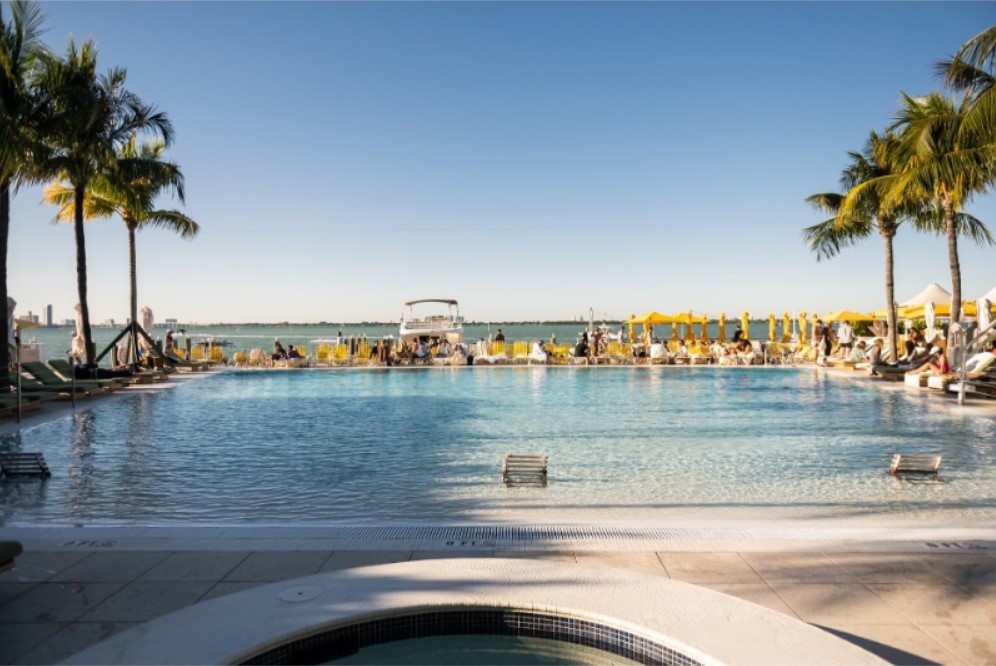
Miami, known for its stunning beaches and vibrant nightlife, is a cultural melting pot with a rich blend of Latin American and Caribbean influences. The city offers a unique mix of art, music, and culinary experiences, from the colorful Art Deco Historic District to the lively streets of Little Havana.
The destination guide
Miami
City in United States, North AmericaUpdated
- Overall9/10
- Best forAdventure seekers, Luxury travelers
- PeakJan–Apr
- CurrencyUSD
Miami runs on Cuban coffee, Art Deco, and a nightlife that doesn’t start until midnight. The beaches are the warm-up act — the city is the main event.
Travel guides for Miami
Itineraries & day trips (1)
Things to do (1)
Where to stay (1)
Food & drink (1)
Destination stories (1)
More guides featuring Miami (35)
At a glance
Currency$ USDCode: USD
Time zoneEastern Standard Time
Languages
- English
Setting
- Subtropical coast
- Art Deco architecture
- Everglades nearby
- Tropical beaches
Population465K464,655 residents
VisaDocuments: For domestic U.S. air travel, travelers age 18 and older must present a REAL ID-compliant driver's license or another TSA-accepted ID such as a valid passport
How Miami scores
9/10OverallExcellent
Weather9/10
Safety5/10
Food & cuisine9/10
Culture & arts7/10
Cultural experience8/10
Nature & outdoors8/10
Adventure6/10
Nightlife9/10
Shopping9/10
Family friendly5/10
Romance7/10
Editorial scores on a 10-point scale, weighed against destinations of the same kind.
Travel safety snapshot
Overall68/100Moderate rating
Women travellers68/100
LGBTQ+ travellers78/100
Theft58/100
Medical care80/100
Physical harm70/100
Political freedom75/100
SafePlace indicators use their source 100-point scale; higher is more favourable. Planning context, not a live travel advisory — check official government guidance before you go.
When to go
Best months to visit: January, February, March, April, May, November and December.
- January: 0.1 millimetres of rain, best-time score 5 out of 5.
- February: 0.2 millimetres of rain, best-time score 5 out of 5.
- March: 0.3 millimetres of rain, best-time score 5 out of 5.
- April: 0.2 millimetres of rain, best-time score 5 out of 5.
- May: 0.3 millimetres of rain, best-time score 4 out of 5.
- June: 0.5 millimetres of rain, best-time score 3 out of 5.
- July: 0.8 millimetres of rain, best-time score 2 out of 5.
- August: 1 millimetres of rain, best-time score 2 out of 5.
- September: 0.3 millimetres of rain, best-time score 2 out of 5.
- October: 0.3 millimetres of rain, best-time score 3 out of 5.
- November: best-time score 4 out of 5.
- December: 0.2 millimetres of rain, best-time score 5 out of 5.
Month-by-month conditions and packing advice
- January
- Hot and sunny, mostly dry January in Miami: dry-season sunshine, warm beaches, outdoor dining, and lower storm risk make city and coast plans reliable. Crowds: January is one of Miami’s peak tourism months, as visitors from colder regions flock to enjoy its warm, sunny weather. Expect higher hotel rates and crowded beaches, particularly in South Beach and popular cultural districts like Little Havana. The dry conditions make this an excellent time for outdoor activities such as kayaking in Biscayne National Park, strolling through botanical gardens, or attending art festivals like Art Deco Weekend. While the warmth is inviting, evenings can feel surprisingly cool compared to daytime highs, so layering is important. This is an ideal season for sightseeing without the heavy rains or hurricanes of later months. Advance bookings are essential, especially for waterfront accommodations and tours, as availability can be limited. The comfortable climate also means nightlife, rooftop dining, and open-air music thrive throughout the city. Pack: Lightweight cotton and linen clothing for daytime heat; Comfortable sandals or walking shoes for long explorations; A light jacket or sweater for cooler evenings; High SPF sunscreen and sunglasses for strong coastal sun; Swimwear for beaches and hotel pools; Smart-casual attire for Miami’s nightlife and upscale restaurants
- February
- Hot and sunny, mostly dry February in Miami: dry-season sunshine, warm beaches, outdoor dining, and lower storm risk make city and coast plans reliable. Crowds: February represents one of Miami’s peak tourist periods, with consistently warm weather drawing visitors from across North America and Europe. The dry conditions make it prime season for beach activities, cultural festivals, and open-air events, but this popularity comes at the cost of higher hotel rates and denser crowds, especially in South Beach and downtown. It’s an excellent month for water sports, art fairs, and food festivals, but booking accommodations and major experiences well in advance is advisable. While the Atlantic is comfortably swimmable, occasional cooler evenings remind visitors to bring a light layer. The overall environment is reliably inviting, making February a strong choice for those prioritizing sunny skies, minimal rain, and lively urban energy. Pack: Light cotton and linen clothing for daytime warmth; Swimsuit and beachwear for coastal activities; Light jacket or sweater for cooler evenings; Comfortable walking sandals or sneakers; High SPF sunscreen and sunglasses for strong UV exposure; Smart casual outfit for Miami’s upscale dining and nightlife
- March
- Hot and sunny, mostly dry March in Miami: dry-season sunshine, warm beaches, outdoor dining, and lower storm risk make city and coast plans reliable. Crowds: March is one of Miami’s busiest tourist months, with near-perfect weather that makes beaches, rooftop bars, and outdoor festivals irresistible. It marks the start of peak season, with higher hotel rates and fuller crowds, particularly around South Beach. Families, spring breakers, and cultural travelers all converge at once, making advance reservations essential. The dry, sunny weather is ideal for activities like Everglades tours, waterfront cycling, or art walks through Wynwood. While conditions are excellent for outdoor enjoyment, budget-conscious travelers may find pricing steep. For those seeking fewer crowds, early mornings or mid-week visits to major attractions are best. Visitors who plan ahead will enjoy Miami at its most lively and photogenic. Pack: Light cotton shirts and dresses for daytime heat; Comfortable sandals and walking shoes; Wide-brimmed hat and polarized sunglasses; Light jacket or sweater for cooler evenings; High-SPF sunscreen and aloe gel; Casual evening wear for nightlife and cultural events
- April
- Hot and sunny, mostly dry April in Miami: dry-season sunshine, warm beaches, outdoor dining, and lower storm risk make city and coast plans reliable. Crowds: April marks one of Miami’s most favorable travel windows: dry skies, dependable warmth, and reduced risk of storms compared to summer. These excellent conditions support outdoor festivals, art fairs, and rooftop nightlife, while beach season is in full swing. Visitors should expect moderate to high crowd levels, as this is still a busy spring tourism period, especially during Easter holidays and spring break weeks. Hotel rates and flights often remain elevated, though slightly less than peak winter months. The weather makes it ideal for boating, snorkeling, and city walking tours. Travelers who want quieter beaches and lower prices should aim for weekdays or early April before the main U.S. school breaks surge. Advanced bookings are recommended for accommodations and popular dining venues. Pack: Breathable linen or cotton clothing for hot days; Swimsuit and beachwear for ocean activities; Light jacket or shawl for cooler evenings; Comfortable sandals and walking shoes; High-SPF sunscreen and polarized sunglasses; Smart-casual attire for nightlife and upscale restaurants
- May
- Hot and sunny, mostly dry May in Miami: shoulder timing can bring good value and usable beach weather before or after peak demand. Crowds: May represents the shoulder season in Miami, offering some of the best travel conditions before summer humidity and storms arrive. With hot, dry days and comfortable nights, visitors find ideal weather for beachgoing, boat excursions, and open-air festivals. Tourist numbers are moderate compared to the winter high season, meaning fewer crowds at popular sites like South Beach and Vizcaya Museum. Hotel rates are generally more favorable than in December through March, but they begin to rise as Memorial Day weekend kicks off summer demand. Outdoor dining, nightlife, and art walks thrive in this warm, dry climate, though sun exposure requires caution. For travelers seeking a balance of manageable crowds, cultural vibrancy, and consistent sunshine, May offers one of the most appealing windows of the year in Miami before prices and humidity climb in June. Pack: Breathable linen or cotton clothing for daytime heat; High SPF 50+ reef-safe sunscreen; Wide-brimmed hat or UV-protective cap; Stylish swimwear for beaches and hotel pools; Lightweight evening attire for outdoor dining and nightlife; Comfortable sandals or walking shoes for city exploration
- June
- Hot and sunny, mostly dry June in Miami: heat, humidity, or storm risk increases, so plan more indoor breaks and flexible beach time. Crowds: June represents the start of Miami’s low travel season, even as conditions remain excellent for beach lounging, boating, and cultural exploration. The hot temperatures and high humidity can be challenging for extended outdoor activities, but the low rainfall keeps skies generally clear. With hurricane season technically beginning this month, some travelers may hesitate, which means smaller crowds and better hotel deals compared to winter’s peak. Attractions like Little Havana, Wynwood, and outdoor markets feel less congested, giving visitors more space to explore. Beachfront areas are lively yet not overwhelming, and nightlife thrives in the evenings when the heat softens. For budget-conscious travelers, June offers a balance: vibrant cultural life, accessible pricing, and fewer tourists, though planning midday breaks in air-conditioned spaces is essential. Advance bookings are recommended for accommodations, but last-minute deals are easier to secure than during Miami’s winter high season. Pack: Breathable linen or cotton clothing for humid heat; Swimwear and beach cover-ups; Broad-brimmed hat and polarized sunglasses; High SPF reef-safe sunscreen; Comfortable sandals or light walking shoes; Light evening outfits for nightlife and dining
- July
- Hot and sunny, mostly dry July in Miami: peak heat, humidity, rain, and hurricane-season uncertainty make this less balanced. Crowds: July is solidly within Miami’s low tourist season. The heat and humidity keep many casual visitors away, leading to reduced hotel rates and lighter crowds at popular attractions like Wynwood Walls, Pérez Art Museum, and the Art Deco District. For budget-conscious travelers, this month offers significant value and easier access to experiences that can be crowded in winter and spring. Beaches and nightlife remain active, but without the crush of peak-season visitors. The trade-off is coping with intense sun and muggy afternoons, so outdoor activities are best enjoyed in the morning or after sunset. Travelers should plan indoor cultural visits during peak midday heat and reserve waterfront dining or nightlife for the cooler evenings. Advance booking isn’t as critical as in winter, but securing accommodation early can still lock in better rates. Pack: Breathable cotton or linen clothing to manage high humidity; Light rain jacket or umbrella for sudden tropical showers; High-SPF reef-safe sunscreen and sunglasses; Wide-brimmed hat for all-day sun exposure; Comfortable sandals and water shoes for beach and boating; Light evening wear suitable for Miami’s nightlife and restaurants
- August
- Hot and sunny, mostly dry August in Miami: peak heat, humidity, rain, and hurricane-season uncertainty make this less balanced. Crowds: August in Miami falls within the city’s low travel season due to hot, humid conditions and the ongoing Atlantic hurricane season. While the risk of storms is lower this month compared to September, the heat alone keeps crowd levels down, leading to reduced hotel rates and more availability in popular resorts and cultural venues. This makes it a favorable time for budget-conscious travelers or those seeking fewer crowds at attractions like Wynwood Walls or the Pérez Art Museum. Beaches remain inviting for swimming and water sports, though midday sun exposure can be intense. Travelers should plan outdoor activities during early mornings or evenings when temperatures ease and local life comes alive. Booking flexibility is wise during this period, as sudden weather shifts are possible. Pack: Breathable cotton and linen clothing for humid heat; Wide-brimmed hat and polarized sunglasses; High SPF reef-safe sunscreen; Swimwear and lightweight cover-ups for beaches; Reusable water bottle for constant hydration; Umbrella or light rain jacket for sudden showers
- September
- Hot and sunny, mostly dry September in Miami: peak heat, humidity, rain, and hurricane-season uncertainty make this less balanced. Crowds: Miami in September sits in the shoulder season, with steamy conditions and the possibility of tropical storms keeping many tourists away. This leads to lower hotel rates and thinner crowds compared to winter high season. The weather strongly favors water-based activities like swimming, sailing, or lounging at poolside resorts, but midday outdoor sightseeing can be physically draining due to the heat index. While beaches remain lively, cultural sites and local neighborhoods are quieter, offering a more relaxed, less commercial experience. Travelers who can manage the humidity and prepare for occasional storm interruptions will find excellent value and shorter lines at popular attractions. Advance bookings are not as competitive as in peak months, but flexible plans are recommended in case of weather disruptions. Pack: Breathable cotton and linen outfits for hot, humid days; UV-protective sunglasses and SPF 50+ sunscreen; Wide-brimmed hat for strong sun exposure; Light rain jacket or compact umbrella for sudden storms; Comfortable sandals or water-resistant footwear; Evening wear suitable for breezy coastal dining
- October
- Hot and sunny, mostly dry October in Miami: heat, humidity, or storm risk increases, so plan more indoor breaks and flexible beach time. Crowds: Travelers will find October a sweet spot: warm, beach-friendly weather without the extreme summer storms or peak tourist crowds. Miami enters a shoulder season, meaning smaller lines at attractions, more availability for accommodations, and moderate pricing compared to winter’s high season. The lingering warmth ensures excellent conditions for beach days, Everglades airboat tours, and rooftop dining, though lingering humidity may feel heavy at midday. Hurricane season technically extends through November, so flexible planning and travel insurance are wise. For budget-conscious travelers, October offers both favorable conditions and competitive rates, making it one of the city’s most balanced months for exploration. Pack: Breathable linen or cotton outfits for hot days; Swimwear and quick-dry cover-ups; Light jacket or sweater for cooler evenings; Comfortable sandals and sturdy walking shoes; Broad-spectrum sunscreen and UV-protective sunglasses; Compact rain jacket or umbrella as precaution during hurricane season
- November
- Hot and sunny, mostly dry November in Miami: shoulder timing can bring good value and usable beach weather before or after peak demand. Crowds: November marks the beginning of Miami’s peak tourist season, though it precedes the holiday rush, making it a sweet spot for travelers. Warm, dry weather supports everything from beach days to cultural festivals without the disruptions of summer storms. Crowds are moderate but rising, and accommodation prices begin to climb as winter approaches. Outdoor activities such as boating in Biscayne Bay, visiting Little Havana, or attending art exhibitions are at their best under these stable conditions. This is also prime time for al fresco dining and nightlife. Travelers should book early for top hotels and experiences, as demand increases rapidly heading into December. Overall, November offers exceptional conditions with fewer downsides compared to later peak months. Pack: Lightweight cotton or linen clothing for daytime heat; Comfortable sandals or walking shoes for city exploration; Light sweater or jacket for cooler evenings; Swimwear for beaches and hotel pools; Sun protection including sunglasses, hat, and SPF 50+ sunscreen; Smart-casual attire for Miami’s nightlife and upscale dining
- December
- Hot and sunny, mostly dry December in Miami: dry-season sunshine, warm beaches, outdoor dining, and lower storm risk make city and coast plans reliable. Crowds: December represents the peak of Miami’s tourist season, coinciding with the dry season and the city’s global cultural calendar. Expect higher hotel rates and busy crowds, especially around South Beach, Wynwood, and Downtown. The weather is ideal for outdoor dining, walking tours, boat excursions, and cultural events. It’s also prime time for Miami’s beaches, where the Atlantic remains warm enough for swimming. While conditions are nearly flawless for visitors, the influx of international travelers during Art Basel and holiday celebrations means advance booking is essential. If planned early, December offers one of the most rewarding times to experience Miami’s dynamic blend of culture, art, and coastal leisure under optimal weather. Pack: Light, breathable clothing suitable for warm days; A light jacket or sweater for cooler evenings; Comfortable sandals or walking shoes; High SPF sunscreen and sunglasses; Dressy attire for nightlife and art events; Swimwear for beach and pool days
Peak season
- March
- February
- January
- April
Off-peak
- September
- August
- July
- June
Know before you go
About
Miami, a coastal metropolis in southern Florida, is known for its sun-soaked beaches, Latin American flair, and vibrant art and nightlife scene that have earned it the nickname “the Magic City.” Its most iconic district is the Miami Beach Art Deco Historic District, home to more than 800 pastel-hued buildings from the 1920s to 1940s along Ocean Drive, the largest concentration of Art Deco architecture in the world. South Beach draws crowds to its wide white sands and lively cafe culture, while the neighborhood of Little Havana pulses with Cuban-American life along Calle Ocho, where visitors find cigar shops, domino players, and authentic Cuban cuisine. The Wynwood Arts District has transformed former warehouses into open-air galleries anchored by the colorful murals of Wynwood Walls. Beyond the beaches, travelers explore the historic Vizcaya Museum and Gardens, the boutiques of the Design District, and a year-round calendar of festivals. With its tropical climate, cruise port, and gateway role to the Caribbean and Latin America, Miami blends glamour, culture, and culinary energy.
Best time to visit
November through April for dry, warm weather and peak beach season. Art Basel in December draws art lovers. Summer is hot, humid, and prone to afternoon storms. Hurricane season runs June-November.
Crowds
Miami peaks in winter (December–March) and during spring break (March), with Art Basel in December drawing big crowds; quietest in late summer/early fall (August–September) outside major events, though beach areas remain busy on weekends.
Getting there and around
Getting there
Miami is accessible via major US airports and the interstate highway system. The city connects to other US cities via domestic flights, Amtrak trains, and highway networks.
Getting around
Miami provides public transportation options that vary by city. Car rental and ride-sharing services are widely available.
Top experiences in Miami
Vizcaya Museum and Gardens
Read the place guide →Italian Renaissance-style villa on Biscayne Bay with 10 acres of formal gardens and a stone barge — Miami’s answer to a European estate.
Little Havana
The cultural heart of Miami’s Cuban community along Calle Ocho — cigar shops, domino parks, ventanitas (walk-up coffee windows), and live salsa.
Editor-curated picks carried over from our original guide. Where a full place guide exists, the card links to it.

Worth booking ahead in Miami
Hand-picked from the operators our guides already send readers to. Prices and availability are live on the partner site.
BrowseViator
Tours and tickets in Miami on Viator (opens Viator in a new tab)
Viator's full list of bookable tours and tickets in Miami.
BrowseGetYourGuide
Experiences in Miami on GetYourGuide (opens GetYourGuide in a new tab)
Everything GetYourGuide sells in Miami, with the cancellation terms on each listing.
Where to stayBooking.com
Stays in Miami (opens Booking.com in a new tab)
Live rates and availability for Miami on Booking.com; filter by neighbourhood once you know where your days start.
We earn a commission if you book through these links, at no extra cost to you. It is how we keep the guides free and independent.
Where to stay
Faena Hotel Miami Beach
1545 Collins Ave, Miami Beach, FL 33139
Art-drenched beachfront hotel by Alan Faena and Baz Luhrmann with a gilded mammoth in the lobby and a beach butler service.
The Setai Miami Beach
Asian-inspired luxury hotel with three infinity pools at different temperatures and a prime location on Collins Avenue.
The Confidante Miami Beach
Mid-century modern Hyatt hotel in Mid-Beach with a poolside Bird & Bone restaurant and pastel-hued rooms.
Editor-curated stays carried over from our original guide. Where we have reviewed the hotel, the card links to the review.
Tips from the field
Practical tips
- Currency: US Dollar (USD). Spanish widely spoken.
- Getting There: Miami International Airport (MIA) via Metrorail to downtown (15 minutes, .25).
- Transportation: Free Metromover in downtown/Brickell. Free trolleys in several neighborhoods. Car useful for exploring beyond the core.
- Dining: Cuban cuisine dominates — Cubano sandwich (-12), café con leche at Versailles. Calle Ocho in Little Havana. South Beach dining -60+.
- Free Attractions: South Beach, Wynwood Walls, Bayfront Park, Lincoln Road.
- Tipping: 18-20% at restaurants
- Electricity: 120V/60Hz, Type A/B plugs
Culture, customs and safety
Cultural heritage
Miami represents the cultural gateway between the United States and Latin America, where Caribbean immigration, Art Deco architectural innovation, and international business culture created one of America most cosmopolitan and culturally diverse cities. The city preserves significant Art Deco architecture while embracing Cuban, Haitian, and broader Latin American cultures that define contemporary American multicultural urban identity. Miami cultural heritage encompasses Caribbean cultural fusion, Art Deco design innovation, Latin American business culture, and contemporary American international urban development that continues to influence American cultural diversity and hemispheric cultural exchange.
Local customs & etiquette
In Miami, Americans are generally friendly and informal. Tipping is expected (15-20% in restaurants). Personal space is important.
Safety notes
Miami is generally safe for tourists in popular areas.
General Safety:
• South Beach, Brickell, Coral Gables, and Wynwood are safe
• Car break-ins occur — never leave valuables visible
Beach Safety:
• Strong currents — always swim near lifeguards
• Check beach flag warnings
Heat:
• High UV and humidity year-round
• Hurricane season June-November
Emergency number: 911


Travel Style
Season
Activities