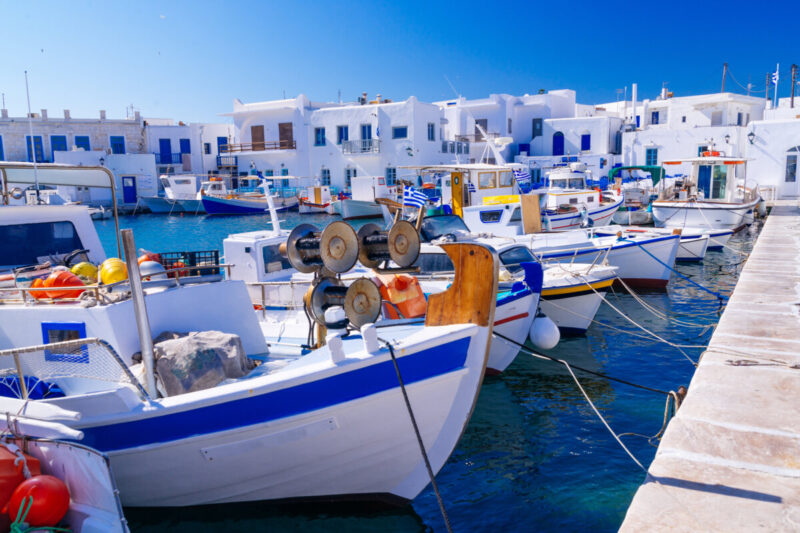
Mykonos, often referred to as the jewel of the Cyclades, is famous for its stunning beaches, vibrant nightlife, and charming white-washed buildings. This island is a perfect blend of traditional Greek culture and modern luxury, attracting visitors from around the globe. With its picturesque streets, crystal-clear waters, and lively atmosphere, Mykonos offers something for everyone.
The destination guide
Mykonos

Travel guides for Mykonos
More guides featuring Mykonos (6)
At a glance
Currency€ EURCode: EUR
Time zoneEastern European Time
Languages
- Greek
Setting
- Cycladic island
- Sandy beaches
- Windmill landscapes
- Party harbor
Known for
- Beach life
- Nightlife
- Greek island culture
- Luxury travel
- Historical exploration
Population10,70410,704 residents
VisaDuration: Up to 90 days within any 180-day period in the Schengen Area · Documents: Valid passport issued within the last 10 years and valid for at least 3 months after planned departure, plus proof of accommodation, onward or return travel, and sufficient funds if requested
How Mykonos scores
7/10OverallGood
Weather9/10
Value for money6/10
Safety8/10
Food & cuisine8/10
Culture & arts7/10
Cultural experience7/10
History7/10
Nature & outdoors8/10
Adventure5/10
Nightlife9/10
Shopping7/10
Family friendly5/10
Romance8/10
Character
Photography score7/10
Authenticity score9/10
Off-the-beaten-path score3/10
Editorial scores on a 10-point scale, weighed against destinations of the same kind.
Travel safety snapshot
Overall84/100High rating
Women travellers82/100
LGBTQ+ travellers88/100
Theft78/100
Medical care76/100
Physical harm80/100
Political freedom75/100
SafePlace indicators use their source 100-point scale; higher is more favourable. Planning context, not a live travel advisory — check official government guidance before you go.
When to go
Best months to visit: May, June, September and October.
- January: 12.4 to 14.5 degrees Celsius, 29.8 millimetres of rain, best-time score 1 out of 5.
- February: 11.4 to 13.6 degrees Celsius, 18.7 millimetres of rain, best-time score 1 out of 5.
- March: 12.4 to 14.4 degrees Celsius, 5.4 millimetres of rain, best-time score 2 out of 5.
- April: 15.2 to 17.6 degrees Celsius, 1 millimetres of rain, best-time score 3 out of 5.
- May: 18.1 to 20.9 degrees Celsius, best-time score 5 out of 5.
- June: 22.1 to 24.1 degrees Celsius, 0.5 millimetres of rain, best-time score 5 out of 5.
- July: 23.9 to 26.2 degrees Celsius, best-time score 3 out of 5.
- August: 24.4 to 26.5 degrees Celsius, 2.5 millimetres of rain, best-time score 3 out of 5.
- September: 23.1 to 25.1 degrees Celsius, best-time score 5 out of 5.
- October: 20 to 21.8 degrees Celsius, 0.6 millimetres of rain, best-time score 4 out of 5.
- November: 16.8 to 18.1 degrees Celsius, 4 millimetres of rain, best-time score 2 out of 5.
- December: 13.6 to 15.8 degrees Celsius, 10.7 millimetres of rain, best-time score 1 out of 5.
Month-by-month conditions and packing advice
- January
- Cool weather, some rain January in Mykonos: cold, windy, and largely shuttered, with most hotels, restaurants, and beach clubs closed for the off-season. Crowds: January represents the low tourist season in Mykonos, making it ideal for travelers seeking peace, authenticity, and lower prices. Crowds are minimal, with many beach clubs and nightlife venues closed, but cultural exploration and off-season hiking become more rewarding. Accommodation costs are significantly lower compared to summer, though some hotels and restaurants shut their doors until spring. The weather allows for relaxed sightseeing, but not for swimming or sunbathing. This is the time for travelers to immerse themselves in local life, enjoy hearty Greek meals by the fireplace, and experience Mykonos without the party atmosphere. Advance booking is rarely necessary, giving visitors flexibility. Pack: Water-resistant jacket for light rain and wind; Comfortable closed-toe shoes for cobblestone streets; Warm sweater or fleece for cooler evenings; Travel umbrella for occasional showers; Modest clothing for monasteries and churches; Scarf or shawl for extra warmth and cultural visits
- February
- Cool weather, mostly dry February in Mykonos: still deep low season with chilly weather and very little open, best avoided unless you want total quiet. Crowds: February sits firmly in the island’s off-season, making it one of the calmest times to visit Mykonos. While the weather is cool, the lack of crowds provides a more intimate encounter with the island’s cultural and historical sites. Hotels and restaurants that remain open often offer lower rates, but visitors should expect limited nightlife and seasonal closures of beach clubs. Ferry connections can be more weather-dependent, so planning flexibility is advised. This quieter atmosphere makes it a prime time for travelers seeking reflection, slow exploration, and authentic village life away from summer’s party reputation. For those less concerned with sunbathing and more interested in history, cuisine, and local rhythms, February offers excellent value and uncrowded conditions. Pack: Warm layers including a medium-weight jacket for cool evenings; Comfortable waterproof shoes for cobblestone streets; Scarf and hat to protect against coastal winds; Travel umbrella or light rain jacket for passing showers; Modest clothing suitable for visiting monasteries and chapels; Camera gear with weather protection for dramatic landscapes
- March
- Cool weather, mostly dry March in Mykonos: cool and quiet with the island just beginning to stir, though most venues remain closed and seas are too cold to swim. Crowds: March represents the early shoulder season in Mykonos, before the summer crowds arrive. Tourist numbers are low, and prices for accommodation are considerably cheaper compared to peak months. Many seasonal businesses are just beginning to reopen, so dining and nightlife options are more limited but authentic. The cooler temperatures make it an ideal time for cultural exploration, photography, and hiking trails across the Cycladic landscape. Beach activities are limited, but the benefit is having iconic spots—such as Little Venice or the windmills—without crowds. Travelers who prefer tranquility, reduced costs, and a more local rhythm will find March an appealing month to visit, provided they do not expect summer-style beach holidays. Pack: Light jacket or windbreaker for breezy evenings; Comfortable walking shoes for cobbled lanes; Layered clothing for temperature shifts; Scarf or shawl for cooler nights and church visits; Travel umbrella for occasional showers; Camera gear to capture crisp seasonal light
- April
- Warm and pleasant, mostly dry April in Mykonos: mild spring days and Greek Easter buzz as the island reopens, but the sea is still cool and full services lag. Crowds: April represents the shoulder season in Mykonos, a sweet spot between the cool, quiet winter and the bustling summer crowds. Conditions are favorable for outdoor sightseeing, hiking, and cultural exploration without the intensity of heat or the high tourist density of peak months. Beaches are not yet fully active, and nightlife is still subdued, which appeals to travelers seeking tranquility and cultural depth rather than party-driven energy. Accommodation prices are moderate, with better availability and flexibility compared to summer. While ferry schedules expand this month, some services remain limited, requiring advanced planning. Overall, April is ideal for travelers prioritizing relaxation, photography, and cultural exploration over swimming and nightlife. Pack: Light jacket or cardigan for cooler evenings; Comfortable walking shoes for cobblestone streets; Breathable layers such as cotton shirts and linen trousers; Compact umbrella or light rain jacket for unexpected showers; Sunglasses with high UV protection for bright reflections; Modest attire for visiting monasteries and chapels
- May
- Warm and pleasant, mostly dry May in Mykonos: near-ideal warm, sunny days with everything open, calm seas before the meltemi, and manageable crowds at good value. Crowds: May offers one of the most favorable times to visit Mykonos, positioned just before the intense summer rush. Conditions are excellent for outdoor exploration, dining al fresco, and beginning to enjoy the beaches without the high-season crush. Crowds are moderate, with a noticeable increase toward the end of the month as seasonal flights expand and ferries become more frequent. Accommodation and dining prices remain lower compared to July and August, providing strong value. The calm weather allows for island-hopping to nearby Delos or relaxed boat trips, while nightlife is lively yet not overwhelming. Travelers seeking both cultural immersion and beach leisure will find May an ideal balance, though advance booking is still recommended for boutique stays and waterfront tables as demand builds toward summer. Pack: Lightweight linen shirts and dresses for daytime warmth; Comfortable sandals or walking shoes for cobbled streets; Light sweater or shawl for cooler evenings; Swimwear for early-season beach and pool use; Sunhat and reef-safe sunscreen for strong midday sun; Casual elegant attire for dining and nightlife
- June
- Warm and pleasant, mostly dry June in Mykonos: excellent balance of hot sunshine, warm calm seas, lively atmosphere, and crowds that haven't yet peaked. Crowds: June marks the beginning of the high season in Mykonos, with weather conditions near perfect for beach life, sailing, and nightlife. Crowds start to build but remain less intense than the peak months of July and August, giving visitors the advantage of vibrant energy without overwhelming congestion. Hotel rates begin to rise, reflecting the island’s growing popularity during this time, but early bookings still secure better deals. Conditions are excellent for swimming in the Aegean, as the water temperature warms to inviting levels, and cultural experiences, from exploring the archaeological site of Delos to attending local festivals, are unhindered by rain. Travelers should expect longer operating hours for attractions and ferries, making it easy to island-hop or explore remote coves. June strikes a sweet spot for those seeking both lively social scenes and room to breathe before the full crush of summer tourism arrives. Pack: Lightweight linen shirts and dresses for daytime comfort; Swimwear for beach and pool activities; Comfortable sandals for walking on cobblestone streets; Windbreaker or light scarf to handle Meltemi breezes; Broad-brimmed hat and high-SPF sunscreen; Casual evening wear suitable for upscale beach clubs
- July
- Hot and sunny, mostly dry July in Mykonos: peak heat and full party energy but crowded, expensive, and increasingly buffeted by the strong meltemi wind. Crowds: July marks peak tourist season in Mykonos, drawing international visitors with its hot, dry climate and long, sunny days. The weather is ideal for swimming, sailing, and beach club life, but the surge in visitors means higher accommodation prices and crowded hot spots. Restaurants, bars, and nightlife venues are in full swing, creating a lively yet often busy atmosphere. For cultural travelers, daytime exploration of landmarks like Panagia Paraportiani or Ano Mera Monastery is best scheduled in the early morning before crowds and heat intensify. Advance reservations for ferries, hotels, and even restaurants are essential, as demand far exceeds supply during this peak summer period. Pack: Lightweight linen or cotton outfits for hot days; Swimwear and beach sandals for coastal activities; Wide-brimmed hat and high SPF sunscreen; Breathable evening attire for nightlife; Sturdy sandals or sneakers for walking on cobblestones; Light shawl or cover-up for modesty at monasteries
- August
- Hot and sunny, mostly dry August in Mykonos: the absolute peak with the hottest temperatures, biggest crowds, highest prices, and relentless meltemi gusts. Crowds: August is high season in Mykonos, with perfect beach weather driving peak tourism. The combination of hot, dry days and steady winds makes it excellent for water sports like windsurfing and sailing, though strong Meltemi gusts can disrupt ferries. Expect the island to be buzzing with international visitors, lively nightlife, and premium pricing on accommodations. Beaches and popular sites such as Little Venice or the windmills are at their busiest, and advance booking is essential. For travelers seeking vibrant energy and a party atmosphere, this is the most dynamic month; however, those preferring tranquility may find the crowds overwhelming. Dining reservations, especially at top tavernas, should be secured in advance. Pack: Breathable cotton and linen clothing for hot weather; Swimwear and quick-dry beach towel; Wide-brimmed hat and SPF 50+ sunscreen; Light shawl or wrap for modesty at chapels and monasteries; Comfortable sandals with grip for cobblestone streets; Reusable water bottle to stay hydrated in the heat
- September
- Warm and pleasant, mostly dry September in Mykonos: ideal again with warm seas, fine weather, easing crowds, and softening prices as summer winds down. Crowds: September marks one of the most rewarding times to visit Mykonos. The weather remains excellent for swimming, sailing, and walking tours, but peak summer crowds have thinned, especially after the first week. Accommodation prices gradually decline compared to July and August, offering better value while still maintaining a lively atmosphere. Beach clubs and nightlife venues continue to operate, but with more space to enjoy them comfortably. This shoulder-season timing allows travelers to balance cultural exploration—such as the island’s monasteries and archaeological sites—with leisure activities like wine tastings or day trips to Delos. It’s an ideal compromise between vibrant summer energy and the calm of the off-season, though travelers should still book accommodations in advance for waterfront stays. Pack: Light linen or cotton outfits for warm daytime conditions; Swimwear and beach cover-ups for daily swims; Comfortable sandals for cobblestone streets; Light jacket or shawl for breezier evenings; Sunhat and high-SPF sunscreen for strong UV exposure; Modest attire for monastery or church visits
- October
- Warm and pleasant, mostly dry October in Mykonos: pleasant warm days and quiet beaches early in the month, though venues begin closing and beach weather fades. Crowds: October is considered the shoulder season in Mykonos, where conditions remain favorable for travel but without the peak-season crowds. Beaches are quieter, and cultural exploration in towns like Chora is more enjoyable without the summer heat or congestion. Accommodation rates typically drop compared to July and August, providing good value for travelers. Ferry schedules are still reliable, though slightly reduced, making island hopping feasible. While nightlife has calmed significantly, the island’s cultural and culinary offerings remain strong. It’s an excellent time for travelers seeking authentic experiences, photography, and relaxed exploration rather than intense partying. Advance booking is still recommended for well-rated boutique stays, but availability is far less competitive than in midsummer. Pack: Light jacket for cooler evenings; Comfortable sandals for walking on stone streets; Swimwear for late-season beach days; Wind-resistant scarf or wrap for breezy conditions; Casual yet modest attire for monasteries and churches; Reusable water bottle to stay hydrated while exploring
- November
- Warm and pleasant, mostly dry November in Mykonos: cool, increasingly wet, and very quiet as the island shuts down for winter. Crowds: November sits firmly in Mykonos’ off-season, which means far fewer tourists and significantly reduced accommodation prices. While nightlife and many beach clubs close by late October, this quieter period appeals to travelers who prioritize authenticity over spectacle. Conditions remain comfortable enough for walking tours, historical site visits, and leisurely coastal strolls, though swimming is less popular given cooler waters. Ferry schedules become more limited, and some seasonal businesses wind down, so advance planning is essential. On the upside, this month offers rare access to uncrowded streets in Chora and a chance to connect more closely with local culture. Visitors will find this an excellent time for budget-friendly stays and photography without interruption, though they should expect limited entertainment compared to the high season. Pack: Light jacket for cooler evenings; Comfortable walking shoes for cobblestone streets; Scarf or wrap for breezy coastal walks; Compact umbrella for occasional showers; Layered clothing for mild daytime shifts; Modest attire for visiting monasteries and chapels
- December
- Warm and pleasant, mostly dry December in Mykonos: cold, quiet, and mostly closed, with only a sleepy local scene remaining. Crowds: Traveling to Mykonos in December means embracing the island’s quieter, off-season character. Mild temperatures are comfortable for walking tours, exploring Ano Mera’s monasteries, or strolling narrow lanes in Chora without summer crowds. Beaches are not ideal for swimming, but their solitude offers striking scenery for contemplative visits. With far fewer tourists, accommodation prices drop significantly, making boutique stays more affordable. Ferry schedules are limited compared to peak months, so careful planning is required. Nightlife is reduced, but local tavernas remain open, giving a more authentic glimpse into island life. For travelers seeking cultural depth, photography, or tranquility rather than nightlife and beach parties, December offers an appealing window into the island’s quieter identity. Pack: Warm sweater or light jacket for cool evenings; Comfortable walking shoes for village exploration; Scarf or shawl for added warmth and monastery visits; Compact umbrella or rain jacket for light showers; Modest attire for churches and cultural sites; Camera gear for capturing winter light and landscapes
Peak season
- July
- August
- June
- September
Off-peak
- December
- January
- February
- March
- April
- October
- November
Know before you go
About
Mykonos, in Greece’s South Aegean region, is a Cycladic island of about 10,700 year-round residents whose whitewashed villages and beaches swell with visitors each summer. Inhabited since antiquity and under Venetian rule from the 14th century, the island is instantly recognizable for the row of 16th-century windmills, the Kato Mili, overlooking the main town of Chora. Below them sits Little Venice, a line of 18th-century merchant houses built right at the water’s edge, alongside the much-photographed Paraportiani church. Sixteen windmills survive across the island, a legacy of the Venetian grain trade that once powered its economy. Today Mykonos is best known as one of the Mediterranean’s most glamorous and cosmopolitan destinations, balancing beach clubs and nightlife with quiet Cycladic charm.
Best time to visit
The best time to visit Mykonos is during the shoulder seasons of late spring (May to June) and early fall (September to October) when the weather is pleasant and the crowds are smaller. The summer months are bustling with tourists and events, while winter is quieter, providing a more authentic experience of the island.
Getting there and around
Getting there
Mykonos accessible via international airport (4km from town) with direct flights from Athens, major European cities, and seasonal international routes. Ferry services from Athens: Rafina Port (2h 15min-4h 40min, €71-305) and Piraeus Port (2.5-5 hours). Golden Star Ferries fastest from Rafina, Blue Star and SeaJets from Piraeus. Two ports: New Port (Tourlos) for most ferries, Old Port near Chora. Book 1+ months advance in peak season (June-September). Well-connected to Cyclades islands: Santorini, Paros, Naxos, Syros for island hopping.
Getting around
Getting around Mykonos is relatively straightforward, though it requires a bit of planning, especially in peak season. The island’s primary public transportation consists of a well-connected bus network operated by KTEL, linking Mykonos Town (Chora) with popular beaches and villages; however, there are no metros or trams, and buses can be crowded and infrequent in the off-season. Mykonos Town itself is highly walkable, with its tight maze of alleys best explored on foot—cars are restricted in the old town, and even scooters are impractical within the pedestrian core. Taxis are notoriously limited (fewer than 40 licensed taxis serve the whole island), and while some rideshare-style apps like Uber operate, they often function more like private car dispatch services with higher rates, so booking private transfers or using hotel shuttles is a smarter bet during busy months. For independent travelers, renting an ATV or scooter offers the most flexibility, but always inquire about insurance, inspect the vehicle thoroughly, and avoid riding after dark due to poor road lighting and unpredictable traffic.
Top experiences in Mykonos
Delos Island
UNESCO World Heritage archaeological site — the mythical birthplace of Apollo, with a Terrace of Lions and ancient mosaics (30-minute boat trip).
Ano Mera Village
Quiet inland village centered on the Panagia Tourliani monastery — a local escape from the beach crowds with traditional tavernas.
Editor-curated picks carried over from our original guide. Where a full place guide exists, the card links to it.
Worth booking ahead in Mykonos
Hand-picked from the operators our guides already send readers to. Prices and availability are live on the partner site.
BrowseViator
Tours and tickets in Mykonos on Viator (opens Viator in a new tab)
Viator's full list of bookable tours and tickets in Mykonos.
BrowseGetYourGuide
Experiences in Mykonos on GetYourGuide (opens GetYourGuide in a new tab)
Everything GetYourGuide sells in Mykonos, with the cancellation terms on each listing.
Where to stayBooking.com
Stays in Mykonos (opens Booking.com in a new tab)
Live rates and availability for Mykonos on Booking.com; filter by neighbourhood once you know where your days start.
We earn a commission if you book through these links, at no extra cost to you. It is how we keep the guides free and independent.
Where to stay
Cavo Tagoo Mykonos
Tagoo, Mykonos 846 00, Greece
Clifftop hotel with the famous infinity pool overlooking the Aegean, cave-style suites, and a sushi-by-the-pool restaurant.
Kensho Ornos
Platis Gialos Beach, Mykonos 846 00, Greece
Design hotel on Ornos Beach blending raw stone with modern luxury — Cycladic architecture meets contemporary Japanese minimalism.
Myconian Utopia Resort
Elia Beach, Mykonos 846 00, Greece
Hillside resort with a Thalasso spa, infinity pool overlooking Elia Beach, and private butlers across white-washed villas.
Editor-curated stays carried over from our original guide. Where we have reviewed the hotel, the card links to the review.
Tips from the field
Highlights
- Windmills of Mykonos
- Little Venice
- Paradise Beach
- Panagia Paraportiani Church
- Mykonos Town (Chora)
Best activities
- Explore the iconic Windmills of Mykonos
- Relax on Paradise Beach
- Visit the Church of Panagia Paraportiani
- Stroll through the charming streets of Mykonos Town
- Watch the sunset from Little Venice
Practical tips
- Book accommodations well in advance, especially for summer
- Rent a scooter or ATV to explore the island
- Be prepared for strong winds, especially in August
- Carry cash, as some smaller establishments don't accept cards
Keeping it authentic
- Visit the traditional village of Ano Mera and the Monastery of Tourliani
- Explore the Mykonos Folklore Museum for insights into local culture
Culture, customs and safety
Cultural heritage
Mykonos embodies the cultural transformation of traditional Cycladic island life into international cosmopolitan destination, where ancient Greek island traditions, traditional fishing culture, and contemporary international tourism created one of Greece most famous cultural tourism destinations. The island preserves traditional Cycladic architecture while embracing international party culture and luxury tourism that has transformed traditional Greek island identity. Mykonos cultural heritage encompasses ancient Cycladic culture, traditional Greek island customs, contemporary international tourism culture, and modern Greek island lifestyle that continues to influence Greek tourism development and Mediterranean island cultural transformation.
Local customs & etiquette
Mykonos embraces vibrant Greek island hospitality with strong maritime traditions. Chora (town center) is pedestrian-only architectural landmark – walking is the only transport within historic center. Evening mezze culture with ouzo and local wines essential. Respect for sacred Delos connection runs deep – many locals work as boat operators to ancient site. Traditional fishing community values alongside cosmopolitan tourism. Sunset watching at Little Venice is cherished ritual. Greetings (“Yassas”) and warm hospitality expected. Beach club culture respectful of local customs. September Harvest Festival at Bonis Mill celebrates agricultural heritage with folk dancing and storytelling.