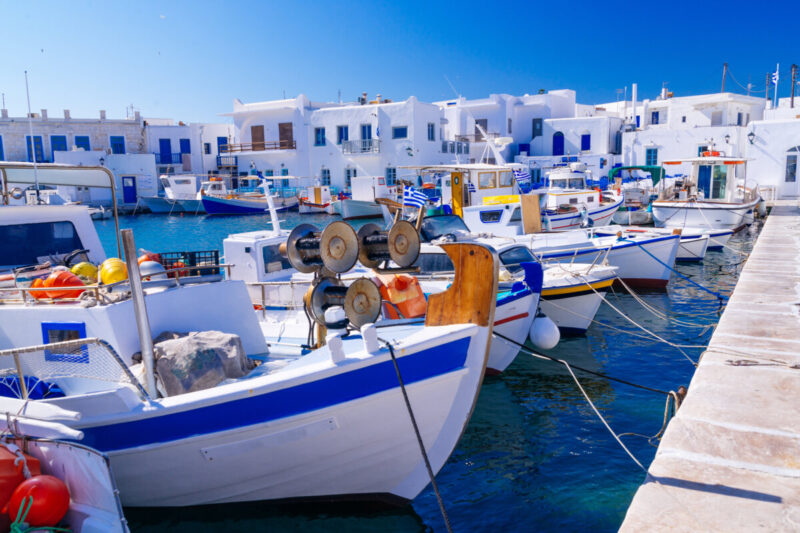
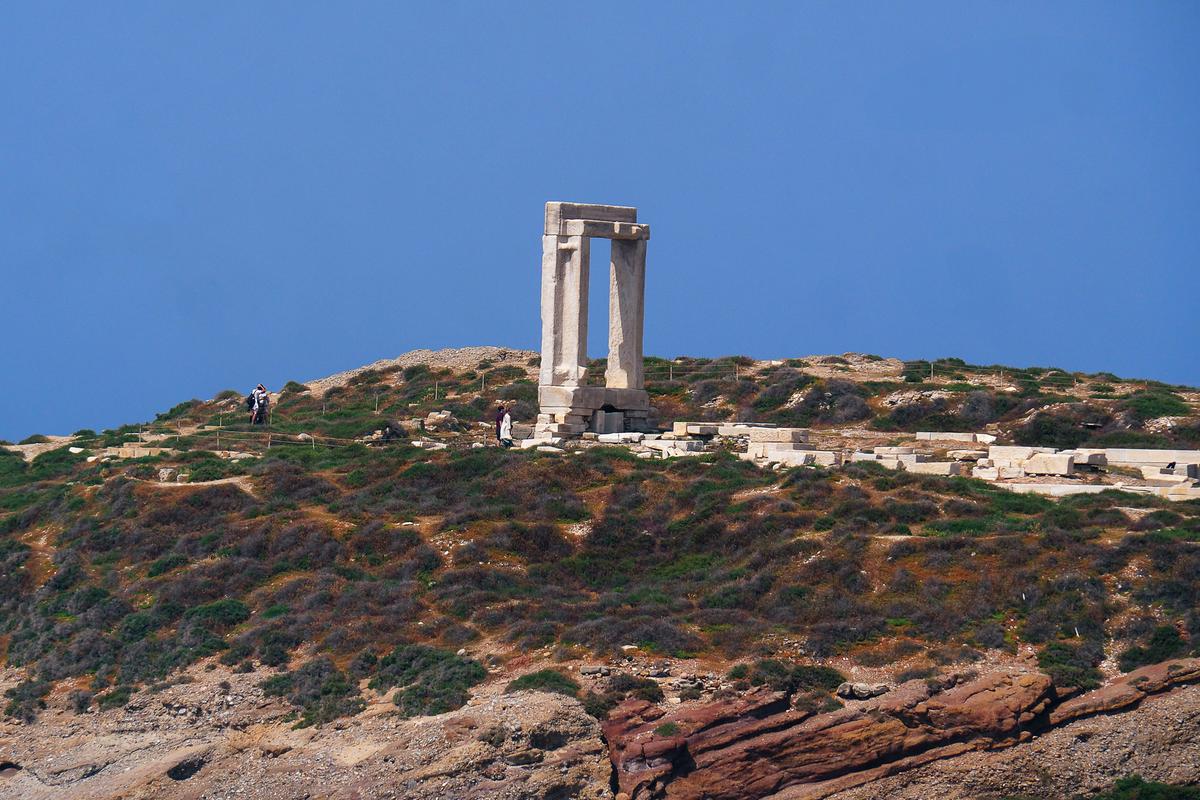
Naxos, the largest island in the Cyclades, is renowned for its stunning beaches, ancient ruins, and vibrant local culture. Visitors can explore the impressive Portara, a monumental gateway to an ancient temple, or relax on the beautiful sands of Agios Prokopios. The island’s charming villages, traditional tavernas, and lush landscapes make it a perfect destination for both relaxation and adventure.
The destination guide
Naxos
Travel guides for Naxos
More guides featuring Naxos (1)
At a glance
Currency€ EURCode: EUR
Time zoneEastern European Time
Languages
- Greek
Setting
- Cycladic island
- Sandy beaches
- Temple ruins
- Mountain villages
Known for
- Beach relaxation
- Ancient history
- Water sports
- Mountain hiking
Population19,55219,552 residents
VisaDuration: Up to 90 days within any 180-day period in the Schengen Area · Documents: Valid passport issued within the last 10 years and valid for at least 3 months after planned departure, plus proof of accommodation, onward or return travel, and sufficient funds if requested
How Naxos scores
6/10OverallFair
Weather9/10
Value for money8/10
Safety8/10
Food & cuisine8/10
Culture & arts6/10
Cultural experience8/10
History9/10
Nature & outdoors9/10
Adventure4/10
Nightlife6/10
Shopping6/10
Family friendly5/10
Romance8/10
Character
Photography score7/10
Authenticity score9/10
Off-the-beaten-path score7/10
Editorial scores on a 10-point scale, weighed against destinations of the same kind.
Travel safety snapshot
Overall91/100High rating
Women travellers90/100
LGBTQ+ travellers86/100
Theft82/100
Medical care78/100
Physical harm92/100
Political freedom88/100
SafePlace indicators use their source 100-point scale; higher is more favourable. Planning context, not a live travel advisory — check official government guidance before you go.
When to go
Best months to visit: May, June, September and October.
- January: 12.4 to 14.5 degrees Celsius, 29.8 millimetres of rain, best-time score 1 out of 5.
- February: 11.4 to 13.6 degrees Celsius, 18.7 millimetres of rain, best-time score 2 out of 5.
- March: 12.4 to 14.4 degrees Celsius, 5.4 millimetres of rain, best-time score 2 out of 5.
- April: 15.2 to 17.6 degrees Celsius, 1 millimetres of rain, best-time score 3 out of 5.
- May: 18.1 to 20.9 degrees Celsius, best-time score 4 out of 5.
- June: 22.1 to 24.1 degrees Celsius, 0.5 millimetres of rain, best-time score 5 out of 5.
- July: 23.9 to 26.2 degrees Celsius, best-time score 3 out of 5.
- August: 24.4 to 26.5 degrees Celsius, 2.5 millimetres of rain, best-time score 3 out of 5.
- September: 23.1 to 25.1 degrees Celsius, best-time score 5 out of 5.
- October: 20 to 21.8 degrees Celsius, 0.6 millimetres of rain, best-time score 4 out of 5.
- November: 16.8 to 18.1 degrees Celsius, 4 millimetres of rain, best-time score 2 out of 5.
- December: 13.6 to 15.8 degrees Celsius, 10.7 millimetres of rain, best-time score 1 out of 5.
Month-by-month conditions and packing advice
- January
- Cool weather, some rain January in Naxos: the rainiest, coldest month with quiet villages, authentic local life, but seas too cold for swimming. Crowds: January represents the true low season in Naxos, with few tourists and very relaxed crowd levels. This makes it an excellent time for travelers seeking authenticity and solitude, though many beach-oriented activities are off the table due to cooler water temperatures and occasional rain. Prices for accommodation are at their lowest, and some seasonal businesses may be closed, but local tavernas and cultural sites remain open. Hiking, photography, and cultural immersion are the highlights of winter travel here. Visitors should expect reduced ferry schedules and limited nightlife, but in exchange, they’ll gain a chance to experience Naxian traditions, village life, and seasonal cuisine without the summer influx. Booking flexibility is high, and last-minute accommodations are easy to find. Pack: Waterproof jacket for occasional rain showers; Comfortable walking shoes suitable for village paths; Warm sweater or fleece for cooler evenings; Scarf and light gloves for breezy days; Casual but modest clothing for local tavernas and churches; Travel umbrella for sudden showers
- February
- Cool weather, mostly dry February in Naxos: cool and quiet with occasional rain, offering a peaceful off-season glimpse of island life. Crowds: February falls firmly in the off-season for Naxos, which means visitors enjoy a peaceful and uncrowded island experience. Hotels and guesthouses often offer reduced rates, and many tourist-oriented shops remain closed, but this enhances the sense of authenticity for travelers seeking local life rather than mass tourism. The cooler weather is excellent for outdoor activities like hiking, exploring mountain villages such as Apeiranthos, or visiting ancient sanctuaries without the pressure of heat or crowds. Ferry schedules run on a reduced timetable, so planning inter-island travel requires flexibility. While nightlife is subdued, this period provides excellent opportunities to connect with local traditions, sample hearty winter dishes, and experience Cycladic culture more intimately. For those who value tranquility and immersion over beach life, February in Naxos is highly rewarding. Pack: Warm layers including sweaters and jackets; Water-resistant walking shoes for village exploration; Scarf and gloves for cooler evenings; Compact umbrella or rain jacket for occasional showers; Modest clothing for monastery visits; Daypack for hikes and carrying essentials
- March
- Cool weather, mostly dry March in Naxos: cool spring with wildflowers beginning to bloom across the fields, though beaches stay quiet and chilly. Crowds: March is considered part of Naxos’ off-season, which means far fewer tourists, quieter streets, and significantly lower accommodation rates compared to summer. The cooler weather supports activities like hiking through the countryside, exploring the Portara and Venetian Castle, or discovering traditional mountain villages without the heat stress of July and August. Many seaside tavernas may still be closed as the island prepares for the upcoming season, and ferries or flight schedules can be more limited, requiring careful planning. While beach lounging and swimming are less practical, cultural exploration, photography, and outdoor walks are highly enjoyable. Travelers seeking solitude, authenticity, and lower costs will find March an appealing window before spring fully blooms and visitors increase in April and May. Pack: Warm layers such as sweaters and light jackets for cool evenings; Comfortable walking shoes suitable for cobblestone streets and hikes; Windbreaker to handle breezy coastal conditions; Scarf and hat for warmth during outdoor exploration; Daypack for carrying water, snacks, and photography gear; Modest clothing for visits to churches and monasteries
- April
- Warm and pleasant, mostly dry April in Naxos: mild, wildflower-filled spring days and Greek Easter atmosphere, though the sea is still cool for swimming. Crowds: April marks the beginning of the shoulder season on Naxos, when conditions are comfortable for outdoor exploration but summer crowds have not yet arrived. Accommodations and ferry services are fully operational, yet prices remain lower than peak summer, offering good value. Visitors can enjoy cultural sites, hikes, and village strolls without congestion, while beaches are quiet though the sea is still on the cooler side for long swims. The weather is perfect for photographers and those seeking authentic cultural encounters, as Easter celebrations often coincide with this month. Travelers should book accommodations ahead if visiting during Orthodox Easter, as this draws both local and regional tourism. Overall, April represents one of the most rewarding times to experience Naxos with balance between climate, culture, and affordability. Pack: Light jacket or cardigan for cooler evenings; Comfortable walking shoes for village and trail exploration; Breathable clothing in natural fabrics for daytime comfort; Scarf or shawl for modesty in churches and monasteries; Sunscreen and sunglasses for strong spring sunlight; Light rainproof layer for occasional showers or windy ferry rides
- May
- Warm and pleasant, mostly dry May in Naxos: beautiful warm spring with fewer tourists and blooming landscapes, though the sea remains a touch cool. Crowds: May represents the shoulder season on Naxos, when weather is excellent for sightseeing, hiking, and early-season beach visits but tourist numbers remain moderate. This period offers a balance of lower accommodation rates compared to the summer peak and easier access to attractions without crowds. Ferry connections and island services operate reliably by May, making island-hopping and day trips seamless. Water temperatures are still cool for long swims, though sunny afternoons encourage brief dips. The island’s cultural events, like small village festivals, feel more intimate during this time. Travelers looking to experience Naxos with fewer crowds and more affordable pricing will find May one of the most rewarding months to visit. Pack: Light jackets or cardigans for cooler evenings; Comfortable walking sandals for cobblestone paths; Sunglasses and broad-spectrum sunscreen; Lightweight, breathable clothing in cotton or linen; Swimwear for beach outings and short dips; Modest attire for visiting monasteries and churches
- June
- Warm and pleasant, mostly dry June in Naxos: near-perfect balance of warm weather, swimmable seas, manageable crowds, and still-affordable prices before high season. Crowds: June represents the true beginning of Naxos’s summer travel season, offering near-ideal conditions for both cultural and beach-focused exploration. With dry, warm weather and extended daylight, it is an excellent month for swimming, windsurfing in the Aegean, and hiking to mountain villages. While not yet at peak August levels, crowds noticeably increase compared to spring, and accommodation prices begin to climb as demand rises. Cultural festivals and open-air concerts start to populate the calendar, enriching the visitor experience. Travelers seeking a balance of favorable weather, lively atmosphere, and manageable crowd sizes will find June one of the best times to explore Naxos. Early booking of ferries and hotels is advisable as availability begins tightening toward the end of the month. Pack: Light linen or cotton clothing for hot days; Wide-brimmed hat for sun protection; High SPF reef-safe sunscreen; Comfortable sandals for beach and village walking; Light jacket for breezy evenings near the coast; Swimwear for beaches and water sports
- July
- Hot and sunny, mostly dry July in Naxos: guaranteed beach weather and full summer atmosphere but the busiest, hottest, and most expensive period. Crowds: July represents the height of Naxos’s tourist season, offering near-perfect conditions for swimming, beach lounging, sailing, and cultural exploration. The island hums with activity as both Greek and international visitors arrive for summer holidays, meaning accommodations book quickly and prices peak. Beaches and Chora’s old town bustle with energy, while traditional villages further inland offer quieter escapes. The reliable dry weather ensures uninterrupted plans, but travelers should prepare for crowds at popular sites and strong Meltemi winds that can occasionally disrupt ferry schedules. Early reservations for lodging, rental cars, and ferries are essential to secure the best options. Despite the high season, the cultural richness—from panigiria (local festivals) to open-air music events—makes July a rewarding, immersive time to experience Naxos. Pack: Lightweight linen or cotton clothing for hot days; Wide-brimmed hat and high-SPF sunscreen; Sturdy sandals or walking shoes for cobbled streets; Swimwear and quick-dry towel for beach days; Light jacket or scarf for breezy Meltemi winds; Modest attire for visiting monasteries and churches
- August
- Hot and sunny, mostly dry August in Naxos: peak heat and crowds with full nightlife and lively beaches, but the most crowded and priciest month. Crowds: August is the busiest travel month on Naxos, coinciding with peak European summer holidays. Beaches are lively, ferry schedules are at their fullest, and cultural events such as traditional village festivals draw both locals and visitors. While the weather is ideal for swimming, windsurfing, and sailing, the Meltemi winds can make ferry travel occasionally delayed or rough. Accommodation prices reach their highest levels, and advance booking is essential. Despite the crowds, Naxos offers more space and authenticity compared to nearby Mykonos or Santorini. The warm evenings encourage late-night dining and cultural gatherings, but travelers should prepare for higher demand and limited availability at popular sites. For those seeking vibrant island life and dependable summer weather, August is an optimal—if busy—choice. Pack: Lightweight cotton or linen clothing for hot days; Swimwear and quick-dry beach towel; Wide-brimmed hat and polarized sunglasses; High-SPF sunscreen and after-sun lotion; Windbreaker or light jacket for Meltemi winds; Comfortable sandals and sturdy walking shoes for village exploration
- September
- Warm and pleasant, mostly dry September in Naxos: ideal with warm seas, excellent weather, and eased crowds, often the nicest overall month to visit. Crowds: September is one of the most favorable months to visit Naxos, offering excellent weather while avoiding the crowds and higher costs of the summer peak. The island still maintains a lively atmosphere, with tavernas and cultural events active, but beaches and main attractions are far less congested. Accommodation rates typically drop compared to July and August, making it a better value period for extended stays. Conditions are perfect for outdoor activities such as hiking the inland valleys, visiting Byzantine chapels, or enjoying boat excursions to nearby islands. Sea temperatures remain inviting for swimming, while the absence of rain ensures reliable conditions for excursions. Overall, September represents the ideal balance between comfort, accessibility, and authentic island atmosphere—highly recommended for travelers seeking both relaxation and cultural depth. Pack: Light cotton or linen clothing for warm daytime temperatures; Comfortable sandals and sturdy walking shoes for island terrain; Sunhat and high SPF sunscreen to protect against strong UV rays; Light sweater or shawl for cooler evenings outdoors; Swimwear and quick-dry towel for frequent beach visits; Modest attire for visiting churches and cultural landmarks
- October
- Warm and pleasant, mostly dry October in Naxos: comfortable days and lovely early-month swimming, with quiet beaches but less reliable beach weather later. Crowds: October marks the shoulder season in Naxos, when the island shifts from bustling summer crowds to a calmer, more local rhythm. Accommodation prices begin to ease after peak months, though many hotels and family-run guesthouses remain open. The weather is still favorable for hiking ancient trails, wandering through traditional villages like Apeiranthos, or enjoying al fresco dining in Chora’s old town. Beaches are noticeably quieter, though some seaside tavernas may start reducing hours as the season winds down. Ferry schedules remain reliable but less frequent than in midsummer, so advance planning is advised. This period is particularly appealing to travelers seeking cultural depth, authentic encounters, and a slower pace without compromising on outdoor activities. Pack: Light jacket for cooler evenings; Comfortable walking shoes for cobblestone streets and trails; Swimsuit for late-season sea swimming; Breathable cotton or linen clothing for daytime comfort; Sunhat and sunglasses for midday sun; Light scarf or wrap for breezy coastal evenings
- November
- Warm and pleasant, mostly dry November in Naxos: cooling and increasingly wet as the season winds down to a quiet, mostly local rhythm. Crowds: November represents the shoulder-to-off season on Naxos, with tourism slowing significantly. This is not peak beach weather, but conditions are favorable for cultural exploration, hiking ancient trails, and enjoying traditional island life without crowds. Accommodation prices drop considerably compared to the high summer season, making this a budget-friendly time to visit. Many seaside tavernas may close, but inland villages and family-run restaurants remain welcoming, offering hearty seasonal fare. Visitors can expect fewer ferry options and limited nightlife, but in exchange they gain tranquility, authentic interactions, and the chance to see Naxos through the rhythm of its local calendar. For photographers and culture seekers, November’s softer light and peaceful atmosphere make it an exceptional month to explore. Pack: Light sweater or cardigan for cooler evenings; Comfortable walking shoes for village and trail exploration; Light waterproof jacket for occasional showers; Layered clothing for fluctuating daytime and evening temperatures; Scarf or shawl for warmth and cultural site visits; Reusable water bottle for hikes and rural explorations
- December
- Warm and pleasant, mostly dry December in Naxos: cold and quiet with short days, a low-season retreat with little beach appeal. Crowds: December marks the off-season on Naxos, which means quiet villages, empty beaches, and uncrowded archaeological sites. While temperatures are mild and walking conditions pleasant, swimming and sunbathing are not typical activities. Many tourist-focused businesses close for the season, so travelers should expect limited dining and accommodation options, though those that remain open often offer lower rates. Ferries and flights continue but on reduced schedules, requiring advance planning. For visitors interested in local culture, this is the time to witness authentic island life without crowds—perfect for exploring traditional bakeries, village festivals, or winter hikes. Photography enthusiasts will find the softer winter light and tranquil settings ideal. Travelers should come prepared for a more self-sufficient experience with emphasis on cultural immersion rather than resort amenities. Pack: Light jacket for cool evenings; Waterproof shoes for occasional showers; Warm scarf for breezy coastal walks; Layered clothing for mild daytime temperatures; Compact umbrella for light rain; Modest attire for church visits and cultural sites
Peak season
- July
- August
- June
- September
Off-peak
- December
- January
- February
- March
- April
- October
- November
Know before you go
Best time to visit
The best time to visit Naxos is during the spring (April to June) and early fall (September to October) when the weather is warm and the crowds are smaller. Summer months can be hot and busy, especially in popular tourist areas, while winter offers a quieter experience with cooler temperatures.
Getting there and around
Getting there
Naxos accessible via National Airport (3km from town) with 40-minute flights from Athens on Sky Express, Olympic Air, and seasonal Aegean Airlines from Thessaloniki. Year-round ferry service from Piraeus (3.5-6.5 hours, €43-78, up to 9 daily summer crossings), Rafina (80 minutes high-speed), and Lavrio (10 hours weekly). Well-connected to Cyclades islands: 40 minutes from Mykonos, 90 minutes from Santorini. Ferry port in Chora features iconic Portara view. Airport close to Agios Prokopios beach. Naxos central location makes ideal island-hopping base.
Getting around
Getting around Naxos is delightfully straightforward if you know the local rhythms. The island’s KTEL bus network is surprisingly efficient, connecting Chora (Naxos Town) with major beaches like Agios Prokopios, Plaka, and cultural villages like Halki and Filoti—routes run more frequently in summer, and schedules are posted at the bus station in Chora. Naxos is quite walkable, especially within the Old Town and port area, where winding alleyways are best explored on foot, though wear good shoes for the cobblestone paths. Taxis are limited and usually wait near the port or airport, but rideshare apps are not widely used here, so booking in advance by phone is wise. There’s no need for a transit pass—just buy tickets onboard or at kiosks, and if you’re venturing inland or planning multiple day trips, renting a car or ATV offers unmatched flexibility to reach secluded beaches and mountainous hamlets that public transit won’t reach.
Worth booking ahead in Naxos
Hand-picked from the operators our guides already send readers to. Prices and availability are live on the partner site.
BrowseViator
Tours and tickets in Naxos on Viator (opens Viator in a new tab)
Viator's full list of bookable tours and tickets in Naxos.
BrowseGetYourGuide
Experiences in Naxos on GetYourGuide (opens GetYourGuide in a new tab)
Everything GetYourGuide sells in Naxos, with the cancellation terms on each listing.
Where to stayBooking.com
Stays in Naxos (opens Booking.com in a new tab)
Live rates and availability for Naxos on Booking.com; filter by neighbourhood once you know where your days start.
We earn a commission if you book through these links, at no extra cost to you. It is how we keep the guides free and independent.
Where to stay
Naxian Collection
Stelida, Naxos 843 00, Greece
Modern Cycladic boutique hotel on a hillside overlooking the bay with infinity pool, panoramic sunset views, and elegant minimalist suites.
Lagos Mare
Agios Prokopios Beach, Naxos 843 00, Greece
Beachfront hotel on Agios Prokopios — one of the Cyclades’ finest sandy beaches — with spacious rooms, a pool, and direct beach access.
Grotta Hotel
Chora, Naxos 843 00, Greece
Centrally located hotel in the old town with traditional Cycladic architecture, a rooftop terrace with Portara views, and easy access to the waterfront.
Editor-curated stays carried over from our original guide. Where we have reviewed the hotel, the card links to the review.
Tips from the field
Highlights
- The Portara (Apollo's Gate)
- Plaka Beach
- Chora (Naxos Town)
- Mount Zas
Best activities
- Sunbathing and swimming at Plaka Beach
- Hiking Mount Zas, the highest peak in the Cyclades
- Exploring the ancient Portara gateway
- Windsurfing at Mikri Vigla Beach
Practical tips
- Rent a car to explore the island's diverse landscapes
- Book accommodations in advance during peak season
- Bring sturdy shoes for hiking and exploring ruins
Keeping it authentic
- Explore traditional mountain villages like Apiranthos and Filoti
- Visit local tavernas to taste authentic Naxian cuisine
Culture, customs and safety
Cultural heritage
Naxos preserves the cultural heritage of Cycladic civilization and traditional Greek island agricultural life, where ancient marble quarrying, Byzantine religious heritage, and traditional Greek island customs created one of the most authentic and culturally intact Greek island experiences. The island maintains traditional Greek Orthodox religious practices while preserving ancient archaeological sites and continuing traditional agricultural and artisan practices. Naxos cultural heritage encompasses ancient Cycladic marble culture, Byzantine religious traditions, traditional Greek island agriculture, and contemporary Greek cultural preservation that continues to represent authentic Greek island cultural identity and Aegean civilization.
Local customs & etiquette
Naxos embraces authentic Greek island life with agricultural traditions alongside tourism. Local pride in Dionysian heritage – wine and festivals important cultural elements. Annual Dionysia ceremony maintains ancient traditions with sporting events and sacrificial rites. Marble craftsmanship legacy continues from ancient quarries. Family-run tavernas serve local specialties: potatoes, cheese (graviera), kitron liqueur. Traditional villages maintain customs distinct from tourist areas. Greek Orthodox faith strong – respect church dress codes. Evening volta (stroll) in Chora essential social ritual. Hospitality (filoxenia) deeply valued – expect warm welcomes in villages. Beach culture relaxed but respectful.