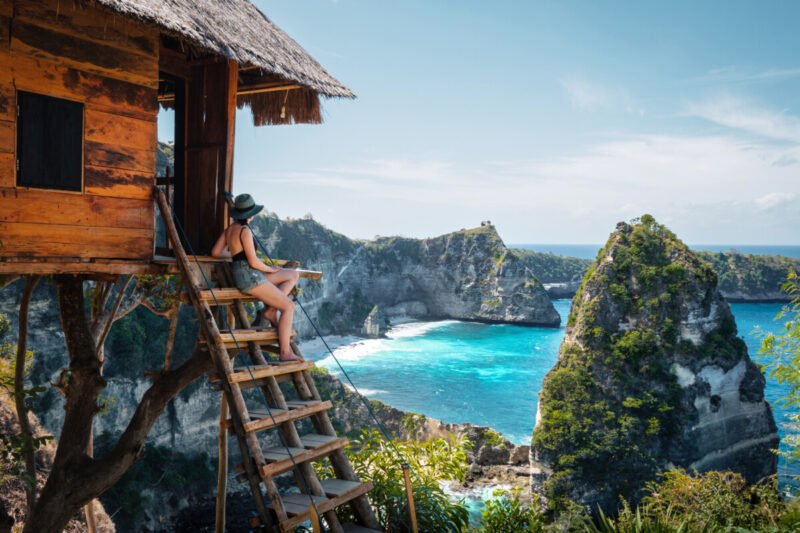
Kelingking Beach’s dramatic “T-Rex Beach” cliffs resembling tyrannosaurus rex silhouettes overlooking secluded white sand and turquoise waters—insanely steep, difficult descents reward brave climbers with Indonesia’s most stunning shore-break beach featuring barreling, dumping waves. Angel’s Billabong’s natural infinity pool formed by tidal waves creating crystal-clear swimming opportunities with panoramic ocean views, though dangerous unexpected waves have caused drownings and injuries requiring extreme caution. Broken Beach’s incredible circular white-sand cove accessed via spectacular sea archway allowing ocean flow through limestone formations—perfect for photography though beach itself remains inaccessible beneath towering cliffs. Manta Point snorkeling paradise featuring gorgeous manta rays alongside Crystal Bay’s sheltered, crystal-clear waters and vibrant coral reefs hosting tropical fish diversity. Gamat Bay’s northern Batumadeg village location offering beautiful coral reef snorkeling with diverse marine life, while Thousand Islands Viewpoint and Diamond Beach complete west coast iconic destinations. Combined tour packages linking dramatic cliff viewpoints with private snorkeling experiences at best coral spots, making this Bali’s hidden gem southeast island Indonesia’s premier destination for untouched natural wonders and exceptional marine biodiversity adventures.
The destination guide
Nusa Penida
At a glance
- Indonesian
- Balinese
- Volcanic island
- Crystal waters
- Sea cliffs
- Kelingking Beach
- Nature
- Beaches
- Snorkeling
- Adventure
- Photography
How Nusa Penida scores
Character
Editorial scores on a 10-point scale, weighed against destinations of the same kind.
Travel safety snapshot
SafePlace indicators use their source 100-point scale; higher is more favourable. Planning context, not a live travel advisory — check official government guidance before you go.
When to go
Best months to visit: April, May, June, July, August, September and October.
- January: 24.9 to 29.4 degrees Celsius, 84.3 millimetres of rain, best-time score 2 out of 5.
- February: 24.7 to 29.5 degrees Celsius, 93.5 millimetres of rain, best-time score 2 out of 5.
- March: 24.4 to 29.5 degrees Celsius, 94.1 millimetres of rain, best-time score 3 out of 5.
- April: 24.7 to 29.7 degrees Celsius, 52.4 millimetres of rain, best-time score 4 out of 5.
- May: 24.8 to 29.4 degrees Celsius, 50.2 millimetres of rain, best-time score 5 out of 5.
- June: 23.8 to 28.3 degrees Celsius, 36.2 millimetres of rain, best-time score 5 out of 5.
- July: 23.3 to 27.2 degrees Celsius, 13.2 millimetres of rain, best-time score 5 out of 5.
- August: 22.9 to 28.2 degrees Celsius, 11.1 millimetres of rain, best-time score 5 out of 5.
- September: 22.7 to 28.6 degrees Celsius, 23.5 millimetres of rain, best-time score 5 out of 5.
- October: 23.8 to 29.9 degrees Celsius, 30.3 millimetres of rain, best-time score 4 out of 5.
- November: 24.4 to 30.2 degrees Celsius, 98.3 millimetres of rain, best-time score 3 out of 5.
- December: 25.2 to 29.7 degrees Celsius, 144.4 millimetres of rain, best-time score 2 out of 5.
Month-by-month conditions and packing advice
- January
- Hot and sunny, some rain January in Nusa Penida: wet-season rain and sea conditions reduce reliability for beaches and cliffs. Crowds: January falls firmly within Bali’s wet season, and Nusa Penida reflects this with hot, humid days interspersed with tropical rainfall. While conditions are not at their most comfortable, this is also the island’s quieter travel period. Crowds thin considerably compared to the dry months, and accommodation rates are more negotiable. Boat crossings to and from Bali can sometimes be rough due to wind and rain, but cultural and nature-focused activities like visiting temples, snorkeling when seas are calm, or exploring inland landscapes remain possible. Travelers willing to accept some rain showers gain the reward of softer light for photography and more intimate experiences at popular sites. Pack: Lightweight, breathable clothing for hot and humid conditions; Quick-dry rain jacket or poncho for sudden downpours; Waterproof sandals or sturdy shoes for slippery terrain; High SPF reef-safe sunscreen for strong tropical sun; Dry bag to protect electronics during boat rides and rain; Modest attire for temple visits and cultural sites
- February
- Hot and sunny, some rain February in Nusa Penida: wet-season rain and sea conditions reduce reliability for beaches and cliffs. Crowds: February is part of Bali’s broader rainy season, so travelers to Nusa Penida should expect warm, humid conditions with occasional heavy showers. The island remains open for exploration, but some outdoor plans may need flexibility due to sudden rain. Snorkeling and diving are possible, though currents can be stronger and visibility less predictable than in the dry months. Tourism crowds are lower compared to peak season, which translates to quieter beaches, easier access to popular sites like Kelingking Beach and Angel’s Billabong, and more affordable lodging. However, ferry crossings between Bali and Nusa Penida can sometimes be delayed by weather. This month favors travelers who don’t mind tropical rain and prefer a more relaxed, less crowded island atmosphere, while budget-conscious visitors can also benefit from softer rates. Pack: Quick-dry clothing for humid conditions; Waterproof bag for electronics and valuables; Reef-safe sunscreen for marine activities; Light rain jacket or poncho for sudden showers; Sturdy sandals or water shoes for rocky coastlines; Insect repellent for evenings near vegetation
- March
- Hot and sunny, some rain March in Nusa Penida: showers and rougher sea conditions can disrupt plans, but quieter travel is possible. Crowds: March is considered part of Bali’s shoulder wet season, which means Nusa Penida is less crowded compared to the peak months of July–August and December. Travelers benefit from lower accommodation rates and more relaxed ferry rides without the heavy queues of high season. While brief afternoon showers are common, mornings are typically clear and perfect for exploring the island’s rugged cliffs, hidden temples, and beaches. Outdoor activities like snorkeling with manta rays or hiking to viewpoints are still accessible, though timing excursions earlier in the day is wise to avoid rainfall. Roads may be slippery after showers, so allow extra time for travel. The balance of sun and rain makes this month especially rewarding for those seeking quieter cultural encounters, natural photography, and a more immersive local experience without the intense crowds. Pack: Lightweight breathable clothing for humid conditions; Quick-dry footwear for wet and slippery paths; Waterproof daypack for sudden showers; Reef-safe sunscreen and broad-brimmed hat; Light rain jacket or poncho; Sarong or modest covering for temple visits
- April
- Hot and sunny, some rain April in Nusa Penida: transition months can work with fewer crowds and generally improving or lingering dry weather. Crowds: April is a shoulder-season month for Nusa Penida, making it one of the best times to visit. The wet season is tapering off, so showers are shorter and less disruptive, while the landscape remains lush and photogenic. Tourist crowds are thinner than peak summer, which translates to more relaxed experiences at iconic sites like Crystal Bay or Broken Beach. Accommodation rates are generally moderate, avoiding both the high-season surcharges and the occasional closures seen during peak rains earlier in the year. Activities such as diving with manta rays, trekking coastal cliffs, and exploring hidden temples are highly enjoyable with calmer seas and manageable heat. Travelers should book ferries and accommodation a few days ahead, especially over Indonesian public holidays when domestic tourism spikes. Pack: Breathable cotton and linen clothing for hot, humid days; Light rain jacket or compact poncho for occasional showers; Reef-safe sunscreen and polarized sunglasses; Water shoes or sturdy sandals for rocky beach entries; Mosquito repellent for evenings near the coast; Lightweight scarf or sarong for temple visits
- May
- Hot and sunny, some rain May in Nusa Penida: dry-season skies, clearer seas, snorkeling, diving, viewpoints, and boat crossings are most reliable. Crowds: May marks the beginning of the shoulder season on Nusa Penida, offering a balance of favorable weather and manageable tourist numbers. The drier conditions allow travelers to comfortably explore rugged viewpoints, hike to secluded beaches, and take boat trips without the heavy rains of earlier months. While not the absolute peak of the dry season, the island feels more accessible, with fewer disruptions from weather compared to January–March. Hotel prices and ferry tickets are generally lower than in peak July–August, making May a cost-effective time to visit. Diving and snorkeling conditions are excellent, with calmer seas starting to prevail. Travelers should still plan for occasional showers, but they rarely interfere with daily itineraries. Advance booking for popular accommodations is advised but not as urgent as in high season. Pack: Lightweight breathable clothing suitable for high humidity; Waterproof daypack for sudden tropical showers; Comfortable sandals or sturdy walking shoes for cliff paths; Reef-safe sunscreen and polarized sunglasses; Swimwear and quick-dry towel for beach and water activities; Light rain jacket or poncho for brief showers
- June
- Hot and sunny, some rain June in Nusa Penida: dry-season skies, clearer seas, snorkeling, diving, viewpoints, and boat crossings are most reliable. Crowds: June marks the heart of Nusa Penida’s dry season, making it a highly favorable month for travel. Sea conditions are calm, ensuring safe access to popular dive sites like Manta Point and Crystal Bay. This period also represents the beginning of Bali’s peak tourist season, so while the weather is excellent, expect larger crowds and rising accommodation prices across the island. On Nusa Penida itself, however, visitor density is still lower than in mainland Bali, offering a more laid-back experience. June provides excellent visibility for diving and photography while avoiding the heavier rains of earlier months. Travelers should book transport and lodging in advance as demand steadily climbs, particularly for boutique stays and guided tours. Overall, it’s an ideal time for those seeking both cultural immersion and active adventures on land and sea. Pack: Light, breathable clothing for hot and humid conditions; Reef-safe sunscreen and polarized sunglasses; Quick-dry swimwear for snorkeling and diving; Light rain jacket for occasional showers; Sturdy sandals or water shoes for beach and boat landings; Modest cover-up for visiting temples and sacred sites
- July
- Hot and sunny, mostly dry July in Nusa Penida: dry-season skies, clearer seas, snorkeling, diving, viewpoints, and boat crossings are most reliable. Crowds: July marks peak travel season in Nusa Penida, coinciding with school holidays and Indonesia’s driest, most reliable weather. The calm seas allow for easy boat crossings from Bali, though demand pushes up ticket prices and increases crowd levels at popular sites like Kelingking Beach and Angel’s Billabong. Accommodation fills quickly, particularly at boutique eco-lodges and cliffside villas with ocean views. Conditions are near-perfect for snorkeling, diving, and cliffside hiking, though midday heat can be taxing without shade. Travelers seeking serenity should plan early-morning excursions, when sites remain quieter and lighting is optimal for photography. Advance booking for both stays and guided tours is strongly advised in July. Pack: Breathable cotton or linen outfits to manage humidity; Reef-safe sunscreen and polarized sunglasses; Quick-dry swimwear for daily snorkeling and diving; Sturdy sandals or water shoes for rocky beach access; Lightweight scarf or sarong for temple visits; Reusable water bottle to stay hydrated in the heat
- August
- Hot and sunny, mostly dry August in Nusa Penida: dry-season skies, clearer seas, snorkeling, diving, viewpoints, and boat crossings are most reliable. Crowds: August is one of the most popular months to visit Nusa Penida, coinciding with Indonesia’s high dry-season tourist influx. Expect lively crowds at well-known spots such as Kelingking Beach and Broken Beach, though less-traveled temples and villages still offer quiet cultural encounters. The minimal rainfall ensures safe access to steep coastal tracks and consistent ferry connections from Bali, but it also drives accommodation prices higher, with advance booking strongly recommended. Conditions are ideal for diving and snorkeling due to calm waters and excellent underwater visibility. Travelers should prepare for busy conditions at popular beach clubs and photo lookouts but will be rewarded with the island’s most stable and enjoyable weather window of the year. Pack: Light, breathable clothing for hot daytime conditions; Comfortable sandals or walking shoes for uneven terrain; Swimwear and quick-dry towel for snorkeling and beach visits; Reef-safe sunscreen and sunglasses for strong tropical sun; Light jacket or shawl for breezy evenings on cliffs; Modest sarong or cover-up for temple visits
- September
- Hot and sunny, mostly dry September in Nusa Penida: dry-season skies, clearer seas, snorkeling, diving, viewpoints, and boat crossings are most reliable. Crowds: September is considered one of the best months to visit Nusa Penida, combining excellent weather with tapering tourist crowds. As part of the dry season, conditions are perfect for outdoor adventures like hiking, snorkeling, diving, and motorbike exploration along the island’s winding coastal roads. While nearby Bali remains busy, Nusa Penida feels more relaxed during this shoulder season. Hotel rates are steadier than the July–August peak, and ferries from Bali face fewer weather-related delays thanks to calm seas. This makes planning day trips and extended stays both easier and more enjoyable. Travelers benefit from reliable sunshine without the extreme humidity of the wet season, ensuring comfortable days for both beach relaxation and cultural exploration. Booking in advance is still recommended, particularly for popular diving tours, but visitors can expect a more balanced mix of affordability, availability, and atmosphere compared to high-season months. Pack: Lightweight breathable clothing for hot, sunny days; Comfortable sandals and sturdy shoes for uneven terrain; High SPF reef-safe sunscreen and after-sun lotion; Reusable water bottle to stay hydrated during outdoor trips; Swimwear and quick-dry towel for beach and snorkeling; Modest wrap or sarong for temple visits and cultural respect
- October
- Hot and sunny, some rain October in Nusa Penida: transition months can work with fewer crowds and generally improving or lingering dry weather. Crowds: October is considered shoulder season on Nusa Penida, offering a balance between favorable weather and fewer crowds than peak months. Travelers benefit from warm seas and mostly dry conditions, perfect for diving at Manta Point or trekking the island’s famous cliffs. Accommodation prices are more moderate compared to the high season, though booking in advance is still wise for popular boutique stays. Rainfall begins to increase toward the end of the month, signaling the transition toward the wet season, but disruptions remain minimal. This period is well-suited for travelers seeking cultural immersion and nature exploration without the intensity of peak-season tourism. Expect easier access to photo spots and temples, though prepare for a touch of tropical unpredictability. Pack: Breathable linen or cotton clothing for hot, humid days; Light rain jacket or poncho for occasional showers; Sturdy sandals or water shoes for beach and rocky terrain; High SPF reef-safe sunscreen and sunglasses; Reusable water bottle to stay hydrated during hikes; Modest attire for visiting temples and cultural sites
- November
- Hot and sunny, some rain November in Nusa Penida: showers and rougher sea conditions can disrupt plans, but quieter travel is possible. Crowds: November sits on the shoulder season for tourism in Nusa Penida, bridging the transition from the dry months into wetter conditions. While not peak tourist season, the island still welcomes a steady flow of visitors, especially those seeking quieter beaches and less crowded snorkel spots. Rainfall may occasionally disrupt boat transfers or outdoor excursions, so flexible planning is essential. On the plus side, accommodation rates are generally more affordable compared to July–August high season, and popular sites like Kelingking Beach or Angel’s Billabong feel more accessible. Conditions remain excellent for diving and snorkeling thanks to warm seas, though visibility can decrease after heavy rains. For those comfortable with the occasional downpour, November offers a balanced mix of cultural immersion and natural exploration without overwhelming tourist numbers. Pack: Lightweight quick-dry clothing for humid, warm conditions; Waterproof jacket or poncho for tropical downpours; Reef-safe sunscreen and polarized sunglasses; Sturdy sandals or water shoes for rocky coastal paths; Modest wrap or sarong for temple visits; Dry bag to protect electronics and valuables during boat trips
- December
- Hot and sunny, heavy rain December in Nusa Penida: wet-season rain and sea conditions reduce reliability for beaches and cliffs. Crowds: Travelers visiting in December will find themselves in the heart of Nusa Penida’s wet season, a quieter time compared to the high dry months. While heavy afternoon rains can disrupt plans for boat transfers or cliffside hikes, mornings often remain clear, allowing for snorkeling, diving, and cultural visits before the showers arrive. Tourist numbers thin out significantly, resulting in more intimate experiences at iconic sites like Kelingking Beach and Broken Beach. Accommodation prices tend to soften, though ferry schedules can occasionally face delays due to rougher seas. For those willing to adapt to flexible itineraries, this period rewards with fewer crowds, vibrant greenery, and a more local rhythm of life. Booking activities in advance is recommended, but travelers should keep buffer days for weather-related changes. Pack: Lightweight rain jacket or poncho for sudden downpours; Quick-dry clothing suitable for humid and wet conditions; Waterproof sandals or sturdy non-slip shoes for muddy paths; Dry bag for electronics and valuables during boat rides; Mosquito repellent for evenings after rainfall; Light sarong or modest attire for temple visits
- July
- August
- June
- September
- December
- January
- February
- March
- April
- May
- October
- November
Know before you go
Neighbourhoods
Nusa Penida is divided into several key areas worth exploring:
- Toyapakeh: The main harbor area with access to ferries and local amenities.
- Crystal Bay: Famous for its beautiful beach and excellent snorkeling opportunities.
- Kelingking: Home to the iconic T-Rex shaped cliff and stunning beach views.
- Atuh Beach: A secluded beach known for its dramatic cliffs and tranquility.
- Broken Beach: A unique natural rock formation that offers picturesque scenery.
Each area has its own charm and attractions, making it easy to find your perfect spot on the island.
Best time to visit
Dry Season (April-October)
Season by season
Dry Season (Apr–Oct): clear skies, calm seas, excellent snorkeling visibility, reliable boat crossings—the prime season. Peak months are Jul-Aug. Wet Season (Nov–Mar): heavier rain, higher humidity, rougher seas, potential boat delays, lush green landscapes, fewer tourists and lower prices. Dec-Feb is the heaviest rainfall.
Crowds
Moderate (busy at iconic viewpoints Jul-Aug, quiet in shoulder and wet season)
Getting there and around
Getting there
Fast boats from Sanur, Bali reach Nusa Penida’s Toya Pekeh harbor in 30-45 minutes. Boats run multiple times daily; book in advance during peak season. Some operators also depart from Padang Bai. The crossing can be rough in wet season—choose a reputable company with good safety records.
Getting around
Private drivers are the safest and most practical option (~$30-40/day for a car with driver covering the main sights). Scooter rental is cheap (~$5-7/day) but roads are extremely steep, unpaved in places, and accidents are common. No public transport exists. Walking between attractions is impractical due to distances and terrain.
Top experiences in Nusa Penida
Kelingking Beach
Nusa Penida’s most famous landmark: a dramatic cliff formation resembling a T-Rex head plunging into turquoise waters. The upper viewpoint provides the iconic photo, while adventurous visitors can descend steep stairs to the secluded white-sand beach below.
Angel's Billabong
A natural infinity pool carved into the coastal rock, where crystal-clear tidal water fills a smooth stone basin at low tide. The ethereal turquoise pool, with waves crashing just beyond, creates one of Indonesia’s most otherworldly swimming spots.
Broken Beach (Pasih Uug)
A massive natural rock archway formed by a collapsed section of coastal cliff, creating a circular inlet where ocean water surges through the tunnel. Swimming is not possible, but the dramatic geology and crashing waves make it a spectacular viewpoint.
Crystal Bay
A calm, sheltered bay with crystal-clear water, white sand, and excellent snorkeling directly from shore. The coral reef hosts diverse marine life, and the bay is one of the few safe swimming beaches on the island. Sunsets here are particularly stunning.
Diamond Beach
A breathtaking white-sand beach accessed by a stairway carved into the towering limestone cliffs. The dramatic vertical rock formations framing the turquoise water create a scene that feels hidden from the rest of the world.
Editor-curated picks carried over from our original guide. Where a full place guide exists, the card links to it.
Worth booking ahead in Nusa Penida
Hand-picked from the operators our guides already send readers to. Prices and availability are live on the partner site.
BrowseViator
Tours and tickets in Nusa Penida on Viator (opens Viator in a new tab)
Viator's full list of bookable tours and tickets in Nusa Penida.
BrowseGetYourGuide
Experiences in Nusa Penida on GetYourGuide (opens GetYourGuide in a new tab)
Everything GetYourGuide sells in Nusa Penida, with the cancellation terms on each listing.
Where to stayBooking.com
Stays in Nusa Penida (opens Booking.com in a new tab)
Live rates and availability for Nusa Penida on Booking.com; filter by neighbourhood once you know where your days start.
We earn a commission if you book through these links, at no extra cost to you. It is how we keep the guides free and independent.
Tips from the field
Highlights
- Kelingking Beach – Iconic T-Rex cliff formation
- Angel's Billabong – Natural infinity rock pool
- Broken Beach – Dramatic collapsed cliff arch
- Crystal Bay – Pristine snorkeling cove
- Diamond Beach – White sand between towering cliffs
Best activities
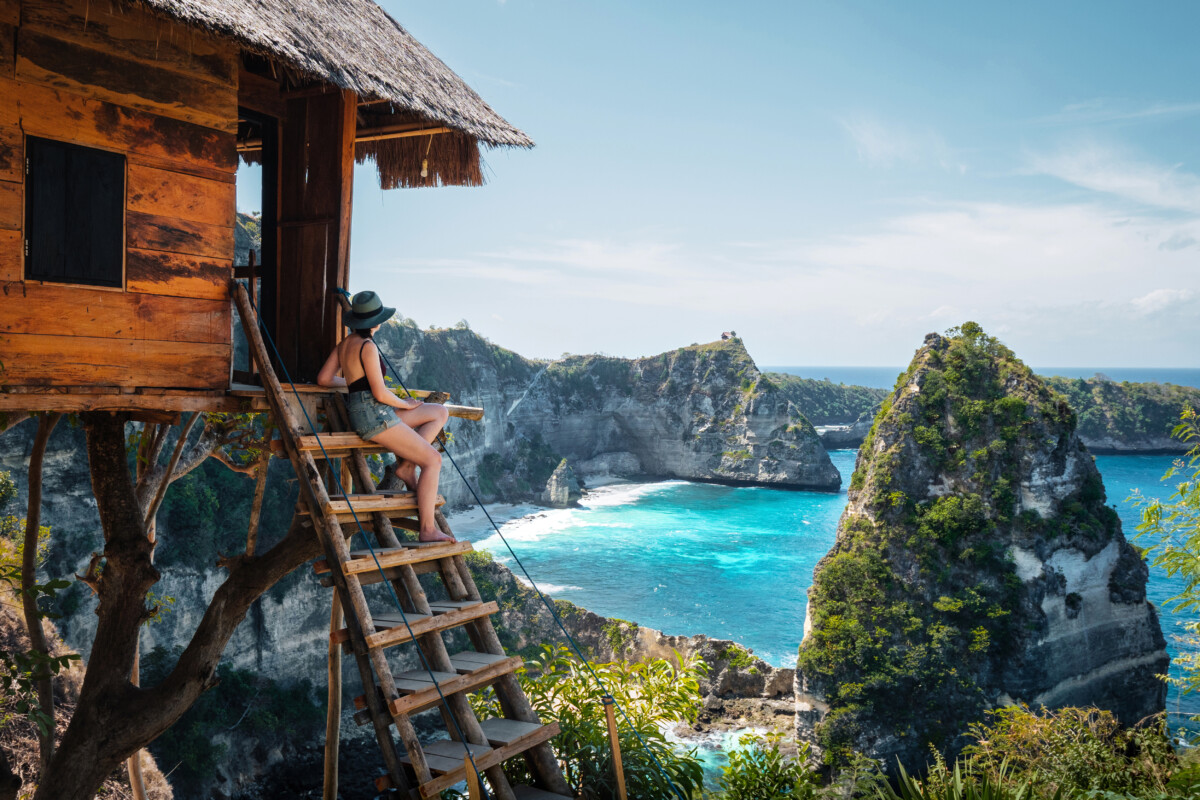
- Photograph Kelingking Beach from the T-Rex viewpoint, swim in Angel's Billabong natural infinity pool at low tide, marvel at Broken Beach's rock arch, snorkel with manta rays at Manta Point, relax at Crystal Bay beach, descend the cliff stairway to Diamond Beach, visit Thousand Islands viewpoint (Pulau Seribu), stay at Tree House (Rumah Pohon) for sunrise views, dive at Crystal Bay's coral wall, and explore Goa Giri Putri cave temple.
Local experiences
- Snorkel with giant oceanic manta rays at Manta Point—an unforgettable encounter in clear blue water—or climb down to the secluded white sand of Kelingking Beach for a rare uncrowded swim beneath the famous cliffs.
Practical tips
- Cash Only: ATMs are very limited—withdraw enough IDR in Bali before crossing.
- Fast Boat: Book a reputable operator (30-45 min from Sanur); seas can be rough in wet season.
- Driver vs Scooter: Roads are steep and rough; a private driver is safer and costs ~$30-40/day.
- Reef-Safe Sunscreen: Required to protect the coral. Bring your own.
- Timing: Arrive early at Kelingking Beach (before 9 AM) to beat tour groups.
- Footwear: Sturdy shoes for cliff hikes; flip-flops won't cut it.
- Water: Drink only bottled water.
Photography tips
- Kelingking Beach is Nusa Penida's most iconic shot—the T-Rex-shaped cliff is best captured from the upper viewpoint in morning light (arrive before 9 AM for fewer people). Angel's Billabong and Broken Beach are best at low tide when the natural pool is most photogenic. Diamond Beach requires a wide-angle lens to capture the dramatic cliff-framed scene. Use a drone for aerial perspectives of the coastline (check local regulations). Crystal Bay sunsets provide warm golden tones over calm water. Underwater housing is essential for snorkeling photography with manta rays.
Timing
- One full day covers the west coast highlights (Kelingking Beach, Angel's Billabong, Broken Beach, Crystal Bay). A second day covers the east side (Diamond Beach, Atuh Beach, Thousand Islands viewpoint, Tree House). Add a third day for manta ray snorkeling or diving and exploring cave temples.
Keeping it authentic
- Nusa Penida remained largely off the tourist radar until the mid-2010s, when Instagram catapulted Kelingking Beach to global fame. The island retains a raw, undeveloped character that Bali lost decades ago: roads are rough, infrastructure is basic, and Hindu temple ceremonies still govern daily rhythm. The surrounding waters are a marine protected area, home to giant manta rays, mola mola (ocean sunfish), and vibrant coral reefs. The island's isolation preserved both its dramatic landscapes and its traditional Balinese village culture.
Culture, customs and safety
Cultural heritage
Nusa Penida preserves authentic Balinese Hindu culture in relative isolation, maintaining ancient temples, traditional villages, and unique dialect distinct from mainland Bali. Pura Goa Giri Putri cave temple demonstrates spiritual significance while coastal temples guard against malevolent spirits. Traditional seaweed farming provides sustainable livelihoods using methods passed through generations. The island maintains stronger adherence to customary adat law and ceremonial obligations. Limited development preserves authentic village life, traditional architecture, and sacred sites creating cultural time capsule.
Local customs & etiquette
Nusa Penida is deeply Hindu, with frequent temple ceremonies. Dress modestly when visiting temples (sarong and sash required—often available to borrow). Remove shoes before entering temple grounds. Don’t point with your index finger; use your thumb or an open palm. Use your right hand when giving or receiving items. During Nyepi (Balinese Day of Silence, usually March), the entire island shuts down—no travel, lights, or noise for 24 hours. Tipping is appreciated but not required.
Safety notes
Nusa Penida’s main risks are natural rather than criminal. The roads are narrow, steep, and poorly maintained—hire a private driver rather than renting a scooter unless experienced. Strong ocean currents make swimming dangerous at many beaches; only swim at Crystal Bay and other designated safe areas. Bring cash from Bali as ATMs are scarce. Cliff edges at viewpoints are unguarded—stay well back. Choose a licensed, reputable fast boat company for the crossing from Bali. Be cautious around monkeys (they snatch belongings) and stray dogs.