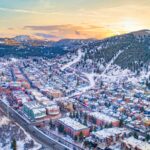
Sundance Film Festival epicenter transforming Main Street’s vibrant Victorian mining cabin architecture into global cinema hub, generating $80 million annually through Egyptian Theatre screenings and festival venues showcasing independent filmmaking within historic mining town restoration. World-class skiing legacy from 2002 Winter Olympics where Deer Valley Resort and Park City Mountain Resort (combined with Canyons Village) hosted major ski-snowboarding events, now delivering year-round mountain recreation across 400+ mile trail networks. Historic mining heritage spanning second-half 19th century when worldwide workers arrived for Summit County silver mine employment, preserved through museum exhibits featuring mine rail cars, old elevators, and mining-to-ski-town transformation documentation. Wasatch Mountains’ breathtaking setting enabling guided dog sled tours through snow-covered forests, Utah Olympic Park’s bobsledding experiences, hot air balloon rides, plus High West—world’s only ski-in, ski-out distillery creating unique mountain dining. Summer mountain transformation into hiking, mountain biking, fishing, camping mecca utilizing nearby state parks and reservoirs, while snowmobiling and Utah Olympic Park’s Alf Engen Ski Museum plus Eccles 2002 Winter Games Museum preserve Olympic legacy. $529.8 million annual Utah economic impact demonstrating this year-round mountain community’s success blending historic Main Street charm with contemporary resort sophistication.
The destination guide
Park City

City in United States, North AmericaUpdated
- Overall6/10
- Best forCouples, Adventure seekers, Luxury travelers
- PeakJan, Feb, Jun, Jul
- CurrencyUSD
Park City hosts Sundance, has two ski resorts connected by a single gondola, and a Main Street lined with galleries that stay open after the lifts close.
Travel guides for Park City
Things to do (1)
Where to stay (2)
More guides featuring Park City (7)
At a glance
- English
- Mountain resort
- Wasatch Range
- Ski terrain
- High desert
- Winter sports and recreation
- Outdoor adventure
- Arts and culture
- Historical exploration
How Park City scores
Character
Editorial scores on a 10-point scale, weighed against destinations of the same kind.
Travel safety snapshot
SafePlace indicators use their source 100-point scale; higher is more favourable. Planning context, not a live travel advisory — check official government guidance before you go.
When to go
Best months to visit: January, February, March, June, July, August, September, October and December.
- January: 23.3 to 28.3 degrees Celsius, 10.6 millimetres of rain, best-time score 5 out of 5.
- February: 23.4 to 30 degrees Celsius, 6.5 millimetres of rain, best-time score 5 out of 5.
- March: 24.3 to 30.9 degrees Celsius, 6.8 millimetres of rain, best-time score 5 out of 5.
- April: 25.4 to 33.4 degrees Celsius, 4.4 millimetres of rain, best-time score 3 out of 5.
- May: 26.8 to 33.1 degrees Celsius, 119.9 millimetres of rain, best-time score 2 out of 5.
- June: 26.4 to 31.7 degrees Celsius, 90 millimetres of rain, best-time score 4 out of 5.
- July: 25.8 to 30.5 degrees Celsius, 145.7 millimetres of rain, best-time score 5 out of 5.
- August: 26.2 to 30.6 degrees Celsius, 155.6 millimetres of rain, best-time score 5 out of 5.
- September: 25.4 to 29.9 degrees Celsius, 172.9 millimetres of rain, best-time score 5 out of 5.
- October: 25.2 to 29.9 degrees Celsius, 98.7 millimetres of rain, best-time score 4 out of 5.
- November: 25.4 to 30.4 degrees Celsius, 37.6 millimetres of rain, best-time score 2 out of 5.
- December: 25 to 29.7 degrees Celsius, 40.6 millimetres of rain, best-time score 5 out of 5.
Month-by-month conditions and packing advice
- January
- Hot and sunny, mostly dry January in Park City: prime ski season with the snowiest slopes and the buzzy Sundance Film Festival, though lodging is pricey. Crowds: January represents peak season in Park City, attracting skiers, snowboarders, and film enthusiasts alike. The combination of reliable snow conditions and the Sundance Film Festival ensures heavy crowd levels and elevated accommodation prices. Slopes are busy, but the snow quality is exceptional, and lift operations are at their most reliable. The cold temperatures demand proper layering, but reward travelers with some of the best skiing conditions in North America. Dining reservations and festival passes book out quickly, so planning ahead is essential. Travelers not interested in winter sports may still enjoy the lively cultural atmosphere, but should prepare for high demand across hotels and restaurants. This is the ideal time for those seeking both alpine adventure and cultural events, though budget-conscious visitors may prefer shoulder months. Pack: Thermal base layers for insulation; Waterproof ski jacket and pants; Wool or synthetic beanie for warmth; Insulated gloves suitable for skiing; Snow boots with good grip for icy streets; Smart casual attire for Sundance Film Festival events
- February
- Hot and sunny, mostly dry February in Park City: peak ski conditions with deep consistent snow and excellent terrain coverage across both resorts. Crowds: February represents peak ski season in Park City, attracting both seasoned skiers and families drawn to the mountain’s varied terrain. The dependable snowpack and sunny days provide excellent conditions for skiing, snowboarding, and winter festivals. With this popularity comes higher lodging prices and fuller restaurants, so advance bookings are essential. Crowds concentrate around the slopes and après-ski hubs, but quieter experiences can be found on snowshoe trails or during early-morning runs. The town itself buzzes with winter energy, offering vibrant nightlife and cultural events that complement daytime activities. For those planning a visit, February is ideal for maximizing snow quality and lively atmosphere, though budget-conscious travelers may find the costs higher compared to early or late season. The clear skies make for excellent photography and visibility on mountain passes, though cold temperatures require attentive layering and preparation. Pack: Insulated ski jacket and waterproof snow pants; Thermal base layers for warmth; Sturdy waterproof snow boots with traction; Warm hat and insulated gloves; UV-protection ski goggles and sunglasses; Moisturizing lip balm and sunscreen for high-altitude sun
- March
- Hot and sunny, mostly dry March in Park City: superb late-season skiing with abundant snow, longer sunnier days, and lively spring-ski energy. Crowds: March offers a transitional experience in Park City. Ski resorts remain open, though snow quality can vary, with mornings bringing firmer, icy runs and afternoons softening into slush. Crowds begin to thin compared to peak January and February, making lift lines shorter and accommodations easier to book at slightly reduced rates. It’s still a popular time for spring breakers, but overall demand is less intense than midwinter. Visitors benefit from longer daylight hours, making après-ski strolls through Main Street more inviting. While outdoor enthusiasts still find excellent skiing and snowboarding opportunities, those preferring cultural and culinary experiences will also enjoy the quieter, shoulder-season atmosphere. Pack: Insulated ski jacket with waterproofing; Thermal base layers for skiing and evenings; High-SPF sunscreen and polarized sunglasses; Waterproof gloves and warm hat; Sturdy snow boots with good grip; Casual layered clothing for après-ski dining
- April
- Hot and sunny, mostly dry April in Park City: spring skiing early in the month gives way to mud season as resorts close, with quiet streets and deals. Crowds: April marks the shoulder season in Park City, falling between the busy winter ski rush and the summer hiking and festival boom. Ski resorts may still have patchy operations depending on snowfall, but the warmer days start drawing hikers and mountain bikers to sunlit trails. Tourist crowds are lighter, and hotel prices are more competitive compared to the winter peak, making this a savvy time for budget-conscious travelers who enjoy wide-open spaces. The warm, dry weather is excellent for exploring historic Main Street, taking scenic drives, or enjoying al fresco dining without the bustle of high season. Visitors should be prepared for some closures of seasonal businesses transitioning between ski and summer operations, but those seeking quieter experiences will find April particularly rewarding. Booking last minute is possible, though securing accommodations with mountain views is still recommended. Pack: Breathable hiking layers for warm days and cool mornings; Light insulated jacket for evenings in the mountains; Sturdy hiking shoes with good grip for thawing trails; High SPF sunscreen and lip balm for high-altitude sun; Reusable water bottle to stay hydrated in dry air; Casual but presentable outfits for dining and cultural events
- May
- Hot and sunny, some rain May in Park City: low mud-season lull with lifts closed, trails muddy, and limited activity between winter and summer. Crowds: May represents the shoulder season in Park City, bridging the end of ski tourism and the arrival of the summer hiking and festival calendar. Warm weather makes outdoor activities like mountain biking, early season hiking, and golf increasingly accessible, though lingering snow may persist on higher trails. Afternoon storms can disrupt plans briefly, so flexibility is key. Crowd levels remain lower than peak winter and summer seasons, meaning hotel rates and rentals are comparatively affordable. It’s an excellent time for travelers who prefer fewer crowds and want to enjoy the transition into summer without the premium prices or congestion. Advance booking isn’t as critical, though accommodations closer to Memorial Day weekend can tighten as summer visitors begin to arrive. Pack: Light breathable clothing for hot afternoons; Waterproof jacket for sudden mountain showers; Comfortable hiking shoes for mixed terrain; Wide-brimmed hat and sunglasses for strong sun; Reusable water bottle to stay hydrated at altitude; Light sweater for cooler mountain evenings
- June
- Hot and sunny, some rain June in Park City: summer season opens with warm days, blooming trails, and great early hiking and mountain biking. Crowds: June represents the start of Park City’s summer tourism season, a period marked by lively festivals, active trails, and longer stays for families escaping urban heat. Weather is excellent for hiking, mountain biking, and outdoor concerts, though mid-day heat can be intense at higher elevations. Rainfall may briefly delay plans, but storms often pass quickly, leaving behind fresh mountain air. As the summer season ramps up, accommodation prices begin to climb from spring’s lower rates, though they typically peak in July and August. Visitors should expect moderate crowds at popular trailheads and downtown events but can still enjoy relative calm compared to the ski season. Booking ahead for festivals and outdoor dining is recommended. Pack: Moisture-wicking shirts and shorts for daytime heat; Light rain jacket for sudden mountain showers; Wide-brimmed hat and polarized sunglasses; Comfortable hiking boots with ankle support; Evening layers such as a light fleece or sweater; Reusable water bottle for hydration at altitude
- July
- Hot and sunny, heavy rain July in Park City: ideal summer with warm days, cool mountain air, hundreds of miles of bike trails, and outdoor concerts. Crowds: July represents peak summer season in Park City, attracting both outdoor adventurers and festival-goers. The weather favors morning hikes, mountain biking, and open-air cultural events, though travelers must anticipate frequent afternoon thunderstorms. Crowds are moderate to high, especially during events like the Park City Kimball Arts Festival at the end of the month. Lodging rates rise due to strong demand, and restaurants and trails can feel busy. While daytime heat is noticeable, the elevation softens extremes, and evenings remain pleasant for al fresco dining. Travelers should plan activities early in the day, carry rain protection, and expect flexible itineraries when storms pass through. Booking accommodations in advance is advisable due to festival traffic and high summer visitation. Pack: Lightweight waterproof jacket for sudden thunderstorms; Breathable hiking clothing suitable for warm days; Sturdy trail shoes with good grip for wet terrain; Wide-brim hat and high-SPF sunscreen for mountain sun; Reusable water bottle to stay hydrated at elevation; Light sweater or fleece for cooler evenings
- August
- Hot and sunny, heavy rain August in Park City: excellent summer conditions with perfect hiking and biking weather and a full calendar of festivals. Crowds: August represents peak summer in Park City, a busy travel period when festivals, mountain biking, and hiking trails draw both locals and visitors. The hot daytime conditions are manageable for outdoor activities early in the morning, while afternoon thunderstorms can disrupt plans and require flexibility. This is not ski season, but chairlifts and gondolas often operate for hikers and bikers. Expect higher accommodation prices and crowded event calendars, particularly during well-known arts and cultural festivals. Travelers benefit from long daylight hours but should plan active excursions early in the day and leave afternoons open for indoor cultural activities, such as galleries, historic site tours, or food experiences. Booking lodging in advance is strongly recommended, as summer remains one of Park City's most popular seasons outside of winter ski holidays. Pack: Breathable hiking clothing for warm conditions; Waterproof jacket for afternoon thunderstorms; Sturdy trail shoes with good grip; Wide-brimmed hat and high-SPF sunscreen; Reusable water bottle for hydration at altitude; Light sweater for cooler evenings after rain
- September
- Hot and sunny, heavy rain September in Park City: ideal early-fall shoulder season with crisp comfortable days, minimal crowds, and golden aspen scenery. Crowds: September is a transitional month in Park City, where summer warmth lingers but the early signs of autumn begin to appear. The heavy rainfall can disrupt outdoor plans, especially hiking or mountain biking, though trails are often more dramatic and lush after storms. This month falls into the shoulder season, meaning fewer crowds compared to the peak of summer and the upcoming ski rush in winter. Lodging prices tend to be more favorable, and restaurants are easier to book. However, visitors should be prepared for sudden weather changes—afternoons might swing from sunny trail conditions to intense thunderstorms. Photography, leaf-spotting, and cultural events such as gallery walks are especially rewarding at this time. Travelers seeking quieter experiences with a mix of summer activities and early autumn atmosphere will find September an appealing compromise. Pack: Waterproof hiking boots for wet and muddy trails; Lightweight rain jacket with hood for sudden downpours; Moisture-wicking shirts for humid and warm afternoons; Layered clothing for cooler evenings in the mountains; UV-protection sunglasses and high SPF sunscreen; Compact umbrella or packable poncho for city strolls
- October
- Hot and sunny, some rain October in Park City: pleasant fall hiking and scenic drives with peak foliage early, quieting toward late-month pre-ski lull. Crowds: October is a transitional period in Park City, positioned between the busy summer adventure season and the highly anticipated ski season. Warm weather supports hiking, mountain biking, and cultural festivals, but ski facilities remain closed until winter conditions arrive. Visitor numbers tend to drop compared to peak summer and winter, translating into lighter crowds and more favorable hotel rates. This makes October ideal for travelers seeking a quieter experience while still enjoying the outdoors. Restaurants, galleries, and local shops remain active, catering to both locals and off-peak visitors. Some businesses may shorten operating hours, but this is offset by more personal service and an authentic small-town feel. Advance bookings are less critical than in December through February, but reservations at popular restaurants are still advisable during weekend events. Pack: Breathable hiking clothing suitable for warm daytime temperatures; Light rain jacket for passing October showers; Sturdy trail shoes for mountain hikes; Reusable water bottle to stay hydrated in higher elevations; Light sweater for cooler evenings on patios; Camera gear to capture fall foliage and golden light
- November
- Hot and sunny, some rain November in Park City: low mud-season transition with limited early-season terrain, though lodging deals appear before ski opening. Crowds: Travelers in November encounter a shoulder season atmosphere in Park City. The warm weather supports late-season hiking, cycling, and cultural festivals before the snow season begins in earnest. Ski resorts prepare for opening, but dependable snow is not yet guaranteed, so winter sports may be limited. This timing means fewer tourist crowds compared to peak summer or winter, and hotel rates are more moderate. The golden light and warm days are ideal for exploring the town’s galleries, farm-to-table dining, and historic mining heritage. However, unpredictable rainfall and the potential for sudden cold snaps require flexibility in outdoor plans. For visitors seeking quieter experiences, November offers a balance of outdoor activity and cultural immersion without the congestion or premium pricing of peak seasons. Pack: Breathable hiking clothing for warm daytime conditions; Light waterproof jacket for sudden rain showers; Comfortable walking shoes suitable for both trails and town; Sun hat and high SPF sunscreen for strong mountain sun; Light sweater or fleece for cooler evenings; Daypack with reusable water bottle and rain cover
- December
- Hot and sunny, some rain December in Park City: ski season ramps up with fresh snow, holiday festivities, and excellent winter conditions. Crowds: December is high season in Park City, drawing visitors from around the world for prime skiing and snowboarding. With fresh snow and consistently cold conditions, slopes are in excellent shape, and winter festivals add cultural charm. However, this popularity brings higher lodging rates and crowded resorts, especially around Christmas and New Year’s. Lift lines can be long, and early bookings are essential to secure accommodation near the slopes. Beyond skiing, visitors can enjoy après-ski culture, winter markets, and cozy dining experiences. While conditions are excellent for winter sports, cold temperatures and altitude require preparation for outdoor comfort. Travelers seeking quieter experiences should consider early December before the holiday rush peaks. Pack: Insulated waterproof ski jacket; Thermal base layers for warmth; Waterproof snow boots with traction; Wool hat and insulated gloves; High-SPF sunscreen and lip balm; Apres-ski casual wear for restaurants and bars
- December
- January
- February
- June
- July
- August
- April
- May
- September
- October
- November
Know before you go
Neighbourhoods
Historic Main Street is the old mining-town core, now a pedestrianised strip of galleries, restaurants, and boutiques inside refurbished 19th-century buildings. The Park City Mountain Resort base area has ski-in/ski-out condos, an in-town gondola, and the Canyons Village connector. Deer Valley Resort on the east side is an upscale, skier-only mountain (no snowboards). Kimball Junction, 5 km north, is the commercial hub with groceries, outlets, and chain hotels.
Best time to visit
The best time to visit Park City is during the winter months (December to March) for skiing and snowboarding, while summer (June to August) is ideal for hiking, mountain biking, and outdoor festivals. Fall (September to November) offers stunning foliage and a quieter atmosphere.
Getting there and around
Getting there
Fly into Salt Lake City International Airport (SLC), 50 km west (35-minute drive via I-80 through Parley’s Canyon). Shuttle companies and private car services run frequent transfers. The Utah Transit Authority (UTA) operates a ski bus from SLC during winter. By car, Park City is a scenic 35-minute drive from downtown Salt Lake City.
Getting around
Park City’s free transit system runs buses between Old Town, the resorts, and Kimball Junction every 10-20 minutes. The Main Street trolley runs the length of Historic Main Street. The Town Lift gondola connects Main Street directly to the ski slopes. Uber and Lyft operate locally. A car is useful for day trips to nearby canyons and the Uinta Mountains but parking is tight in Old Town during peak season.
Top experiences in Park City
Park City Mountain Resort
The largest ski resort in the United States (since merging with The Canyons in 2015), covering 3,300 hectares with 340+ runs, 41 lifts, and terrain ranging from groomed cruisers to extreme bowls. The base area connects to Historic Main Street via the Town Lift gondola. In summer, the resort converts to mountain biking, alpine coasters, and hiking trails. The resort hosted giant slalom, snowboarding, and freestyle events at the 2002 Olympics.
Sundance Film Festival
Founded by Robert Redford in 1978 and held each January, Sundance is the world’s leading independent film festival, premiering documentary, narrative, and short films across multiple Main Street venues and the Egyptian Theatre. The festival draws filmmakers, celebrities, and industry buyers from around the world. Film screenings, panel discussions, and pop-up events transform the town for 10 days. Tickets and packages go on sale in late November.
Historic Main Street & Mining Heritage
A 0.6-km stretch of restored 19th-century mining-era buildings housing over 100 galleries, restaurants, boutiques, and bars. The Park City Museum, in the former territorial jail and city hall, documents the silver-mining boom and bust. Egyptian Theatre (1926) screens films year-round. The street is pedestrian-friendly, with covered boardwalks and public art installations. The Wasatch Brew Pub, Utah’s first brewpub, is a local institution.
Deer Valley Resort
An upscale ski-only resort (no snowboarding permitted) known for groomed corduroy runs, limited ticket sales, and mountain dining at the Silver Lake Lodge and Royal Street Cafe. The resort covers 800+ hectares across six peaks with 103 runs. Deer Valley hosted the 2002 Olympic freestyle moguls, aerials, and slalom events. In summer, the resort offers mountain biking, plein-air concerts, and the Deer Valley Music Festival.
Utah Olympic Park
Built for the 2002 Winter Olympics and still an active US Ski Team training facility, the park features ski jumping towers, a bobsled/luge/skeleton track, and a freestyle aerial training pool. Visitors can ride a bobsled with a professional driver (summer and winter), zip-line off the Nordic ski jump, and tour the Alf Engen Ski Museum. The park also hosts public skiing, tubing, and cross-country trails.
Editor-curated picks carried over from our original guide. Where a full place guide exists, the card links to it.
Worth booking ahead in Park City
Hand-picked from the operators our guides already send readers to. Prices and availability are live on the partner site.
BrowseViator
Tours and tickets in Park City on Viator (opens Viator in a new tab)
Viator's full list of bookable tours and tickets in Park City.
BrowseGetYourGuide
Experiences in Park City on GetYourGuide (opens GetYourGuide in a new tab)
Everything GetYourGuide sells in Park City, with the cancellation terms on each listing.
Where to stayBooking.com
Stays in Park City (opens Booking.com in a new tab)
Live rates and availability for Park City on Booking.com; filter by neighbourhood once you know where your days start.
We earn a commission if you book through these links, at no extra cost to you. It is how we keep the guides free and independent.
Where to stay
St. Regis Deer Valley
2001 Park Ave, Park City, UT 84060
Full-service mountain resort with ski-in/ski-out access, elegant rooms, a world-class spa, heated outdoor pools, and multiple dining venues.
Waldorf Astoria Park City
4000 Canyons Resort Dr, Park City, UT 84098
Contemporary Waldorf Astoria property at Canyons Village with luxury suites, a gondola-adjacent spa, and ski-in/ski-out convenience.
Stein Eriksen Lodge
1295 Deer Valley Dr S, Park City, UT 84060
Intimate luxury lodge at Deer Valley Resort with slope-side access, an award-winning restaurant, heated outdoor pool, and refined mountain ambiance.
Editor-curated stays carried over from our original guide. Where we have reviewed the hotel, the card links to the review.
Tips from the field
Highlights
- World-class ski resorts
- Historic Main Street with Victorian architecture
- Sundance Film Festival
- Olympic legacy from 2002 Winter Games
Best activities
- Skiing and snowboarding at Park City Mountain and Deer Valley Resort
- Hiking and mountain biking in the surrounding mountains
- Exploring Historic Main Street's shops and galleries
- Visiting Utah Olympic Park for winter sports activities
Practical tips
- Use free local bus system for transportation around town
- Book accommodations well in advance for peak ski season and Sundance
- Prepare for altitude adjustment (Park City is at 7,000 feet elevation)
- Bring layers for variable mountain weather
Keeping it authentic
- Historic Main Street preserves the town's mining heritage
- Local museums like Park City Museum offer insight into the area's history
Culture, customs and safety
Cultural heritage
Founded as a silver mining boomtown in 1868, Park City was one of the richest mining districts in the American West—at its peak, over 10,000 miners worked the tunnels beneath Main Street. The mines closed in the early 20th century, and the town nearly became a ghost town before the ski industry revived it in the 1960s. Park City hosted alpine, snowboarding, and bobsled events in the 2002 Winter Olympics. The Sundance Film Festival has been held here annually since 1985, founded by Robert Redford, making it the world’s pre-eminent independent film showcase.
Local customs & etiquette
- Be respectful of the natural environment and follow local guidelines
- Dress appropriately for outdoor activities and the weather
- Tip service staff generously, particularly in restaurants and for guided tours
- Participate in local events and support local artisans and businesses