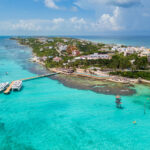
Playa Del Carmen is a stunning coastal city located along the Caribbean Sea in Mexico’s Riviera Maya. Renowned for its beautiful beaches, vibrant nightlife, and rich cultural heritage, it serves as a gateway to ancient Mayan ruins and natural wonders. Visitors can enjoy a mix of relaxation and adventure, with options ranging from snorkeling in cenotes to exploring the nearby island of Cozumel.
The destination guide
Playa Del Carmen

City in Mexico, North AmericaUpdated
- Overall6/10
- Best forCouples, Adventure seekers
- PeakJan, Feb, Mar, Jul
- CurrencyMXN
Playa del Carmen is Cancún’s cooler sibling — Quinta Avenida for the evening stroll, cenotes for the morning swim, and Cozumel a ferry ride away.
Travel guides for Playa Del Carmen
More guides featuring Playa Del Carmen (1)
At a glance
CurrencyMXN
Time zoneCentral Standard Time
Languages
- Spanish
Setting
- Caribbean coast
- Cenote sinkholes
- Sandy beaches
- Tropical nightlife
Known for
- Beach relaxation
- Eco-adventure
- Mayan culture
- Nightlife and entertainment
Population150K150,000 residents
VisaDuration: Up to 180 days as a visitor without paid activities · Documents: Valid passport for the duration of stay and supporting documents requested by Mexican immigration authorities
How Playa Del Carmen scores
6/10OverallFair
Weather9/10
Value for money7/10
Safety5/10
Food & cuisine8/10
Culture & arts6/10
Cultural experience7/10
History7/10
Nature & outdoors9/10
Adventure6/10
Nightlife8/10
Shopping7/10
Family friendly5/10
Romance8/10
Character
Photography score7/10
Authenticity score9/10
Off-the-beaten-path score4/10
Editorial scores on a 10-point scale, weighed against destinations of the same kind.
Travel safety snapshot
Overall60/100Exercise precaution
Women travellers58/100
LGBTQ+ travellers50/100
Theft45/100
Medical care65/100
Physical harm60/100
Political freedom70/100
SafePlace indicators use their source 100-point scale; higher is more favourable. Planning context, not a live travel advisory — check official government guidance before you go.
When to go
Best months to visit: January, February, March, April, May, November and December.
- January: 23 to 25.6 degrees Celsius, 37.3 millimetres of rain, best-time score 5 out of 5.
- February: 23.6 to 26.3 degrees Celsius, 21.1 millimetres of rain, best-time score 5 out of 5.
- March: 24.4 to 26.6 degrees Celsius, 9.8 millimetres of rain, best-time score 5 out of 5.
- April: 25.4 to 27.6 degrees Celsius, 35.2 millimetres of rain, best-time score 5 out of 5.
- May: 26.3 to 29.1 degrees Celsius, 37.5 millimetres of rain, best-time score 4 out of 5.
- June: 27.1 to 28.8 degrees Celsius, 88.9 millimetres of rain, best-time score 3 out of 5.
- July: 27.4 to 29.9 degrees Celsius, 23.3 millimetres of rain, best-time score 3 out of 5.
- August: 27.7 to 30.1 degrees Celsius, 64.5 millimetres of rain, best-time score 3 out of 5.
- September: 27.6 to 30.3 degrees Celsius, 67.3 millimetres of rain, best-time score 2 out of 5.
- October: 26.9 to 29.4 degrees Celsius, 93 millimetres of rain, best-time score 3 out of 5.
- November: 24.9 to 27.7 degrees Celsius, 43.3 millimetres of rain, best-time score 4 out of 5.
- December: 24.5 to 26.9 degrees Celsius, 18.8 millimetres of rain, best-time score 5 out of 5.
Month-by-month conditions and packing advice
- January
- Warm and pleasant, some rain January in Playa Del Carmen: dry-season beaches, cenotes, ruins, diving, and walkable evenings are most reliable. Crowds: January marks high season in Playa del Carmen, drawing visitors escaping northern winters. With warm seas and relatively low rainfall, it’s an excellent month for beach days, cenote swimming, and day trips to Tulum or Chichén Itzá. Expect larger crowds along Quinta Avenida and at major archaeological sites, and higher accommodation rates due to post-holiday travel. Restaurants and nightlife venues are lively, with international and local festivals often coinciding with this season. Booking accommodations and excursions in advance is strongly recommended, as prime beachfront properties and boutique stays fill quickly. Despite peak activity, weather reliability makes January one of the most favorable times for travelers who prioritize comfort, safety, and cultural exploration. Pack: Light cotton and linen outfits for humid warmth; Comfortable sandals and closed shoes for ruins and cenotes; High SPF reef-safe sunscreen for marine preservation; Light rain jacket or compact umbrella for brief showers; Swimwear and quick-dry clothing for beach and cenote visits; Respectful attire for visiting Mayan sites and local churches
- February
- Hot and sunny, mostly dry February in Playa Del Carmen: dry-season beaches, cenotes, ruins, diving, and walkable evenings are most reliable. Crowds: February offers some of the most desirable travel conditions in Playa del Carmen, aligning with the region’s high season. The warm but not overly hot weather makes it perfect for both water-based activities and inland excursions to archaeological and ecological sites. With conditions this favorable, expect higher occupancy at resorts and slightly elevated prices compared to shoulder seasons. Crowds gather at popular beaches and Fifth Avenue, yet the lively atmosphere contributes to the overall experience. It’s also a good month for divers, as visibility in the Caribbean waters is excellent. Travelers should plan ahead for accommodations and tours, as demand remains strong throughout the month. Pack: Breathable cotton and linen clothing for daytime heat; Swimsuit and quick-dry beachwear; Wide-brimmed hat and polarized sunglasses; Reef-safe sunscreen and after-sun aloe; Light jacket or shawl for cooler evenings; Comfortable sandals or water shoes for cenotes and reefs
- March
- Hot and sunny, mostly dry March in Playa Del Carmen: dry-season beaches, cenotes, ruins, diving, and walkable evenings are most reliable. Crowds: March represents one of Playa del Carmen’s most popular travel windows, falling within the dry season. Excellent weather conditions make it prime time for snorkeling, diving in the nearby reef, and exploring Mayan ruins at Tulum or Coba without fear of rain disruptions. With spring break tourism and international travelers escaping colder climates, crowd levels increase significantly, particularly along the beaches and nightlife hubs. Hotel rates and activity prices tend to peak accordingly, so advance booking is strongly recommended. The warmth makes outdoor activities delightful, but travelers should be mindful of sun exposure during midday hours. Despite the higher costs and busier streets, the balance of reliable weather and festive atmosphere ensures March is a rewarding month for both cultural immersion and coastal relaxation. Pack: UV-protective swimwear and reef-safe sunscreen; Light, breathable clothing for daytime heat; Comfortable sandals and sturdy walking shoes; Wide-brimmed hat and polarized sunglasses; Light evening wear for outdoor dining and nightlife; Compact rain poncho for the occasional shower
- April
- Hot and sunny, some rain April in Playa Del Carmen: dry-season beaches, cenotes, ruins, diving, and walkable evenings are most reliable. Crowds: April represents the shoulder season in Playa del Carmen, delivering excellent beach and outdoor conditions without the intense crowds of peak winter months. The warm and mostly dry climate is perfect for snorkeling in cenotes, exploring Mayan archaeological sites, and enjoying the beach clubs along the Riviera Maya. Hotel and flight prices often dip slightly after the busy Easter holidays, offering more value compared to high season. While the heat and humidity are strong, the relative lack of rain ensures that day trips to Tulum, Chichén Itzá, or Cozumel remain easy to plan. Travelers should anticipate higher UV exposure and prepare for strong midday sun. Booking accommodation with air conditioning is advisable, as nights stay warm and humid. For visitors seeking a mix of cultural immersion and leisure under reliable tropical weather, April is an attractive time to visit before the wetter months arrive. Pack: Breathable cotton and linen clothing for hot, humid days; Light rain jacket or poncho for short tropical showers; Wide-brimmed hat and SPF 50+ sunscreen for strong sun; Swimwear and quick-dry beachwear for cenotes and coast; Comfortable sandals or water shoes for uneven terrain; Light scarf or shawl for visiting cultural and sacred sites
- May
- Hot and sunny, some rain May in Playa Del Carmen: shoulder timing can bring value and warm weather before or after peak demand. Crowds: May represents the transition into Playa del Carmen’s wetter season. While still offering plenty of sunshine, humidity and the first waves of tropical rains affect travel comfort. This period falls just outside peak tourist months, so visitors can expect thinner crowds and more competitive hotel rates compared to the winter high season. The heat is consistent, so mornings and late afternoons are best for walking tours or visiting Mayan archaeological sites, while midday hours are better spent swimming or relaxing in shaded areas. Hurricane season has not yet begun, but occasional downpours can briefly disrupt outdoor plans. Travelers benefit from lower costs and quieter beaches, making May a sweet spot for those balancing affordability with favorable weather. Advance booking isn’t as essential as during winter, but securing accommodations with air conditioning and good ventilation remains important for comfort. Pack: Breathable linen or cotton clothing to manage humidity; Wide-brimmed hat and polarized sunglasses; High-SPF reef-safe sunscreen for beach days; Light rain jacket or compact umbrella for tropical showers; Waterproof sandals suitable for wet streets and cenotes; Insect repellent to guard against mosquitoes after rain
- June
- Hot and sunny, some rain June in Playa Del Carmen: heat, humidity, sargassum, or showers require flexible beach plans. Crowds: Travelers in June will find conditions both rewarding and challenging. The hot, humid air and higher chance of rain signal the start of the low season, meaning fewer tourists and more affordable hotel rates compared to winter and spring. This is an excellent time for budget-conscious visitors who want quieter beaches and better deals. However, outdoor activities can be physically demanding due to the heat, so mornings and late afternoons are the best times for exploration. The occasional tropical downpour may temporarily disrupt beach days or tours, but most rainfall clears quickly. Travelers should also be aware that June falls within the early stages of hurricane season in the Caribbean, though major storms are rare at this time. Planning flexible itineraries and staying informed about weather updates is key. Pack: Lightweight breathable clothing to manage humidity; Wide-brimmed hat and polarized sunglasses; High SPF reef-safe sunscreen; Compact travel umbrella or rain poncho; Waterproof sandals or quick-dry footwear; Reusable water bottle with electrolyte tablets
- July
- Hot and sunny, mostly dry July in Playa Del Carmen: heat, humidity, sargassum, or showers require flexible beach plans. Crowds: Traveling in July means encountering Playa del Carmen at the start of its quieter summer period. The heat is strong, but fewer tourists compared to peak winter and spring seasons mean more affordable accommodations and easier access to popular sites. Beaches and resorts are lively but not overcrowded, and tour operators often offer discounts before the heavy rains and hurricane risk of August and September. Water-based activities like snorkeling, diving, and cenote swimming are especially appealing, as the sea is calm and clear. The primary drawback is the humidity, which can be uncomfortable during midday, making siesta-style breaks or shaded cultural explorations advisable. Advance booking isn’t as critical as in high season, but securing beachfront stays early ensures the best value. Pack: Lightweight, breathable cotton or linen clothing; Wide-brimmed hat and polarized sunglasses; High-SPF reef-safe sunscreen; Comfortable sandals suitable for both beach and city streets; Swimwear and quick-dry towel for cenotes and sea excursions; Reusable water bottle with filtration to stay hydrated
- August
- Hot and sunny, some rain August in Playa Del Carmen: heat, humidity, sargassum, or showers require flexible beach plans. Crowds: August is shoulder-to-low season in Playa del Carmen, offering a quieter atmosphere compared to the winter peak months. The hot, humid conditions and regular showers deter some visitors, translating to more affordable hotel rates and less competition for beach space. While excellent for those who prefer a slower pace and cultural immersion, travelers should plan activities around the heat and rain—mornings are best for archaeological site visits, while afternoons are ideal for cenote swims or shaded café stops. Hurricanes are possible during this time of year, though rarely frequent, so flexible itineraries and travel insurance are wise. For budget-conscious visitors who don’t mind tropical humidity, August provides rewarding access to both the Caribbean coast and nearby Mayan heritage with thinner crowds. Pack: Lightweight, breathable clothing to handle high humidity; Swimwear and quick-dry towel for beaches and cenotes; Compact rain jacket or poncho for sudden showers; Comfortable sandals and water-friendly footwear; High SPF reef-safe sunscreen and insect repellent; Wide-brimmed hat and polarized sunglasses for sun protection
- September
- Hot and sunny, some rain September in Playa Del Carmen: peak storm-season risk makes this less balanced for beach-first travel. Crowds: September represents Playa del Carmen’s low season, largely due to the hot, humid weather and potential for tropical storms. For budget-conscious travelers, this is an excellent time, as hotel rates and tour prices drop significantly compared to the winter high season. Beaches, archaeological sites like Tulum and Cobá, and cenotes are far less crowded, offering a more relaxed and authentic experience. However, the heat and humidity may be uncomfortable for those unaccustomed to tropical climates, and afternoon storms can briefly interrupt outdoor plans. This period favors travelers who prefer slower rhythms, spontaneous explorations, and quieter cultural immersion rather than high-energy resort crowds. Booking flexibility is advised, with awareness of weather-related changes to activities or transport. For those who can adapt, September offers both savings and intimacy with the local setting. Pack: Lightweight, quick-dry clothing for humid conditions; Waterproof sandals for beach and cenote visits; Compact travel umbrella or rain poncho; High SPF reef-safe sunscreen; Insect repellent for jungle and cenote areas; Wide-brimmed hat and polarized sunglasses
- October
- Hot and sunny, some rain October in Playa Del Carmen: heat, humidity, sargassum, or showers require flexible beach plans. Crowds: Travelers visiting Playa del Carmen in October encounter a shoulder-season sweet spot. While it remains technically part of hurricane season, the majority of days are sunny with only passing showers. This keeps beaches open and cenotes refreshing for swimming. Tourist crowds are notably thinner compared to winter’s high season, which translates to more relaxed access to cultural sites and lower hotel and tour rates. Visitors can expect vibrant local festivals tied to autumn traditions and less competition for prime dining spots along Fifth Avenue. Though occasional storms may alter plans, flexibility rewards visitors with an immersive experience free of peak-season congestion. Those seeking a balance between affordability, warmth, and cultural depth often find October one of the most rewarding months to explore the Riviera Maya. Pack: Lightweight, breathable clothing suitable for humid conditions; Compact rain jacket or poncho for sudden showers; Waterproof sandals or quick-dry shoes; High-SPF reef-safe sunscreen and sunglasses; Insect repellent for evenings and jungle excursions; Swimwear and quick-dry towel for cenote and beach outings
- November
- Hot and sunny, some rain November in Playa Del Carmen: shoulder timing can bring value and warm weather before or after peak demand. Crowds: November marks the beginning of the dry season in Playa del Carmen, making it one of the best times to visit. The combination of warm temperatures, relatively low rainfall, and reduced hurricane risk sets ideal conditions for outdoor exploration. This period falls just before the peak holiday rush in December, meaning visitor numbers are moderate and hotel prices slightly lower than the winter high season. Travelers can enjoy less crowded beaches, easier access to cultural sites like Tulum and Chichén Itzá, and lively yet not overwhelming nightlife. Conditions are excellent for scuba diving, cenote swimming, and day trips to Cozumel. Booking accommodations and excursions in advance is advisable as demand begins to ramp up toward late November with Thanksgiving holidays attracting North American travelers. Pack: Breathable cotton or linen clothing for humid conditions; Swimsuit and quick-dry beachwear for cenotes and the sea; Light rain jacket or compact umbrella for tropical showers; Comfortable sandals and walking shoes for ruins and city streets; High SPF reef-safe sunscreen and sunglasses; Mosquito repellent suitable for tropical climates
- December
- Hot and sunny, mostly dry December in Playa Del Carmen: dry-season beaches, cenotes, ruins, diving, and walkable evenings are most reliable. Crowds: December marks the peak travel season in Playa del Carmen, driven by holiday vacations and perfect beach weather. Accommodation prices are among the highest of the year, and popular attractions such as cenotes, archaeological sites, and beaches experience larger crowds. However, the reward is near-flawless conditions for diving, snorkeling, and day trips to Cozumel or Tulum, as rain is minimal and skies are consistently clear. Evening temperatures remain warm enough for dining outdoors, though reservations should be made well in advance due to demand. While the region buzzes with energy, visitors should budget for elevated costs and book early for tours or lodging. The season’s festive spirit, coupled with the comfortable climate, makes December one of the most desirable—though busiest—times to experience the Riviera Maya. Pack: Light cotton or linen outfits for hot days; Swimsuits and quick-dry beachwear; Reef-safe sunscreen and polarized sunglasses; Comfortable sandals and walking shoes for excursions; Light shawl or cover-up for breezy evenings; Snorkel gear or water shoes for reef and cenote visits
Peak season
- December
- January
- February
- March
- July
- August
Off-peak
- September
- October
- April
- May
- June
- November
Know before you go
About
Playa del Carmen, on Mexico’s Caribbean coast in Quintana Roo, is the lively heart of the Riviera Maya and the seat of Solidaridad municipality, with about 305,000 residents as of the 2020 census after years of explosive growth. Once the Maya settlement of Xaman Ha, a pilgrimage gateway to the island of Cozumel, it remained a sleepy fishing spot until its first dock was built in 1970. Today its spine is Quinta Avenida, or Fifth Avenue, a pedestrian strip of shops, bars and restaurants running parallel to the beach. Ferries cross from the waterfront to Cozumel, one of the world’s premier scuba-diving destinations, while eco-parks like Xcaret and the ruins of Tulum lie nearby. Playa pairs white-sand beaches with one of Latin America’s fastest-growing tourist scenes.
Neighbourhoods
Quinta Avenida (Fifth Avenue) is the pedestrian-only spine of the city, stretching 20+ blocks with restaurants, shops, clubs, and street performers. Playacar to the south is a gated resort and residential community with an 18-hole golf course and Xcaret’s archaeological park. The north end of town (28th Street and above) is quieter, with boutique hotels and fewer crowds. Calle 12 and Calle 38 are emerging foodie strips. The beach itself runs the length of the town, widest near Mamitas and Kool beach clubs.
Best time to visit
The best time to visit Playa Del Carmen is from December to April when the weather is warm and dry, making it ideal for beach activities. The summer months can be hot and humid, while the rainy season typically occurs from May to October, with occasional storms.
Getting there and around
Getting there
Fly into Cancun International Airport (CUN), 68 km north. ADO buses and shared shuttles run to Playa in about 1 hour. Private transfers take 45 minutes. From Merida, ADO buses run 4.5 hours. From Tulum, the colectivo takes about 1 hour. The Ultramar and Winjet ferries connect Playa del Carmen to Cozumel in 45 minutes.
Getting around
Fifth Avenue and the city centre are walkable. Colectivo minivans run along Highway 307 between Cancun, Playa del Carmen, and Tulum (MXN 50-80). ADO first-class buses connect major cities from the bus terminal on Quinta Avenida. Taxis are metered in theory but agree on a fare before boarding. Rental cars are useful for cenote-hopping and day trips to Coba or Sian Ka’an. Ferries to Cozumel depart from the Playa del Carmen pier every 30-60 minutes.
Top experiences in Playa Del Carmen
Cenotes (Dos Ojos, Gran Cenote, Cenote Azul)
The Yucatan Peninsula is underlain by a limestone karst platform riddled with thousands of cenotes—sinkholes filled with crystal-clear freshwater connected by underground rivers. Dos Ojos (Two Eyes) is a twin-cavern system popular for snorkelling and scuba diving, with visibility exceeding 30 metres. Gran Cenote near Tulum features stalactites, turtles, and a jungle setting. Cenote Azul, 30 minutes south of Playa, is an open-air swimming hole ideal for families.
Tulum Ruins
A walled Maya city perched on 12-metre cliffs above the Caribbean Sea, 65 km south of Playa del Carmen. The Castillo overlooks a white-sand cove; El Templo de los Frescos retains original blue and red murals depicting the god of rain. Tulum served as a trading port from the 13th to 15th centuries, one of the last Maya cities occupied at the time of Spanish contact. Arrive at opening (8:00 AM) to beat the crowds.
Cozumel Island & Reefs
Mexico’s largest Caribbean island, 18 km offshore, is surrounded by the Mesoamerican Barrier Reef—the second largest in the world. The Palancar Reef and Columbia Reef are world-class dive sites with wall dives dropping to 30+ metres, coral formations, nurse sharks, eagle rays, and sea turtles. Non-divers can snorkel at Chankanaab National Park or explore the island’s eastern coastline by scooter.
Xcaret Park
An eco-archaeological theme park at the southern edge of Playa del Carmen, combining a Maya archaeological site, underground rivers (visitors float through limestone caverns), a coral reef aquarium, a butterfly pavilion, a jaguar den, and an evening show featuring pre-Hispanic ball games and a recreation of Mexico’s Day of the Dead. The park covers 80 hectares of tropical forest and coastline.
Quinta Avenida & Nightlife
Fifth Avenue is the city’s pedestrian-only high street, running 20+ blocks parallel to the beach. By day, shops sell hammocks, silver jewellery, and Mexican artisan goods. By night, rooftop bars, taco stands, and clubs like Coco Bongo (a Cirque-du-Soleil-style nightclub) take over. Sunday evening features a street-art fair and live music near the main plaza. The avenue is at its liveliest between Calles 8 and 14.
Editor-curated picks carried over from our original guide. Where a full place guide exists, the card links to it.
Worth booking ahead in Playa Del Carmen
Hand-picked from the operators our guides already send readers to. Prices and availability are live on the partner site.
BrowseViator
Tours and tickets in Playa Del Carmen on Viator (opens Viator in a new tab)
Viator's full list of bookable tours and tickets in Playa Del Carmen.
BrowseGetYourGuide
Experiences in Playa Del Carmen on GetYourGuide (opens GetYourGuide in a new tab)
Everything GetYourGuide sells in Playa Del Carmen, with the cancellation terms on each listing.
Where to stayBooking.com
Stays in Playa Del Carmen (opens Booking.com in a new tab)
Live rates and availability for Playa Del Carmen on Booking.com; filter by neighbourhood once you know where your days start.
We earn a commission if you book through these links, at no extra cost to you. It is how we keep the guides free and independent.
Where to stay
Hotel Xcaret Arte
Carretera Chetumal-Puerto Juárez Km 282, Xcaret, 77710, MX
All-inclusive adults-only resort with exceptional design, multiple gourmet restaurants, infinity pools with ocean views, and unlimited access to Xcaret parks.
Riu Palace Riviera Maya
Playacar, Playa del Carmen, 77710, MX
Beachfront resort in the gated Playacar community with multiple pools, spacious rooms, excellent restaurants, and a family-friendly atmosphere.
Meliora by Bunik
Calle 38 Norte bis, Centro, 77710, Playa del Carmen, MX
Central boutique hotel on Fifth Avenue with modern facilities, comfortable rooms, a rooftop pool and terrace, and walkable access to everything.
Editor-curated stays carried over from our original guide. Where we have reviewed the hotel, the card links to the review.
Tips from the field
Highlights
- Beautiful Caribbean beaches
- Vibrant nightlife and shopping on 5th Avenue
- Proximity to ancient Mayan ruins
- Adventure parks like Xcaret and Xplor
Best activities
- Snorkeling in cenotes like Chaak Tun
- Exploring eco-parks like Xcaret and Xplor
- Walking along the vibrant 5th Avenue
- Visiting the 3D Museum of Wonders
Practical tips
- Currency: Mexican Peso (MXN); USD accepted but at poor rates.
- Getting There: Cancún Airport (CUN) via ADO bus (220 MXN, 1 hour) or private transfer.
- Transportation: 5th Avenue (la Quinta) is pedestrian — walking is the main way to explore. ADO buses to Tulum and Cancún. Ferries to Cozumel (from 150 MXN). Colectivos (shared vans) for budget travel along the coast.
- Dining: Tacos and Mexican street food from 15-30 MXN each. 5th Avenue has international dining (-40 USD). 30th Avenue has better-value local restaurants.
- Free Attractions: 5th Avenue walking, beach access (public beaches between resorts), watching the ferry port at sunset.
- Tipping: 10-15% at restaurants
- Electricity: 120V/60Hz, Type A/B plugs
Keeping it authentic
- Visit local markets for authentic Mexican crafts and foods
- Explore the less touristy areas like Parque La Ceiba for a more genuine experience
Culture, customs and safety
Cultural heritage
Before the tourism boom, Playa del Carmen was a small fishing village and the departure point for Maya pilgrims crossing to Cozumel’s shrine of Ixchel, the goddess of fertility. The Xcaret archaeological site at the southern edge of the city preserves the ancient Maya port of Pole. The Riviera Maya region contains some of the most important Maya sites in Mesoamerica: Tulum (a coastal fortress), Coba (a massive inland city with a climbable pyramid), and Chichen Itza (2.5 hours west, one of the New Seven Wonders of the World).
Local customs & etiquette
- Greet locals with a friendly “Hola” and a smile
- Respect the local customs and traditions, especially in indigenous areas
- It is customary to tip service staff around 10-15%
- Participate in local events and support local artisans
Safety notes
Playa del Carmen requires awareness despite being a popular tourist destination.
General Safety:
• The tourist zone along 5th Avenue is generally safe and well-patrolled
• Avoid venturing into less-touristed areas after dark
• Follow local news and travel advisories
Beach Safety:
• Sargassum seaweed can impact beaches seasonally (May-September)
• Check flag warnings for swimming conditions
Health:
• Drink bottled water only
• Use insect repellent
Emergency number: 911