

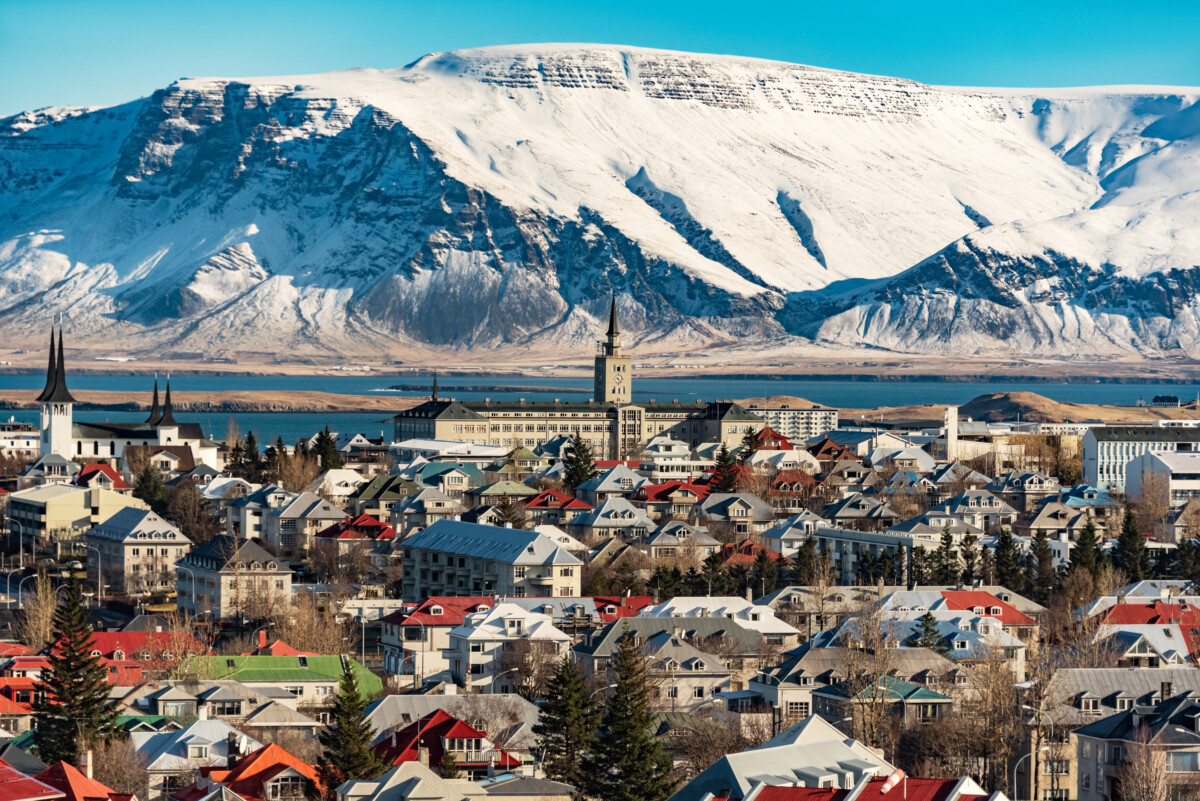
Reykjavik, the capital of Iceland, is a vibrant city known for its modernist architecture, rich history, and stunning natural surroundings. With its colorful houses, lively arts scene, and proximity to breathtaking landscapes, Reykjavik offers a unique blend of urban and outdoor experiences. Visitors can explore the famous Hallgrímskirkja church, enjoy the bustling Harpa Concert Hall, and take part in the city’s thriving nightlife.
The destination guide
Reykjavik
Travel guides for Reykjavik
Itineraries & day trips (1)
Where to stay (1)
More guides featuring Reykjavik (25)
At a glance
CurrencyISK
Time zoneGreenwich Mean Time
Languages
- Icelandic
Setting
- Volcanic landscape
- Geysers
- Glaciers
- Northern lights
- Hot springs
Known for
- Natural Wonders
- Geothermal Spas
- Northern Lights
- Road Trips.
Population131K131,136 residents
VisaDuration: Up to 90 days within any 180-day period in the Schengen Area · Documents: Valid passport issued within the last 10 years and valid for at least 3 months after planned departure, plus proof of accommodation, onward or return travel, and sufficient funds if requested
How Reykjavik scores
9/10OverallExcellent
Weather4/10
Value for money5/10
Food & cuisine7/10
Culture & arts6/10
Cultural experience7/10
Nature & outdoors9/10
Adventure6/10
Nightlife7/10
Shopping6/10
Family friendly5/10
Romance8/10
Editorial scores on a 10-point scale, weighed against destinations of the same kind.
Travel safety snapshot
Overall97/100High rating
Women travellers96/100
LGBTQ+ travellers95/100
Theft96/100
Medical care92/100
Physical harm95/100
Political freedom90/100
SafePlace indicators use their source 100-point scale; higher is more favourable. Planning context, not a live travel advisory — check official government guidance before you go.
When to go
Best months to visit: February, March, May, June, July, August, September, October and December.
- January: -3 to 1.3 degrees Celsius, 52.4 millimetres of rain, best-time score 3 out of 5.
- February: -1.3 to 2.9 degrees Celsius, 62.4 millimetres of rain, best-time score 4 out of 5.
- March: -1.2 to 2.9 degrees Celsius, 54.6 millimetres of rain, best-time score 4 out of 5.
- April: 2.3 to 6.4 degrees Celsius, 43.8 millimetres of rain, best-time score 3 out of 5.
- May: 4.1 to 8.8 degrees Celsius, 38.6 millimetres of rain, best-time score 4 out of 5.
- June: 7.1 to 12.3 degrees Celsius, 30.2 millimetres of rain, best-time score 5 out of 5.
- July: 8.1 to 13.6 degrees Celsius, 27.9 millimetres of rain, best-time score 5 out of 5.
- August: 8.4 to 12.9 degrees Celsius, 61.9 millimetres of rain, best-time score 5 out of 5.
- September: 5.6 to 10.4 degrees Celsius, 29.8 millimetres of rain, best-time score 5 out of 5.
- October: 3.4 to 7.6 degrees Celsius, 30 millimetres of rain, best-time score 4 out of 5.
- November: 1 to 4.3 degrees Celsius, 44.8 millimetres of rain, best-time score 3 out of 5.
- December: -2.7 to 1.2 degrees Celsius, 30.3 millimetres of rain, best-time score 4 out of 5.
Month-by-month conditions and packing advice
- January
- Cold weather, some rain January in Reykjavik: short daylight or transition weather narrows outdoor flexibility. Crowds: January is part of Iceland’s off-peak tourist season, offering fewer crowds and more intimate experiences at popular sites like the Golden Circle and Blue Lagoon. Despite cold weather and limited daylight, it’s an ideal time for Northern Lights tours and winter adventures like glacier hiking. Roads can be icy, and some remote areas may be inaccessible, but city attractions remain open. Accommodation prices tend to be lower than in summer, making it budget-friendlier for travelers ready to embrace the winter chill. Pack: Insulated, waterproof winter jacket; Thermal base layers for warmth; Waterproof boots with good traction; Warm hat and insulated gloves; Neck gaiter or scarf to block wind; Headlamp for low-light outdoor activities
- February
- Cold weather, some rain February in Reykjavik: aurora-season or shoulder timing can be rewarding with weather and daylight tradeoffs. Crowds: February is part of Reykjavik’s off-peak season, attracting adventurers eager to experience Iceland’s winter wonders without the summer crowds. Conditions are ideal for Northern Lights tours, glacier hikes, and exploring ice caves. While daylight is limited to about 7-9 hours, the soft, golden quality enhances photography. Winter festivals like Þorrablót offer cultural immersion. Travel costs are generally lower, but weather-related delays are possible. Dress warmly and allow flexibility in your itinerary. Pack: Insulated waterproof jacket; Thermal base layers; Waterproof boots with good traction; Warm hat and gloves; Wool socks for extra warmth; Portable power bank for cold weather battery drain
- March
- Cold weather, some rain March in Reykjavik: aurora-season or shoulder timing can be rewarding with weather and daylight tradeoffs. Crowds: March offers a quieter, more serene travel experience in Reykjavik, with fewer tourists compared to the peak summer months. While cold and sometimes wet, the weather remains manageable for those prepared for winter conditions. This shoulder season often means more affordable accommodation rates and less crowded attractions. Activities like visiting geothermal hot springs, exploring ice caves, and chasing the Northern Lights are at their prime. Some rural roads may still be snow-covered, limiting access to remote areas, but city-based tours and cultural events remain fully accessible. Pack: Insulated, waterproof winter jacket; Thermal base layers for warmth; Water-resistant boots with good grip for icy streets; Warm hat and insulated gloves; Wool socks to keep feet dry and cozy; Reusable water bottle to stay hydrated in dry indoor air
- April
- Cold weather, some rain April in Reykjavik: short daylight or transition weather narrows outdoor flexibility. Crowds: April is considered shoulder season in Reykjavik, offering fewer tourists and more affordable accommodations compared to the summer peak. While colder conditions persist, the weather is manageable for outdoor activities like city walking tours, visits to geothermal spas, and exploring natural wonders such as Thingvellir National Park. Some highland roads remain inaccessible due to snow, but coastal and lowland attractions are fully reachable. The blend of winter remnants and early spring growth provides unique photo opportunities. Pack: Insulated waterproof jacket for cold rain; Warm hat and gloves for brisk coastal winds; Layered thermal clothing for temperature shifts; Water-resistant hiking boots for wet terrain; Compact umbrella for sudden rain showers; Swimsuit for geothermal hot springs
- May
- Cool weather, some rain May in Reykjavik: aurora-season or shoulder timing can be rewarding with weather and daylight tradeoffs. Crowds: May marks the start of Reykjavik's shoulder season, offering a perfect balance of fewer crowds and increasing daylight hours. Outdoor activities like whale watching, exploring geothermal hot springs, and hiking are popular, thanks to the mild weather and extended daylight. While it's not peak tourist season, expect moderate accommodation prices and more availability compared to summer. Rain showers can occur unpredictably, so flexible travel plans are advisable. The cool temperatures make it ideal for active exploration without the extremes of winter cold. Pack: Waterproof jacket to handle sudden rain showers; Layered clothing for fluctuating temperatures; Comfortable waterproof shoes for urban and light outdoor exploration; Warm hat and gloves for chilly mornings and evenings; Quick-dry travel towel for hot springs visits; Compact umbrella for light, intermittent rain
- June
- Cool weather, some rain June in Reykjavik: long daylight, road trips, festivals, whale watching, geothermal pools, and Golden Circle access are strongest. Crowds: June marks the start of Reykjavik’s peak tourist season, with mild temperatures and extended daylight perfect for sightseeing, hiking, and whale watching. The city buzzes with cultural events like the Reykjavik Arts Festival. Although it’s busier, the lively atmosphere adds charm. Accommodations are in high demand, so booking early is advised. Mild rain is common, but rarely disruptive to outdoor plans. Pack: Waterproof jacket for light rain; Warm layers for cool mornings and evenings; Comfortable walking shoes for varied terrain; Beanie or light hat for chilly breezes; Reusable water bottle for outdoor excursions; Camera with extra batteries for long daylight hours
- July
- Cool weather, some rain July in Reykjavik: long daylight, road trips, festivals, whale watching, geothermal pools, and Golden Circle access are strongest. Crowds: July marks Reykjavik's peak tourist season, with its mildest weather conditions ideal for outdoor adventures like whale watching, puffin tours, and exploring natural wonders such as Þingvellir National Park. While rain showers are common, they’re generally brief and won’t significantly disrupt plans. Expect bustling crowds at popular spots and higher accommodation prices. Advance bookings are recommended for tours and hotels. Pack: Waterproof jacket for sudden rain showers; Warm layers including fleece or wool; Comfortable waterproof hiking shoes; Hat and sunglasses for long daylight exposure; Light gloves for chilly evenings; Travel umbrella for occasional rain
- August
- Cool weather, some rain August in Reykjavik: long daylight, road trips, festivals, whale watching, geothermal pools, and Golden Circle access are strongest. Crowds: August sits within Reykjavik's peak tourist season, offering mild temperatures perfect for outdoor adventures such as hiking, whale watching, and city strolls. While the weather is unpredictable with occasional rain showers, the long daylight hours—up to 16—maximize sightseeing opportunities. Tourist spots can be busy, and accommodation prices remain on the higher side. Booking in advance is recommended. The chance to catch the early whispers of the Northern Lights adds to August's allure, though sightings are rare this early in the season. Pack: Waterproof jacket with a hood for rain protection; Layers including thermal base layers for fluctuating temperatures; Sturdy, waterproof hiking boots for rugged terrain; Warm hat and gloves for chilly evenings; Compact umbrella or rain poncho; Comfortable clothing suitable for layering
- September
- Cool weather, some rain September in Reykjavik: long daylight, road trips, festivals, whale watching, geothermal pools, and Golden Circle access are strongest. Crowds: September is part of Iceland’s shoulder season, offering fewer crowds and more affordable accommodations compared to the summer peak. The weather is cool but manageable, making it ideal for exploring Reykjavik’s cultural sites and venturing into nature. Roads remain accessible for day trips, and it's one of the first months when travelers might catch glimpses of the Northern Lights. However, shorter days and unpredictable weather require flexible travel plans. Pack: Waterproof jacket with a hood; Warm layers including fleece or wool; Sturdy waterproof hiking boots; Thermal base layers for added warmth; Hat and gloves for chilly mornings and evenings; Compact umbrella for sudden rain showers
- October
- Cool weather, some rain October in Reykjavik: aurora-season or shoulder timing can be rewarding with weather and daylight tradeoffs. Crowds: October in Reykjavik marks the shoulder season, offering fewer crowds and more affordable accommodations compared to the summer peak. While cooler temperatures and shorter days may limit extensive outdoor activities, it’s an ideal time for travelers seeking a quieter, more atmospheric experience. Popular activities include soaking in geothermal hot springs, exploring cultural sites like Hallgrímskirkja and Harpa Concert Hall, and joining Northern Lights tours. Some highland routes may start closing due to early snowfall, so plan accordingly. Pack: Insulated waterproof jacket for chilly, damp conditions; Warm layers including thermal shirts and fleece sweaters; Water-resistant hiking boots for wet, uneven terrain; Wool hat and gloves to combat the cold wind; Compact umbrella for occasional rain showers; Swimwear for geothermal hot springs like the Blue Lagoon
- November
- Cold weather, some rain November in Reykjavik: short daylight or transition weather narrows outdoor flexibility. Crowds: November marks the shoulder season in Reykjavik, with fewer tourists compared to the summer months. This translates to quieter attractions and more affordable accommodation rates. The cold weather and short daylight hours limit extended outdoor activities, but it’s an ideal time for geothermal spa visits, exploring cozy cafes, and hunting the Northern Lights. Roads may be icy, affecting travel plans, especially for those venturing beyond the city. Booking tours in advance is recommended, particularly for aurora excursions. Pack: Thermal base layers for warmth; Waterproof and windproof jacket; Insulated gloves and warm hat; Sturdy, waterproof boots with good grip; Wool sweaters for added insulation; Headlamp or flashlight for dark hours
- December
- Cold weather, some rain December in Reykjavik: aurora-season or shoulder timing can be rewarding with weather and daylight tradeoffs. Crowds: Winter in Reykjavik offers a truly magical experience, perfect for travelers seeking snowy landscapes, Northern Lights sightings, and cozy cultural experiences. December marks the peak of the winter season, with festive Christmas markets, holiday lights, and traditional Icelandic celebrations creating a charming atmosphere. While tourism is steady, it’s not overly crowded, and prices are moderate compared to the summer peak. Weather conditions may affect road travel, especially in rural areas, so plan accordingly for tours and transportation. Pack: Thermal base layers for warmth; Waterproof, insulated jacket for snow and rain; Sturdy, waterproof boots with good grip; Warm hat, gloves, and scarf for wind protection; Wool socks to keep feet warm and dry; Headlamp or flashlight due to limited daylight
Peak season
- June
- July
- August
Off-peak
- November
- December
- February
Know before you go
Best time to visit
June to August, October to March
Season by season
Summer (June-Aug) brings the Midnight Sun with endless daylight; Winter (Oct-April) offers the best chance to see the Northern Lights and explore ice caves, but has very short days.
Crowds
Moderate to High
Getting there and around
Getting there
Keflavík International Airport (KEF) is 50 km from the city center. The Flybus shuttle departs 35-40 minutes after each flight arrival and takes about 45 minutes to the BSÍ bus terminal. Direct flights arrive from major European cities and several North American hubs (New York, Boston, Toronto, Seattle). Icelandair and PLAY are the main carriers. No train or ferry passenger service to Iceland.
Getting around
The city center is compact and walkable — Hallgrímskirkja, Harpa, the Sun Voyager, and most restaurants are within a 15-minute walk. The Strætó bus system covers the greater Reykjavik area (runs on renewable energy). The Reykjavik City Card (24/48/72 hours) covers unlimited buses, thermal pools, and museum entry. Hopp electric scooters are available via app. Taxis are metered but not commonly hailed on the street. Car rental is recommended for day trips (Golden Circle, Blue Lagoon, South Coast) but unnecessary within the city.
Top experiences in Reykjavik
Hallgrímskirkja
Landmark
Blue Lagoon
Culture
Golden Circle
Spa
Perlan Museum
Museum
Sun Voyager Sculpture
Sculpture
Editor-curated picks carried over from our original guide. Where a full place guide exists, the card links to it.
Worth booking ahead in Reykjavik
Hand-picked from the operators our guides already send readers to. Prices and availability are live on the partner site.
BrowseViator
Tours and tickets in Reykjavik on Viator (opens Viator in a new tab)
Viator's full list of bookable tours and tickets in Reykjavik.
BrowseGetYourGuide
Experiences in Reykjavik on GetYourGuide (opens GetYourGuide in a new tab)
Everything GetYourGuide sells in Reykjavik, with the cancellation terms on each listing.
Where to stayBooking.com
Stays in Reykjavik (opens Booking.com in a new tab)
Live rates and availability for Reykjavik on Booking.com; filter by neighbourhood once you know where your days start.
We earn a commission if you book through these links, at no extra cost to you. It is how we keep the guides free and independent.
Where to stay
Hotel Reykjavík Saga
Luxury Hotel – High-End
The Reykjavik EDITION
Boutique Hotel – Mid-Range
Kvosin Downtown Hotel
Pod Hostel – Budget
Editor-curated stays carried over from our original guide. Where we have reviewed the hotel, the card links to the review.
Tips from the field
Highlights
- The imposing, basalt-column inspired architecture of Hallgrímskirkja and the otherworldly, milky-blue geothermal waters of the Blue Lagoon.
Best activities
- Taking the elevator up Hallgrímskirkja for city views, soaking in geothermal waters at the Blue Lagoon, and taking a day tour of the Golden Circle.
Local experiences
- Try a classic Icelandic hot dog (pylsa) from the famous Bæjarins Beztu Pylsur stand, highly recommended by locals and visitors alike.
Practical tips
- The weather changes constantly
- dressing in waterproof, windproof layers is essential regardless of the season. Pre-book the Blue Lagoon well in advance.
Photography tips
- A sturdy tripod is essential for capturing the Northern Lights in winter, as well as for photographing waterfalls on the Golden Circle with slow shutter speeds.
Timing
- 1-2 days is enough for Reykjavik itself, but most travelers use it as a 3-5 day base for excursions like the Golden Circle and South Coast.
Keeping it authentic
- Reykjavik is the world's northernmost capital, serving as the gateway to Iceland's dramatic volcanic landscapes while maintaining a quirky, vibrant urban culture.
Culture, customs and safety
Cultural heritage
Reykjavik preserves Nordic heritage through colorful corrugated iron architecture, Viking settlement history, and distinctive Icelandic cultural renaissance. Hallgrímskirkja church modernist design echoes basalt formations while traditional turf houses demonstrate historic building methods. The city maintains strong literary traditions as UNESCO City of Literature with highest books-per-capita globally. Geothermal culture from hot springs to heated sidewalks defines daily life. Contemporary music scene from Björk to Sigur Rós represents cultural innovation while preserving Icelandic language and saga traditions.
Safety notes
Iceland consistently ranks as one of the safest countries globally. The main dangers are natural: unpredictable weather, rogue waves on beaches, and slippery winter driving conditions.


Activities