MenuClose

The destination guide

Saalbach

Resort Area in Austria, EuropeUpdated

  • Overall6/10
  • Best forCouples, Adventure seekers, Solo travelers
  • PeakJul–Aug
  • CurrencyEUR

Saalbach-Hinterglemm connects 270km of ski runs across a valley in the Austrian Alps — the Skicircus lives up to its name with après-ski that matches the terrain.

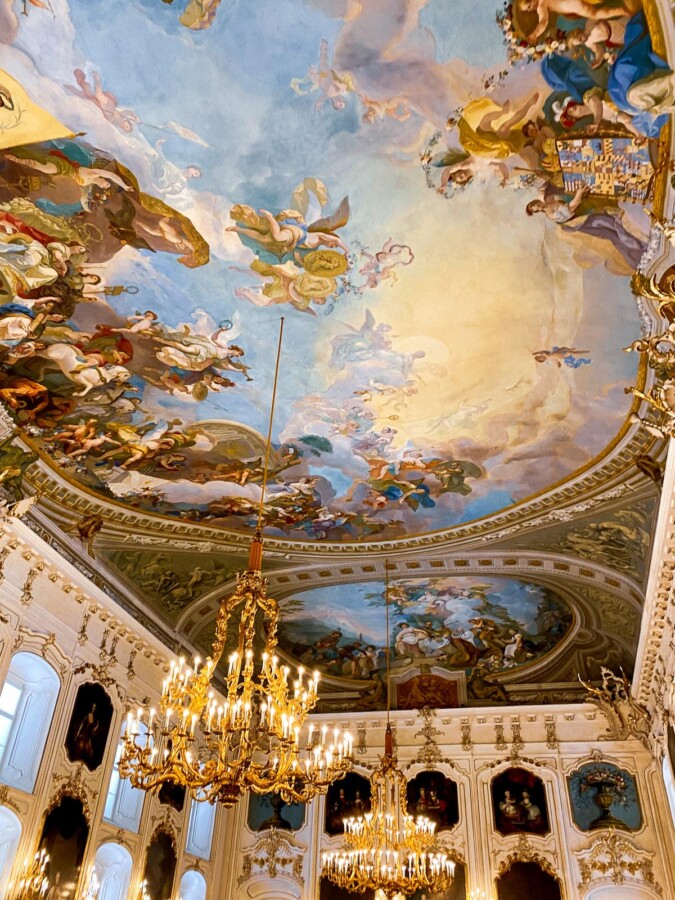
Breathtaking Baroque Interior of the Hofburg Palace in Innsbruck: Opulent design, frescoes, chandeliers, and artistry.
Essentials

At a glance

Currency€ EURCode: EUR
Time zoneViennaEurope/Vienna
Languages
  • German
Setting
  • Alpine ski resort
  • Mountain peaks
  • Valley terrain
  • Wellness spas
Population2,9002,900 residents
VisaDuration: Up to 90 days within any 180-day period in the Schengen Area · Documents: Valid passport issued within the last 10 years and valid for at least 3 months after planned departure, plus proof of accommodation, onward or return travel, and sufficient funds if requested
Daily budget$90–$500 / day Full budget guide →Mid-Range destination
Scorecard

How Saalbach scores

6/10OverallFair
Weather8/10
Value for money7/10
Safety9/10
Food & cuisine7/10
Culture & arts4/10
Cultural experience6/10
History5/10
Nature & outdoors9/10
Adventure7/10
Nightlife7/10
Shopping6/10
Family friendly5/10
Romance8/10

Character

Photography score7/10
Authenticity score7/10
Off-the-beaten-path score6/10

Editorial scores on a 10-point scale, weighed against destinations of the same kind.

Safety

Travel safety snapshot

Overall88/100High rating
Women travellers88/100
LGBTQ+ travellers78/100
Theft88/100
Medical care86/100
Physical harm90/100
Political freedom86/100

SafePlace indicators use their source 100-point scale; higher is more favourable. Planning context, not a live travel advisory — check official government guidance before you go.

Seasonality

When to go

Best months to visit: January, February, March, April, May, June, July, August, September, October and December.

  1. January: -6.7 to 1.9 degrees Celsius, 116.6 millimetres of rain, best-time score 5 out of 5.
  2. February: -4.3 to 5 degrees Celsius, 91.8 millimetres of rain, best-time score 5 out of 5.
  3. March: -1.9 to 7.9 degrees Celsius, 95.1 millimetres of rain, best-time score 5 out of 5.
  4. April: 1.2 to 11.8 degrees Celsius, 96.9 millimetres of rain, best-time score 4 out of 5.
  5. May: 5 to 15.4 degrees Celsius, 166.4 millimetres of rain, best-time score 4 out of 5.
  6. June: 10.3 to 21.3 degrees Celsius, 145.5 millimetres of rain, best-time score 5 out of 5.
  7. July: 11.6 to 21.7 degrees Celsius, 177.8 millimetres of rain, best-time score 5 out of 5.
  8. August: 12 to 22 degrees Celsius, 164.7 millimetres of rain, best-time score 5 out of 5.
  9. September: 8.1 to 18.1 degrees Celsius, 133.6 millimetres of rain, best-time score 5 out of 5.
  10. October: 4.4 to 14 degrees Celsius, 112.8 millimetres of rain, best-time score 4 out of 5.
  11. November: -1.2 to 7.5 degrees Celsius, 99 millimetres of rain, best-time score 3 out of 5.
  12. December: -4.1 to 3.6 degrees Celsius, 104.7 millimetres of rain, best-time score 5 out of 5.
Month-by-month conditions and packing advice
January
Very cold, some rain January in Saalbach: the resort is strongest for either ski season or summer hiking, biking, lifts, and alpine village energy. Crowds: January in Saalbach is best for winter-ready travelers; outdoor plans need warm gear, shorter daylight expectations, and weather-aware transport planning. Pack: Pack insulated layers, warm footwear, gloves, and a serious winter coat. Add a rain jacket or compact umbrella.
February
Cold, some rain February in Saalbach: the resort is strongest for either ski season or summer hiking, biking, lifts, and alpine village energy. Crowds: February in Saalbach is workable with normal seasonal planning; build in layers, weather checks, and a mix of indoor and outdoor activities. Pack: Pack warm layers, a coat, and comfortable shoes for cold mornings and evenings. Add a rain jacket or compact umbrella.
March
Cold, some rain March in Saalbach: the resort is strongest for either ski season or summer hiking, biking, lifts, and alpine village energy. Crowds: March in Saalbach is workable with normal seasonal planning; build in layers, weather checks, and a mix of indoor and outdoor activities. Pack: Pack warm layers, a coat, and comfortable shoes for cold mornings and evenings. Add a rain jacket or compact umbrella.

April
Cool to mild, some rain April in Saalbach: late ski, spring shoulder, or fall trips can work if operations and weather align. Crowds: April in Saalbach is workable with normal seasonal planning; build in layers, weather checks, and a mix of indoor and outdoor activities. Pack: Pack warm layers, a coat, and comfortable shoes for cold mornings and evenings. Add a rain jacket or compact umbrella.
May
Cool to mild, rainy May in Saalbach: late ski, spring shoulder, or fall trips can work if operations and weather align. Crowds: May in Saalbach is one of the wetter periods, so museums, food stops, flexible reservations, and backup indoor plans make the trip easier. Pack: Pack layered clothing and comfortable walking shoes. Add a rain jacket or compact umbrella.
June
Mild to warm, rainy June in Saalbach: the resort is strongest for either ski season or summer hiking, biking, lifts, and alpine village energy. Crowds: June in Saalbach is one of the wetter periods, so museums, food stops, flexible reservations, and backup indoor plans make the trip easier. Pack: Pack layered clothing and comfortable walking shoes. Add a rain jacket or compact umbrella.
July
Mild to warm, rainy July in Saalbach: the resort is strongest for either ski season or summer hiking, biking, lifts, and alpine village energy. Crowds: July in Saalbach is one of the wetter periods, so museums, food stops, flexible reservations, and backup indoor plans make the trip easier. Pack: Pack layered clothing and comfortable walking shoes. Add a rain jacket or compact umbrella.
August
Mild to warm, rainy August in Saalbach: the resort is strongest for either ski season or summer hiking, biking, lifts, and alpine village energy. Crowds: August in Saalbach is one of the wetter periods, so museums, food stops, flexible reservations, and backup indoor plans make the trip easier. Pack: Pack layered clothing and comfortable walking shoes. Add a rain jacket or compact umbrella.
September
Cool to mild, rainy September in Saalbach: the resort is strongest for either ski season or summer hiking, biking, lifts, and alpine village energy. Crowds: September in Saalbach is one of the wetter periods, so museums, food stops, flexible reservations, and backup indoor plans make the trip easier. Pack: Pack layered clothing and comfortable walking shoes. Add a rain jacket or compact umbrella.
October
Cool to mild, some rain October in Saalbach: late ski, spring shoulder, or fall trips can work if operations and weather align. Crowds: October in Saalbach is workable with normal seasonal planning; build in layers, weather checks, and a mix of indoor and outdoor activities. Pack: Pack layered clothing and comfortable walking shoes. Add a rain jacket or compact umbrella.
November
Cold, some rain November in Saalbach: transition-season closures and variable weather narrow activity choices. Crowds: November in Saalbach is workable with normal seasonal planning; build in layers, weather checks, and a mix of indoor and outdoor activities. Pack: Pack warm layers, a coat, and comfortable shoes for cold mornings and evenings. Add a rain jacket or compact umbrella.
December
Cold, some rain December in Saalbach: the resort is strongest for either ski season or summer hiking, biking, lifts, and alpine village energy. Crowds: December in Saalbach is workable with normal seasonal planning; build in layers, weather checks, and a mix of indoor and outdoor activities. Pack: Pack warm layers, a coat, and comfortable shoes for cold mornings and evenings. Add a rain jacket or compact umbrella.
Peak season
  • July
  • August
Off-peak
  • November
  • January
  • February
  • March
Overview

Know before you go

About

Saalbach, situated in Austria’s Pinzgau region within the state of Salzburg, anchors one of the Alps’ largest interconnected ski areas within a traditional mountain valley where contemporary winter sports infrastructure harmoniously blends with authentic Alpine culture. The resort, formally linked with neighboring Hinterglemm, Leogang, and Fühlein to create the expansive “Skicircus” area, offers winter enthusiasts 270 kilometers of groomed slopes across diverse terrain spanning 1,003 to 2,100 meters in elevation, serviced by 70 modern lifts within a naturally snow-reliable region enhanced by comprehensive snowmaking capabilities. Beyond exceptional skiing and snowboarding from December through April, Saalbach maintains its mountain identity year-round through 400 kilometers of summer hiking trails, acclaimed mountain biking terrain featuring the Epic Bikepark Saalbach with seven downhill trails of varying difficulty, and Europe’s largest trail running event, the adidas INFINITE TRAILS World Championships.

The village center preserves its traditional Salzburg architectural style through wooden chalets with flower-adorned balconies, onion-domed church spires, and historic farmhouses, while simultaneously supporting a dynamic après-ski culture featuring mountain huts serving regional specialties like Käsespätzle (cheese noodles) and Kaiserschmarrn (shredded pancake). Unlike purpose-built ski resorts, Saalbach traces its agricultural origins back centuries before tourism development, maintaining authentic Alpine traditions through summer Almabtrieb cattle drives, local schnapps production, and folk music performances that connect visitors to genuine mountain culture. Throughout the seasons, Saalbach exemplifies the Austrian approach to Alpine tourism by balancing world-class sports infrastructure with environmental stewardship and cultural preservation in a setting where glaciated peaks create a stunning backdrop for both high-adrenaline activities and relaxed mountain immersion.

Best time to visit

December through April for skiing (270km of pistes, 90% snow-guaranteed). June through September for hiking, mountain biking, and summer lift access. The Joker Card (included with accommodation) provides free summer lifts and attractions.

Logistics

Getting there and around

Getting there

Nearest airports are Salzburg (80 km, 90 minutes by car) and Innsbruck (130 km). Regular train service runs to Zell am See (20 km), where bus 680 continues to Saalbach in 30 minutes. The resort offers transfer shuttles from Salzburg and Munich airports on weekends during ski season.

Getting around

The village is walkable, and free ski buses connect Saalbach, Hinterglemm, Leogang, and Fieberbrunn year-round. In summer, free hiking buses extend the reach into side valleys. Most hotels offer free shuttle services. The Joker Card (included with accommodation) provides free summer lift access for reaching trailheads.

Saalbach, situated in Austria’s Pinzgau region within the state of Salzburg, anchors one of the Alps’ largest interconnected ski areas within a traditional mountain valley where contemporary winter sports infrastructure harmoniously blends with authentic Alpine culture. The resort, formally linked with neighboring Hinterglemm, Leogang, and Fühlein to create the expansive “Skicircus” area, offers winter enthusiasts 270 kilometers of groomed slopes across diverse terrain spanning 1,003 to 2,100 meters in elevation, serviced by 70 modern lifts within a naturally snow-reliable region enhanced by comprehensive snowmaking capabilities.

Beyond exceptional skiing and snowboarding from December through April, Saalbach maintains its mountain identity year-round through 400 kilometers of summer hiking trails, acclaimed mountain biking terrain featuring the Epic Bikepark Saalbach with seven downhill trails of varying difficulty, and Europe’s largest trail running event, the adidas INFINITE TRAILS World Championships.

The village center preserves its traditional Salzburg architectural style through wooden chalets with flower-adorned balconies, onion-domed church spires, and historic farmhouses, while simultaneously supporting a dynamic après-ski culture featuring mountain huts serving regional specialties like Käsespätzle (cheese noodles) and Kaiserschmarrn (shredded pancake).

Unlike purpose-built ski resorts, Saalbach traces its agricultural origins back centuries before tourism development, maintaining authentic Alpine traditions through summer Almabtrieb cattle drives, local schnapps production, and folk music performances that connect visitors to genuine mountain culture. Throughout the seasons, Saalbach exemplifies the Austrian approach to Alpine tourism by balancing world-class sports infrastructure with environmental stewardship and cultural preservation in a setting where glaciated peaks create a stunning backdrop for both high-adrenaline activities and relaxed mountain immersion.

Curated picks

Top experiences in Saalbach

  1. Skicircus Saalbach Hinterglemm Leogang Fieberbrunn

    One of Austria’s largest interconnected ski and snowboard areas spans 270 kilometers of slopes across four resort villages, served by 70 modern lifts. The terrain ranges from gentle blue cruisers in the Bernkogel area to challenging black runs off the Zwölferkogel, plus dedicated freeride zones with safety infrastructure. In summer, the same lift network opens for hiking and mountain biking access to 400 kilometers of marked trails across the Kitzbühel Alps.

  2. Golden Gate Bridge of the Alps & Treetop Walk

    A 200-meter-long suspension bridge spans the Glemm Valley at a height of 42 meters, reached via the Reiterkogel gondola. The bridge connects to Europe’s highest treetop walkway, where an elevated boardwalk threads through the canopy of an old-growth spruce forest before culminating at a 30-meter observation tower with 360-degree Alpine views. On clear days, the panorama extends from the Hohe Tauern glaciers to the Steinernes Meer massif.

  3. Teufelswasser (Devil's Water) & Montelino's Adventure Trail

    A family-oriented mountain adventure zone on the Reiterkogel, consisting of interactive water play stations where children manipulate dams, channels, and pumps alongside a rushing mountain stream. The connecting Montelino’s Adventure Trail weaves a 1.5-kilometer path through the forest with balance beams, rope bridges, and story stations featuring alpine animals. Both attractions are free with a valid Joker Card (included with most accommodation bookings).

Editor-curated picks carried over from our original guide. Where a full place guide exists, the card links to it.

Curated picks

Where to stay

Hotel Saalbacher Hof

Dorfstraße 30, 5753 Saalbach-Hinterglemm, Austria

Five-star alpine hotel in the village centre with traditional Austrian charm, a rooftop spa, sauna world, indoor pool, and ski-in/ski-out access.

PURADIES Hotel & Chalets

Oberdorf 166, 5754 Hinterglemm, Austria

Luxury ski-resort hotel in Hinterglemm with panoramic mountain-view suites, a 3,000 m² wellness area, heated outdoor pool, and direct lift access.

eva,VILLAGE

Eberhartweg 2, 5753 Saalbach, Austria

Charming four-star chalet-hotel with cosy rooms, a spa with mountain views, half-board dining, and a central Saalbach location.

Editor-curated stays carried over from our original guide. Where we have reviewed the hotel, the card links to the review.

Insider tips

Tips from the field

Highlights
  • Skicircus — one of Austria's largest ski areas (270km of slopes)
  • 400km of summer hiking trails in the Kitzbühel Alps
  • Golden Gate Bridge of the Alps suspension bridge
  • Joker Card for free lifts and attractions in summer
  • Traditional Alpine wellness spas
Best activities
  • Skiing and snowboarding across 270km of interconnected pistes
  • Hiking the 400km trail network in the Kitzbühel Alps
  • Mountain biking on marked trails with lift-assisted access
  • Crossing the Golden Gate Bridge of the Alps suspension bridge
  • Walking the European treetop highwalk at Reiterkogel
  • Swimming in the Brandlalm mountain lake
  • Paragliding tandem flights over the Glemm Valley
  • Relaxing in Alpine spa hotels after a day on the trails
Practical tips
  • The Joker Card (free with most accommodation) allows unlimited use of summer lifts, attractions, and hiking buses — check with your hotel. Book Skicircus lift passes online for small discounts. Mountain weather changes rapidly: carry rain layers and sun protection even on clear days. Water from mountain hut taps is drinkable. Cash handy for mountain hut purchases
  • many huts don't take cards.
Keeping it authentic
  • Despite heavy winter tourism, Saalbach's village center retains traditional Salzburg timber-frame architecture
  • Mountain huts (Almhütten) above the valley still operate as working cattle farms in summer
  • The Talschluss (valley head) beyond Hinterglemm leads into untouched Alpine terrain
  • Local farmers sell direct-from-the-farm cheese, honey, and schnapps at the weekly market
Context

Culture, customs and safety

Cultural heritage

Saalbach preserves Alpine farming traditions and Salzburg Baroque architectural elements within a pristine mountain valley setting. Traditional wooden chalets feature steep-pitched roofs and carved balconies dating to the 18th century. The village maintains ancient transhumance practices where cattle graze high alpine meadows during summer months. Local folk customs include Schuhplattler dancing and lederhosen craftsmanship passed down through generations. Parish church architecture reflects Counter-Reformation Catholic influences with onion domes and frescoed interiors.

Local customs & etiquette

Austrian Alpine customs apply: greet with ‘Grüß Gott’ and say ‘Mahlzeit’ before meals. In mountain huts, shared bench seating is standard — you sit where space is available. Tipping 5–10% at restaurants is appreciated. Ski etiquette follows FIS rules: downhill skiers have right of way, and stopping should happen at the edge of the piste. Remove ski boots before entering hotel lobbies.

Safety notes

Saalbach-Hinterglemm is very safe with essentially no crime concern. On the slopes, follow FIS rules and stay on marked pistes unless properly equipped for off-piste. Helmets are mandatory for under-15s and recommended for all. In summer, check weather forecasts before high-altitude hikes — thunderstorms can develop quickly. Mountain rescue: dial 140.

Last reviewed Data: Editorial research · Climate normals · SafePlace safety indicators