

The destination guide
Virgin Islands
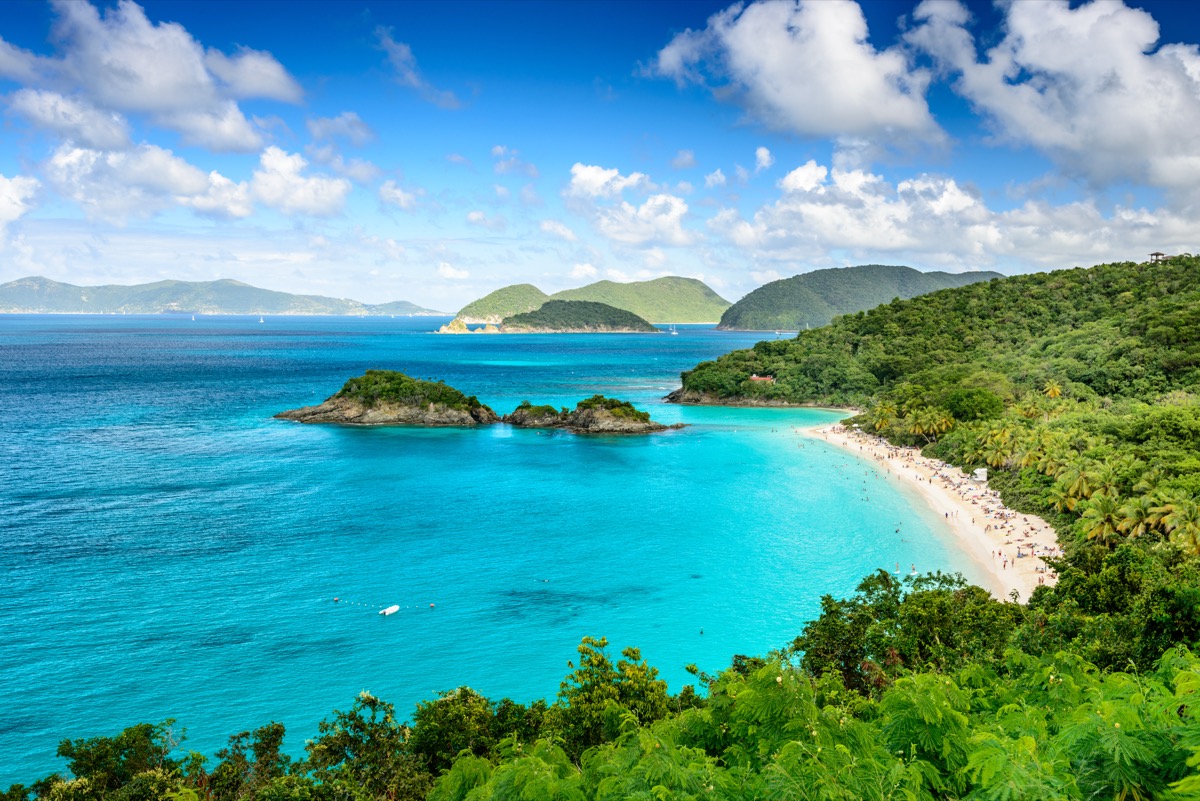
Island in United States Virgin Islands, North AmericaUpdated
- Overall8/10
- Best forSolo travelers
- CurrencyUSD
The Virgin Islands split between US and British territory with trunk bay snorkeling, Tortola’s sailing, and a Caribbean pace where flip-flops count as formal wear.
Travel guides for Virgin Islands
More guides featuring Virgin Islands (2)
At a glance
- English, Spanish
- Caribbean islands
- Tropical beaches
- Coral reefs
- National parks
- Beaches
- Snorkeling
- Caribbean
- History
- Diving
- National Parks
- Islands
How Virgin Islands scores
Editorial scores on a 10-point scale, weighed against destinations of the same kind.
Travel safety snapshot
SafePlace indicators use their source 100-point scale; higher is more favourable. Planning context, not a live travel advisory — check official government guidance before you go.
When to go
Best months to visit: January, February, March, April, May, June, November and December.
- January: 24.8 to 26.2 degrees Celsius, 32.3 millimetres of rain, best-time score 5 out of 5.
- February: 24.4 to 25.9 degrees Celsius, 49.3 millimetres of rain, best-time score 5 out of 5.
- March: 24.5 to 25.9 degrees Celsius, 32.6 millimetres of rain, best-time score 5 out of 5.
- April: 24.9 to 26.4 degrees Celsius, 54.7 millimetres of rain, best-time score 5 out of 5.
- May: 25.8 to 27.3 degrees Celsius, 69.3 millimetres of rain, best-time score 4 out of 5.
- June: 26.6 to 28.1 degrees Celsius, 56.9 millimetres of rain, best-time score 4 out of 5.
- July: 26.7 to 28.4 degrees Celsius, 90.6 millimetres of rain, best-time score 3 out of 5.
- August: 27 to 28.7 degrees Celsius, 120 millimetres of rain, best-time score 3 out of 5.
- September: 27 to 28.9 degrees Celsius, 141.2 millimetres of rain, best-time score 2 out of 5.
- October: 26.8 to 28.7 degrees Celsius, 132.6 millimetres of rain, best-time score 2 out of 5.
- November: 26.2 to 27.9 degrees Celsius, 131.5 millimetres of rain, best-time score 4 out of 5.
- December: 25.5 to 27.1 degrees Celsius, 48.8 millimetres of rain, best-time score 5 out of 5.
Month-by-month conditions and packing advice
- January
- Mild to warm, occasional rain January in Virgin Islands: dry-season beaches, sailing, snorkeling, national park trails, and island-hopping are most reliable. Crowds: January in Virgin Islands is comfortable for sightseeing, neighborhoods, food stops, day trips, and outdoor time with limited weather friction. Pack: Pack light clothing, sun protection, and comfortable walking shoes.
- February
- Mild to warm, occasional rain February in Virgin Islands: dry-season beaches, sailing, snorkeling, national park trails, and island-hopping are most reliable. Crowds: February in Virgin Islands is comfortable for sightseeing, neighborhoods, food stops, day trips, and outdoor time with limited weather friction. Pack: Pack light clothing, sun protection, and comfortable walking shoes.
- March
- Mild to warm, occasional rain March in Virgin Islands: dry-season beaches, sailing, snorkeling, national park trails, and island-hopping are most reliable. Crowds: March in Virgin Islands is comfortable for sightseeing, neighborhoods, food stops, day trips, and outdoor time with limited weather friction. Pack: Pack light clothing, sun protection, and comfortable walking shoes.
- April
- Mild to warm, occasional rain April in Virgin Islands: dry-season beaches, sailing, snorkeling, national park trails, and island-hopping are most reliable. Crowds: April in Virgin Islands is comfortable for sightseeing, neighborhoods, food stops, day trips, and outdoor time with limited weather friction. Pack: Pack light clothing, sun protection, and comfortable walking shoes.
- May
- Warm to hot, occasional rain May in Virgin Islands: warm weather and better value can work before or after peak winter demand. Crowds: May in Virgin Islands is comfortable for sightseeing, neighborhoods, food stops, day trips, and outdoor time with limited weather friction. Pack: Pack light clothing, sun protection, and comfortable walking shoes.
- June
- Warm to hot, occasional rain June in Virgin Islands: warm weather and better value can work before or after peak winter demand. Crowds: June in Virgin Islands is comfortable for sightseeing, neighborhoods, food stops, day trips, and outdoor time with limited weather friction. Pack: Pack light clothing, sun protection, and comfortable walking shoes.
- July
- Warm to hot, some rain July in Virgin Islands: heat, humidity, and storm risk increase, so keep ferry and beach plans flexible. Crowds: July in Virgin Islands is workable with normal seasonal planning; build in layers, weather checks, and a mix of indoor and outdoor activities. Pack: Pack light clothing, sun protection, and comfortable walking shoes. Add a rain jacket or compact umbrella.
- August
- Warm to hot, some rain August in Virgin Islands: heat, humidity, and storm risk increase, so keep ferry and beach plans flexible. Crowds: August in Virgin Islands is workable with normal seasonal planning; build in layers, weather checks, and a mix of indoor and outdoor activities. Pack: Pack light clothing, sun protection, and comfortable walking shoes. Add a rain jacket or compact umbrella.
- September
- Warm to hot, rainy September in Virgin Islands: peak hurricane-season risk makes this less balanced for island travel. Crowds: September in Virgin Islands is one of the wetter periods, so museums, food stops, flexible reservations, and backup indoor plans make the trip easier. Pack: Pack light clothing, sun protection, and comfortable walking shoes. Add a rain jacket or compact umbrella.
- October
- Warm to hot, rainy October in Virgin Islands: peak hurricane-season risk makes this less balanced for island travel. Crowds: October in Virgin Islands is one of the wetter periods, so museums, food stops, flexible reservations, and backup indoor plans make the trip easier. Pack: Pack light clothing, sun protection, and comfortable walking shoes. Add a rain jacket or compact umbrella.
- November
- Warm to hot, rainy November in Virgin Islands: warm weather and better value can work before or after peak winter demand. Crowds: November in Virgin Islands is one of the wetter periods, so museums, food stops, flexible reservations, and backup indoor plans make the trip easier. Pack: Pack light clothing, sun protection, and comfortable walking shoes. Add a rain jacket or compact umbrella.
- December
- Warm to hot, occasional rain December in Virgin Islands: dry-season beaches, sailing, snorkeling, national park trails, and island-hopping are most reliable. Crowds: December in Virgin Islands is comfortable for sightseeing, neighborhoods, food stops, day trips, and outdoor time with limited weather friction. Pack: Pack light clothing, sun protection, and comfortable walking shoes.
Know before you go
About
The Virgin Islands, in the United States Virgin Islands, are a Caribbean territory of the United States made up of three main islands, St. Thomas, St. John, and St. Croix, prized for turquoise waters, white-sand beaches, and Danish colonial heritage. The capital, Charlotte Amalie on St. Thomas, was founded by Danish settlers in 1681 and ranks among the busiest cruise ports in the Caribbean, where visitors explore the red-walled Fort Christian, the oldest standing structure in the territory, climb the historic 99 Steps, and ride an aerial gondola to Paradise Point for sweeping harbor views. St. John, two-thirds of which is protected as Virgin Islands National Park, offers pristine snorkeling coves and the lively town of Cruz Bay, while St. Croix anchors the territory’s east end near Buck Island Reef National Monument, a renowned underwater trail. With duty-free shopping, sailing, and reef diving, the islands blend natural beauty with layered history under the American flag.
Best time to visit
The best time to visit the Virgin Islands is from December to April when the weather is dry and pleasant. This period is ideal for beach activities, water sports, and exploring the islands. The summer months can be hot and humid, with a higher chance of rain, while hurricane season runs from June to November.
Season by season
Dry season (Dec–Apr): 26–30°C, sunny, driest months, peak tourism and cruise-ship arrivals. Shoulder (May–Jun): warm, occasional showers, fewer crowds, good diving visibility. Hurricane season (Jul–Nov): hot, humid, heavier rain possible, cheapest rates, quietest beaches. Water temperature stays 26–29°C year-round.
Crowds
High (December–April), Moderate (May–June, November), Low (July–October)
Getting there and around
Getting there
Fly into Cyril E. King Airport (STT) on St. Thomas or Henry E. Rohlsen Airport (STX) on St. Croix. No passport needed for US citizens. Inter-island ferries connect St. Thomas, St. John, and St. Croix.
Top experiences in Virgin Islands
Trunk Bay, St. John
One of the world’s most photographed beaches, with powdery white sand fringed by sea grapes and an underwater snorkeling trail marked with plaques identifying coral species and tropical fish. Part of Virgin Islands National Park, with a small entrance fee.
Magens Bay, St. Thomas
A mile-long, heart-shaped bay on St. Thomas’s north shore, consistently ranked among the Caribbean’s top beaches. Calm, shallow turquoise water and a grove of coconut palms make it ideal for swimming, kayaking, and sunset watching.
Virgin Islands National Park
Covering roughly two-thirds of St. John (plus 5,650 acres of submerged coral reef), this national park protects tropical dry forest, mangroves, historic sugar-mill ruins, and 20+ hiking trails. The Reef Bay Trail descends through petroglyph-covered boulders to a deserted beach.
Christiansted National Historic Site, St. Croix
A waterfront fort complex in St. Croix’s main town, preserving 18th-century Danish colonial architecture. Fort Christiansvaern, a yellow-brick fortress, overlooks the harbor. Boardwalk cafés and rum distillery tours line the surrounding streets.
Buck Island Reef National Monument
An uninhabited island off St. Croix’s northeastern tip, surrounded by an elkhorn coral barrier reef teeming with sea turtles, rays, and over 250 fish species. Accessible only by boat; guided half-day snorkel trips depart from Christiansted.
Editor-curated picks carried over from our original guide. Where a full place guide exists, the card links to it.
Worth booking ahead in Virgin Islands
Hand-picked from the operators our guides already send readers to. Prices and availability are live on the partner site.
BrowseViator
Tours and tickets in Virgin Islands on Viator (opens Viator in a new tab)
Viator's full list of bookable tours and tickets in Virgin Islands.
BrowseGetYourGuide
Experiences in Virgin Islands on GetYourGuide (opens GetYourGuide in a new tab)
Everything GetYourGuide sells in Virgin Islands, with the cancellation terms on each listing.
Where to stayBooking.com
Stays in Virgin Islands (opens Booking.com in a new tab)
Live rates and availability for Virgin Islands on Booking.com; filter by neighbourhood once you know where your days start.
We earn a commission if you book through these links, at no extra cost to you. It is how we keep the guides free and independent.
Where to stay
The Ritz-Carlton, St. Thomas
6900 Great Bay, St. Thomas, USVI 00802
An 180-room oceanfront resort on the east end of St. Thomas, with private beach access, three pools, a full-service spa, and four restaurants. Rooms feature plantation-style décor and either ocean or garden views. The resort’s water-sports center offers kayaking, paddleboarding, and snorkeling from shore.
Westin St. John Resort & Villas
Great Cruz Bay, St. John, USVI 00831
A 96-room eco-conscious resort bordering Virgin Islands National Park on St. John, the only luxury property on the island. Rooms are built around the hillside with views of Great Cruz Bay. The resort runs guided hikes, snorkeling trips, and sunset sails, and its restaurant sources ingredients from local farms.
The Buccaneer Resort, St. Croix
5007 Estate Shoys, Christiansted, St. Croix, USVI 00820
A 151-room beachfront resort on Chenay Bay, St. Croix, with one of the island’s longest sand beaches, a freshwater pool, and an on-site dive shop. Rooms are spread across tropical-garden grounds, and the restaurant features Caribbean-fusion cuisine with locally caught seafood.
Editor-curated stays carried over from our original guide. Where we have reviewed the hotel, the card links to the review.
Tips from the field
Highlights
- Trunk Bay — Underwater snorkel trail
- Magens Bay — Heart-shaped beach paradise
- Virgin Islands National Park — Two-thirds of St. John
- Christiansted — Danish colonial waterfront
- Buck Island — Coral reef and sea turtles
- Reef Bay Trail — Petroglyphs and secluded beach
Best activities
- Snorkel the underwater trail at Trunk Bay, hike the Reef Bay Trail through ancient petroglyphs, explore Christiansted's Danish colonial forts, boat to Buck Island for reef snorkeling, swim at Magens Bay, kayak through mangrove lagoons, tour the Cruzan Rum Distillery on St. Croix, and watch the sunset from Cruz Bay's waterfront.
Local experiences
- Snorkel through the marked underwater trail at Trunk Bay, hike to the Annaberg sugar-mill ruins overlooking the British Virgin Islands, or sip aged rum at the Cruzan Distillery on St. Croix.
Practical tips
- No passport required for US citizens — the USVI is a US territory.
- US dollar is the currency; tipping customs are the same as the mainland.
- Rent a car on each island; driving is on the LEFT side of the road.
- St. John has no airport — ferry from Red Hook, St. Thomas (20 min).
- Bring reef-safe sunscreen; regulars are banned in USVI waters.
- Download offline maps — cell coverage is spotty outside towns.
Photography tips
- Trunk Bay's sweeping white sand and clear water are most dramatic from the overlook at the parking area — shoot midmorning when the sun backlit the turquoise water. Magens Bay's heart shape is best captured from Drake's Seat lookout above. Christiansted's yellow Fort Christiansvaern pops against blue-sky mornings. Buck Island reef shots require an underwater camera — visibility peaks December through May. Use a polarizing filter on all beach compositions to cut surface glare.
Timing
- Three days on one island covers the top beach, a hike, and town exploration. Five days allow day trips between St. Thomas and St. John by ferry. A week lets you visit all three islands with time for diving on St. Croix. Ten days give a relaxed pace with multiple dives, Buck Island, and rum touring.
Keeping it authentic
- The USVI changed hands from Denmark to the United States in 1917, and the Danish colonial legacy — pastel-painted warehouses, cobblestone streets, and fort architecture — remains intact in Charlotte Amalie (St. Thomas) and Christiansted (St. Croix). Virgin Islands National Park on St. John was a gift from Laurance Rockefeller, who purchased and donated over 5,000 acres in the 1950s to protect the island's wilderness. The islands' carnival, held in April on St. Thomas and in January on St. Croix, is a genuine community celebration rooted in emancipation history, not a tourist event.
Culture, customs and safety
Local customs & etiquette
- Be respectful of local customs and traditions
- Dress casually but appropriately for the beach and local events
- Tip service staff, typically 15-20%
- Engage with locals and learn about their culture
Safety notes
Tourist areas on all three islands are well-patrolled and generally safe. Petty theft — car break-ins and unattended beach bags — is the most common crime; never leave valuables in view. Avoid walking alone at night in Charlotte Amalie or downtown Christiansted. Roads are narrow, steep, and left-hand drive (despite US-spec vehicles); drive cautiously, especially on St. John’s unpaved roads. Hurricanes are a risk June through November; monitor NOAA weather advisories during those months. Tap water is desalinated and safe to drink on all three islands.

