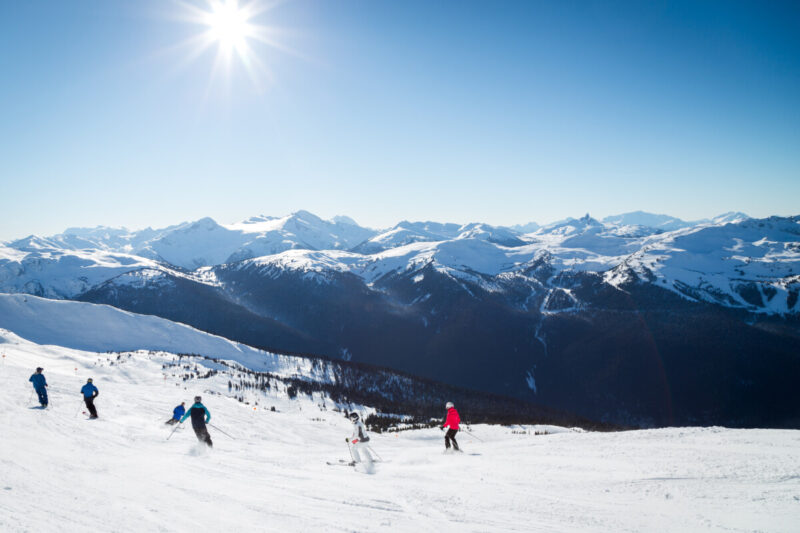
Whistler is a world-renowned resort town nestled in the stunning Coast Mountains of British Columbia. Known for its exceptional skiing and snowboarding in the winter, Whistler also offers a plethora of outdoor activities year-round, including mountain biking, hiking, and golfing. The vibrant village is filled with shops, restaurants, and a lively après-ski scene, making it a perfect destination for adventure and relaxation.
The destination guide
Whistler

Travel guides for Whistler
More guides featuring Whistler (3)
At a glance
CurrencyCAD
Time zonePacific Standard Time
Languages
- English
- French
Setting
- Mountain resort
- Alpine forests
- Coastal mountains
- Ski terrain
Population12,00012,000 residents
VisaDuration: Normally up to 6 months per visit · Documents: Valid U.S. passport or other accepted proof of U.S. citizenship and identity for the mode of travel
How Whistler scores
9/10OverallExcellent
Weather7/10
Value for money6/10
Food & cuisine7/10
Culture & arts4/10
Cultural experience6/10
Nature & outdoors10/10
Adventure9/10
Nightlife4/10
Shopping5/10
Family friendly7/10
Romance8/10
Editorial scores on a 10-point scale, weighed against destinations of the same kind.
Travel safety snapshot
Overall89/100High rating
Women travellers88/100
LGBTQ+ travellers75/100
Theft88/100
Medical care80/100
Physical harm90/100
Political freedom88/100
SafePlace indicators use their source 100-point scale; higher is more favourable. Planning context, not a live travel advisory — check official government guidance before you go.
When to go
Best months to visit: January, February, March, April, June, July, August, September, October and December.
- January: -8.7 to 0.1 degrees Celsius, 90 millimetres of rain, best-time score 5 out of 5.
- February: -7.3 to 1.4 degrees Celsius, 114 millimetres of rain, best-time score 5 out of 5.
- March: -5.1 to 2.9 degrees Celsius, 138 millimetres of rain, best-time score 5 out of 5.
- April: -2.7 to 6.1 degrees Celsius, 18.6 millimetres of rain, best-time score 4 out of 5.
- May: 3.8 to 15.1 degrees Celsius, 27.9 millimetres of rain, best-time score 3 out of 5.
- June: 4.6 to 13.9 degrees Celsius, 50.2 millimetres of rain, best-time score 4 out of 5.
- July: 8.4 to 21.2 degrees Celsius, 8.7 millimetres of rain, best-time score 5 out of 5.
- August: 9.7 to 23.3 degrees Celsius, 10.8 millimetres of rain, best-time score 5 out of 5.
- September: 5.4 to 17.3 degrees Celsius, 55.4 millimetres of rain, best-time score 5 out of 5.
- October: 0.8 to 10.1 degrees Celsius, 103.2 millimetres of rain, best-time score 4 out of 5.
- November: -5.2 to 2.3 degrees Celsius, 179.4 millimetres of rain, best-time score 3 out of 5.
- December: -8.5 to -0.8 degrees Celsius, 68.9 millimetres of rain, best-time score 5 out of 5.
Month-by-month conditions and packing advice
- January
- Cold weather, some rain January in Whistler: skiing, snowboarding, snowy village atmosphere, and winter dining make this a strong snow-season month. Crowds: Winter season with challenging conditions for outdoor activities due to freezing temperatures and occasional rain. Peak tourist season sees increased activity in winter sports, but visitors should prepare for cold weather and potential rain. Accommodation rates and crowd levels are high during this period. Visitors should dress warmly and be cautious of slippery surfaces. Pack: Warm winter coat for temperature variation; Insulated gloves and thermal socks; Waterproof boots for snow and rain; Thermal layers for warmth; Umbrella for occasional rain; Waterproof and windproof outerwear
- February
- Cold weather, some rain February in Whistler: ski conditions, winter events, mountain dining, and snow scenery keep this one of the strongest winter windows. Crowds: Peak winter tourist season with excellent conditions for skiing, snowboarding, and snowshoeing. Hotel rates and crowd levels are highest during this period. UV levels remain high despite cooler temperatures. Pack: Warm, insulated layers for temperature variation; Waterproof boots for snow and rain; Windproof jacket and waterproof pants; Goggles and gloves for winter sports; Light scarf and hat for wind protection; Waterproof camera gear
- March
- Cold weather, heavy rain March in Whistler: longer days and spring skiing make the mountain experience especially strong. Crowds: Peak tourist season with challenging conditions for outdoor activities, including skiing, snowboarding, and hiking. Hotel rates and crowd levels are highest during this period. UV levels remain high despite cooler temperatures, posing a risk for sunburn. Visitors should prioritize indoor activities and dress warmly. Pack: Warm winter clothing for temperature variation; Insulated waterproof boots for slippery conditions; Thermal layers for warmth; Goggles for snow visibility; Umbrella for rain protection; Moisture-wicking base layers
- April
- Cold weather, mostly dry April in Whistler: season-edge timing can work with lift schedules, snowpack, and trail access checked closely. Crowds: Peak tourist season with excellent conditions for winter sports including skiing, snowboarding, and snowshoeing. Hotel rates and crowd levels are highest during this period. UV levels remain low despite cooler temperatures. Pack: Warm winter jacket for temperature variation; Insulated gloves and thermal socks; Waterproof ski pants and boots; Wide-brimmed hat and UV-blocking sunscreen; Light scarf and neck gaiter; Breathable, moisture-wicking base layers
- May
- Cool weather, some rain May in Whistler: between-season closures and variable weather narrow the trip. Crowds: Spring season with moderate rainfall offering excellent conditions for outdoor activities such as hiking, mountain biking, and exploring local trails. Hotel rates and crowd levels are moderate during this period. Rain gear is recommended despite cooler temperatures. Pack: Waterproof jacket for rain protection; Breathable hiking boots for trails; Waterproof backpack for gear; Lightweight rain jacket; Moisture-wicking base layers; Wide-brimmed hat and UV protection
- June
- Cool weather, some rain June in Whistler: season-edge timing can work with lift schedules, snowpack, and trail access checked closely. Crowds: Peak tourist season with excellent conditions for all outdoor activities including hiking, mountain biking, and cultural site exploration. Hotel rates and crowd levels are highest during this period. UV levels remain high despite cooler temperatures. Pack: Lightweight layers for temperature variation; Waterproof jacket for rain protection; Comfortable hiking boots for trails; Hat and sunglasses for sun protection; Light raincoat for unexpected showers; Breathable cotton/linen fabrics
- July
- Warm and pleasant, mostly dry July in Whistler: alpine hiking, biking, lakes, patios, and sightseeing are at their summer peak. Crowds: July marks the peak tourist season in Whistler, with excellent weather conditions for a variety of outdoor activities including hiking, mountain biking, and skiing. The warm temperatures and dry conditions attract visitors from around the world, leading to higher hotel rates and increased crowd levels. Despite the pleasant weather, UV levels remain high, so visitors should apply sunscreen and wear protective clothing. The town's vibrant festivals and events coincide with this season, offering unique cultural experiences. Pack: Lightweight layers for temperature variation; Comfortable walking shoes for exploring trails; Broad-brimmed hat and SPF 50+ sunscreen; Light cardigan for air-conditioned spaces; Modest clothing for cultural sites and festivals; Breathable cotton/linen fabrics
- August
- Warm and pleasant, mostly dry August in Whistler: warm days support trails, lakes, biking, gondola rides, and village events. Crowds: January marks the peak tourist season in Whistler, with excellent weather conditions for outdoor activities such as skiing, snowboarding, hiking, and exploring the scenic trails. The weather is generally mild, making it suitable for a variety of activities. Hotel rates and crowd levels are high during this period, so early booking is recommended. Visitors can enjoy the vibrant winter festivals and cultural events that coincide with the season. Pack: Lightweight layers for temperature variation; Insulated jacket for cooler mornings and evenings; Waterproof hiking boots for trail exploration; Warm hat and gloves for outdoor activities; Sunglasses for sunny days; Moisture-wicking base layers
- September
- Cool weather, some rain September in Whistler: cooler hiking, bike-park time, fall color, and fewer crowds make this a strong late-summer window. Crowds: Peak tourist season with excellent conditions for winter sports, hiking, and scenic photography. Hotel rates and crowd levels are highest during this period. UV levels remain high despite cooler temperatures. Pack: Lightweight layers for temperature variation; Waterproof jacket for rain protection; Warm hat and gloves for cooler mornings; Comfortable hiking boots; Waterproof backpack; Modest clothing for cultural sites and mosques
- October
- Cool weather, some rain October in Whistler: season-edge timing can work with lift schedules, snowpack, and trail access checked closely. Crowds: Peak tourist season with excellent conditions for all outdoor activities including skiing, snowboarding, hiking, and scenic tours. Hotel rates and crowd levels are highest during this period. UV levels remain high despite cooler temperatures. Pack: Lightweight layers for temperature variation; Waterproof jacket for rain showers; Warm hat and gloves for cooler mornings; Comfortable hiking boots; Waterproof backpack; Modest clothing for cultural sites and mosques
- November
- Cold weather, heavy rain November in Whistler: between-season closures and variable weather narrow the trip. Crowds: Peak tourist season with excellent conditions for winter sports including skiing, snowboarding, and snowshoeing. Hotel rates and crowd levels are highest during this period. UV levels remain high despite cooler temperatures. Pack: Warm winter jacket for temperature variation; Insulated gloves and thermal socks for cold weather; Waterproof boots for snow and rain; Thermal layers for warmth; Wide-brimmed hat and UV-blocking sunscreen; Waterproof backpack for wet conditions
- December
- Cold weather, some rain December in Whistler: early ski season and festive village atmosphere make this a strong winter month if snow conditions cooperate. Crowds: Peak tourist season with excellent conditions for winter sports including skiing, snowboarding, and snowshoeing. Hotel rates and crowd levels are highest during this period. UV levels remain low despite cooler temperatures. Pack: Warm winter jacket for temperature variation; Insulated gloves and scarf for cold weather; Waterproof boots for snowy conditions; Thermal layers for warmth; Goggles for snow sports; Waterproof camera gear
Peak season
- June
- July
- August
Off-peak
- November
- December
- January
- February
- March
Know before you go
Best time to visit
December-March for skiing; June-September for hiking/biking; shoulder seasons (April-June, Sept-Nov) for deals.
Season by season
Winter (Dec-March):
Weather: -5 to 0°C, snow
Highlights: Skiing/Après
Best For: Winter Sports
Summer (June-Aug):
Weather: 20-25°C, sunny
Highlights: Mtn Biking
Best For: Adventure
Shoulder (May, Oct):
Weather: 5-15°C, rain
Highlights: Quiet
Best For: Deals
Crowds
Whistler is busiest December–March for ski season and June–August for mountain biking and summer events; shoulder months April–May and September–November are much quieter; quietest in late spring (April–May) between ski and summer seasons—overall highly seasonal with intense winter crowds.
Getting there and around
Getting there
2-hour drive from Vancouver via Sea-to-Sky Highway; shuttle buses (Skylynx, Epic Rides) from YVR; floatplanes to Green Lake.
Getting around
Whistler Village is pedestrian-only. Free local shuttles. Cars rarely needed in town but useful for surrounding areas.
Top experiences in Whistler
Whistler Blackcomb Ski Resort
The largest ski resort in North America. Two massive mountains connected by a gondola. Over 200 runs, glaciers, and bowls. It hosted the 2010 Winter Olympics. World-class skiing and biking.
Peak 2 Peak Gondola
An engineering marvel. It holds the world record for the longest unsupported span (3km). It connects the peaks of Whistler and Blackcomb mountains. The 360-degree views are mind-blowing.
Whistler Village
A pedestrian-only village at the base of the mountains. It is filled with shops, restaurants, and endless après-ski bars. The Olympic Rings are a popular photo spot. It has a festive vibe year-round.
Lost Lake Park
A park near the village with a beautiful lake. In summer, it’s great for swimming and biking. In winter, it serves as a cross-country skiing and snowshoeing center. It is peaceful and scenic.
Scandinave Spa Whistler
An outdoor hydrotherapy spa set in a spruce forest. Silence is mandatory. You cycle through hot pools, cold plunges, and relaxation rooms. It is the ultimate recovery after skiing or hiking.
Editor-curated picks carried over from our original guide. Where a full place guide exists, the card links to it.
Worth booking ahead in Whistler
Hand-picked from the operators our guides already send readers to. Prices and availability are live on the partner site.
BrowseViator
Tours and tickets in Whistler on Viator (opens Viator in a new tab)
Viator's full list of bookable tours and tickets in Whistler.
BrowseGetYourGuide
Experiences in Whistler on GetYourGuide (opens GetYourGuide in a new tab)
Everything GetYourGuide sells in Whistler, with the cancellation terms on each listing.
Where to stayBooking.com
Stays in Whistler (opens Booking.com in a new tab)
Live rates and availability for Whistler on Booking.com; filter by neighbourhood once you know where your days start.
We earn a commission if you book through these links, at no extra cost to you. It is how we keep the guides free and independent.
Where to stay
Fairmont Chateau Whistler
4599 Chateau Blvd, Whistler, BC V8E 0Z5, Canada
A castle at the base of Blackcomb Mountain. Ski-in/ski-out luxury. It has a massive lobby, a golf course, and a fondue restaurant (The Chalet). It is the classic Whistler hotel.
Four Seasons Resort Whistler
4591 Blackcomb Way, Whistler, BC V8E 0Y4, Canada
Located in the Upper Village. It offers spacious rooms with fireplaces and balconies. The ski concierge service is top-notch. It is quieter and more refined than the main village.
Pan Pacific Whistler Village Centre
4299 Blackcomb Way, Whistler, BC V8E 0X3, Canada
Located in the heart of Whistler Village. It offers all-suite accommodation with kitchens and fireplaces. The heated outdoor salt-water pool has mountain views. Great for families.
Editor-curated stays carried over from our original guide. Where we have reviewed the hotel, the card links to the review.
Tips from the field
Highlights
- Ski – No. 1 in N. America
- View – Peak 2 Peak
- Bike – Bike Park
- Relax – Scandinave Spa
- Culture – Squamish Lil'wat
- Vibe – Village Après
- Food – Araxi/Sushi
- Event – Crankworx
Best activities
- Ski the Dave Murray Downhill. Ride the Peak 2 Peak Gondola. Mountain bike in the Bike Park. Relax at Scandinave Spa. Visit the Squamish Lil'wat Cultural Centre. Après-ski at the Longhorn Saloon. Zipline over the valley.
Practical tips
- Buy lift tickets well in advance for savings. Weekdays are quieter. Explore the pedestrian village stroll for dining/shopping.
Photography tips
- Golden Hour: Alpenglow on the mountain peaks at sunset. Sunrise from the gondola (if early access).
- Iconic Shots:
- The Inukshuk statues at the peak.
- The view from the Peak 2 Peak Gondola (glass floor).
- The Olympic Rings in the village.
- Brandywine Falls (nearby).
- Black bears on the ski runs (summer).
- Technique: Protect batteries from cold. Overexpose slightly for snow scenes.
Timing
- Peak Season (Dec-March, July-Aug):
- Busy, expensive
- Shoulder Season (May, Oct-Nov):
- Quiet, rainy, deals
- Low Season (April, Nov):
- Muddy
Keeping it authentic
- Whistler sits on the shared territory of the Squamish and Lil'wat Nations. The Cultural Centre is a must-visit to understand the land's history. It is a town of adrenaline junkies
- locals work hard to play harder.
Culture, customs and safety
Cultural heritage
Whistler preserves Coast Salish Squamish and Lilwat Nation heritage within a modern alpine resort, blending indigenous traditions with Olympic legacy architecture. The Squamish Lilwat Cultural Centre showcases traditional longhouses, canoes, and cultural artifacts spanning 10,000 years. Mountain architecture reflects West Coast modernism with timber and stone construction harmonizing with natural landscapes. The 2010 Winter Olympics legacy includes sustainable building practices and public art installations. Local culture celebrates outdoor recreation, environmental stewardship, and indigenous-settler reconciliation through shared mountain heritage.
Local customs & etiquette
Respect ‘bear safe’ practices (garbage disposal). Tipping 15-20%. Smoking/vaping restricted in many public areas.
Safety notes
Bear country – manage attractants. Backcountry safety (trip plans, 10 essentials). Winter tires mandatory on Hwy 99 (Oct-Mar).