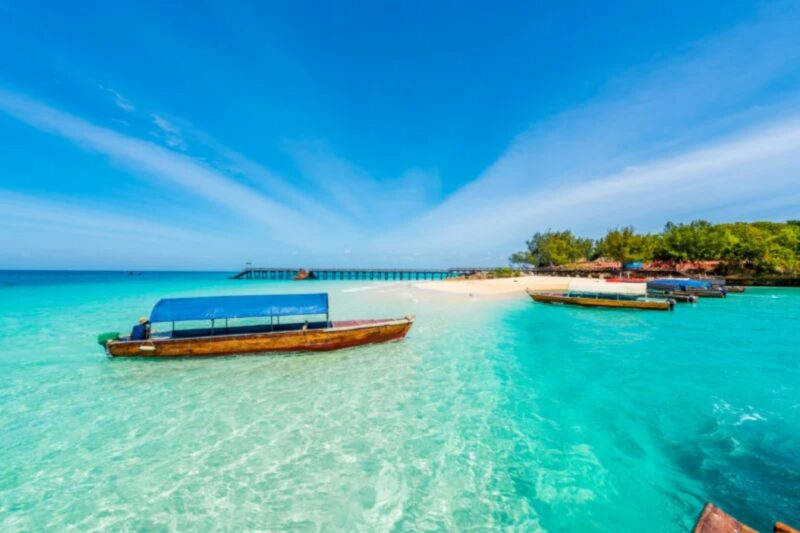
Lahaina sits on the leeward west coast of Maui, Hawaii, and served as the capital of the Hawaiian Kingdom from 1820 to 1845. The town built its identity around the 19th-century Pacific whaling trade, and that layered history—royal residency, missionary influence, and maritime commerce—is visible in its streets, landmarks, and cultural institutions today. The August 2023 wildfires caused catastrophic damage to much of historic Lahaina, and recovery and rebuilding efforts are ongoing; visitors should check current site access and business status before arrival.
What is Lahaina known for?
Lahaina is known above all for its enormous Indian Banyan Tree planted in 1873 in Banyan Tree Court on Hotel Street, its well-preserved 19th-century waterfront along Front Street, and its deep roots in Hawaiian royalty and the Pacific whaling industry. The tree’s canopy once shaded nearly an acre and its trunk system of aerial roots became one of the most photographed natural landmarks in all of Hawaii. The Lahaina Historic Trail connects more than 60 documented historic sites throughout the town core.
Best things to do in Lahaina
Walking the Lahaina Historic Trail, watching the sunset from the seawall along Front Street, and taking a whale-watching boat out of Lahaina Harbor are the three experiences most associated with the town. Between November and April, humpback whales congregate in the Auau Channel visible from shore, and the Pacific Whale Foundation operates naturalist-led tours from the harbor.
- Visit Banyan Tree Court on Hotel Street to see one of the largest banyan trees in the United States
- Tour the Baldwin Home Museum, an 1834 missionary residence maintained by the Lahaina Restoration Foundation
- Walk the Lahaina Harbor breakwater at sunrise for views of Lanai and Molokai across the channel
- Explore the remains and interpretive signage of Hale Piula, the unfinished 1830s royal palace site near the courthouse
- Take a snorkel or dive charter to Molokini Crater or Lanai departing from Lahaina Harbor
Where to eat in Lahaina
Before the 2023 fires, Front Street and its side streets concentrated the majority of Lahaina’s restaurants, ranging from plate-lunch counters serving loco moco and garlic shrimp to upscale Pacific Rim dining; the post-fire restaurant landscape continues to evolve, and travelers should verify current openings. Locally caught ahi tuna prepared as poke or seared with a macadamia-nut crust is the signature dish most associated with West Maui dining.
- Ahi tuna poke bowls remain a staple at surviving local eateries throughout the West Maui corridor
- Plate lunches featuring kalua pork, rice, and macaroni salad are available at food trucks operating in the area
- Shave ice with local flavors such as lilikoi and coconut is a widely available West Maui treat
Where to walk in Lahaina
The primary walking route runs along Front Street from the Lahaina Harbor north past Banyan Tree Court to the Baldwin Home Museum, covering the densest concentration of historic sites in roughly half a mile. A second route follows the shoreline path south from the harbor past the Lahaina Lighthouse, one of the oldest lighthouse sites in Hawaii, toward Puamana Beach Park.
How to get to Lahaina
Lahaina is reached by car or shuttle from Kahului Airport (OGG), the main commercial airport on Maui, via the Honoapiilani Highway (Highway 30), a drive of approximately 45 minutes under normal traffic conditions. The Maui Bus system operates the West Maui Islander route connecting Lahaina to Kaanapali and Kapalua, though schedules are limited; most visitors rent a car at OGG.
- Kahului Airport (OGG): main air entry point, 45-minute drive via Highway 30
- Honoapiilani Highway (Hwy 30): primary road access from Central Maui
- Maui Bus West Maui Islander route: public transit connecting Lahaina, Kaanapali, and Kapalua
- Lahaina Harbor: interisland ferry and commercial boat departure point
Best time to visit Lahaina
The driest and sunniest months on Lahaina’s leeward coast run from April through October, with average highs near 88°F and minimal rainfall; November through March brings slightly more wind and occasional rain but is prime humpback whale season in the Auau Channel. Shoulder months of April and October combine good weather with fewer crowds than the peak summer and winter holiday periods.