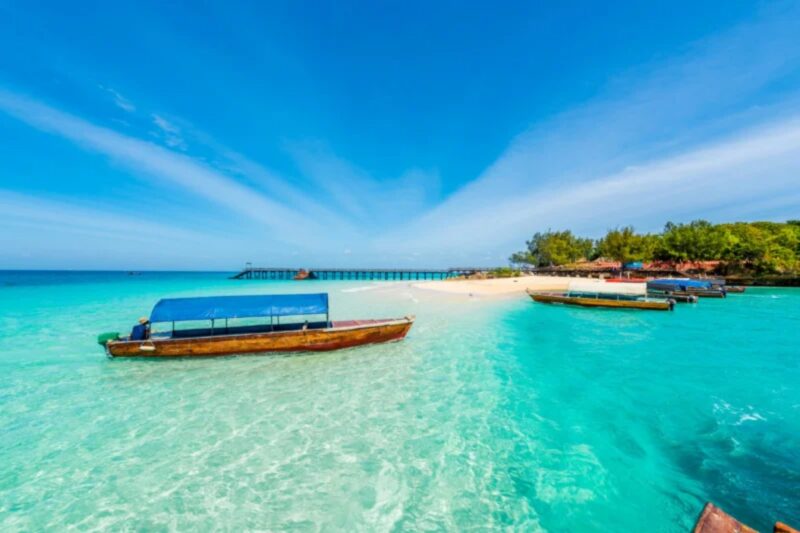
Vaitape sits on the western shore of Bora Bora’s main island, serving as the administrative and commercial heart of the commune. It is the arrival point for most visitors coming by ferry from the airport motu, and the place where everyday island life—banking, grocery shopping, dining—unfolds away from the resort-dominated lagoon shores. The town is compact and walkable, giving travelers a grounded sense of how Polynesians actually live on this famously touristic island.
What is Vaitape known for?
Vaitape is known as Bora Bora’s only real town, housing the main quay (Quai Vaitape) where passenger ferries from the airport and inter-island vessels dock, along with the majority of the island’s banks, pharmacies, small supermarkets, and souvenir shops concentrated along its central road. The town also holds the island’s mairie (town hall) and the Catholic church, making it the civic and practical center of Bora Bora life. Visitors use it as the functional base for accessing the rest of the island via the single coastal road (Route du Tour de l’Île) that encircles the main island.
Best things to do in Vaitape
The most rewarding activities in Vaitape involve engaging with daily Polynesian life rather than resort amenities: browsing the small covered market for local produce and crafts, watching inter-island cargo boats unload at the quay, and visiting the Catholic church near the town center, which features Polynesian-influenced decoration. From Vaitape, visitors can arrange lagoon excursions, shark-and-ray snorkeling tours, and 4WD excursions up to the WWII-era American gun batteries on Mount Pahia’s lower slopes.
- Browse local produce and crafts at the covered market near the quay
- Walk the waterfront at Quai Vaitape and watch ferry traffic
- Arrange 4WD or hiking excursions toward Mount Otemanu and Mount Pahia
- Visit the mairie and the Polynesian Catholic church in the town center
- Rent a bicycle or scooter to tour the coastal road around the island
Where to eat in Vaitape
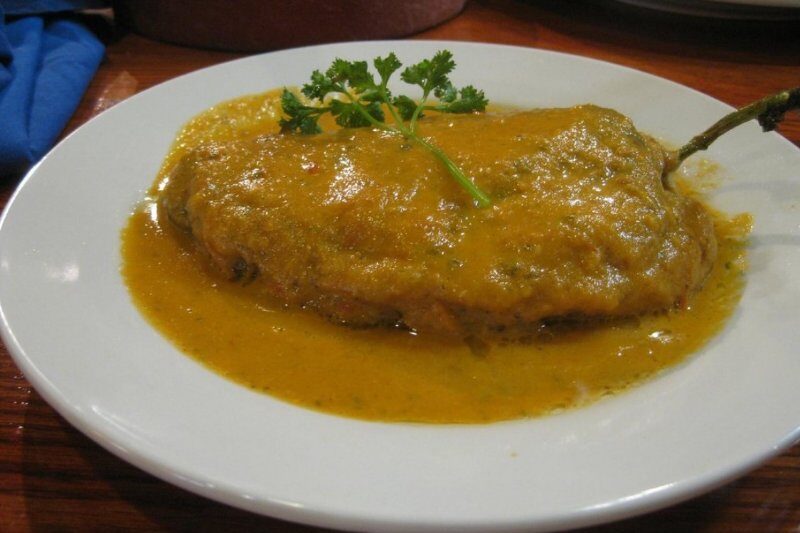
Vaitape has several locally oriented restaurants and snack bars (casual eateries called roulottes or snacks in French Polynesia) along its main road that serve Polynesian and French-inflected dishes at prices well below resort levels. Poisson cru—raw fish marinated in lime juice and coconut milk—is the essential local dish to try, and most small restaurants serve it daily alongside grilled mahi-mahi and French baguettes. Small supermarkets like Chin Lee stock local ingredients and cold drinks for self-catering visitors.
- Order poisson cru at any local snack bar near the quay
- Try grilled fish plates at affordable roulottes along the main road
- Pick up fresh baguettes and groceries at Chin Lee supermarket
How to get to Vaitape
Vaitape is reached from Bora Bora Airport—located on a separate motu (islet) to the north—via a short Air Tahiti shuttle boat that docks directly at Quai Vaitape, making it the first point of entry for nearly all visitors. Inter-island ferry services operated by Hawaiki Nui also connect Vaitape quay to Raiatea, Tahaa, and Huahine. Once in Vaitape, the single paved road circling the main island is served by shared taxis (le truck), rental bicycles, scooters, and cars available from local agencies in town.
- Airport shuttle boat to Quai Vaitape (approximately 10 minutes)
- Hawaiki Nui inter-island ferry from Raiatea and Huahine
- Le truck shared taxis along Route du Tour de l’Île
- Bicycle and scooter rentals from agencies near the quay
Where to walk in Vaitape
The main walking route in Vaitape follows the waterfront road from Quai Vaitape northward and southward, passing the market, church, mairie, and small shops within a roughly 10-to-15-minute stretch. The Route du Tour de l’Île extending south from town offers flat, scenic waterfront walking with views across the lagoon toward the overwater bungalows and the interior peaks of Mount Otemanu.
Best time to visit Vaitape
Vaitape and Bora Bora as a whole are most comfortably visited during the dry season from May through October, when temperatures sit around 26–28°C, humidity is lower, and rainfall is minimal, making outdoor walking and market visits pleasant. The wet season (November through April) brings heavier rain and higher humidity but also fewer tourists and lower accommodation rates. Market activity is liveliest on weekday mornings when local vendors are most present.