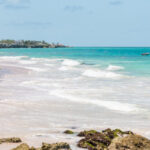
Crane Beach on Massachusetts’ North Shore presents a rare harmony of natural splendor and thoughtful conservation, with over four miles of pristine white sand backed by rolling dunes and maritime pitch pine forests. Part of the 2,100-acre Crane Estate, this ecological treasure offers more than just seaside recreation—it serves as a critical habitat for over 300 species of plants and animals, including the federally protected piping plover. The beach’s distinctive dune system, one of the finest on the East Coast, was formed by glacial deposits and continues to evolve through natural coastal processes, providing a living example of geological forces at work. Visitors traverse the landscape via five miles of carefully maintained hiking trails that wind through diverse ecological zones, from beachfront to maritime forest. The property’s conservation legacy dates to 1945 when Richard Crane Jr. entrusted the estate to The Trustees of Reservations, ensuring this spectacular stretch of coastline would remain unspoiled by development. Beyond summer swimming and sunbathing, the beach offers year-round appeal for birdwatchers, naturalists, and those seeking solitude amidst remarkable natural beauty just 30 miles from Boston.
Cultural Context
Premier New England beach preserving public access to spectacular coastline, managed by Trustees of Reservations nonprofit for conservation and recreation, represents American tradition of wealthy families gifting estates for public benefit, celebrates nature and culture connection
Historical Context
Originally Native American land then common land, passed through multiple owners from John Winthrop Jr 1600s to Crane family purchase early 1900s, donated by Florence Crane 1945 and 1949 in memory of Richard T Crane Jr, 75+ years public stewardship