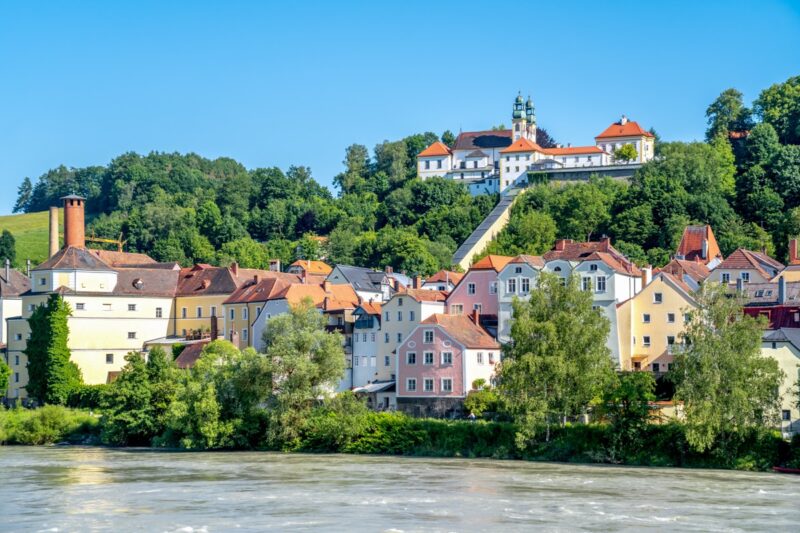
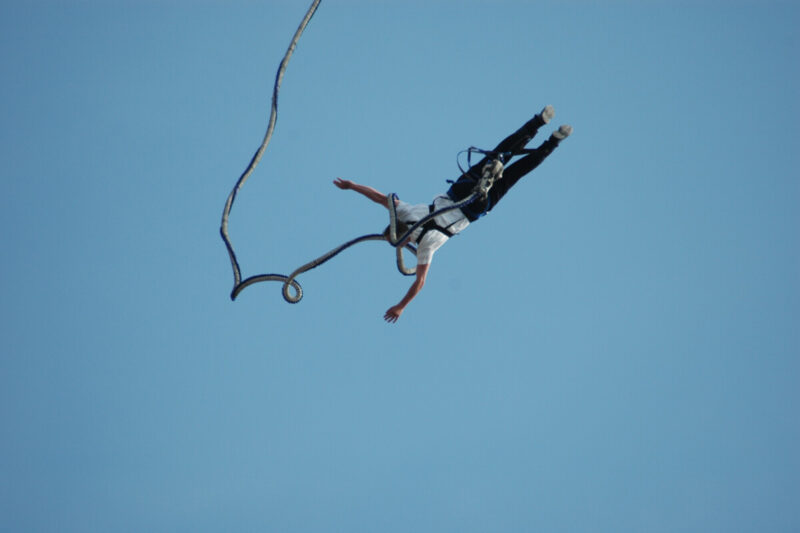
Chile, a ribbon of land stretching along South America’s Pacific coast, offers one of the world’s most geographically diverse countries within a narrow strip 2,650 miles long. From the otherworldly landscapes of the Atacama Desert—the driest place on Earth—to the pristine wilderness of Patagonia, Chile showcases dramatic contrasts that seem impossible within a single nation. The country encompasses mysterious Easter Island with its ancient moai statues, world-renowned wine regions in fertile central valleys, the cosmopolitan capital Santiago nestled against the Andes, and the glacial fjords of the south. Chile’s unique geography, combined with indigenous Mapuche heritage and European influences, creates a destination offering everything from stargazing in crystal-clear skies to ice trekking on ancient glaciers.
Chile
Country in Chile, South AmericaUpdated
- Overall6/10
- Best forBudget travelers, Solo travelers
- PeakDec–Feb
- CurrencyCLP
Chile is 2,650 miles of contradictions — Atacama desert in the north, Patagonian ice fields in the south, and world-class wine country in between.
At a glance
- Spanish
- Andes Mountains
- Atacama Desert
- Patagonian fjords
- Pacific coast
- {"name": "Adventurers"}
- {"name": "Nature Lovers"}
- {"name": "Culture Seekers"}
Practical basics
- Driving side
- Right
- Electrical standard
- 220V/50Hz Type C/L
- Measurement system
- Metric
- Emergency numbers
- 131/133
- Country code
- CL
How Chile scores
Character
Editorial scores on a 10-point scale, weighed against destinations of the same kind.
Travel safety snapshot
SafePlace indicators use their source 100-point scale; higher is more favourable. Planning context, not a live travel advisory — check official government guidance before you go.
When to go
Best months to visit: January, February, March, April, May, September, October, November and December.
- January: 12.8 to 23.5 degrees Celsius, 0.8 millimetres of rain, best-time score 4 out of 5.
- February: 13 to 23.7 degrees Celsius, 0.7 millimetres of rain, best-time score 4 out of 5.
- March: 11.5 to 22.6 degrees Celsius, 0.8 millimetres of rain, best-time score 5 out of 5.
- April: 9.2 to 20 degrees Celsius, 11.8 millimetres of rain, best-time score 5 out of 5.
- May: 6.9 to 17.7 degrees Celsius, 31 millimetres of rain, best-time score 4 out of 5.
- June: 4.7 to 15.2 degrees Celsius, 73.7 millimetres of rain, best-time score 3 out of 5.
- July: 4.2 to 14.9 degrees Celsius, 43.9 millimetres of rain, best-time score 3 out of 5.
- August: 5.1 to 15.9 degrees Celsius, 32.1 millimetres of rain, best-time score 3 out of 5.
- September: 6.2 to 17.5 degrees Celsius, 12 millimetres of rain, best-time score 4 out of 5.
- October: 7.5 to 19.2 degrees Celsius, 8.8 millimetres of rain, best-time score 5 out of 5.
- November: 9.7 to 21.1 degrees Celsius, 3.9 millimetres of rain, best-time score 5 out of 5.
- December: 11.2 to 22.3 degrees Celsius, 1.6 millimetres of rain, best-time score 5 out of 5.
Month-by-month conditions and packing advice
- January
- Mild to warm, mostly dry January in Chile: regional planning can still produce a strong itinerary around Chile’s varied seasonal highlights. Crowds: January in Chile is comfortable for sightseeing, neighborhoods, food stops, day trips, and outdoor time with limited weather friction. Pack: Pack layered clothing and comfortable walking shoes.
- February
- Mild to warm, mostly dry February in Chile: regional planning can still produce a strong itinerary around Chile’s varied seasonal highlights. Crowds: February in Chile is comfortable for sightseeing, neighborhoods, food stops, day trips, and outdoor time with limited weather friction. Pack: Pack layered clothing and comfortable walking shoes.
- March
- Mild to warm, mostly dry March in Chile: season-specific strengths include Patagonia access, Atacama trips, Santiago, wine country, lakes, and coastal routes. Crowds: March in Chile is comfortable for sightseeing, neighborhoods, food stops, day trips, and outdoor time with limited weather friction. Pack: Pack layered clothing and comfortable walking shoes.
- April
- Mild to warm, mostly dry April in Chile: season-specific strengths include Patagonia access, Atacama trips, Santiago, wine country, lakes, and coastal routes. Crowds: April in Chile is comfortable for sightseeing, neighborhoods, food stops, day trips, and outdoor time with limited weather friction. Pack: Pack layered clothing and comfortable walking shoes.
- May
- Cool to mild, occasional rain May in Chile: regional planning can still produce a strong itinerary around Chile’s varied seasonal highlights. Crowds: May in Chile is workable with normal seasonal planning; build in layers, weather checks, and a mix of indoor and outdoor activities. Pack: Pack layered clothing and comfortable walking shoes.
- June
- Cool to mild, some rain June in Chile: winter narrows Patagonia access but can work for skiing, cities, and the Atacama. Crowds: June in Chile is workable with normal seasonal planning; build in layers, weather checks, and a mix of indoor and outdoor activities. Pack: Pack layered clothing and comfortable walking shoes. Add a rain jacket or compact umbrella.
- July
- Cool to mild, occasional rain July in Chile: winter narrows Patagonia access but can work for skiing, cities, and the Atacama. Crowds: July in Chile is workable with normal seasonal planning; build in layers, weather checks, and a mix of indoor and outdoor activities. Pack: Pack layered clothing and comfortable walking shoes.
- August
- Cool to mild, occasional rain August in Chile: winter narrows Patagonia access but can work for skiing, cities, and the Atacama. Crowds: August in Chile is workable with normal seasonal planning; build in layers, weather checks, and a mix of indoor and outdoor activities. Pack: Pack layered clothing and comfortable walking shoes.
- September
- Cool to mild, mostly dry September in Chile: regional planning can still produce a strong itinerary around Chile’s varied seasonal highlights. Crowds: September in Chile is workable with normal seasonal planning; build in layers, weather checks, and a mix of indoor and outdoor activities. Pack: Pack layered clothing and comfortable walking shoes.
- October
- Cool to mild, mostly dry October in Chile: season-specific strengths include Patagonia access, Atacama trips, Santiago, wine country, lakes, and coastal routes. Crowds: October in Chile is workable with normal seasonal planning; build in layers, weather checks, and a mix of indoor and outdoor activities. Pack: Pack layered clothing and comfortable walking shoes.
- November
- Mild to warm, mostly dry November in Chile: season-specific strengths include Patagonia access, Atacama trips, Santiago, wine country, lakes, and coastal routes. Crowds: November in Chile is comfortable for sightseeing, neighborhoods, food stops, day trips, and outdoor time with limited weather friction. Pack: Pack layered clothing and comfortable walking shoes.
- December
- Mild to warm, mostly dry December in Chile: season-specific strengths include Patagonia access, Atacama trips, Santiago, wine country, lakes, and coastal routes. Crowds: December in Chile is comfortable for sightseeing, neighborhoods, food stops, day trips, and outdoor time with limited weather friction. Pack: Pack layered clothing and comfortable walking shoes.
- December
- January
- February
- June
- July
- August
Know before you go
About
Chile, a ribbon of land stretching along South America’s Pacific coast, offers one of the world’s most geographically diverse countries within a narrow strip 2,650 miles long. From the otherworldly landscapes of the Atacama Desert—the driest place on Earth—to the pristine wilderness of Patagonia, Chile showcases dramatic contrasts that seem impossible within a single nation. The country encompasses mysterious Easter Island with its ancient moai statues, world-renowned wine regions in fertile central valleys, the cosmopolitan capital Santiago nestled against the Andes, and the glacial fjords of the south. Chile’s unique geography, combined with indigenous Mapuche heritage and European influences, creates a destination offering everything from stargazing in crystal-clear skies to ice trekking on ancient glaciers.
Neighbourhoods
Santiago’s Barrio Lastarria and Bellavista are bohemian quarters with street art, craft markets, and cerro (hill) funiculars. Valparaíso, 120 km northwest on the Pacific coast, is a UNESCO World Heritage port city built on steep hillsides connected by antique ascensores (funicular elevators). San Pedro de Atacama in the northern Atacama Desert is the base for salt flats, geysers, and some of the world’s best stargazing. Puerto Natales in Patagonia serves as the gateway to Torres del Paine National Park.
Getting there and around
Getting there
Chile is primarily accessed via Santiago Arturo Merino Benitez International Airport (SCL). Major airlines like LATAM, Delta, and British Airways offer direct or connecting flights from North America and Europe, with direct flights from New York taking over 10 hours. Scenic overland travel popular from neighboring countries, particularly the bus route from Mendoza, Argentina crossing the Andes via Paso Internacional Los Libertadores. Other key land crossings connect with Peru at Arica and Bolivia near San Pedro de Atacama. U.S. citizens need no visa for 90-day tourist stays but receive Tourist Card upon arrival that must be returned upon departure.
Getting around
Navigate Chile’s dramatic 4,300km length through strategic transport mixing—buses for budget, flights for efficiency, and ferries when the journey becomes the adventure. Board comfortable long-distance buses via TurBus and Pullman from Santiago’s multiple terminals: Alameda (national), Los Heroes (less crowded), Sur (southern Chile), connecting the entire country with Clasico (cheapest), Semicama (reclining seats), or Cama (premium comfort) services. Fly domestically via LATAM, Sky Airline, or budget Jet Smart from Santiago’s SCL hub to reach Patagonia destinations like Coyhaique, Punta Arenas, and Puerto Natales—essential for covering vast distances efficiently. Experience Chile’s scenic highlight aboard Navimag ferries through spectacular fjords from Puerto Montt to Puerto Natales (four days/three nights), or catch ferries linking offshore islands like Chiloé and Tierra del Fuego. Use Puerto Montt as your Patagonian gateway—just 11-13 hours by bus from Santiago, connecting northern and southern Patagonia by land and sea.
Top experiences in Chile
Torres del Paine National Park
A UNESCO Biosphere Reserve in Chilean Patagonia, Torres del Paine is dominated by three granite towers (the Torres) and the Cuernos (Horns) massif. The W Trek (5 days) and the O Circuit (8–10 days) traverse glaciers, turquoise lakes, and beech forests. Grey Glacier calves icebergs into Lago Grey, and wildlife includes guanacos, Andean condors, and pumas. Wind and weather can change within minutes at any time of year.
Atacama Desert & Valle de la Luna
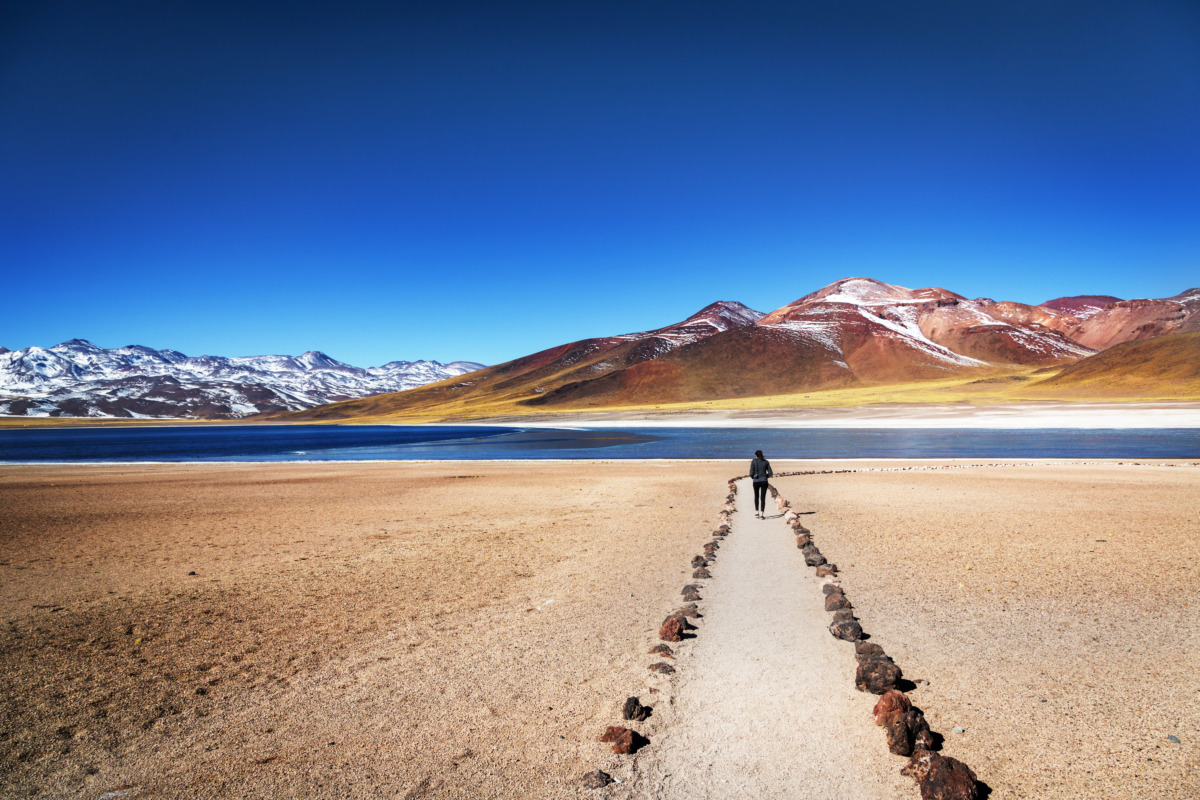
The driest non-polar desert on Earth, the Atacama is a surreal landscape of salt flats, sand dunes, and eroded canyons. The Valle de la Luna (Valley of the Moon) near San Pedro de Atacama features wind-sculpted rock formations and sunsets that paint the landscape in red and purple. By night, the ALMA Observatory and several tour operators offer stargazing sessions under some of the clearest skies anywhere on the planet.
Valparaíso's Cerros & Street Art
Chile’s principal port is built on 42 steep cerros (hills) connected by 15 historic funicular elevators (ascensores), some operating since the 1880s. The hillside neighbourhoods of Cerro Alegre and Cerro Concepción are covered in colourful murals, mosaics, and street art, with boutique hotels and cafés occupying renovated Victorian-era mansions. The labyrinthine stairways and hidden plazas make unplanned wandering the best way to explore.
Easter Island (Rapa Nui)
Located 3,700 km off Chile’s coast in the southeastern Pacific, Rapa Nui is home to nearly 900 monumental moai statues carved by the island’s Polynesian ancestors between the 13th and 16th centuries. Ahu Tongariki, with 15 restored moai facing inland, is the largest ceremonial platform. The volcanic crater lake of Rano Kau and the birdman cult village of Orongo offer dramatic cliffside settings. LATAM operates daily flights from Santiago.
Chiloé Archipelago
An archipelago of islands off Chile’s Lake District coast, Chiloé is known for its 16 UNESCO-listed wooden churches, built by Jesuit missionaries in the 17th and 18th centuries without a single nail. The main island is covered in emerald farmland, wild beaches, and dense temperate rainforest. Palafitos—brightly painted houses on stilts over the water—line the harbour of Castro, the island’s capital. Local cuisine centres on curanto, a traditional seafood-and-meat feast cooked in an earth oven.
Editor-curated picks carried over from our original guide. Where a full place guide exists, the card links to it.
Where to stay
The Ritz-Carlton, Santiago
Costanera Norte 0100, Vitacura, Santiago, Chile
Five-star urban hotel in Santiago’s Vitacura district with floor-to-ceiling Andes views, rooftop pool, spa, and a Michelin-calibre restaurant.
Alto Atacama Desert Lodge & Spa
Licanciín 1280, San Pedro de Atacama, Chile
Luxury all-inclusive desert lodge in Atacama with adobe-style rooms, a stargazing dome, saltwater pool, and expert-guided astronomic and geological excursions.
Hotel AWA, Puerto Varas
Fundo San José s/n, Sector Ensenada, Puerto Varas, Chile
Lakeside lodge in Patagonia’s Lake District with mountain-view rooms overlooking Llanquihue Lake and Osorno Volcano, a spa, and gourmet regional cuisine.
Editor-curated stays carried over from our original guide. Where we have reviewed the hotel, the card links to the review.
Tips from the field
Highlights
- Adventure-seeker's paradise with diverse landscapes, rich culture, and ancient mysteries to uncover.
Local experiences
- Chilean cuisine reflects the country's diverse geography from Pacific coastline to Andes mountains, combining indigenous Mapuche ingredients with Spanish colonial and immigrant influences. Seafood dominates the coastal regions with excellent preparations of congrio (conger eel), reineta, and shellfish including locos (abalone) and centolla (king crab). Traditional dishes include empanadas de pino, cazuela stews, and asado barbecues featuring excellent beef. The country's wine regions produce world-class reds and whites that pair perfectly with local cuisine. Regional specialties vary from north to south, including northern seafood, central valley produce, and Patagonian lamb, all influenced by the country's long, narrow geography.
Practical tips
- When visiting Barrio Bellavista, plan your visit around dusk to catch the vibrant street art in natural light and stay for the evening nightlife starting around 9 PM at local bars like La Piojera.
- Join a traditional Mapuche weaving workshop in the Araucanía region, ideally booked in advance for a morning session between 9 AM and 12 PM, to learn ancestral textile techniques directly from indigenous artisans.
- Use the Bip! card for unlimited metro and bus rides in Santiago, available at metro stations for about 2,500 CLP; download the Transantiago app for real-time bus schedules to avoid long waits during peak hours (7-9 AM and 6-8 PM).
- Attend the Colchagua Valley vendimia (grape harvest) in March and participate in local vineyard harvests by day, followed by evening tastings and traditional folk music performances at boutique wineries like Viu Manent.
- If visiting the Fiesta de La Tirana in July, arrive early in the morning to secure a spot near the main square and dress modestly out of respect for the deep religious significance of the indigenous-Catholic rituals.
Timing
- Chile celebrates diverse festivals from north to south, reflecting its varied geography and cultures. La Tirana Festival (July) in the Atacama Desert honors the Virgin of Carmen with colorful indigenous dances and costumes. Chilean Independence Day (September 18-19) brings nationwide fondas (traditional parties) with cueca dancing, empanadas, and chicha. The Valparaiso New Year celebration features spectacular fireworks over the Pacific Ocean. Harvest festivals (March-April) in wine regions celebrate vendimia with grape stomping and tastings. The Tapati Festival on Easter Island (February) preserves Polynesian culture with traditional competitions and ceremonies. Winter solstice (June 21) brings indigenous We Tripantu celebrations in Mapuche regions.
Culture, customs and safety
Cultural heritage
Chile distinctive cultural heritage centers on the Mapuche people, who comprise 80% of indigenous populations and speak Mapudungun language. Traditional Mapuche arts include intricate textiles, silver work, and musical instruments, preserved by UNESCO Living Treasure Lorenzo Aillapán, known as the “Birdman” for interpreting bird songs through onomatopoeia. Six UNESCO World Heritage sites showcase diverse heritage: Chinchorro mummification culture (2021), moai statues of Rapa Nui, wooden Chiloé churches with unique palafito architecture, colorful Valparaíso historic quarter, Qhapaq Ñan Andean road system, and endangered Humberstone saltpeter works. Colonial Spanish influence appears in Santiago, Valparaíso, and Valdivia architecture featuring churches, plazas, and government buildings. Traditional Mapuche rucas (dwellings) contrast with contemporary fusion art incorporating sacred Pehuén trees. Araucanía region serves as Mapuche cultural heartland, while Chiloé archipelago maintains distinct festivals and traditional music celebrating Chilote heritage. Modern artistic exchange continues through international collaborations combining traditional weaving with contemporary QR code designs.
Local customs & etiquette
Chileans tend to be more reserved than their other Latin American counterparts, so communication is often more formal. A handshake is a standard greeting, though friends will exchange a single kiss on the right cheek. Punctuality is valued in professional settings, so it is important to be on time for meetings.