
MenuClose

Plan the practical part

Basque Coast Trip Cost: How Much Does It Cost to Visit in 2026?

Daily budget guide for Basque Coast (prices in EUR)Updated

  • Budget€85–€195 / day
  • Mid-range€195–€430 / day
  • Luxury€430–€645 / day
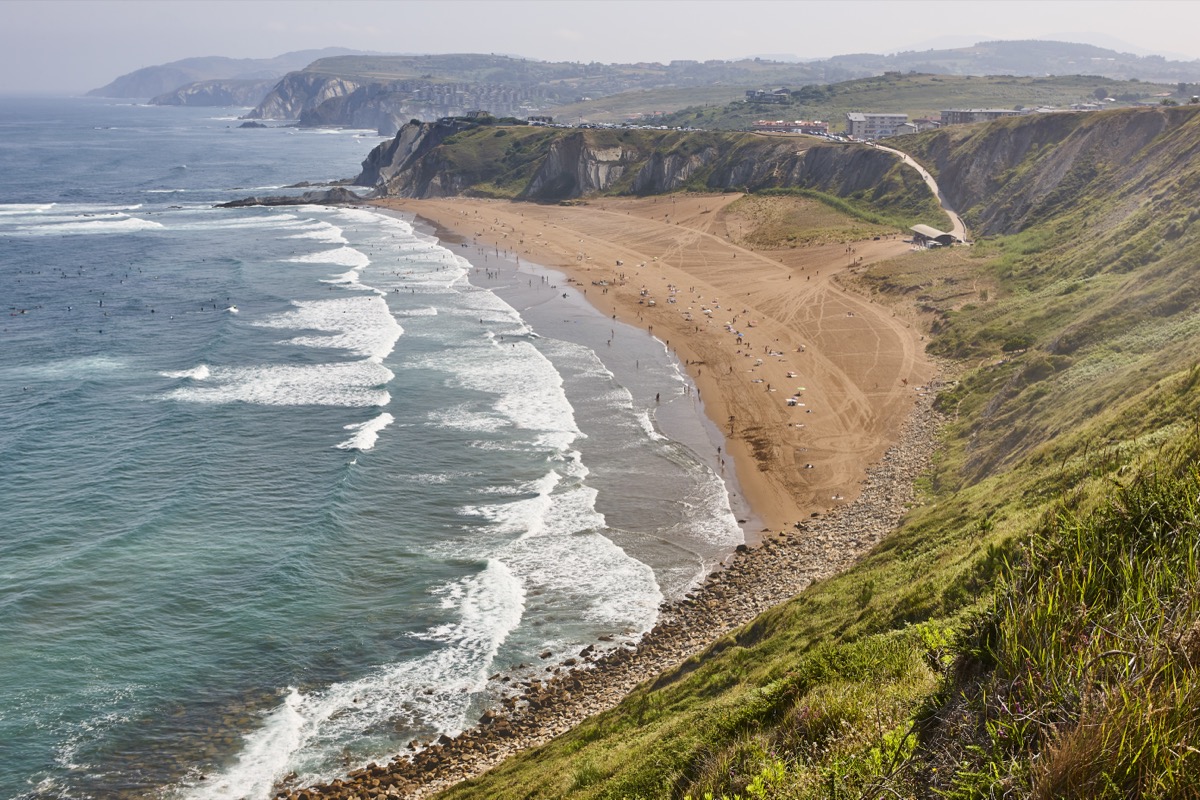
Aerial view of La Salvaje Beach Barinatxe, Sopelana, Basque Country, Spain with surfers and cliffs.
Daily budget

What a day in Basque Coast costs

Budget

€85–€195 / day

≈ $98 USD

Hostels or guesthouses, street food and markets, public transport.

Mid-range

€195–€430 / day

≈ $226 USD

Comfortable hotels, sit-down restaurants, a few paid activities.

Luxury

€430–€645 / day

≈ $498 USD

Boutique or five-star stays, fine dining, private tours and transfers.

Estimates are per person, per day, in EUR. USD equivalents use open.er-api.com exchange rates from 3 Sep 2026.

Make it your trip

What could your trip cost?

Choose your pace and travel style. Start with the published daily estimate, then make room for the things you care about.

Estimated trip budget · EUR

€1,365–€3,010

7 days · 1 traveler · Mid-range

Daily budget per person
€195–€430
Season adjustment
×1

An editorial estimate, not a booking quote. Daily budget × days × travelers × season adjustment. Add flights, insurance, and any costs outside the guide separately. Shared rooms and child rates may change your total.

Cost of living

Everyday prices

Inexpensive meal
EUR 8-14 (pintxos)
Mid-range meal for two
EUR 25-40
Local beer
EUR 3-5
Cappuccino
EUR 2-3
Single transit ticket
EUR 1.75-2.85

Typical prices at the time of research, in EUR; expect variation by neighbourhood and season.

Seasonal pricing

Prices through the year

  • Low×0.81
  • High×1.55
  • Shoulder×1.08

The best time to visit the Basque Coast is June and September, when warm temperatures, reduced crowds, and lower prices converge. The Basque Coast has a maritime climate — milder and wetter than interior Spain — with rainfall possible year-round.
Spring (March-May)
Temperatures rise from 10-18°C (50-64°F). Green hillsides and blooming coastline make for beautiful hiking. Crowds are thin, but some beach-side businesses may not yet be fully open. Easter brings processional celebrations.
Summer (June-August)
Highs of 22-28°C (72-82°F) with long days and the warmest sea temperatures. July and August are peak season — beaches fill, Aste Nagusia festivals enliven Bilbao and San Sebastián, and accommodation prices spike. Book well in advance for August. June is ideal for balancing warmth and crowd levels.
Autumn (September-October)
September delivers warm weather (18-24°C / 64-75°F) with noticeably fewer visitors. The San Sebastián International Film Festival in September brings cultural energy. October is harvest season in the txakoli wine region. Rainfall increases through November.
Winter (November-March)
Mild by northern European standards — 8-13°C (46-55°F) — but rainy. Storm-watching along the coast is dramatic. Pintxos culture thrives indoors, and cultural attractions like the Guggenheim are crowd-free. Ideal for food-focused travel.

The Basque Coast stretches along northern Spain, offering dramatic cliffs, world-renowned cuisine, and a distinctive culture. San Sebastián, Bilbao, and smaller fishing villages like Getaria and Hondarribia make this one of Europe’s most compelling coastal destinations.

Overview

The Basque Coast is pricier than southern Spain but offers extraordinary value for food lovers. The currency is the Euro (EUR). Daily costs range from €80 for budget travelers to €400+ for those chasing Michelin stars. The biggest savings come from visiting in shoulder season (May-June or September-October), when prices drop 25-35% from summer peaks while weather remains excellent.

Daily Budget Breakdown

Budget (€80/day | ~$85 USD): Stay in hostels or pensions (€25-45/night), eat menu del día lunches (€15-22 for 3 courses with wine) and affordable pintxos (€20-35/day total on food), and use the €5.50 day pass for public transport. The beaches and coastal walks are free.

Mid-Range (€180/day | ~$195 USD): Book a comfortable 3-star hotel (€100-140/night), enjoy pintxos crawls and sit-down restaurant meals (€45-70/day), and take trains between coastal towns (€15-30/day). Add a cooking class or cider house visit for €75-120.

Luxury (€400/day | ~$430 USD): Stay in a boutique hotel with sea views (€200-350/night), dine at Michelin-starred restaurants (€100-180/day), and rent a car to explore the coast at your pace (€50-80/day). Private gastro-tours cost €150-250 per person.

Where to Save

The menu del día is your best friend — nearly every restaurant offers a multi-course lunch with wine for €15-22, delivering Basque-quality cooking at everyday prices. Walking the coastal paths between beaches is free and more scenic than any paid tour. Neighborhood pintxo bars outside the Old Town in San Sebastián offer the same quality at lower prices. Free attractions include La Concha beach, Monte Urgull, and the Bilbao riverfront promenade.

Where to Splurge

The Basque Coast has more Michelin stars per capita than almost anywhere on earth. A tasting menu at a Michelin-starred restaurant (€120-200 per person) is a once-in-a-lifetime culinary experience. A traditional Basque cider house dinner in the hills above San Sebastián (€35-50 per person) offers unlimited cider straight from the barrel alongside a set feast of cod and steak. A private pintxo tour with a local guide (€80-120) reveals hidden gems you would never find on your own.

Tips

Stretch your budget

Ways to save
  • Take the EUR 5 bus from Biarritz to San Sebastian instead of EUR 25-35 private transfers
  • Eat pintxos at bars for EUR 2-4 each instead of sit-down restaurants — graze your way through the old town
  • Visit April-May or September-October for 25-35% lower accommodation than peak July-August surf season
  • Use San Sebastians Airport Bus Line (EUR 2.85) instead of taxis at EUR 25-35 from the airport
  • Walk between Biarritz and San Sebastian attractions — both cities are compact and beach-accessible on foot
Budget tips
  • Order the menu del día at lunch for a 3-course meal with wine for €15-22
  • Go pintxo-hopping at neighborhood bars instead of sitting down at restaurants
  • Visit in shoulder season (September-October or May-June) for 25-35% lower prices
  • Buy a Barik transit card for discounted bus fares in San Sebastián
  • Walk the coastal paths between beaches — free, scenic, and the best way to experience the coast
Free things to do
  • Swim at La Concha Beach in San Sebastian — consistently rated one of Europes best urban beaches, free access
  • Walk the Biarritz coastal path from Grande Plage to Rocher de la Vierge — dramatic Atlantic cliff views
  • Stroll San Sebastians Parte Vieja (Old Town) — free pintxos bar-hopping atmosphere with no cover charges
  • Watch surfers at Cote des Basques in Biarritz — one of Europes most iconic surf breaks, free clifftop viewing
  • Explore Gustavias Waterfront Park at sunset — free harbor views over the French and Spanish Basque coastline
FAQ

Frequently asked questions

Is the Basque Coast expensive?

San Sebastian is moderately expensive; Biarritz is pricier. Pintxos grazing (EUR 2-4 each) keeps food affordable. Budget travelers spend EUR 80-110/day by walking, free beaches, and EUR 5 cross-border buses.

Can you visit both French and Spanish Basque in one trip?

Easily — Biarritz to San Sebastian is only EUR 5 by bus (1.5 hours). Bayonne, Saint-Jean-de-Luz, and Hondarribia are all within an hour. The border is seamless with no passport control.

When is the Basque Coast cheapest?

October-March has lowest rates. April-May and September offer warm weather, good surf, and 25-35% below peak July-August. Avoid San Sebastian film festival (September) and Biarritz summer holidays.

Planning the trip? Read the full Basque Coast guide.

Last reviewed Data: Editorial research · Published daily-cost surveys · Open exchange rates