

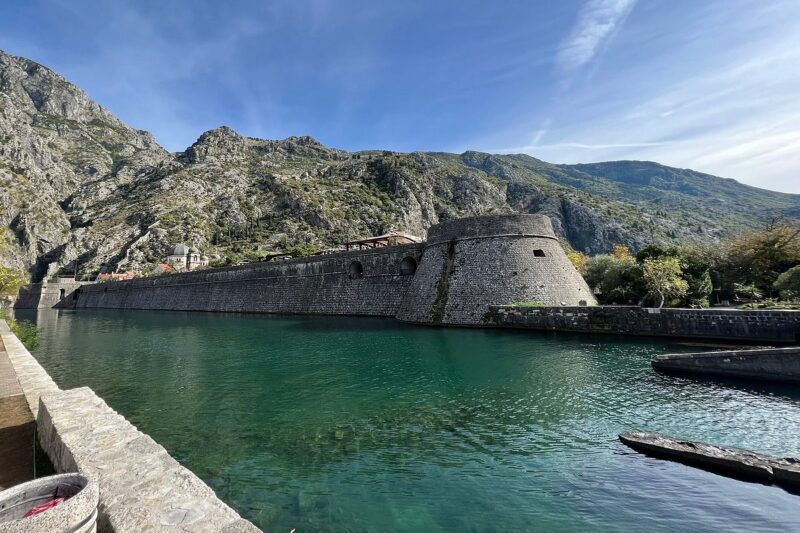
City Walls
Walking a city’s walls changes how you read the place below. The gates, towers, and worn stone tell you more than any museum inside.
The ViaTravelers atlas · Collections
An interest can be the beginning of an entire journey. Explore collections of places, experiences, and ideas worth following.
812 published guides and stories to explore
Walking a city’s walls changes how you read the place below. The gates, towers, and worn stone tell you more than any museum inside.
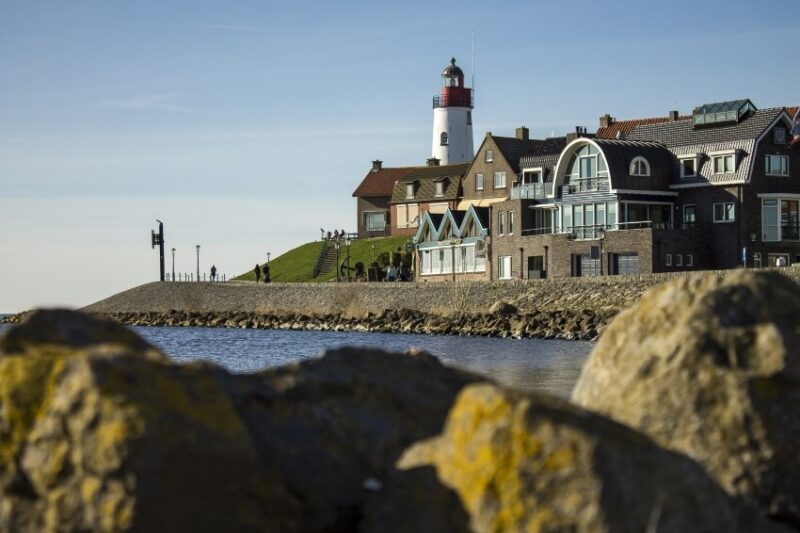
Cobblestone streets and artisan shops age better than any resort. The villages worth your time have one thing in common: locals still actually live there.

Chateau Country is where French countryside actually lives up to its reputation — stone estates, formal gardens, and villages that move at their own pace.

Jungle trails that end at the water — coastal rainforests are where biodiversity peaks and the beach crowds thin out fast.
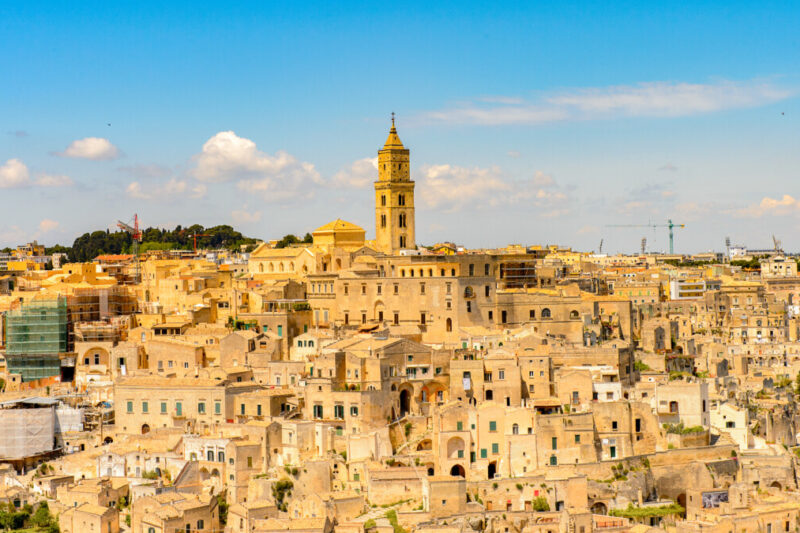
Terracotta roofs, cliffside trails, and cafés stacked up steep lanes — coastal hilltop towns reward the climb every time.

Coastal forests are where salt air meets old-growth canopy — the kind of terrain that makes every other hike feel ordinary by comparison.

Sandy beaches get the postcards, but the rugged cliff walks and tidal ecosystems are where the coast actually gets interesting.
Coastal deserts sit where dunes drop straight into the ocean — some of the most disorienting, quietly dramatic landscapes on the planet.

Coastal cliffs put you on the edge of something real — raw geology, open sea, and light that hits differently at 6pm.
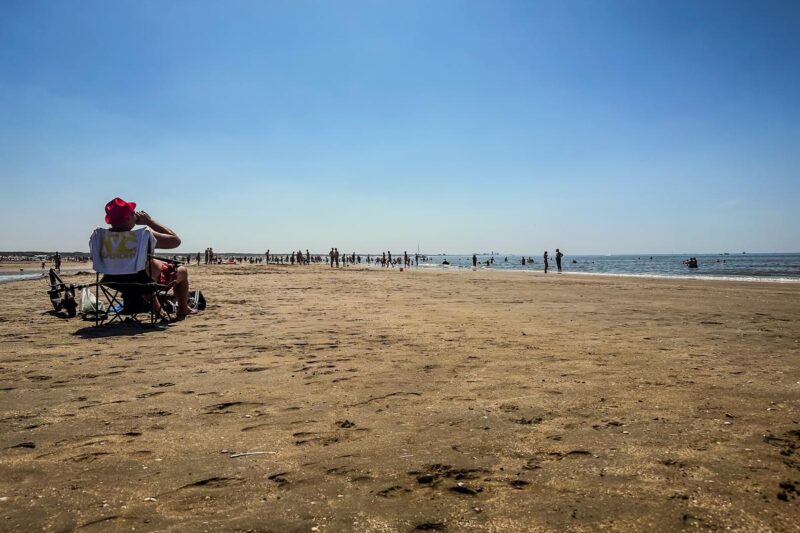
South Padre Island gets written off as a spring break spot. It shouldn’t be — the beaches rival anything on the Gulf Coast.
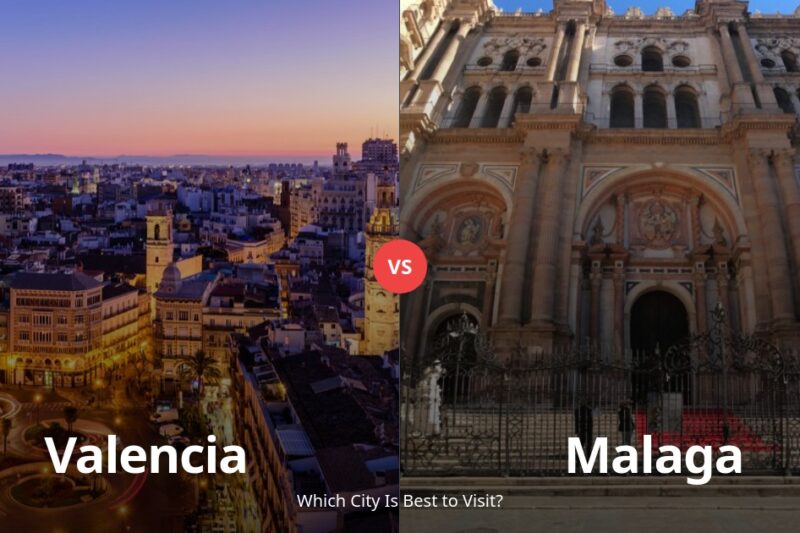
Not all beaches are equal — water temperature, crowd levels, and season timing separate a good beach trip from a great one.
The best coastal cities earn their reputation street by street — harbor markets, salt-aired promenades, and waterfront neighborhoods that reward slow walking.
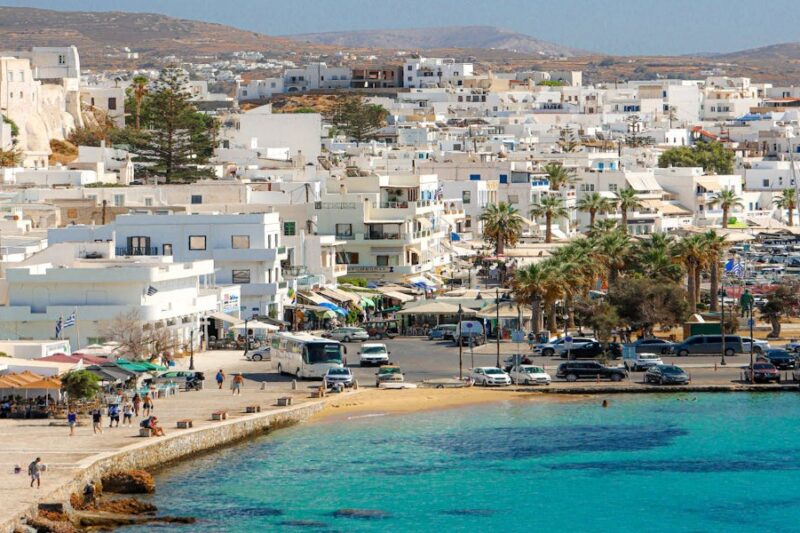
Coastal islands run the spectrum from crowded resort strips to places where the ferry schedule dictates your whole day. Both have their place.

Cobblestone streets and preserved facades tell sharper stories than any museum. These colonial towns are where the real history lives.
Cobblestone grids and baroque facades hold more history per block than most museums. Slow down, look up, and bring a wide-angle lens.
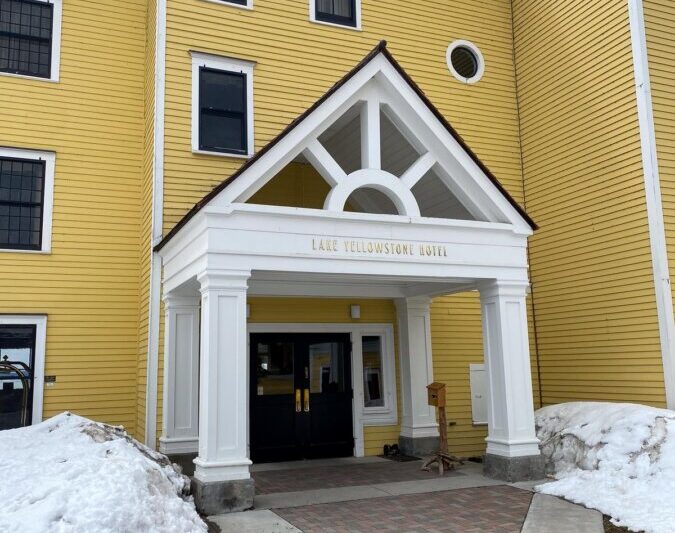
The colonnades here aren’t decoration — they’re a ledger of who controlled trade, labor, and land. Walk slowly.
Tidal marshes shift with every tide, and the wildlife follows. Coastal wetlands reward slow travelers who actually stop and look.

Coral reefs, hidden coves, sea-shaped cultures — coastal waters reward the traveler who slows down long enough to actually look.
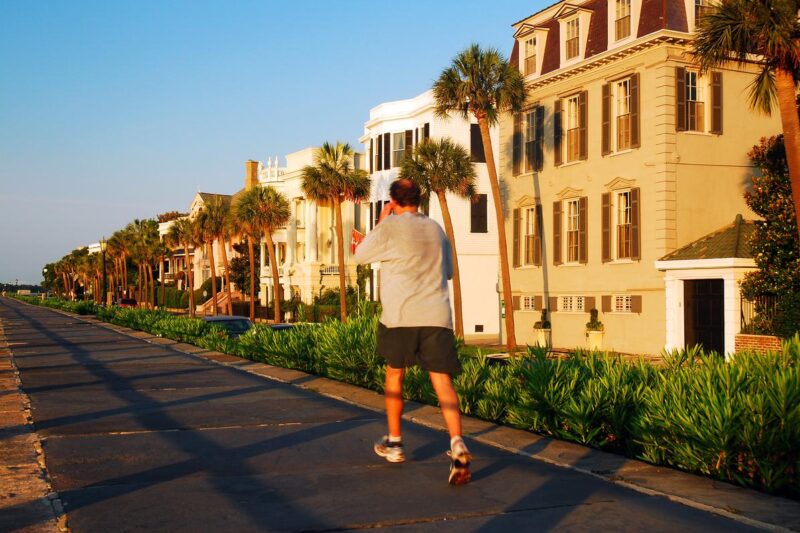
Boardwalk sunsets, tide pools, and calm bays built for slow mornings — coastal waterfronts are where the best beach trips actually happen.
Coastal cities hit different — salt air, fresh seafood, and actual neighborhoods worth wandering, not just a beach bolted onto a skyline.

Nowhere else puts glacial ridges and salt air in the same view — the Coastal Mountains reward the hikers willing to earn that horizon.

Harbor ferries, seafood markets at dawn, art museums a block from the water — coastal cities pack more into a mile than most places do in a country.

Rugged cliffs, fishing villages, and tide-carved shorelines — coastal landscapes reward the travelers who slow down enough to actually read them.