


Colorado Plateau
Four states, one ancient uplift — the Colorado Plateau’s slot canyons and dark skies make everywhere else feel geologically young.
The ViaTravelers atlas · Collections
An interest can be the beginning of an entire journey. Explore collections of places, experiences, and ideas worth following.
812 published guides and stories to explore
Four states, one ancient uplift — the Colorado Plateau’s slot canyons and dark skies make everywhere else feel geologically young.

Fishing nets still dry on the docks here. These are the coastal villages where the tide schedule matters more than the tourist season.
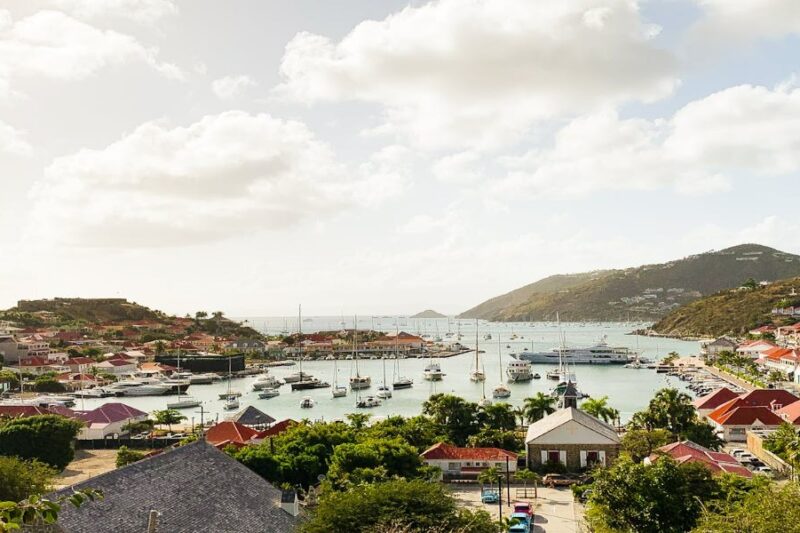
Coastal towns reward slow travelers — the kind who linger at the harbor, eat where the boats dock, and skip the resort strip entirely.
Vineyard terraces and rice paddies aren’t backdrops — they’re centuries of decision-making carved into the land itself.

The best neighborhoods don’t announce themselves. They smell like something cooking, have a hardware store next to a gallery, and nobody’s selling tours.
The best cities reveal themselves through their cultural venues — not the landmarks, but the institutions locals actually attend.
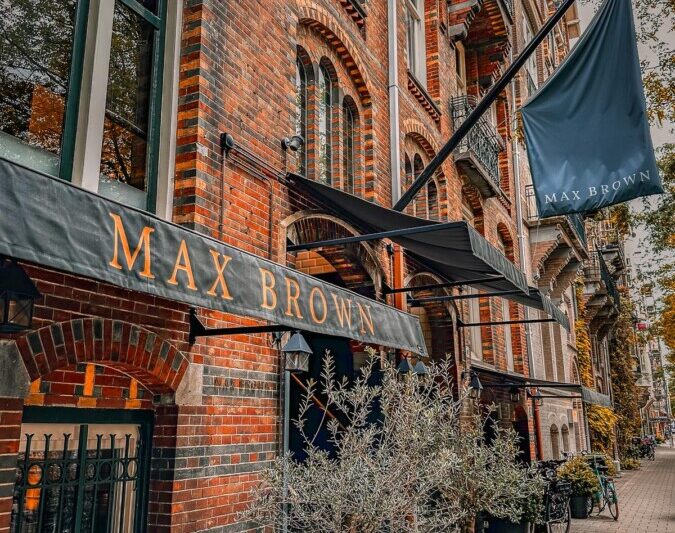
The best cultural districts reward slow walking — one block holds a century of history, a theater marquee, and a lunch spot locals actually use.

Coral reefs hold more life per square foot than almost anywhere on Earth — and most people only see 10% of what’s actually there.

Rolling fields and quiet villages move at a pace cities can’t replicate. The countryside rewards travelers who slow down enough to notice.
Some water is so clear you can count fish from the dock. These lakes, lagoons, and reefs made me stop and just stare.

Communist-era concrete isn’t ugly — it’s legible. Every brutal block tells you exactly what the state wanted its citizens to feel.

The food scene here isn’t a side trip — it’s the whole reason to go. Markets, counter joints, and chefs who actually care.
Dwarf shrublands don’t announce themselves — but the wildlife that calls them home and the slow seasonal color shifts make them worth seeking out.

New York’s Diamond District packs 2,600 businesses into a single block on 47th Street — and most visitors walk right past it.
The best neighborhoods aren’t the prettiest — they’re the ones where three languages share a block and the food tells the whole story.
Downtown is where a city stops performing for tourists and starts just being itself — offices, lunch crowds, street food, and all.

Rooftop views, walkable blocks, late-night spots two streets over — downtown done right is its own itinerary.
The Downtown Loop rewards walkers — historic facades, serious restaurants, and the kind of street energy that guidebooks describe but rarely capture.
Architecture, markets, and street life packed into one walkable core — the Downtown Triangle rewards slow mornings and impromptu detours.
The best skyline views rarely come from the obvious spots. Rooftop bars, bridge midpoints, and the far bank of the river usually win.
A bike path changes how you read a place. You stop when something catches your eye — no parking, no rush, no tour bus schedule.
Teak and sal forests look completely different in April than in August — same trail, two entirely different ecosystems.
Dense forests slow everything down. The canopy cuts the noise, the air changes, and suddenly you’re paying attention again.