


Geothermal Regions
Geothermal landscapes are restless, sulfurous, and genuinely unlike anything else — here are the regions worth planning a trip around.
The ViaTravelers atlas · Collections
An interest can be the beginning of an entire journey. Explore collections of places, experiences, and ideas worth following.
812 published guides and stories to explore
Geothermal landscapes are restless, sulfurous, and genuinely unlike anything else — here are the regions worth planning a trip around.

Glacial lakes hit different — the water is impossibly clear, the alpine silence is real, and nothing about them feels like a postcard.
Glaciers move about a meter a day and they’re retreating fast. The ones worth seeing now may look nothing like this in a decade.
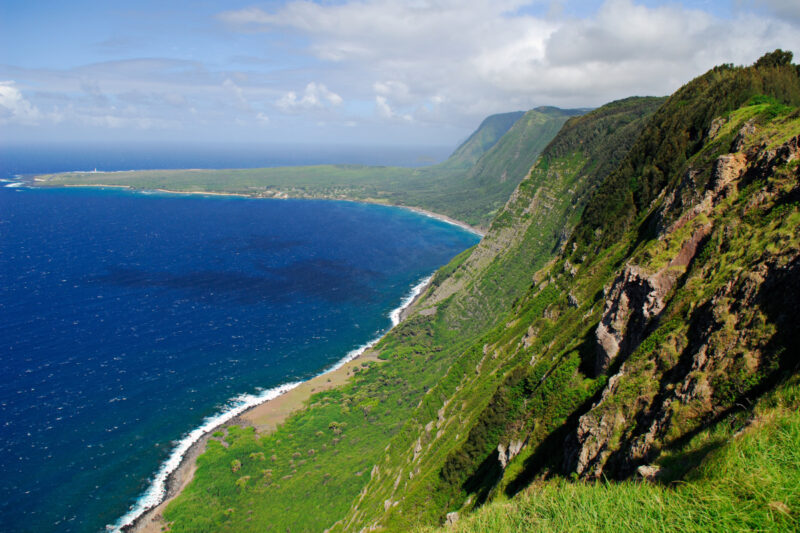
Glacial terrain moves slower than you think — and faster than it used to. These landscapes are shrinking, and some are worth visiting now.
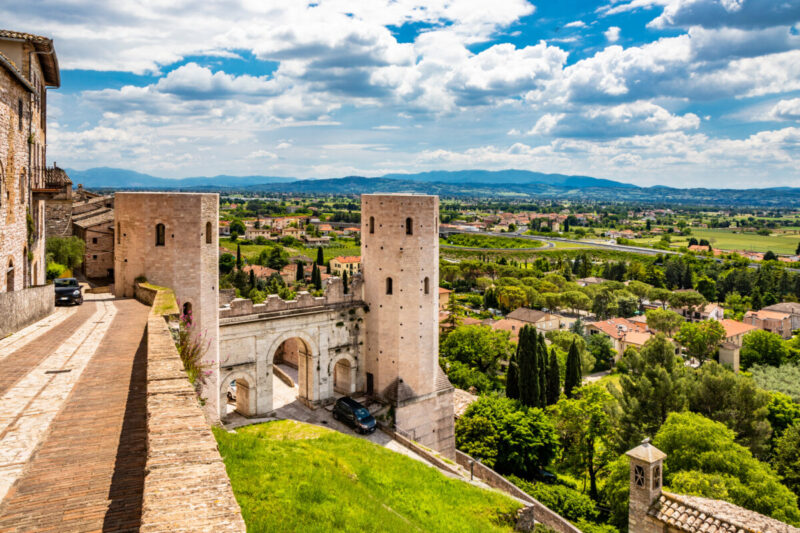
Walk the ramparts and the urban layout starts making sense — every gate, arrow slit, and courtyard was placed with intention.

Gion after dark hits differently — lantern-lit alleys, the click of wooden geta, and the rare chance to spot a real maiko.
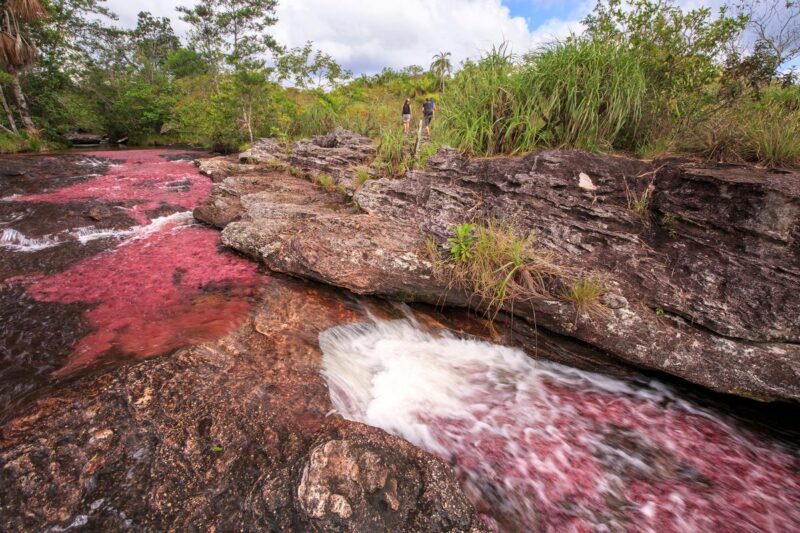
Some cities feed you. Others are built around feeding you. These are the places where the market, the kitchen, and the table are the whole point.
Forest Landscapes — Discover the serene beauty, diverse wildlife, and immersive trails of the world’s most captivating forests.
Forest Trails — Discover winding paths through lush forests, where nature’s sounds and scents guide every step of your journey.
Walls built to keep armies out now pull travelers in. These fortified cities are where the cobblestones, ramparts, and gates do the storytelling.

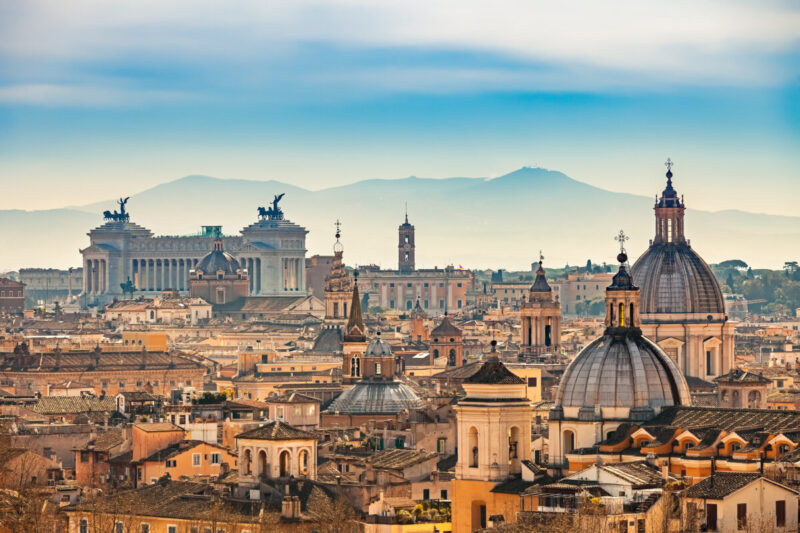
Harbor cities hit different — salt air, working docks, and seafood markets that actually feed locals, not just tourists.
Harborfronts get overrun fast — the trick is arriving before the tour groups and staying after the dinner rush, when the water actually feels like yours.
Water levels in these marshes shift faster than the weather. That instability is exactly what makes herbaceous wetlands some of the most productive wildlife habitat on earth.
Above the tree line, the rules change — thinner air, rawer landscapes, and wildlife you won’t find anywhere else on the map.
High deserts hit different at dusk — the light turns everything amber, the silence gets loud, and the stars come out earlier than you expect.

Parks do more than add color to a city map. These green spaces are designed to cool neighborhoods, restore focus, and actually reward slow walking.

Santorini gets the photos, but Naxos keeps the people who actually stay. The Greek Islands reward the ones who keep moving.
Grassy dunes sit at the edge of beach and meadow — wind-sculpted, wildlife-rich, and far quieter than the shoreline crowds a mile away.