


Gothic Architecture
Gothic cathedrals aren’t museums — most still hold mass. Knowing that changes how you visit them.
The ViaTravelers atlas · Collections
An interest can be the beginning of an entire journey. Explore collections of places, experiences, and ideas worth following.
812 published guides and stories to explore
Gothic cathedrals aren’t museums — most still hold mass. Knowing that changes how you visit them.

Grand architecture, luxury shopping, and nightlife that actually delivers — the city center rewards those who slow down enough to take it all in.

The best views rarely come easy — but a short uphill walk almost always beats a crowded overlook. These hilltop spots deliver.

Rolling hills change everything about a trip — the light, the pace, the views. These are the hilly destinations worth planning around.

Remote villages, terraced fields, and rivers that predate every map I’ve owned. The Himalayan Valley rewards the travelers who actually show up.
Cobblestones and courtyards do more storytelling than any museum. Historic neighborhoods show you how a city actually lived.
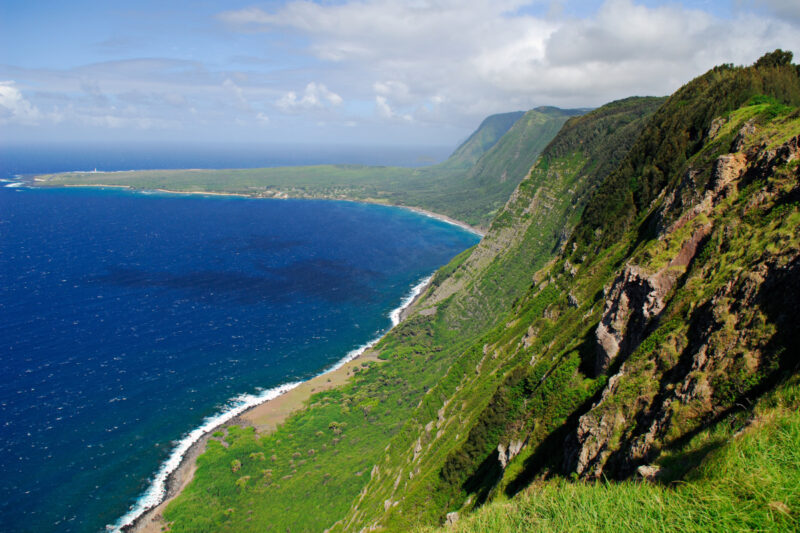
Castle walls hold more history per square foot than most museums — and the best ones let you roam the ramparts without a velvet rope in sight.
Cobblestone streets, rooftop views, and markets untouched by tourist crowds — hilltop towns reframe what slow travel actually means.
Tiered streets, rooftop views, and markets that actually close for lunch — hillside towns operate on their own logic, and it works.
Hillside terraces are where farming becomes landscape art — carved by hand over centuries into slopes most people would have abandoned.
High plateaus hit differently — thin air, endless sky, and landscapes so open they reset your sense of scale.
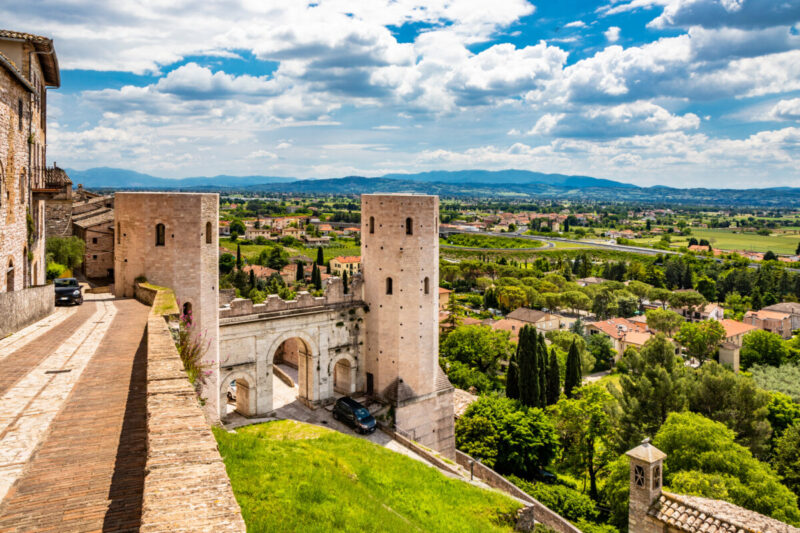
Above the treeline, the air thins and the water turns sapphire. These lakes reward the climb with reflections and night skies you won’t find at lower elevation.
Above treeline, the rules change. Thin air, fast weather, and glacier-carved terrain demand respect — and reward it with views nothing else matches.
Above 2,000 meters, the light hits differently, the air costs more effort, and the towns feel like they were built to outlast everything below.
The best hiking trails aren’t the famous ones — they’re the ones locals take on weekends. Here’s where to actually lace up.
Hill towns trade heat and crowds for cooler air and views that actually stop you mid-step. These are the ones worth the climb.
Terraced fields and villages that cling to slopes — hillside destinations reward the travelers willing to get off the valley floor.
Fortresses and triumphal arches tell you more about a city’s ambitions than any museum. Stand in the right spot and the skyline rewrites itself.
The best historic neighborhoods aren’t preserved—they’re still being lived in. Craftsman details, corner shops, and streets that actually tell you something.
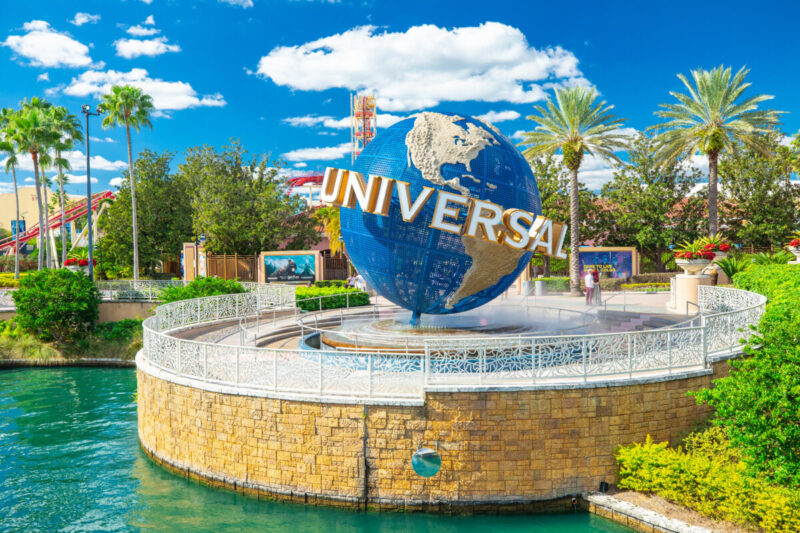
Old towns move at their own pace. The best ones reward the traveler who ditches the map and follows the noise of a morning market.
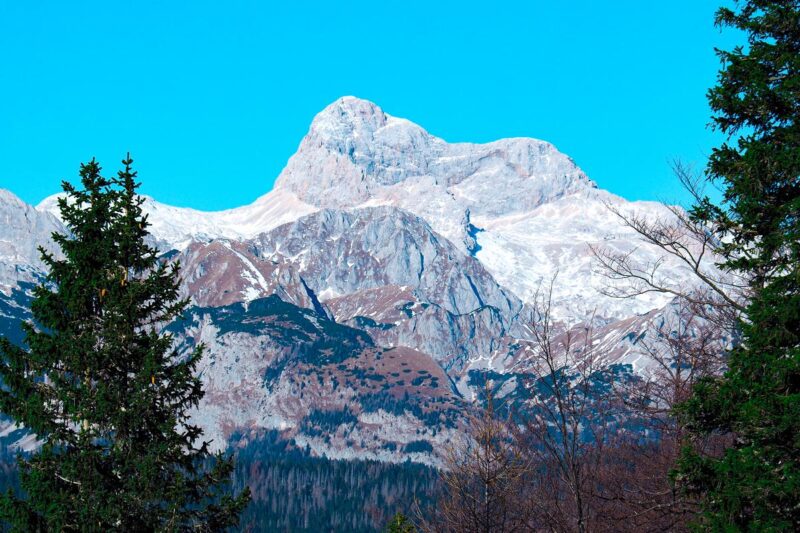
Cobbled quays and repurposed warehouses hold more history than most museums. These ports still work for a living — that tension is exactly what makes them worth visiting.

Port cities age better than most. The shipyards become galleries, the quays become markets, and the seafood is always cheaper near the docks.
Headframes still tower over main street. These towns never fully moved on from the boom years — and that’s exactly what makes them worth the detour.