


Historic Harbor Town
Stone quays, working harbors, and lanes worn down by centuries of trade — these are the waterfront towns worth slowing down for.
The ViaTravelers atlas · Collections
An interest can be the beginning of an entire journey. Explore collections of places, experiences, and ideas worth following.
812 published guides and stories to explore
Stone quays, working harbors, and lanes worn down by centuries of trade — these are the waterfront towns worth slowing down for.

Palace parks and botanic estates tell history better than any museum. These gardens shaped empires, preserved rare species, and still reward slow walkers.

The best historic cities aren’t museums — people actually live in them. Dense, walkable, and layered with centuries you can read block by block.
Intact guild houses, Roman street grids, and medieval fortifications all within a 20-minute walk — historic cities reward the traveler who slows down.
Historic districts pack more per block than most cities manage in miles — architecture, street life, and actual history you can walk through.
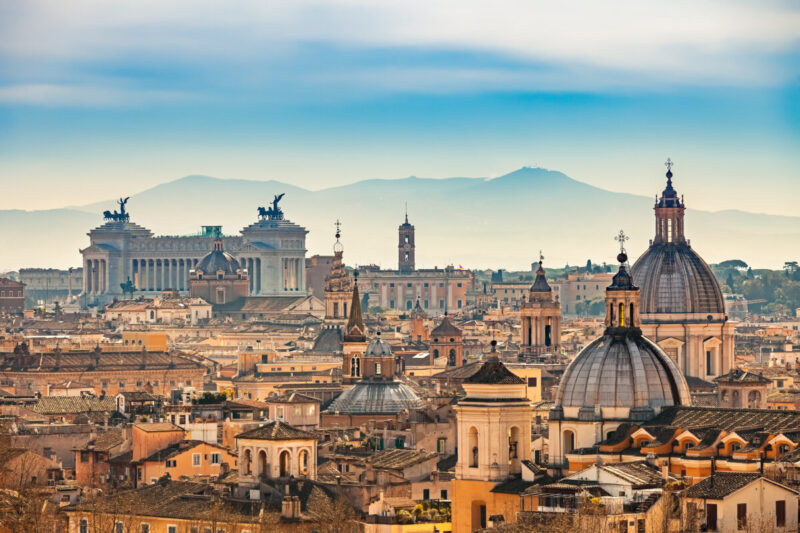
Old ports carry more history per block than most museums. Brick warehouses, working quays, and converted shipyards tell the story better than any exhibit.
The walls that held, fell, or got rebuilt tell better history than any museum. These fortifications are still climbable, walkable, and worth the detour.
The walls aren’t just scenery — they’re the street plan. Life inside ramparts runs on a different logic, and walking the circuit proves it.
Historic villages hold streetscapes that survived developers, wars, and neglect. The craft workshops and market squares here are still working — not staged.
Historic squares are where cities show their hand — the architecture, the vendors, the pigeons, the arguments. Skip the museum; sit here first.
The best historic streets aren’t preserved — they’re still lived in. Cobblestones, peeling facades, corner markets still open.
Angkor Wat at sunrise beats every photo you’ve seen. These temple collections go beyond the icons — courtyards, stone carvings, and rituals still in daily use.
Cobblestone streets and old town squares are only interesting if you know what you’re actually looking at. Here’s how to read a historic town.
Inland marshes move slow — that’s the point. Glassy water, rare birds, zero crowds. These ecosystems reward patience over pace.
Working docks, historic ships, and waterfront dining in one place — Inner Harbors pack more into a short walk than most cities manage in a day.
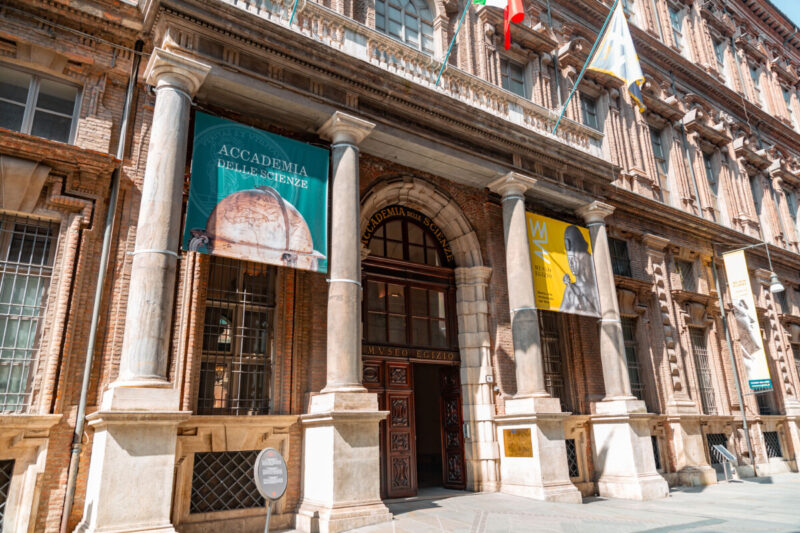
Old factory districts age better than most city centers. The warehouses became galleries, the shipyards became restaurants, and the cranes never left.
Handwoven textiles, medicinal herbs, raw tools — indigenous markets are living economies, not tourist traps. Shop with context.
Ceremonial halls, private quarters, lavish gardens — imperial palaces are where the real power plays of history actually happened.
Capital cities carry weight — Rome’s Forum, Tokyo’s imperial gardens, Buenos Aires’ Casa Rosada. The neighborhoods behind them tell a different story.
Market squares, guild halls, cobbled lanes — historical towns reward slow travel more than any highlight reel ever could.

The winding roads above Mulholland Drive put you level with the Hollywood Sign and above the smog line. Most visitors never leave the boulevard.
Not all hot springs are worth the trip — but the ones that are tend to rewire your whole sense of what relaxation means.
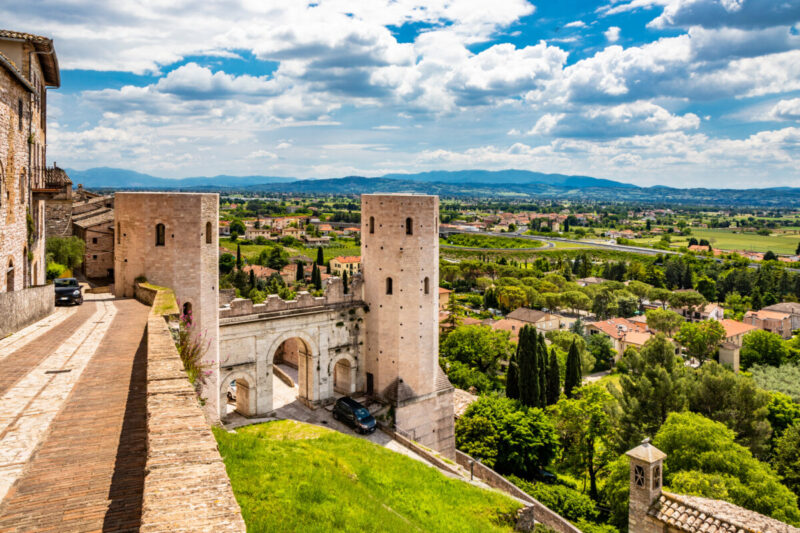
Long summers, late nights, and greenery that stays thick well into fall — humid subtropical cities reward the traveler who moves before 10am and after 5pm.

Lake Erie Waterfront — Great Lakes beaches, islands, lighthouses, and small-town marinas—ideal for easy weekend escapes and sunset photography.