

Barcelona vs Seville: Which Spanish City Should You Visit?

The verdict
Barcelona wins overall (8.8 vs 8.2 out of 10), taking 3 of 5 categories.
While both cities offer incredible experiences, Barcelona edges out Seville with its diverse attractions, stunning architecture, and beautiful beaches. However, Seville provides a more authentic Spanish experience with its rich traditions and intimate atmosphere. The choice depends on whether you prefer a cosmopolitan beach city or a more traditional Spanish cultural immersion.
Seville is markedly cheaper across hotels, tapas, and drinks than tourist-priced Barcelona. But Barcelona’s coastal climate stays far milder in summer—around 28–30°C with a sea breeze—while Seville regularly bakes past 40°C, and Barcelona’s Gaudí architecture and bigger museums add cultural weight.
Best for well-rounded travelers — Barcelona edges ahead overall.
Overall scores are editorial ratings out of 10; category winners come from the per-category scores below. The overall pick is the higher overall score.
Overall scores
Category by category
| Category | Barcelona | Seville | Edge |
|---|---|---|---|
| Architecture and LandmarksComparison of iconic buildings, historical sites, and architectural styles | 9 | 8 | Barcelona |
| Cuisine and DiningAnalysis of local specialties, food markets, and dining experiences | 9 | 9 | Even |
| Cultural ExperiencesEvaluation of museums, festivals, and local traditions | 8 | 9 | Seville |
| Outdoor ActivitiesComparison of parks, beaches, and outdoor recreation options | 9 | 7 | Barcelona |
| NightlifeOverview of evening entertainment, bars, and music scenes | 9 | 8 | Barcelona |
Architecture and Landmarks: the details
Barcelona
- Sagrada Família – Gaudí's unfinished masterpiece
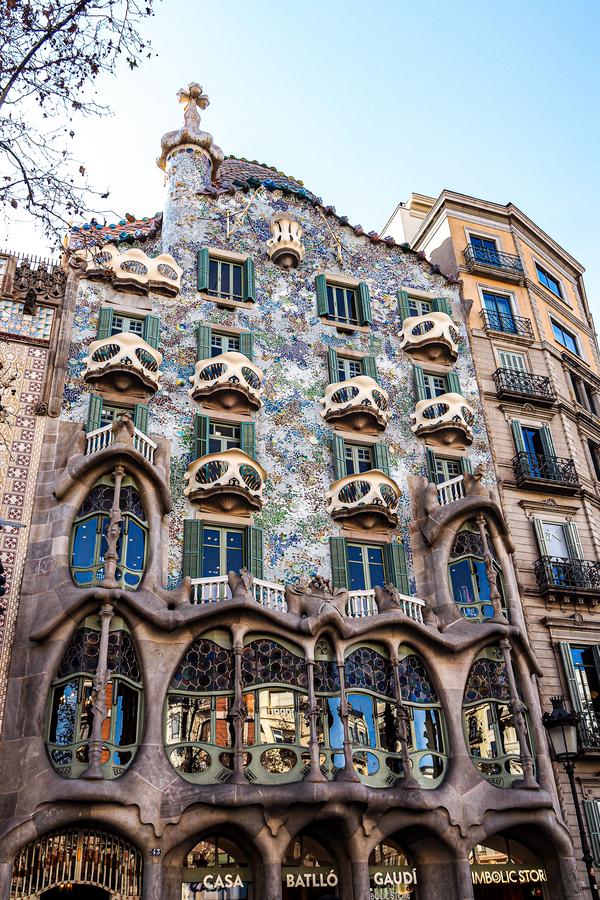
- Casa Batlló and Casa Milà (La Pedrera) – modernist wonders
- Gothic Quarter with medieval structures
Seville
- Alcázar of Seville – stunning Moorish palace
- Seville Cathedral – largest Gothic cathedral in the world
- Plaza de España – grand example of Regionalism Architecture
Cuisine and Dining: the details
Barcelona
- La Boqueria market – world-famous food market
- Seafood paella and fideuà
- Catalan specialties like pa amb tomàquet and calçots
Seville
- Tapas culture – invented in Seville
- Mercado de Triana – vibrant local market
- Andalusian gazpacho and fried fish
Cultural Experiences: the details
Barcelona
- Picasso Museum and Joan Miró Foundation
- La Mercè festival in September
- Strong Catalan identity and language
Seville
- Flamenco shows in Triana neighborhood
- Feria de Abril – vibrant spring fair
- Semana Santa – elaborate Holy Week processions
Outdoor Activities: the details
Barcelona
- Barceloneta and other city beaches
- Park Güell – Gaudí's whimsical park
- Montjuïc hill with gardens and Olympic facilities
Seville
- María Luisa Park – lush green space
- Guadalquivir River for kayaking and boat tours
- Sierra Norte Natural Park nearby for hiking
Nightlife: the details
Barcelona
- El Born district for trendy bars
- Beach clubs along Barceloneta
- World-famous nightclubs like Opium and Razzmatazz
Seville
- Flamenco tablaos for authentic performances
- Alameda de Hércules for alternative nightlife
- Rooftop bars with views of the cathedral
Who should pick which
Author’s take: Barcelona (90/100) dazzles with Gaudí masterpieces like the Sagrada Família and Park Güell, a seaside promenade, world-class museums (Picasso, Miró), vibrant tapas scene in Gràcia and El Born, and a versatile infrastructure including metro, beach access, and international flights. Though entry fees have recently risen (Park Güell up to ~€20), the architectural wow-factor and coastal variety justify its top score. Key weaknesses: higher cost per day (~€150 mid-range), summer crowds, tourist-tax hikes, and fewer traditional Andalusian cultural rituals Storage Sun. Seville (88/100) excels in deep Andalusian authenticity: the Royal Alcázar and Seville Cathedral with the Giralda, flamenco in intimate Triana venues, Semana Santa and Feria de Abril festival traditions, rich tapas like jamón ibérico and churros con chocolate at historic bars like El Rinconcillo, and impressive day-trips to Itálica ruins Times. Its budget-friendliness (lower daily cost than Barcelona) adds value. But its scorching summers (averages above 35 °C in July/August), occasional entry fees for Plaza de España, and smaller international connectivity limit it for some travelers. Choose Barcelona if you’re after architectural landmarks, coastal variety, diverse cultural offerings, and modern city infrastructure-even if it means bigger crowds and higher budgets. It suits first-time visitors craving visual spectacle and beach-city balance. Choose Seville if you value authentic Andalusian culture, flamenco, historic festivals, walkable medieval streets, and generous sunshine. It offers strong value and immersive traditions, though summer heat can be intense and sightseeing infrastructure is more compact. In short: Barcelona wins for variety and infrastructure; Seville triumphs in cultural depth and affordability. Your ideal city depends on whether you prioritize architectural diversity and beach-city energy (pick Barcelona) or intimate heritage, local rhythm and value (pick Seville).
Travel Tips
- Visit Seville April-May or October-November to avoid extreme summer heat
- Book Barcelona beaches early morning or late afternoon to avoid crowds
- Seville restaurants open later for dinner – plan around 9-10pm dining
- Learn flamenco basics before Seville – enhances tablao experiences
- Barcelona metro day passes essential for covering city distances
Travel tips
- Book tickets for the Sagrada Família and Alcázar of Seville well in advance to avoid long queues.
- Use the Barcelona Card or Seville City Pass for discounts on attractions and public transport.
- Visit Barcelona's Park Güell early in the morning to avoid crowds and get the best photos.
- Experience Seville's tapas culture by hopping between bars in the Santa Cruz neighborhood.
- Be cautious of pickpockets on Barcelona's Las Ramblas and in crowded areas of both cities.
Frequently asked questions
Which city is more budget-friendly, Barcelona or Seville?
Generally, Seville is more budget-friendly than Barcelona. Accommodation, food, and attractions tend to be less expensive in Seville, making it a better choice for travelers on a tighter budget.
When is the best time to visit Barcelona and Seville?
Spring (April to June) and fall (September to November) are ideal for both cities, offering pleasant weather and fewer crowds. Summer can be very hot, especially in Seville, while winter is mild but can be rainy in Barcelona.
Is it easy to travel between Barcelona and Seville?
Yes, traveling between Barcelona and Seville is relatively easy. High-speed AVE trains connect the two cities in about 5.5 hours. Alternatively, there are frequent flights with a duration of about 1.5 hours, making it possible to visit both cities in one trip.
The two side by side
Barcelona
Spain
A vibrant coastal metropolis known for its unique architecture, Mediterranean beaches, and Catalan culture
- Sagrada Família
- Park Güell
- La Rambla
- FC Barcelona
- January: 40
- February: 45
- March: 60
- April: 75
- May: 85
- June: 95
- July: 100
- August: 98
- September: 90
- October: 80
- November: 55
- December: 65
Seville
Spain
The capital of Andalusia, famous for its Moorish heritage, flamenco dancing, and passionate festivals
- Alcázar of Seville
- Seville Cathedral
- Plaza de España
- Flamenco
- January: 30
- February: 35
- March: 50
- April: 85
- May: 95
- June: 90
- July: 85
- August: 80
- September: 100
- October: 90
- November: 40
- December: 45
